
Korea in Winter Is Worth Planning Around
Korea in winter opens up a set of things that simply don’t exist the rest of the year, and closes off almost nothing worth seeing. The trick is knowing which ones are worth building a trip around.
Korea in Winter Means Ice Fishing Festivals
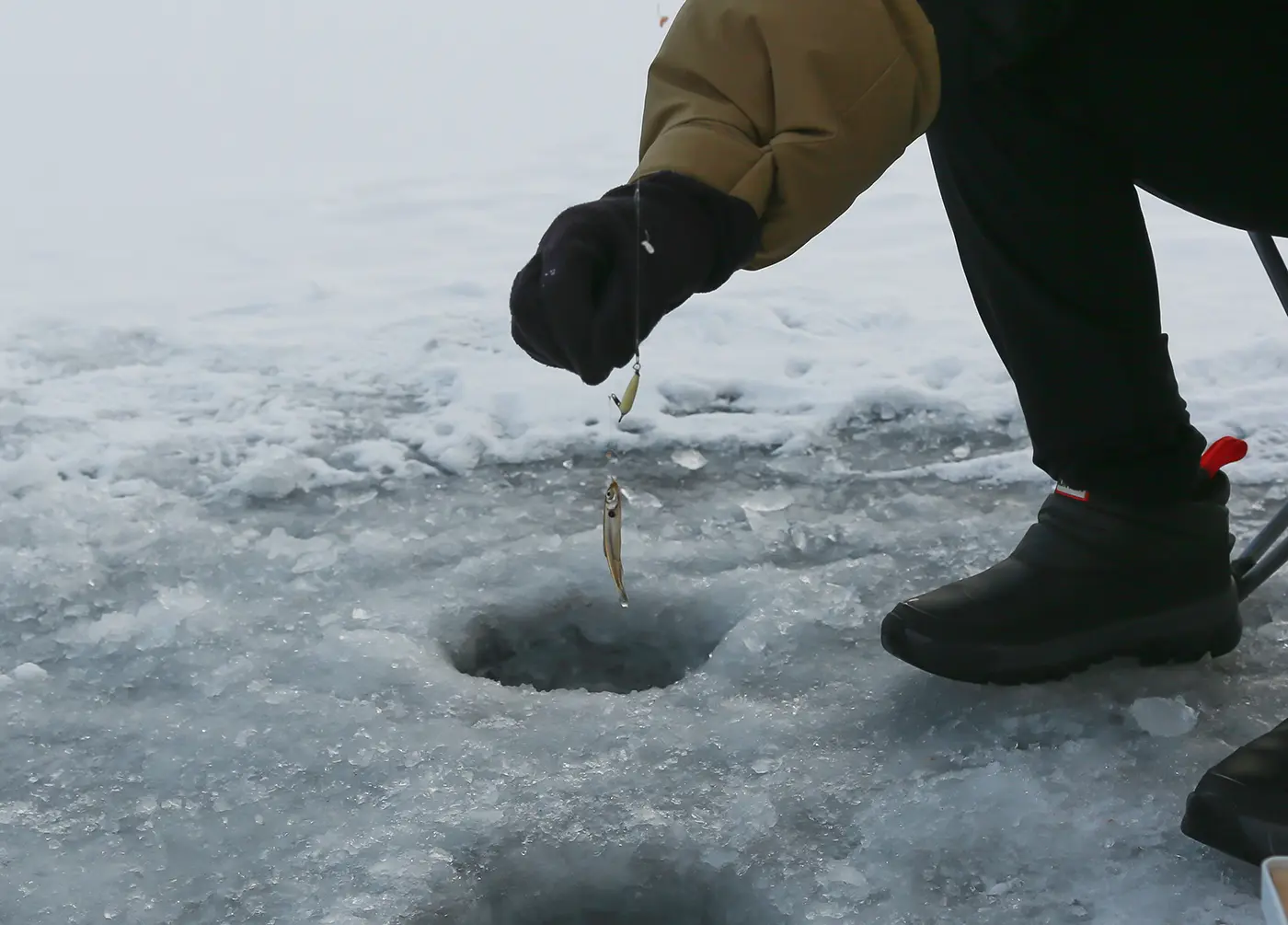
Hwacheon Sancheoneo Festival ran January 10 to February 1 in 2026, drawing over a million visitors to a frozen river in Gangwon Province. It’s been cited internationally as one of winter’s more unusual events since around 2011, and the reason comes down to the fish.
Sancheoneo, mountain trout, only survive in the cleanest upstream water. Hwacheon sits at the top of the Bukhan River near the DMZ, which kept the area inaccessible enough that the water stayed that way.
It’s not a spectator event. You participate. There are bare-hand catching sessions in a shallow pool where people go in wearing shorts, which is exactly as cold as it sounds and exactly as popular as that suggests. Caught fish get grilled or served as sashimi on site.
Book the reserved fishing areas online if you’re going on a weekend. On-site tickets regularly sell out early in the morning. The festival runs 9am to 6pm with registration opening at 8:30, and similar events operate in Pyeongchang and Inje.
Book accommodation early either way, since Gangwon fills up fast during festival weekends and the nearest towns are small.
Snow in Korea in Winter Is Less Reliable Than the Photos Suggest
If snow is the entire reason you’re coming, adjust the plan.
Last winter recorded 14.5 snow days nationally against a normal of 15.9, but total snowfall came to 14.7cm versus a normal of 26.4cm. Just over half the usual amount, and the second consecutive dry winter.
Seoul gets snow, but it rarely sticks for long in the city center. Gangwon Province is the reliable answer, and ski resorts run on artificial snow regardless of what falls naturally. Closing dates vary more than most guides mention.
High1 runs latest, into late March, while Vivaldi Park and Konjiam typically wrap up in early March. Vivaldi sits closest to Seoul at roughly ninety minutes.
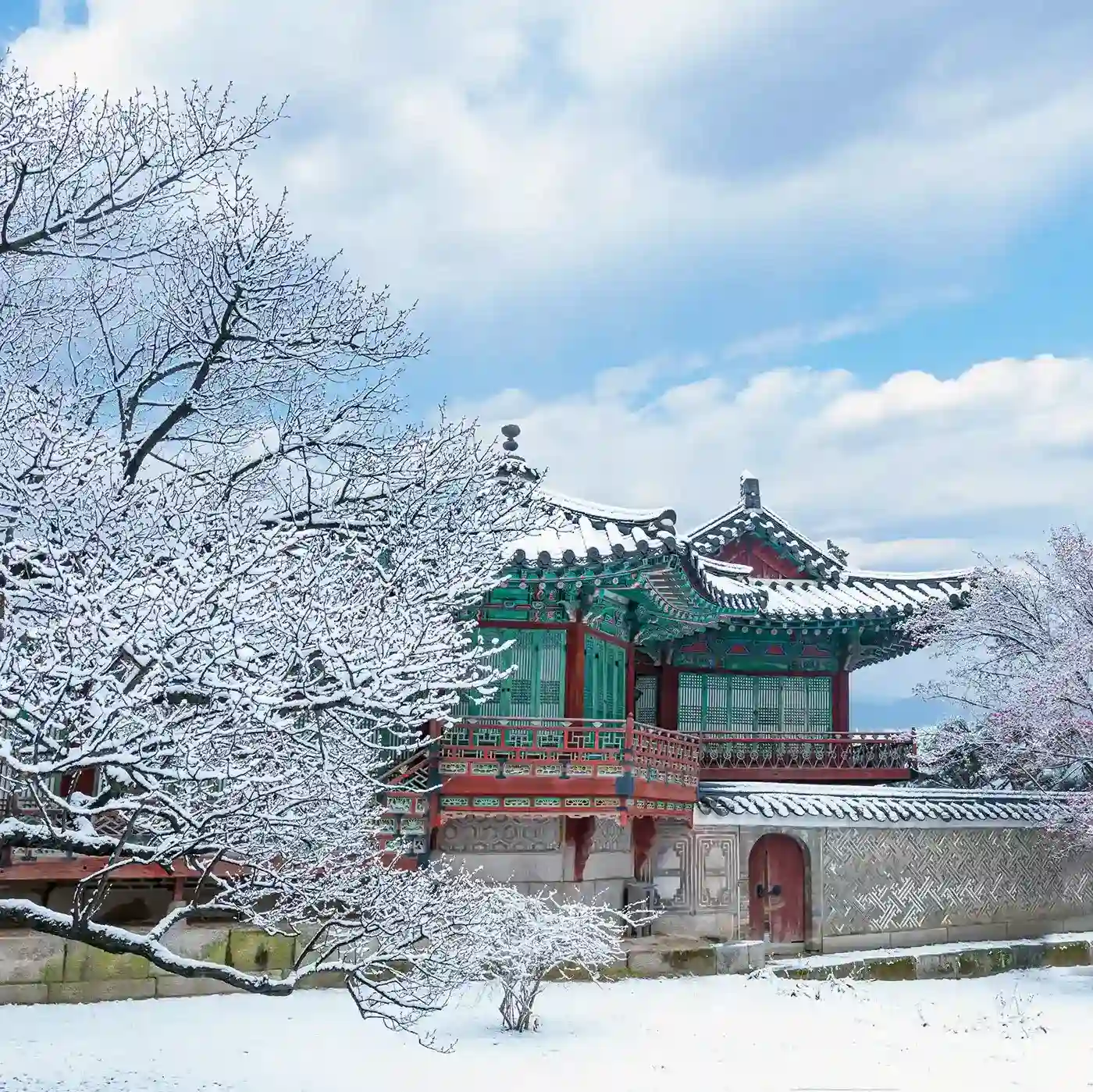
For palaces under snow, the practical approach is to watch the forecast and go the morning after rather than planning a specific date. Changdeokgung’s secret garden after snowfall is worth rearranging a day for.
Some Things Only Make Sense in Winter
Korean bathhouses are open year-round, but Korea in winter is when they make sense. In August the appeal is somewhat theoretical. In January it’s immediate.
Moving between hot rooms and cold rooms makes obvious sense when you’ve walked in from -6°C, and the standard practice of staying for hours becomes something you’d actually want to do rather than something you read about.
Most jjimjilbangs run 24 hours and charge around 10,000 to 15,000 won, with sleeping areas that make them a legitimate option if you’ve missed the last subway.
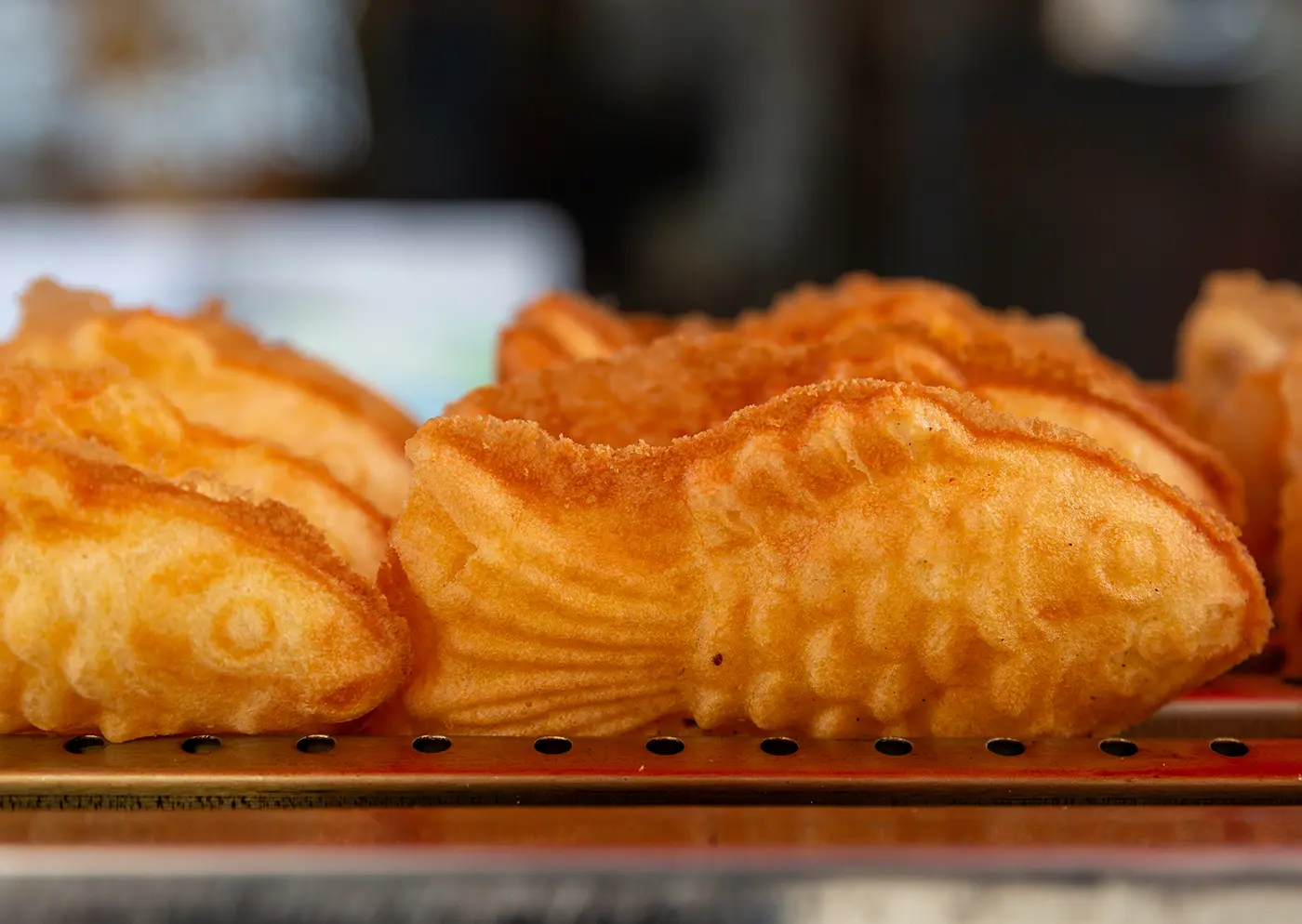
The same logic applies to street food. Carts selling fish-shaped pastries appear from October and vanish by March, along with roasted sweet potato vendors working from oil drums converted into ovens.
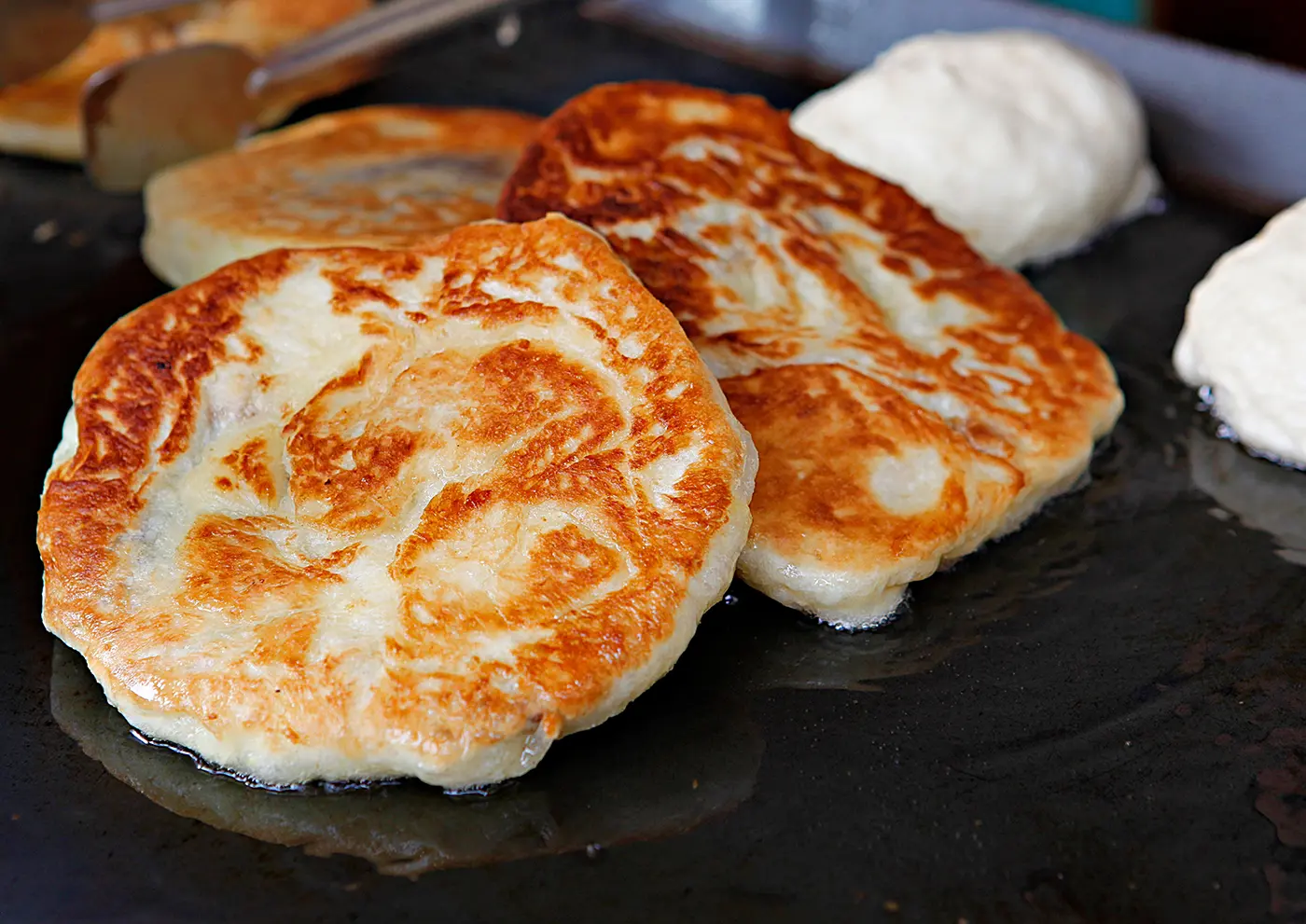
Hotteok, the sugar-filled pancake, is technically available year-round but sold mostly in winter for obvious reasons. Namdaemun and Gwangjang markets run the highest concentration of it in Seoul.
The bigger seasonal event is kimjang, the communal kimchi-making that happens in late November and early December. It’s a household tradition rather than a tourist activity, though the scale of it is visible everywhere from apartment courtyards to supermarket cabbage displays.
Korea in Winter Is Cold, and Less Predictable Than It Used to Be
Seoul spends most of January below freezing, with overnight lows commonly around -6°C.
The complication is that averages have stopped being useful for planning. Last winter’s national average was 1.1°C, or 0.6°C above normal, which reads as mild. The monthly breakdown was December 1.3°C above normal, January 0.7°C below, February 1.5°C above.
The season averaged warm by swinging hard in both directions rather than by being consistently mild. Late January still produced lows of -8.3°C in Seoul and -18.4°C in Cheorwon. Pack for the swing. A single week can move fifteen degrees.
What makes this manageable is that the city assumes it. Underground arcades connect large stretches of central Seoul, subway seats are heated, and convenience stores sell disposable hand warmers for about 1,000 won that Koreans buy in multiples.
Ondol floor heating means indoor spaces warm from the ground up, which is a different experience from radiator heat and considerably better after an hour outside.
Why It Beats Coming in Autumn
Fewer people, mostly.
Palaces that require patience in October are quiet in January. Mountain trails empty out. Accommodation prices drop outside the ski corridor. A photograph of Gyeongbokgung without a hundred strangers in frame becomes possible in a way it isn’t during peak season.
Korea in winter asks for better preparation than autumn does and gives you more room in return.