
Changdeokgung Palace, The Real Story Behind “The East Palace”
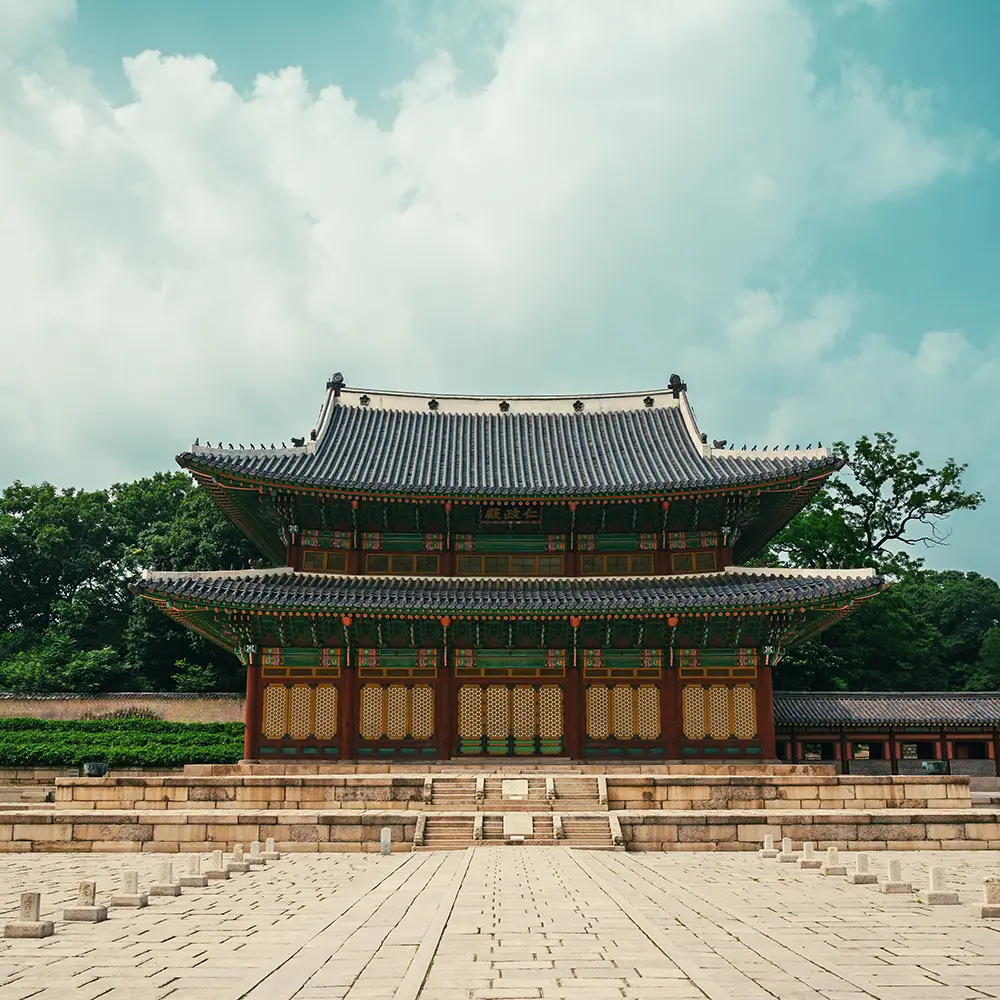
Changdeokgung Palace is often called Donggwol – the East Palace. The name sounds almost identical to the title of a recent Netflix drama, “The East Palace,”. But the two aren’t actually related. The show’s Korean title refers to a crown prince’s residence, while Changdeokgung’s nickname refers to the entire palace complex.
The real history behind Changdeokgung’s version is just as dramatic as anything on screen. You can read more about the drama Donggung in this introduction article through the link below.
Netflix’s The East Palace, Korean Occult Historical Dramas – kurrent
Changdeokgung Palace Wasn’t Supposed to Be the Real Palace
Gyeongbokgung was always intended to be Korea’s main royal palace. Changdeokgung was built in 1405 as a secondary residence — a kind of backup.
Then the Japanese invasions of the late 16th century reduced Gyeongbokgung to ashes, and Changdeokgung became the actual seat of power for nearly three centuries. What was meant to be the understudy ended up taking the lead role longer than any other palace in the country.
That history is where the East Palace nickname comes from. Positioned east of Gyeongbokgung, Changdeokgung and its neighbor Changgyeonggung were referred to together as Donggwol, and the name stuck long after Gyeongbokgung stopped being relevant.
Why This Palace Looks “Wrong” Compared to the Others
If you’ve visited Gyeongbokgung first, Changdeokgung can feel almost unplanned. Traditional Korean royal palaces were usually built along strict symmetrical axes to project order and Confucian hierarchy. Changdeokgung completely breaks that rule.
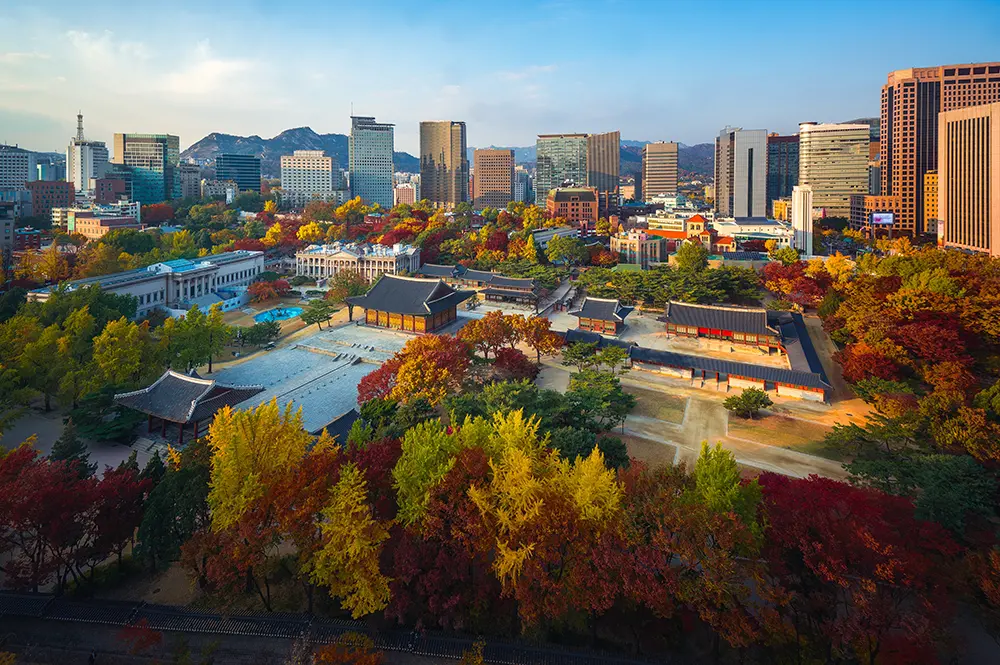
Instead of forcing the land into a rigid layout, the builders let the palace follow the natural contours of the hills. Buildings sit at angles, paths curve around slopes rather than cutting through them. And the whole complex feels less like a display of power and more like a quiet conversation with the landscape.
That’s exactly why it became the only one of Korea’s five grand palaces to earn UNESCO World Heritage status in 1997. What at first looks like disorder is actually the whole point.
The Secret Garden Isn’t as Easy to See as Most Guides Suggest
Most travel guides mention the Secret Garden, known as Huwon, without explaining how limited access actually is. Each guided tour session admits a maximum of 100 people, split between 50 online reservations and 50 same-day tickets.
Tours run only a few times a day and sell out quickly, especially during peak seasons. So planning ahead is essential if you want to see this part of the palace.
If seeing Huwon matters to your trip, book online in advance rather than hoping to grab an on-site ticket. Showing up without a plan is the single most common regret international visitors report after visiting.
Getting Into Changdeokgung Palace, and a Trick Worth Knowing
Changdeokgung Palace and the Secret Garden require separate tickets, and the garden ticket only works if you’ve already got palace admission. One detail that surprises a lot of visitors.
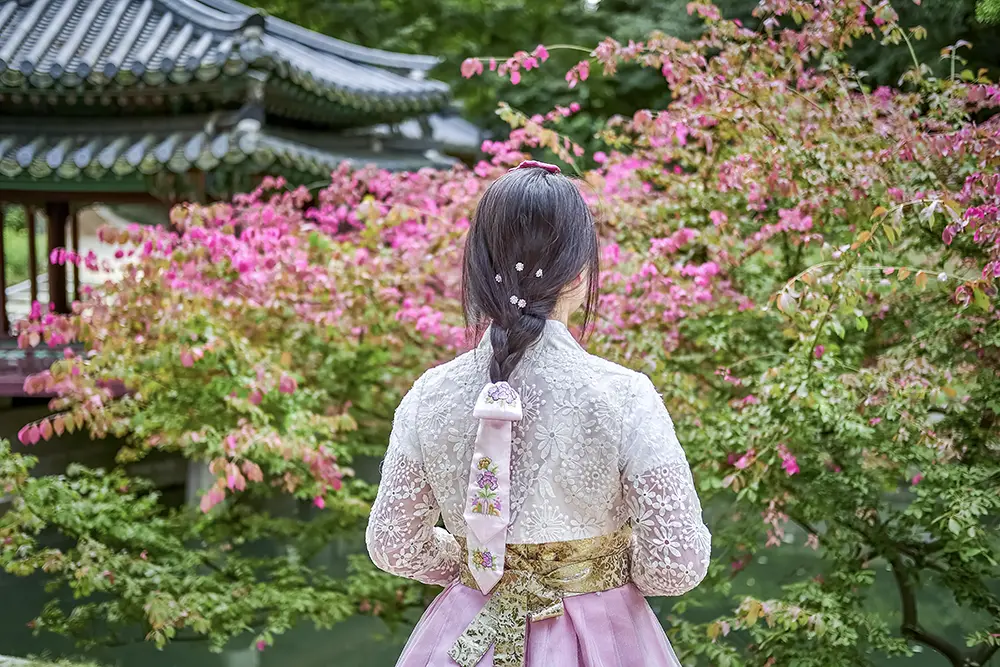
Renting a hanbok gets you free entry to the palace grounds, though the Secret Garden still requires its own paid ticket regardless of what you’re wearing.
The palace sits in Jongno District, an easy walk from Anguk Station on Line 3. Also the location pairs naturally with a visit to nearby Changgyeonggung which is historical other half within the old Donggwol complex.
Before You Visit Changdeokgung
If you only take one thing from Changdeokgung Palace, let it be this.
The “wrong” layout is exactly why this became the only palace in Korea with UNESCO status. Every part of it was built to bend with nature, not against it. Once you notice that, the crooked paths stop looking like a mistake — they start looking like the whole point.