
Banchan Is Older Than the Restaurants Serving It
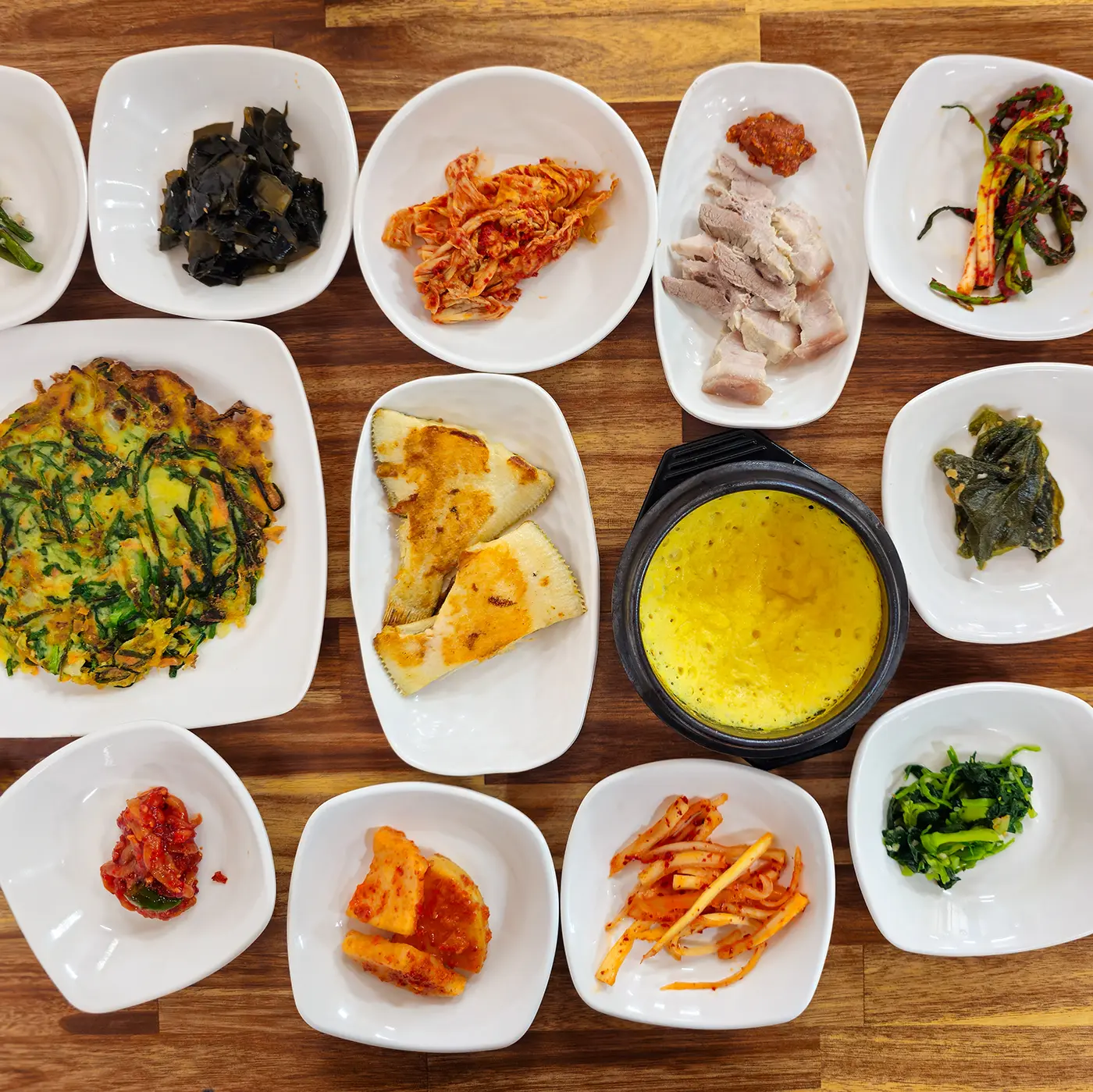
Banchan, the small side dishes that arrive before you’ve ordered anything, look like a modern hospitality gesture.
The number of them was once a legal signal of social rank, and the logic behind why they’re free has more to do with the price of rice than with generosity.
Banchan Numbers Once Signaled Social Rank
Under the Joseon dynasty, table settings followed a system called cheop, counted by how many side dishes accompanied the rice and soup.
Commoners were limited to three. Higher-status households served five, seven, or nine. Twelve was reserved for royalty, and serving more than your station allowed wasn’t a matter of taste. It was a breach of order.
That system dissolved with the dynasty, but the underlying instinct didn’t. Abundance at the table still reads as care in Korea, which is why a modest lunch spot will send out four or five dishes without being asked.
Why Banchan Is Free
The origin is less about generosity than economics.
Rice was expensive. Vegetables were not. When restaurants needed customers to leave full during Korea’s harder decades, refilling the rice bowl wasn’t viable, but refilling the side dishes was.
A practical workaround became a defining custom, and it held through the postwar period, the reconstruction years, and the 1997 financial crisis. By the time Korea got wealthy enough to charge for it, nobody wanted to be the first restaurant to try.
What Banchan Actually Includes
Five broad categories cover most of what appears on a Korean table.
Kimchi in its various forms, fermented and seasoned with chili. Namul, lightly seasoned vegetables like spinach or bean sprouts.
Jorim, braised dishes such as soy-simmered beef or potatoes. Jeon, pan-fried items. Jangajji, pickled vegetables in soy or vinegar.
A typical restaurant sends out three to six. Korean BBQ places often send more, and the spread that arrives alongside fried chicken or late-night stew follows the same logic.
The mix is deliberate rather than random, balancing spicy against mild, crunchy against soft, fermented against fresh.
One structural point worth knowing: banchan is not an appetizer. It’s eaten throughout the meal, alongside rice, in small amounts each time. Clearing the plates before the main dish arrives is the most common mistake foreign diners make.
How to Ask for More, and How Much to Take
The phrase is simple: banchan jom deo juseyo (반찬 좀 더 주세요), meaning “a little more banchan, please.” Pointing at the empty dish works too and nobody will judge you for it.
The etiquette worth absorbing is about portioning rather than politeness. Take small amounts first and refill what you actually eat.
Waste matters more than it used to. Vegetable prices have climbed enough that restaurant operators have started polling each other in their own online forums about whether refills should stay free.
Nothing has changed at scale, and most places still refill without hesitation. But taking only what you’ll finish is a reasonable response to a real pressure.
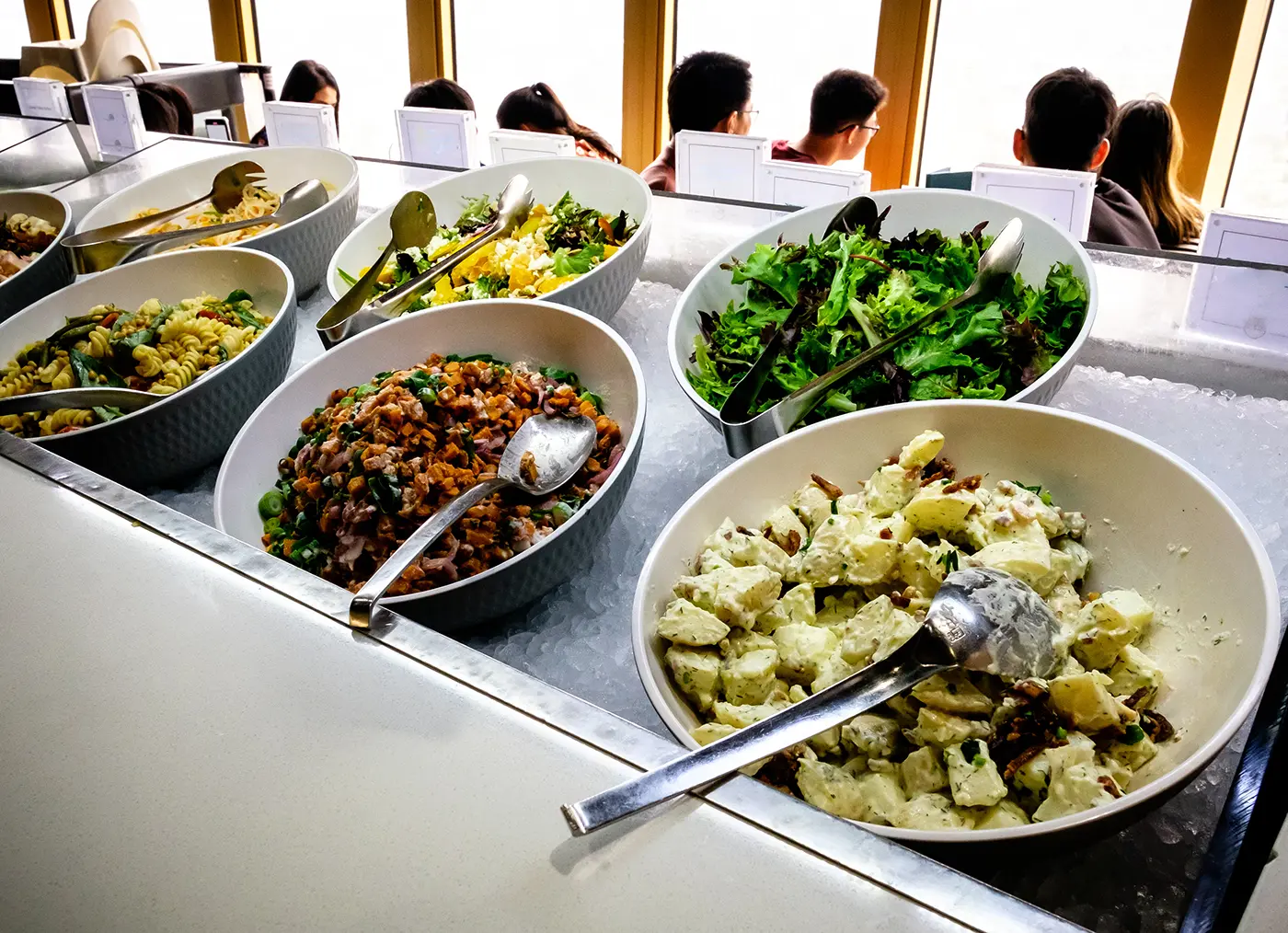
At self-service banchan bars, the same principle applies with more force. Bring back less than you think you need. You can go again.
Don’t pack leftovers to take home unless the restaurant makes clear that’s fine. If a particular side dish was excellent, ask whether they sell it separately. Many do.
Why It Still Works
The framing that shows up in most guides, that banchan is a free gift reflecting Korean hospitality, is true but incomplete.
It’s more accurate to think of it as included. The ingredients, labor, storage, and dishwashing all cost money, and that cost sits inside the price of the main dish rather than outside it.
What survives from the cheop system isn’t the hierarchy. It’s the assumption that a proper meal has more than one thing on the table, and that the person feeding you should decide how much is enough.