
Seoul Itinerary Planning Fails on Geography, Not Attractions
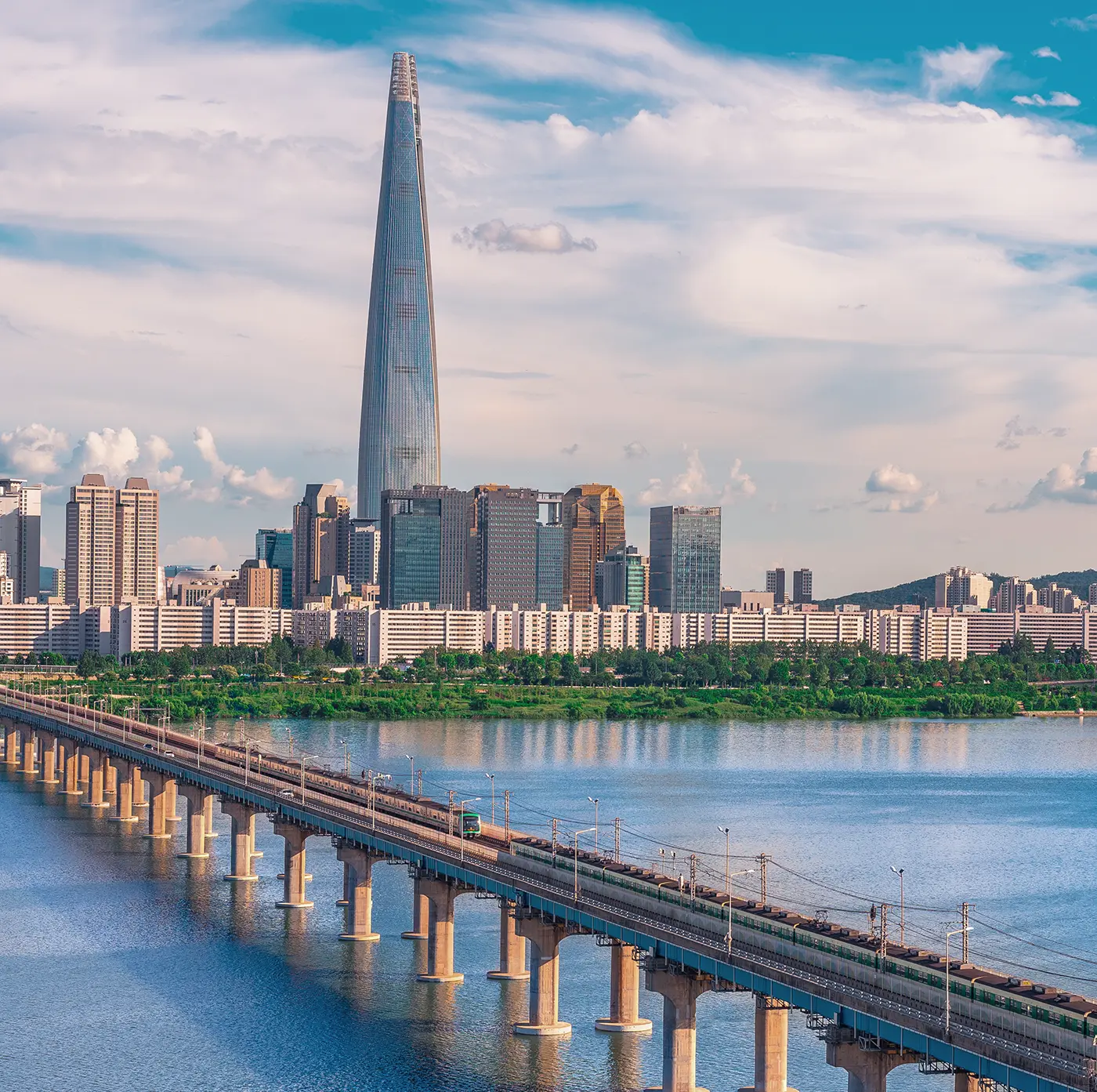
Most Seoul itinerary guides list what to see and skip the part that actually determines your day. Seoul isn’t one city you move through freely.
It’s a handful of dense clusters separated by expensive stretches of subway, and the difference between a good day and a wasted one is usually whether you grouped things correctly.
Seoul Itinerary Decisions Begin at the Han River
Start here, because almost nothing else matters as much.
Gangbuk, north of the river, holds the palaces, the old neighborhoods, the university districts, and most of what people picture when they think of historic Seoul. Gangnam, south of it, holds the business districts, the department stores, and the plastic surgery corridor.
Crossing between them costs you 30 to 45 minutes each time, sometimes more during rush hour. A day that crosses the river twice has spent roughly two hours underground. Some trips justify that. Most don’t.
The practical rule for any Seoul itinerary: pick a side per day. If you’re going to Gangnam, go to Gangnam and stay there.
The Clusters That Actually Work
Four groupings cover most of what visitors want, and each is walkable end to end.
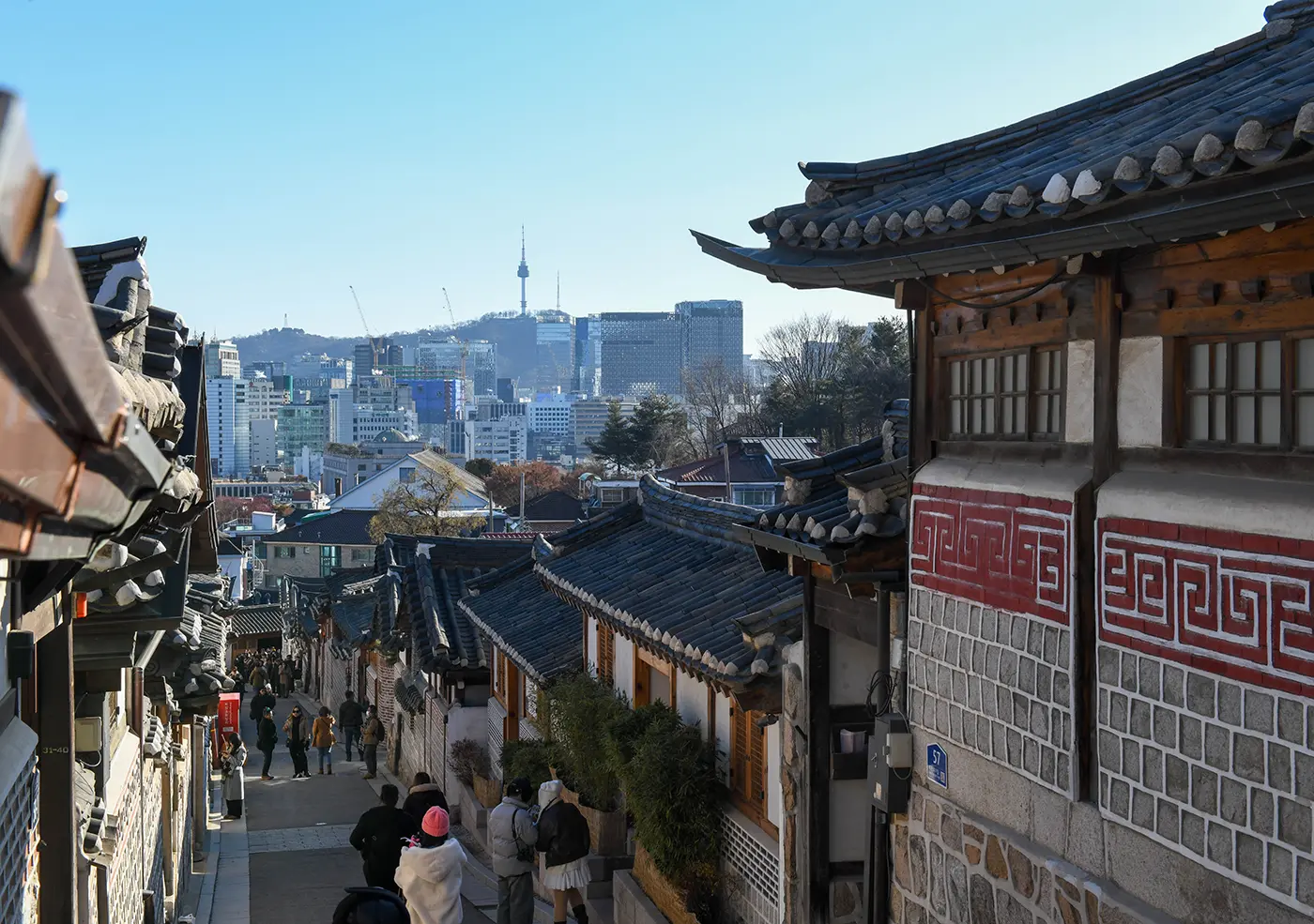
The palace cluster runs from Gyeongbokgung through Bukchon Hanok Village to Insadong, with Changdeokgung at the eastern edge. Everything here is within twenty minutes on foot. Seodaemun Prison sits slightly outside it but connects by one subway stop on Line 3.
The Hongdae cluster covers Hongdae, Yeonnam-dong, and Sangsu, which run into each other along a former railway line converted into a park. Good for evening, bad for early morning, since most of it doesn’t open until noon.
The Dongdaemun cluster includes Dongdaemun Market, Dongmyo flea market, and Gwangjang Market. This one has unusual hours worth planning around, since Dongdaemun’s wholesale side runs overnight while Gwangjang closes relatively early.
The Seongsu cluster has become the default recommendation for anyone interested in current Korean fashion and cafe culture, and it’s compact enough to cover in an afternoon.
Where Seoul Itinerary Plans Usually Break
Three mistakes account for most of the wasted time.
Booking Changdeokgung’s Secret Garden too late. Tours run 10 to 12 sessions daily, capped at 100 people each, split evenly between online reservations and same-day tickets.
They sell out regularly, especially on weekends and during autumn foliage season. The main palace grounds have no cap and need no reservation, but the garden is guided-tour-only.
Treating Bukchon as a daytime-flexible stop. The most photographed section enforces a tourist curfew from 5pm to 10am with fines attached. If Bukchon is on your list, it has to be a daytime activity.
Not checking closing days. Palaces close one day a week and they don’t coordinate. Changdeokgung closes Mondays. Gyeongbokgung closes Tuesdays. A palace-cluster day scheduled on the wrong weekday loses its main attraction.
Building a Three-Day Seoul Itinerary
If you have three days, the geography suggests this shape.
Day one, palace cluster. Gyeongbokgung in the morning, Bukchon before the curfew window, Insadong in the late afternoon. Add Changdeokgung if you booked ahead.
Day two, west side. Hongdae and Yeonnam in the afternoon and evening. Morning is free for something else in Gangbuk, and Seodaemun Prison fits here if you want the historical counterweight.
Day three, pick a direction. Seongsu for fashion and cafes, or Dongdaemun for shopping, or cross the river to Gangnam if there’s something specific there you want. Don’t try to do two of these.
Four days lets you add a day trip. Suwon Hwaseong Fortress and Incheon Chinatown are both under an hour out, and both give you something Seoul itself doesn’t.
Adjusting by Season
Winter compresses everything. Daylight ends around 5:30pm in December, outdoor sections of palaces become genuinely cold, and the underground arcade networks become more useful than the surface routes.
Summer does the opposite. Humidity makes midday walking unpleasant, so the working pattern is early morning outdoors, indoor activity from noon to four, then back outside in the evening. Cheonggyecheon and the Han River parks fill up after dark for exactly this reason.
Spring and autumn are when a Seoul itinerary can be aggressive. Both seasons let you walk between clusters instead of taking the subway, which changes what’s possible in a day.