
Bungeoppang Is So Hard to Find People Made a Map
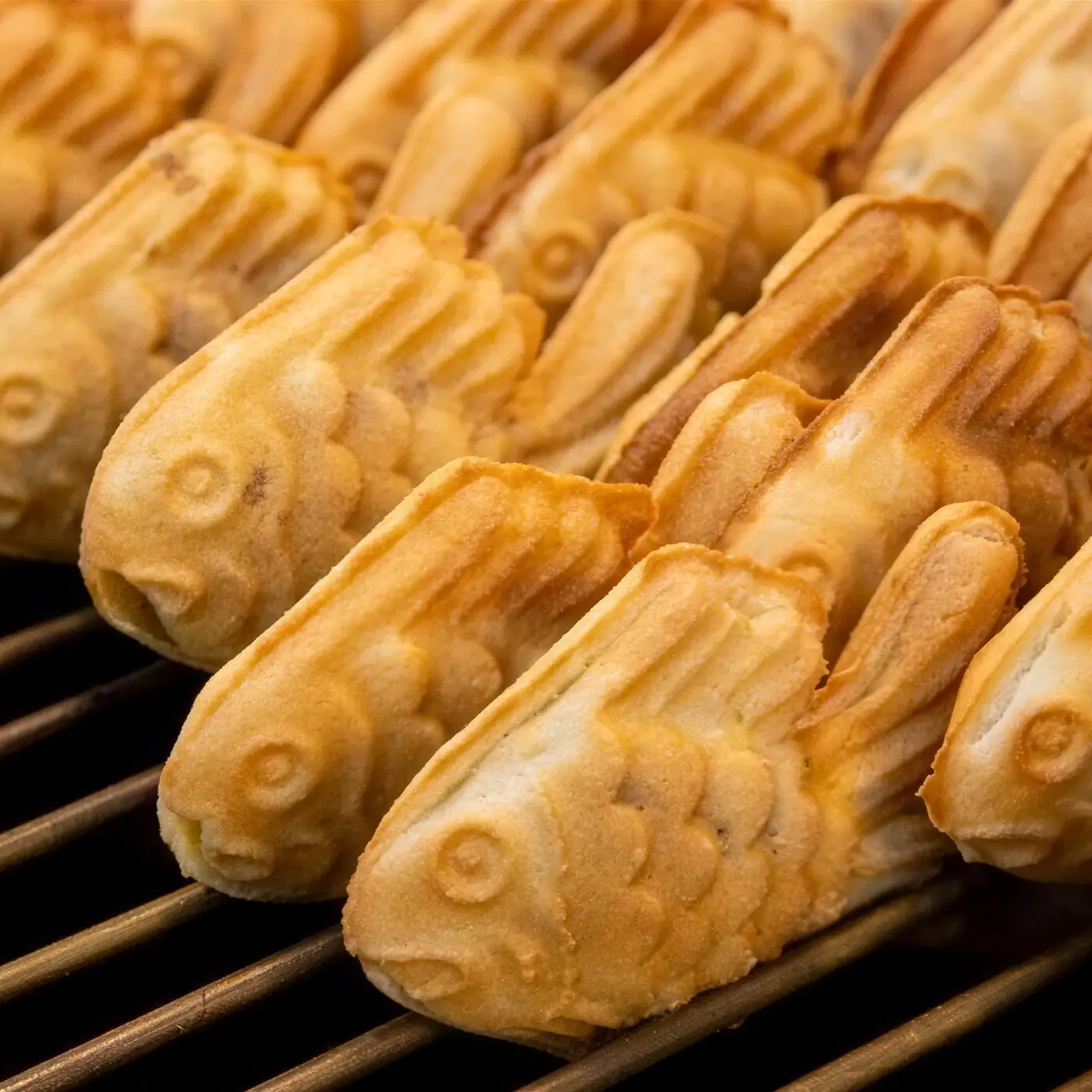
Catch the smell of bungeoppang on a Korean street in winter, and plenty of people will tell you it means one thing: the cold season has officially arrived. The problem is that following your nose doesn’t always lead you to an actual stand.
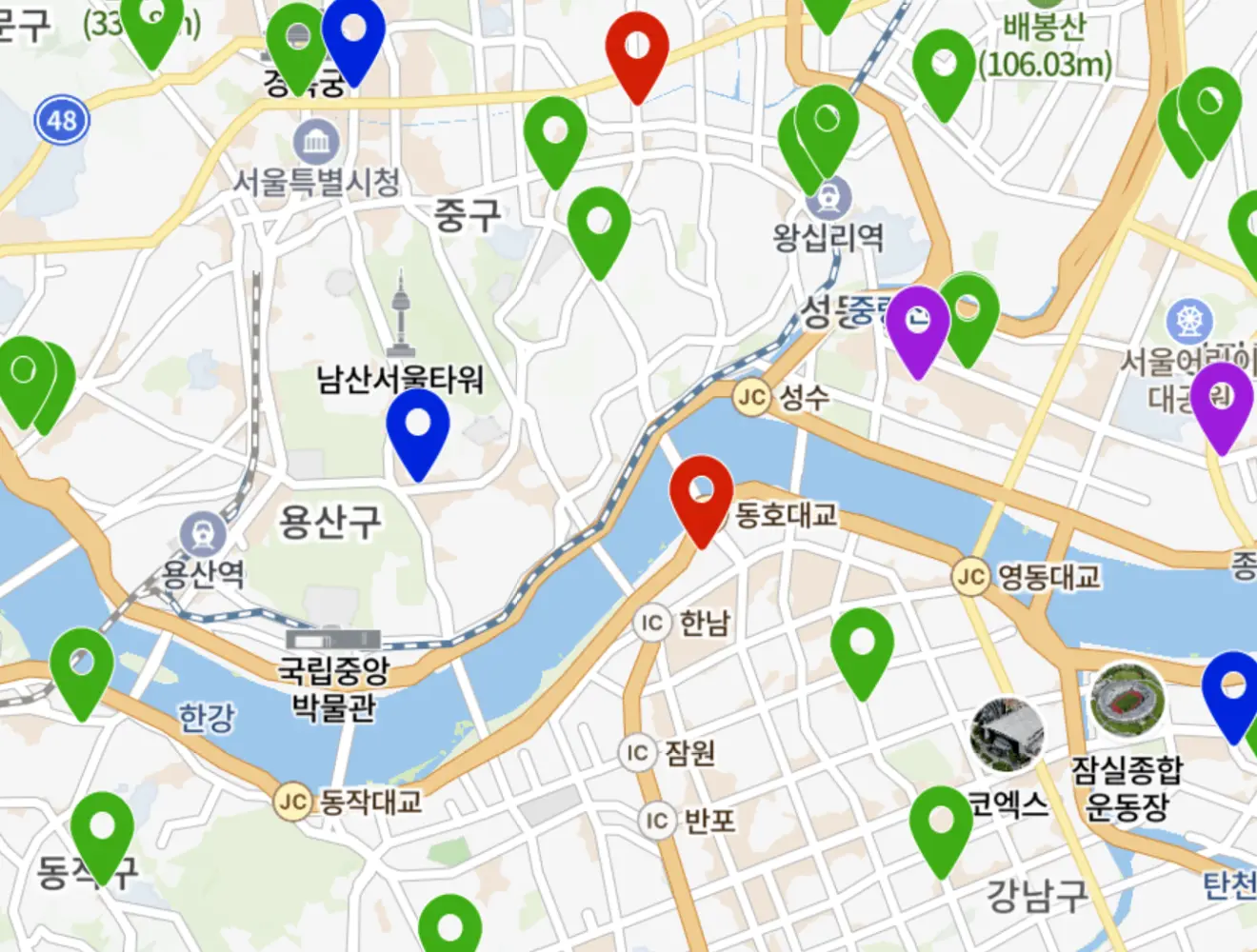
Vendors appear and vanish so unpredictably that people have built crowdsourced maps just to locate them. It says something that a small snack can send people to that kind of trouble.
Bungeoppang Got Its Carp Shape From Japanese Taiyaki
This carp-shaped treat traces back to taiyaki, a Japanese snack that arrived in Korea in the 1930s during the colonial period. Taiyaki itself was a fusion of sorts, a Western-style waffle introduced to Japan in the 18th century that merged with East Asian dumpling traditions.
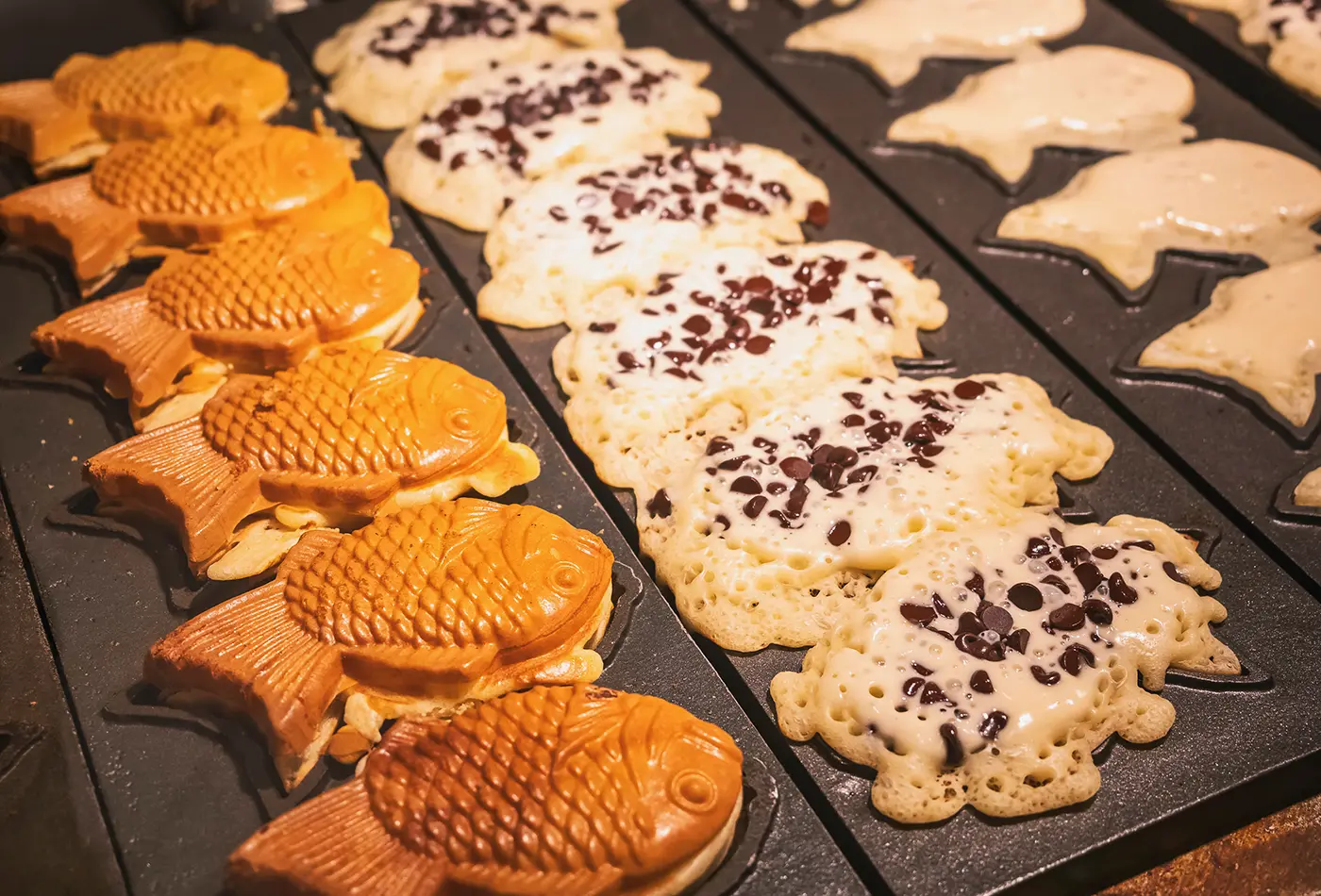
In Korea, the mold changed from taiyaki’s sea bream shape to a carp, giving bungeoppang its name and its current form.
Its popularity faded for a while after it first arrived, then came roaring back during Korea’s retro revival of the 1990s. Ever since, it’s held its place as the defining street food of Korean winters.
Beyond Red Bean: How Korean Fish Bread Keeps Changing
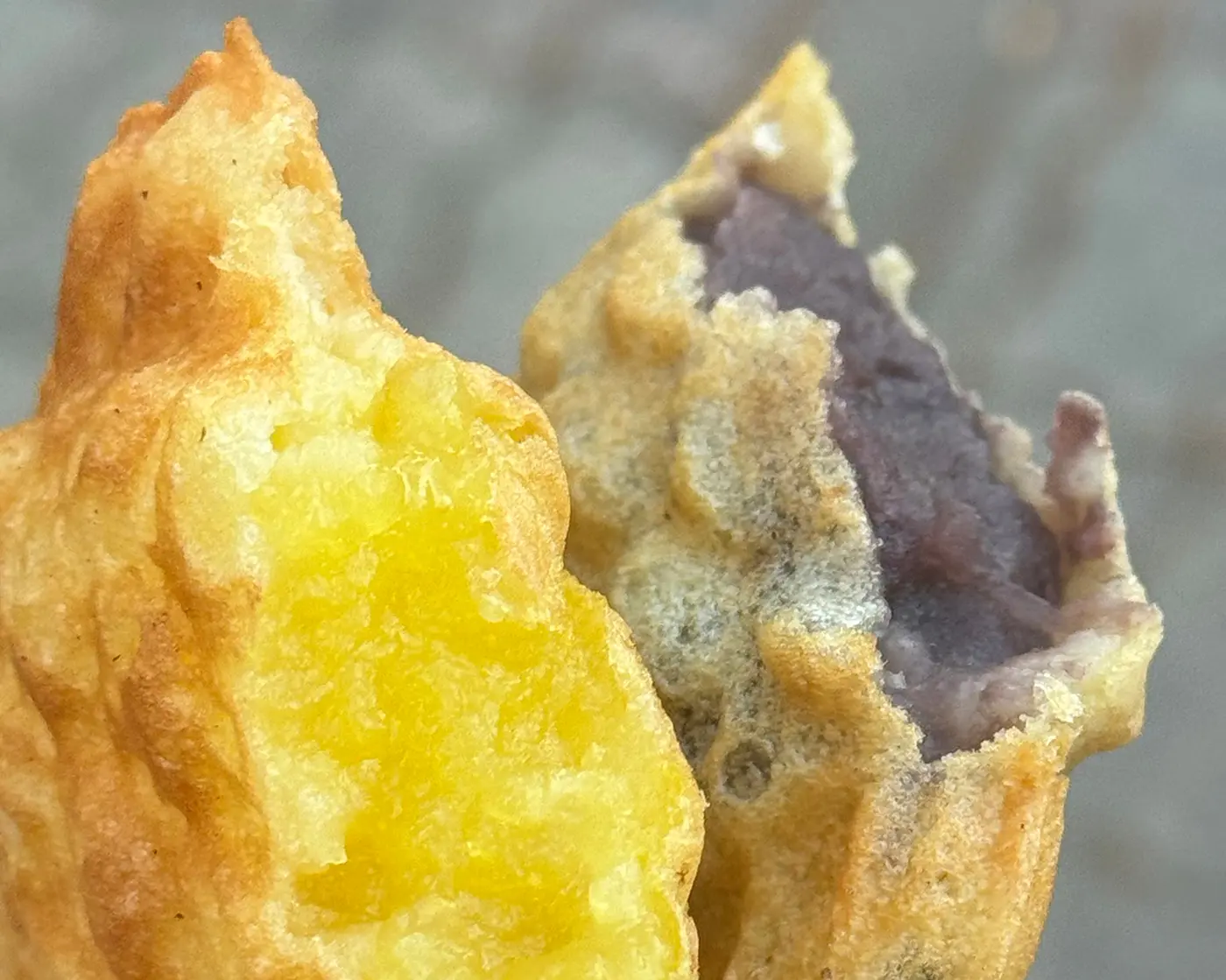
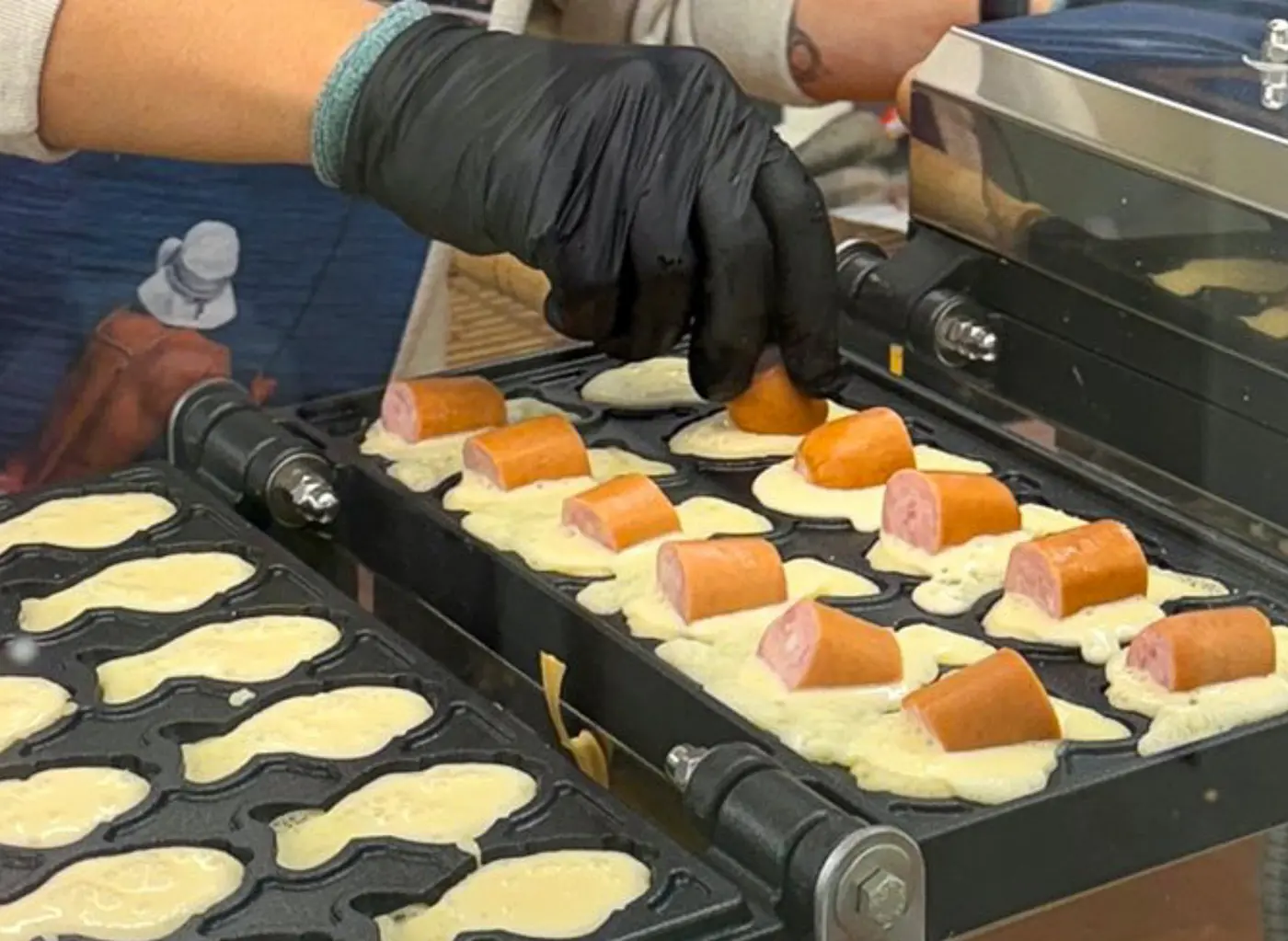
The traditional filling is sweet red bean paste, but vendors and cafés now sell versions stuffed with pastry cream, sweet potato, pizza toppings, chocolate, and even kimchi. Prices vary by vendor, though a common range is around 1,000 won for three regular pieces or 2,000 won for one larger one.
These variations aren’t just about chasing new flavors. They’re a sign that this humble pastry still holds real affection in Korea. Some people seek out the old-fashioned red bean version specifically, while others go looking for whichever vendor is trying something new.
Why Someone Built a Bungeoppang Map
The stands often move, shrink, or disappear entirely depending on rent, the season, and the weather. In response, fans started using tools like Google Maps to crowdsource vendor locations, prices, and hours into what’s become known as a bungeoppang map, a project that’s been covered repeatedly in Korean media.
That map is more than a convenience. It reflects genuine concern about a disappearing street-vendor culture. Tracking down a stand has turned into something like a small seasonal event in itself.
Check the Map Before You Go Hunting
If you’re in Korea during winter, bungeoppang is worth building into your plans. I wouldn’t recommend wandering around hoping to stumble on a stand, since you might come up empty-handed.
Check a bungeoppang map or a local community app first. Once you’ve got a warm one in hand, you’ll understand why this fish-shaped pastry has become such a reliable measure of the season.