
Myeongdong Shopping Came Back, But Not for Koreans
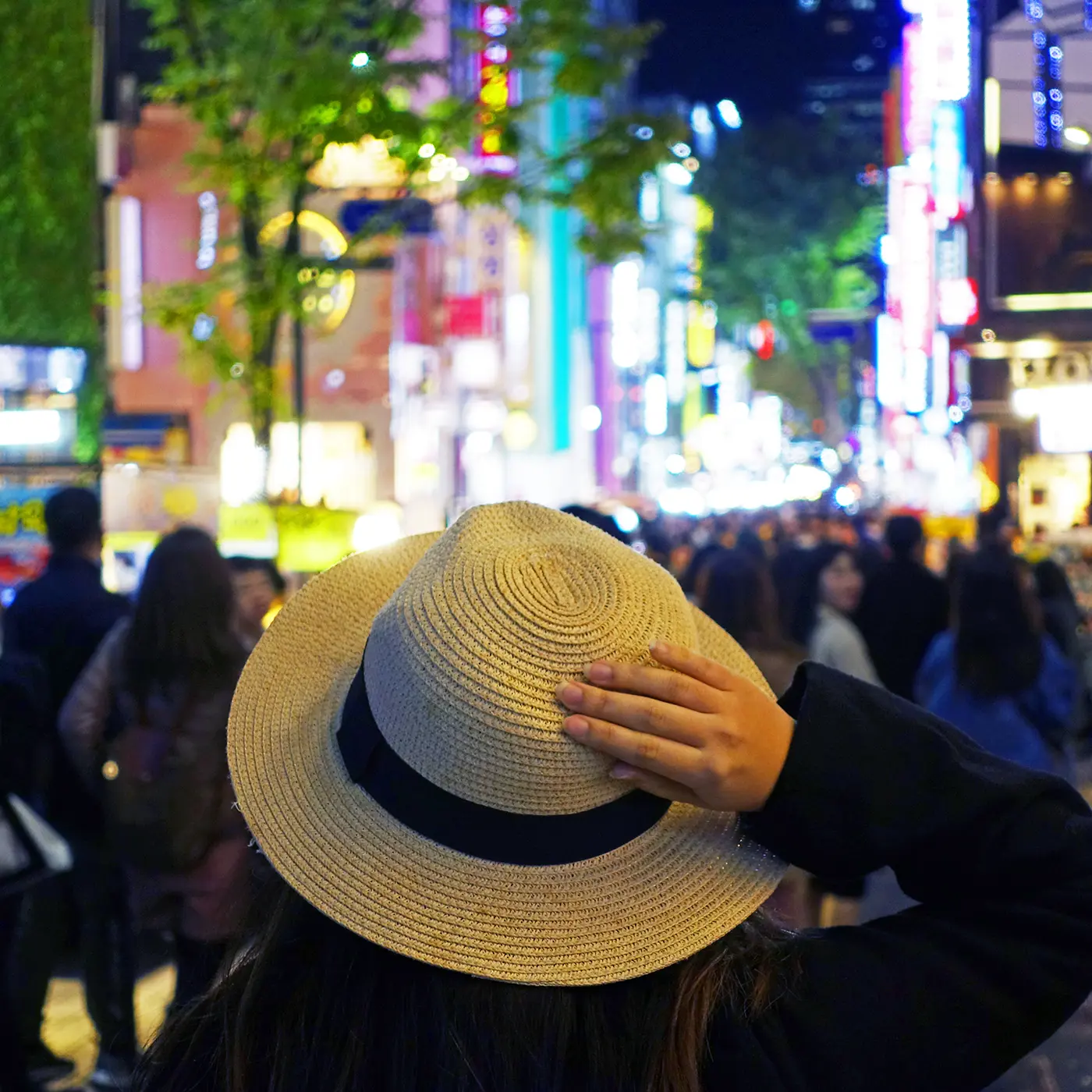
Myeongdong shopping was declared finished around 2021. Storefronts sat empty, the crowds vanished, and Korean shoppers moved on to Seongsu and Hannam.
Five years later the brands are back and the street is packed again. The part nobody mentions is who’s actually filling those stores.
Myeongdong Shopping Was Written Off Five Years Ago
The recovery is measurable.
Seoul’s six major street-level retail districts averaged an 8.5 percent vacancy rate in Q2 2026, down 0.3 percentage points from the previous quarter and 1.9 points year-on-year, which Cushman & Wakefield Korea reads as a solid recovery phase for the retail leasing market.
The driver is tourism. Inbound visitors in the first half of 2026 reached 10.71 million, a record for any half-year period, with roughly 5.95 million arriving in Q2 alone.
That’s the context for everything that followed.
What Reopened for Myeongdong Shopping in 2026
UNIQLO opened its Global Flagship Store Myeongdong on May 22, 2026, at 3,254.8 square meters across three floors, making it the brand’s largest store in Korea. It had been five years since UNIQLO last held a major presence on the street.
Musinsa has been expanding rather than testing. Musinsa Standard Myeongdong opened in March 2024, Musinsa Store Myeongdong followed in January 2026, and a third location, Musinsa Standard Myeongdong Central, was planned for Q3 within a minute’s walk of Myeongdong Station.
Olive Young runs its Myeongdong Town store, Daiso operates its main branch nearby, and Zara opened a cafe on the street. Kolon Sport put a flagship in the same cluster.
The Foreign Customer Ratio Tells the Real Story
Here’s where Myeongdong shopping diverges from every other Seoul retail district.
At Kolon Sport’s Myeongdong flagship, foreign customers account for over 90 percent of purchases, and April sales rose 48.8 percent month-on-month to a monthly record.
Musinsa shows the same curve. Foreign buyers made up 51 percent of purchases at Musinsa Standard Myeongdong last year, then passed 70 percent by April 2026.
A Korean brand’s Korean store where seven in ten buyers are foreign is not a normal retail outcome.
It’s a specific business model. Brands treat the district as marketing infrastructure rather than a sales channel, which is a meaningfully different thing from a shopping street.
Where Koreans Shop Instead
None of this means Myeongdong shopping is fake. It means the customer changed.
Koreans looking for current fashion go to Seongsu, where the showrooms and concept stores are. Higher-end shopping happens in Hannam-dong or the Gangnam department stores. Wholesale and volume buying runs through Dongdaemun overnight.
Myeongdong occupies a different position now. It’s where global and Korean brands put their most legible, most photographed, most tax-refund-friendly version of themselves for an audience that has a limited number of days in the country.
That’s not a criticism. If you have three days in Seoul and want to see what Korean retail looks like at its most polished, the concentration here is unmatched. Just don’t mistake it for where locals go.
Myeongdong Shopping Without Wasting the Day
The district runs roughly from Myeongdong Station to Euljiro 1-ga, and the whole thing is walkable in twenty minutes end to end. That compactness is the practical argument for Myeongdong shopping over spreading purchases across neighborhoods.
Tax refund is the other one. Korea operates immediate tax refund at the register for eligible purchases above a threshold, and the density of participating stores here is higher than anywhere else in Seoul. Bring your passport, since you can’t claim it without one.
Store hours skew later than the palace-and-market side of the city, so pairing Myeongdong with a morning somewhere else works better than the reverse. Street food carts set up along the main strip in the evening, which is a reason to arrive late afternoon rather than at opening.