
Korean Fashion Brands Don’t Work Like Western Ones
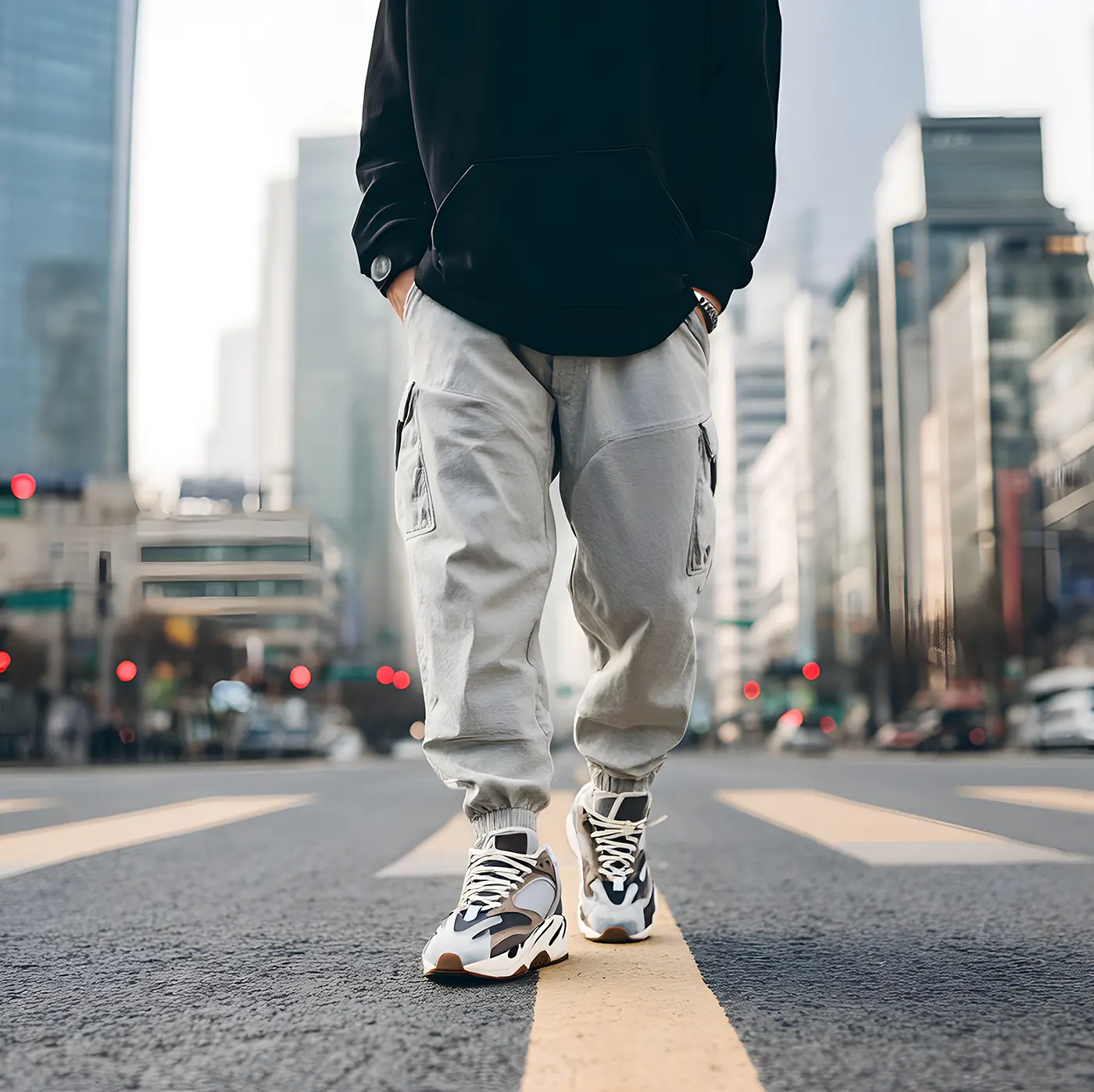
Korean fashion brands get covered abroad as a list of names to memorize. Ader Error, Andersson Bell, Gentle Monster, and a dozen others.
The list is accurate and mostly useless, because it skips the thing that actually shapes the market here, which is how these brands reach people in the first place.
Korean Fashion Brands Are Built on Platforms, Not Boutiques
In most markets, a young label opens a store, gets picked up by a multi-brand retailer, and slowly builds distribution. Korea skipped that sequence.
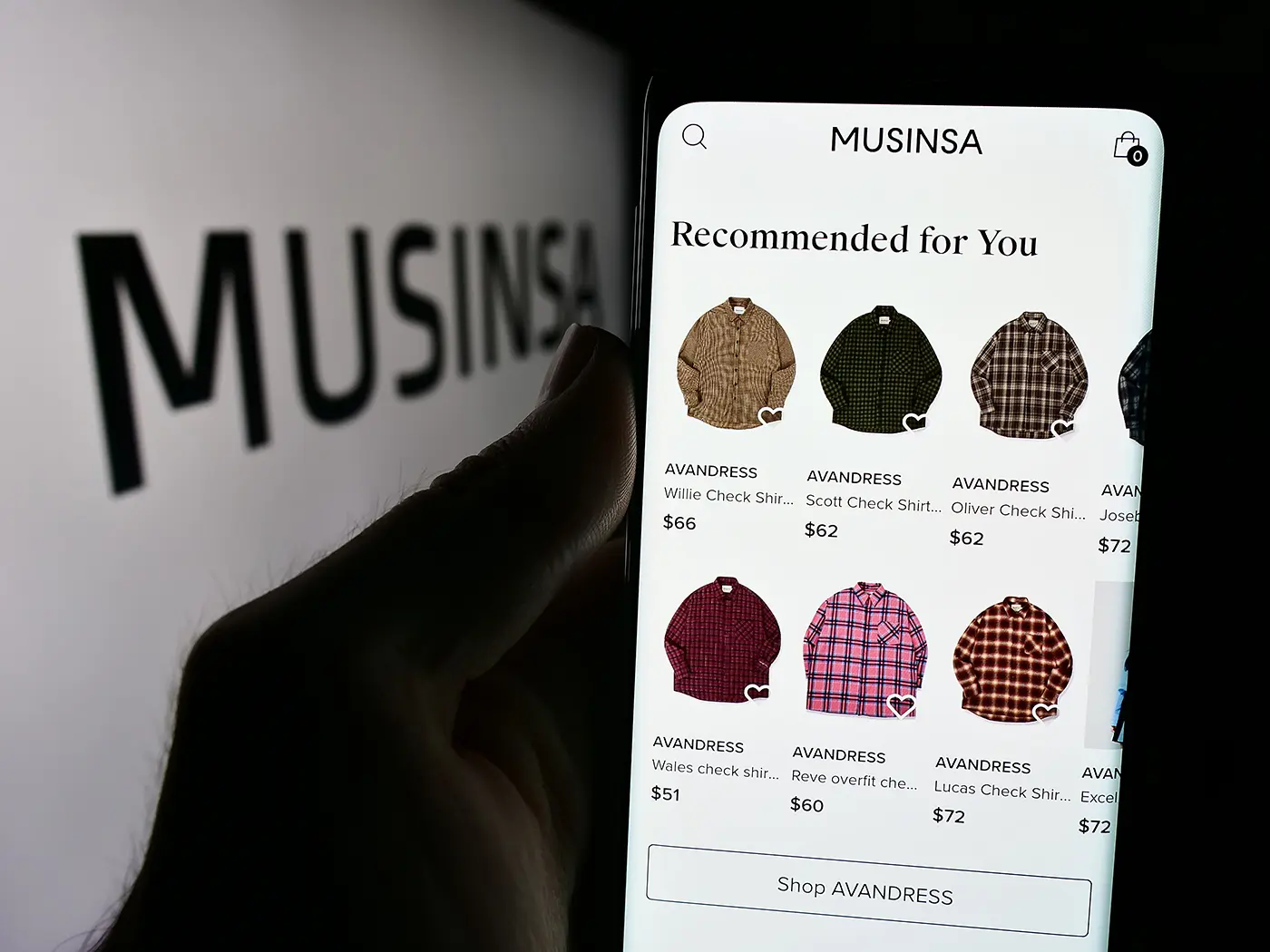
Musinsa functions as the entry point for most domestic labels, and its scale changes how brands behave.
A designer launching now builds for the platform first: product photography that reads on a phone, drop schedules timed to platform events, sizing standardized to what returns least. Physical stores come later, if at all.
The practical result is that plenty of well-known Korean fashion brands have no flagship you can visit. They exist as a page, a warehouse, and an Instagram account.
29CM sits alongside Musinsa at a slightly more curated end, and W Concept covers similar ground. Between them, they account for a substantial share of how Koreans find new labels.
The Showroom Replaced the Flagship for Korean Fashion Brands
What did emerge physically isn’t the traditional flagship. It’s the showroom, concentrated in Seongsu and Hannam-dong, and it works differently.
These spaces stock small quantities, change layouts constantly, and often share a building with a cafe or a gallery. The model isn’t volume. It’s giving a brand a physical location that photographs well and gives people a reason to cross the city.
Gentle Monster pushed this furthest. Its stores operate closer to installation art than retail, with rotating themes that get dismantled and rebuilt. Whether you buy sunglasses is nearly beside the point.
For anyone shopping Korean fashion brands in person, Seongsu packs the highest concentration of this into one walkable area. Hannam-dong runs quieter and more expensive.
Which Korean Fashion Brands Are Actually Worth Knowing
Names still matter, so here’s a shorter list organized by what they do rather than alphabetically.
Ader Error works in oversized proportions and deliberate irregularity, and has become the international reference point for Korean streetwear. Andersson Bell sits nearby with more construction detail and stronger runway presence.
Post Archive Faction builds technical, deconstructed pieces and numbers its collections instead of naming them. Gentle Monster dominates eyewear to a degree that’s genuinely unusual for one national market.
Matin Kim and Marithé François Girbaud have driven the last few years of mainstream Korean women’s style, both platform-native rather than boutique-built.
Sizing Is the Real Barrier
This catches people out constantly, and it applies across nearly all Korean fashion brands.
Korean sizing runs small against US and European standards, and “free size” typically lands around XS to S. Streetwear labels working in oversized silhouettes are the obvious exception, but small is the default assumption to carry into any store here.
Check measurements in centimeters instead of trusting the size label. Most Korean brand pages list chest, shoulder, and length in a table, and that table tells you more than any letter on a tag.
Return policies vary sharply between platforms and individual brand sites. Domestic returns are usually straightforward. International orders often aren’t, and a fair number of Korean labels don’t ship abroad at all, which is a solid argument for buying in person while you’re here.
What I Got Wrong the First Time
I went out with a list. Four brands I’d read about, addresses saved, a route planned across two neighborhoods.
Two of them didn’t have a showroom at all. Not closed, not relocated. They had never had a physical space, and I’d assumed a brand that visible must have one somewhere.
Search the map before you build the route, not after. If a brand doesn’t come up as a location on Naver Map or Kakao Map, it doesn’t exist as a place, however active its Instagram looks.
The other thing I’d assumed wrong was payment. Cards work nearly everywhere in Korea, including the smallest showrooms, so bringing a stack of cash isn’t necessary the way it might be at a market.
But a few of the smaller independent shops quietly offered a better price for cash, which never came up until I asked. Not a rule, not advertised, just worth asking about once you’re standing there.
Plan by neighborhood rather than by brand. Seongsu for showrooms and concept stores, Hannam for the higher end, Dongdaemun if you want to see the supply side of the industry rather than the storefront.
The brands that exist only online will still be there when you get home, and the ones with physical spaces are the entire reason to shop here instead.