
Korean Skincare Routine Isn’t Ten Steps Anymore
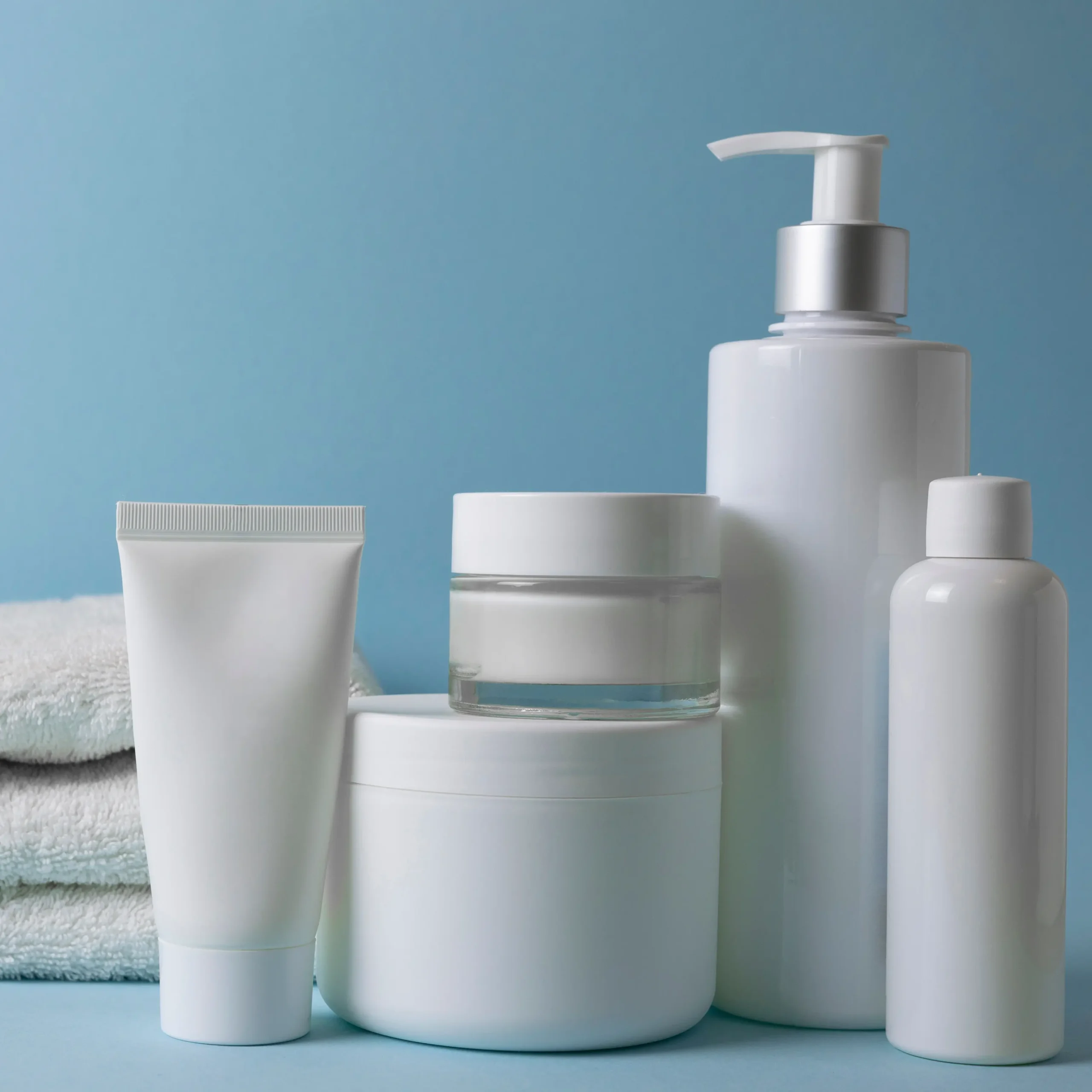
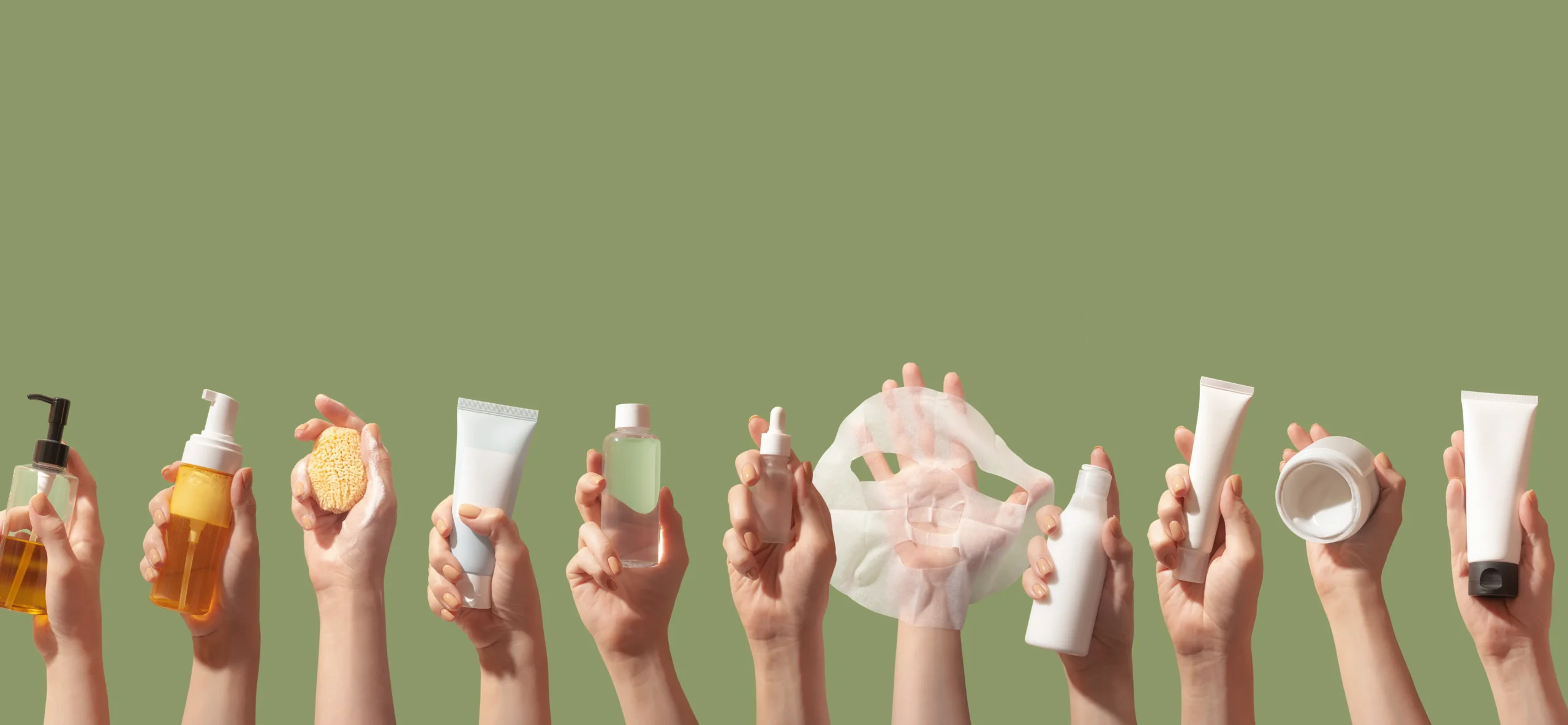
The Korean skincare routine most people abroad picture is the ten-step version that went viral years ago. Cleansing oil, foam cleanser, toner, essence, serum, sheet mask, eye cream, moisturizer, and down the shelf from there. Ask around Seoul now and you’ll find most people doing about half that.
Korean Skincare Routine Today Looks Different
Walk into an Olive Young and count how many products are marketed on what they add versus what they won’t irritate. The second category has been winning for a while.
The shift came from a specific problem. Layering eight products meant eight chances to react to something, and plenty of people who grew up on the maximalist routine ended up with damaged barriers and no way to tell which product did it. Cutting back wasn’t about minimalism as an aesthetic. It was about being able to identify the culprit.
A common weekday routine now runs closer to five steps. Cleanser, toner, one treatment, moisturizer, sunscreen. Sheet masks and eye creams didn’t disappear, they just stopped being daily.
The Order Still Matters More Than the Count
Fewer steps doesn’t mean the sequence stopped mattering. Thinnest to thickest, same as always.
Morning: cleanser, toner, serum, moisturizer, sunscreen. The sunscreen is the whole point of the morning routine. Skip it and everything above it is decoration.
Evening: double cleanse, toner, treatment, moisturizer. Double cleansing means an oil-based cleanser first to break down sunscreen and makeup, then a water-based one for what’s left. It’s one of the maximalist habits that survived, because a single cleanse genuinely doesn’t remove modern sunscreen.
Anything lightweight goes before anything heavier. A milky toner sits right between the two, which is part of why that format took off.
Pick One Active, Not Four
This is where most people building a Korean skincare routine go wrong. They read about niacinamide, retinol, vitamin C, and PDRN in the same week and try all of them.
One at a time, six weeks minimum. Korean brands tend toward barrier-supporting ingredients over aggressive ones, which is why cica, mugwort, and ceramides dominate shelves here while high-percentage acids stay comparatively niche.
The practical argument beats the philosophical one. If your face is reacting and you’re using five products, you’re going to spend a month figuring out which one it was.
Where the Money Actually Goes in a Korean Skincare Routine
The expensive part isn’t where most people assume.
Cleansers get rinsed off in ninety seconds. An expensive one buys you a nicer ninety seconds. Sunscreen is the opposite, the single product with the most measurable long-term payoff, and Korean formulas are genuinely better than most Western equivalents on texture. That matters more than it sounds, because you’ll actually reapply something that doesn’t feel like wall paint.
Treatments sit in between. Worth the money if you’ve identified a specific concern. Not worth it if you’re buying it because a video was persuasive at midnight.
When to Add Steps Back to Your Korean Skincare Routine
Five steps is a baseline, not a rule.
Korean winters are dry enough that routines expand automatically, usually a heavier moisturizer and more frequent masking. Summer humidity does the reverse, and people strip down to cleanser, sunscreen, and not much else.
Sheet masks work better as a response than a habit. After a long flight, before something that matters, on a day when your face feels tight. Used nightly out of obligation, they’re mostly an expensive way to lie down for twenty minutes.