
Korean Milky Toner Is Back
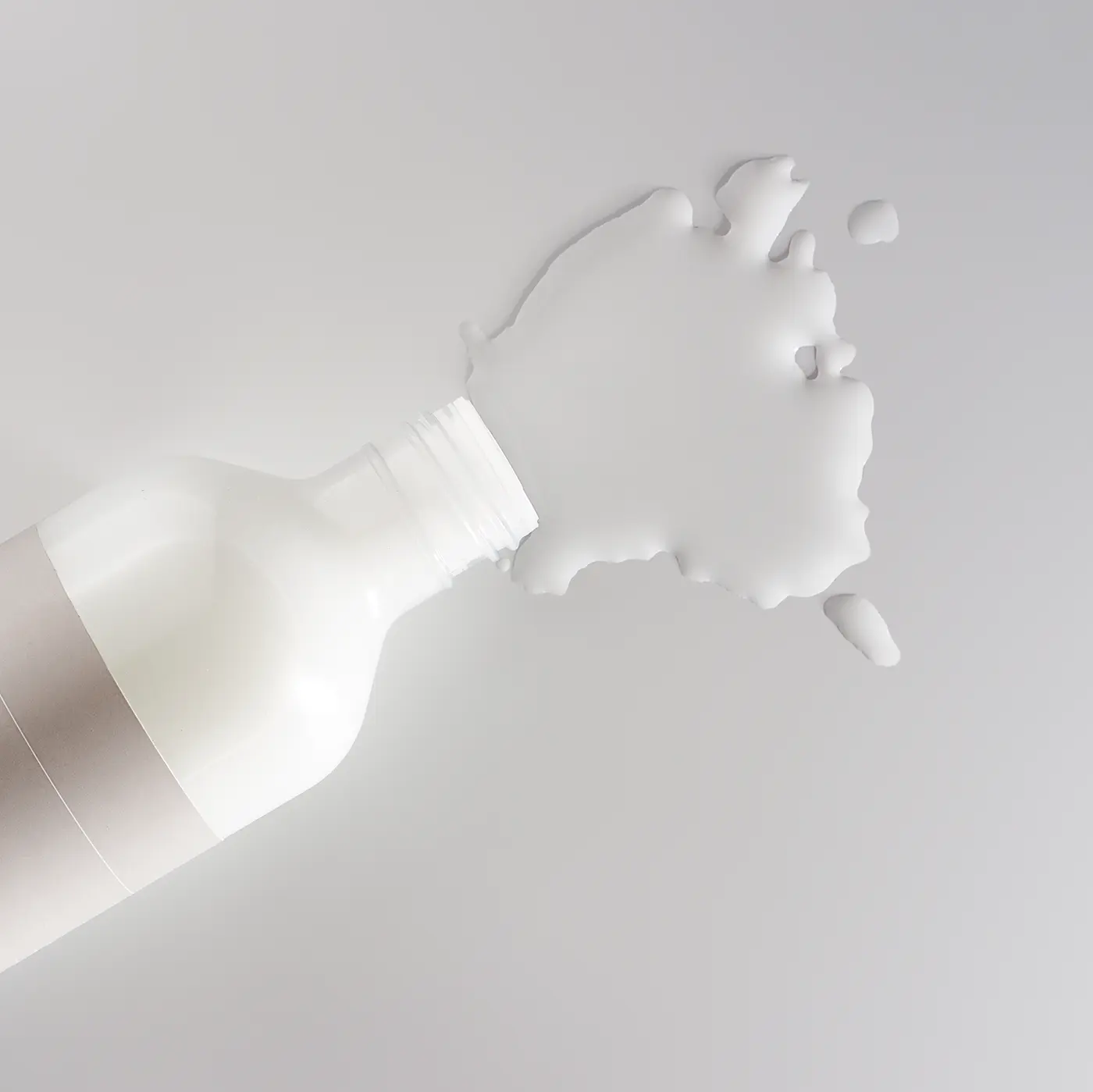
Korean milky toner formulas are showing up everywhere again, from K-Beauty shelves to viral Western launches. Clear, watery toners once dominated the category. The shift back toward milky textures may say less about appearance and more about how skincare is changing its priorities.
Korean Milky Toner Formulas Keep Coming Back
For years, toner had a complicated reputation. Older formulas often focused on removing leftover residue or giving skin a tight, refreshed feeling, and some relied heavily on alcohol.
That made the category less appealing to people with dry or sensitive skin.
Milky formulas take a different approach. They usually have a soft, lotion-like texture and focus more on hydration and comfort. Some also contain ingredients such as ceramides, rice extracts, niacinamide, or soothing botanical extracts.
The goal is not to make skin feel stripped and squeaky-clean, but to keep it hydrated and support the skin barrier.
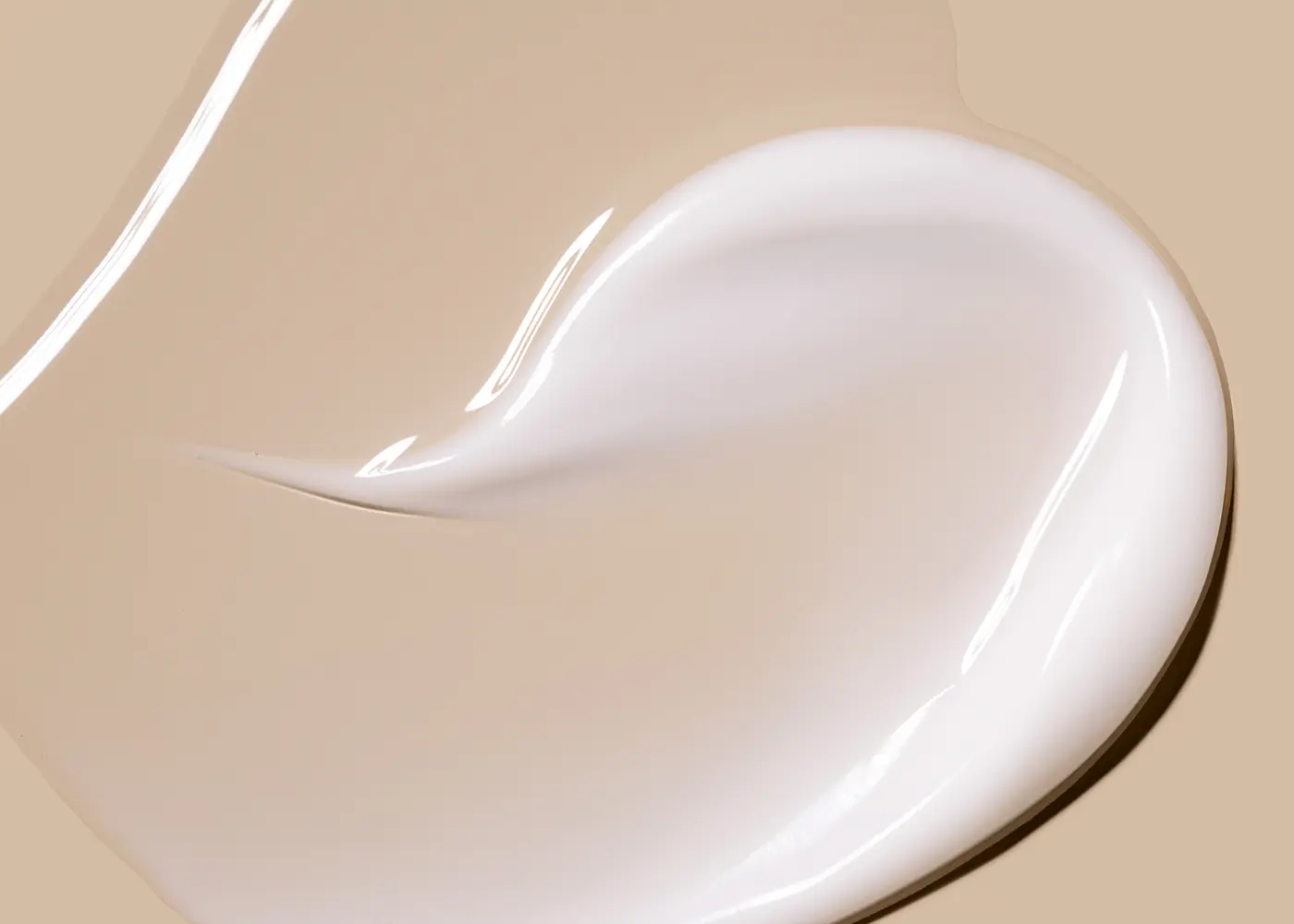
That shift fits neatly with the direction of modern K-Beauty. Korean skincare has long embraced layering and hydration-focused routines, so a lightweight formula that sits somewhere between a toner and a moisturizer feels natural in that context.
Korean Milky Toner Was a K-Beauty Format First
Laneige’s Cream Skin, launched in 2018, is often cited as the format’s starting point. It arrived years before the texture became a talking point in Western beauty media, and it established the basic premise: a toner that behaves like a light moisturizer rather than a prep step.
Other Korean brands have since built on that idea. Anua has become one of the most recognized names in the category among international shoppers, while TirTir and similar labels have pushed milky textures into broader routines.
What these products share is a focus on barrier support and layering rather than immediate, dramatic results.

That approach is exactly what separates a Korean milky toner from the harsher, alcohol-heavy formulas that gave toner its old reputation.
From K-Beauty Staple to Global Skincare Trend
The interesting part is how quickly the format moved beyond Korean skincare. Rhode’s Glazing Milk, Ilia’s The Base Face Milk, and milky formulas from brands such as The Ordinary, Byoma, and Thayers have made the texture familiar to Western consumers.
Vogue noted the category reached mainstream attention in the US around 2023, while 2024 saw a reported 152.9% increase in US Google searches for the term.
The timing makes sense. Beauty consumers have been moving toward simpler routines, dewy finishes, and more attention to the skin barrier. A Korean milky toner fits all three without asking anyone to rethink their routine. It still gets used like a toner, but the texture sits closer to a light essence.
So is this really the return of an old trend? Maybe not. It may be less of a comeback and more of a change in what people expect a toner to do. Instead of a watery step that simply preps the skin, the modern version is expected to contribute something on its own.
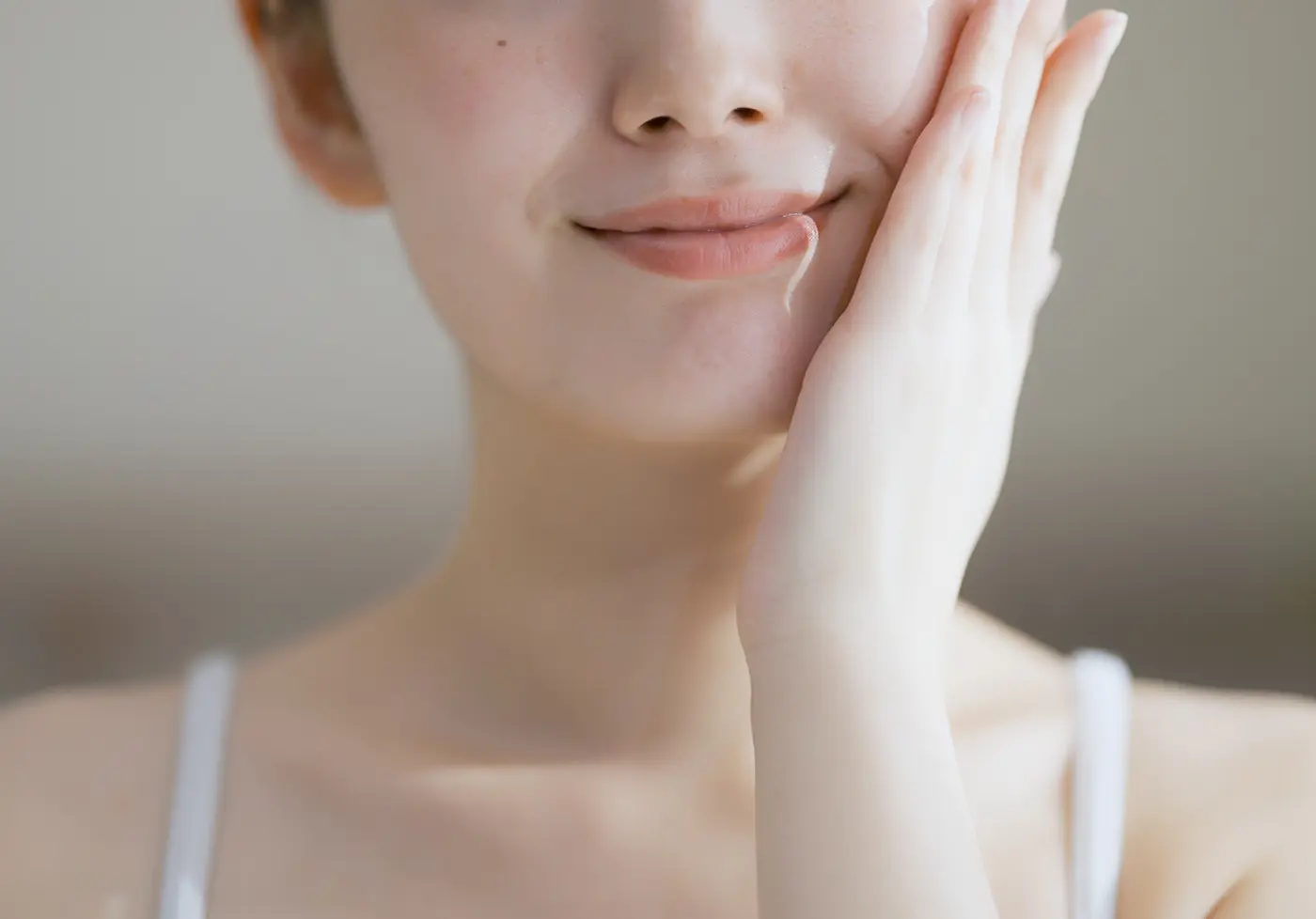
That doesn’t mean clear toners are disappearing. Skin types and routines vary, and a thicker formula isn’t automatically better for everyone.
But if Korean milky toner formulas keep showing up on both K-Beauty shelves and Western beauty counters, the trend suggests one thing: skincare may be moving away from the idea that more steps always mean better skin.