Korean Cafe Has Seasonal Drinks Menu
Korean seasonal drinks change throughout the year, reflecting the country’s love for fresh, seasonal ingredients. From strawberry lattes in spring…

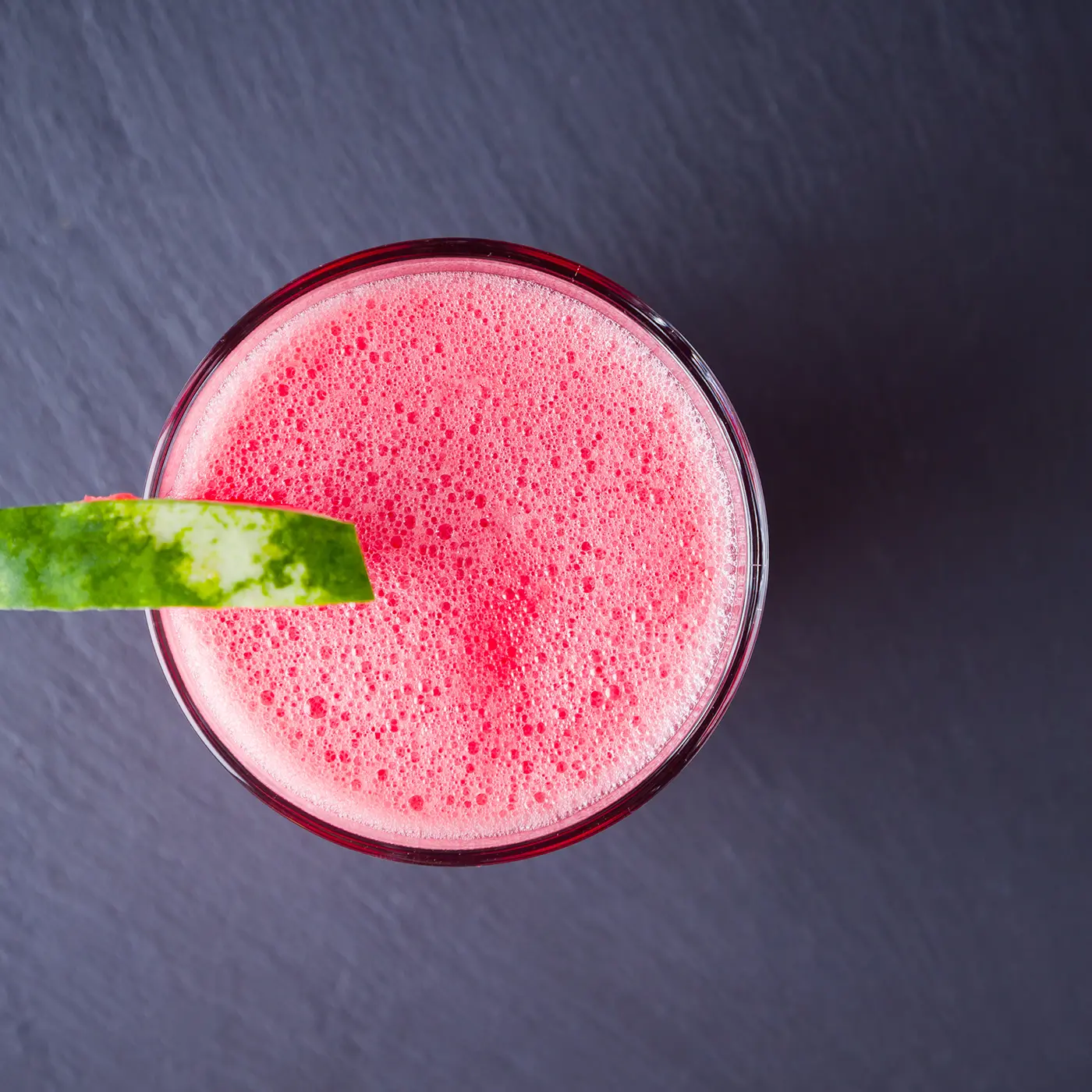
Korean seasonal drinks change throughout the year, reflecting the country’s love for fresh, seasonal ingredients. From strawberry lattes in spring…

Hypochlorous Acid has quickly become one of the most talked-about skincare ingredients. Naturally produced by the human body, it reflects…
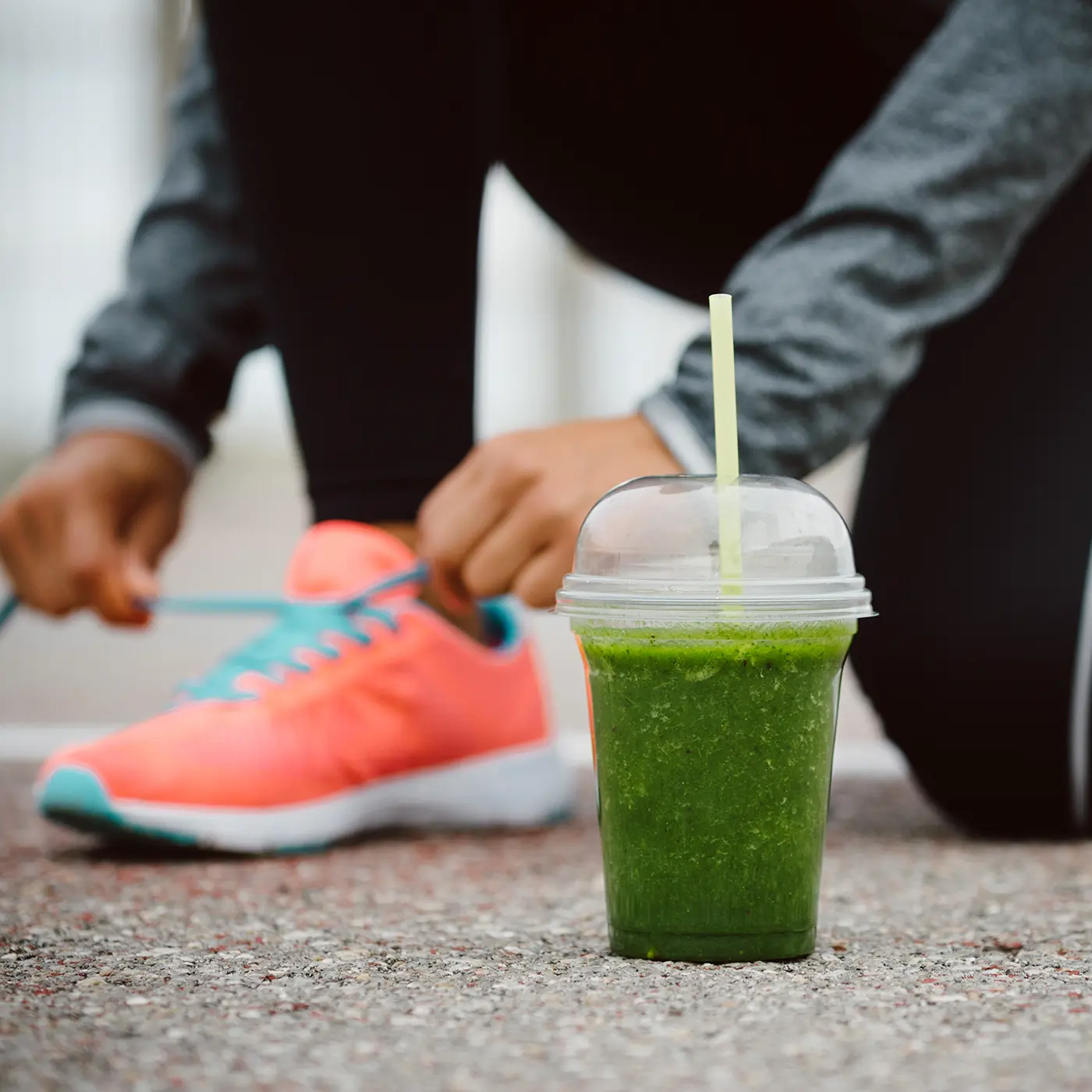
Smoothie culture is returning to Korea in a very different way. After fading behind coffee for years, premium fruit smoothies…

KBO, aka Korean baseball is about much more than the game itself. From player-specific chants to nonstop music and packed…
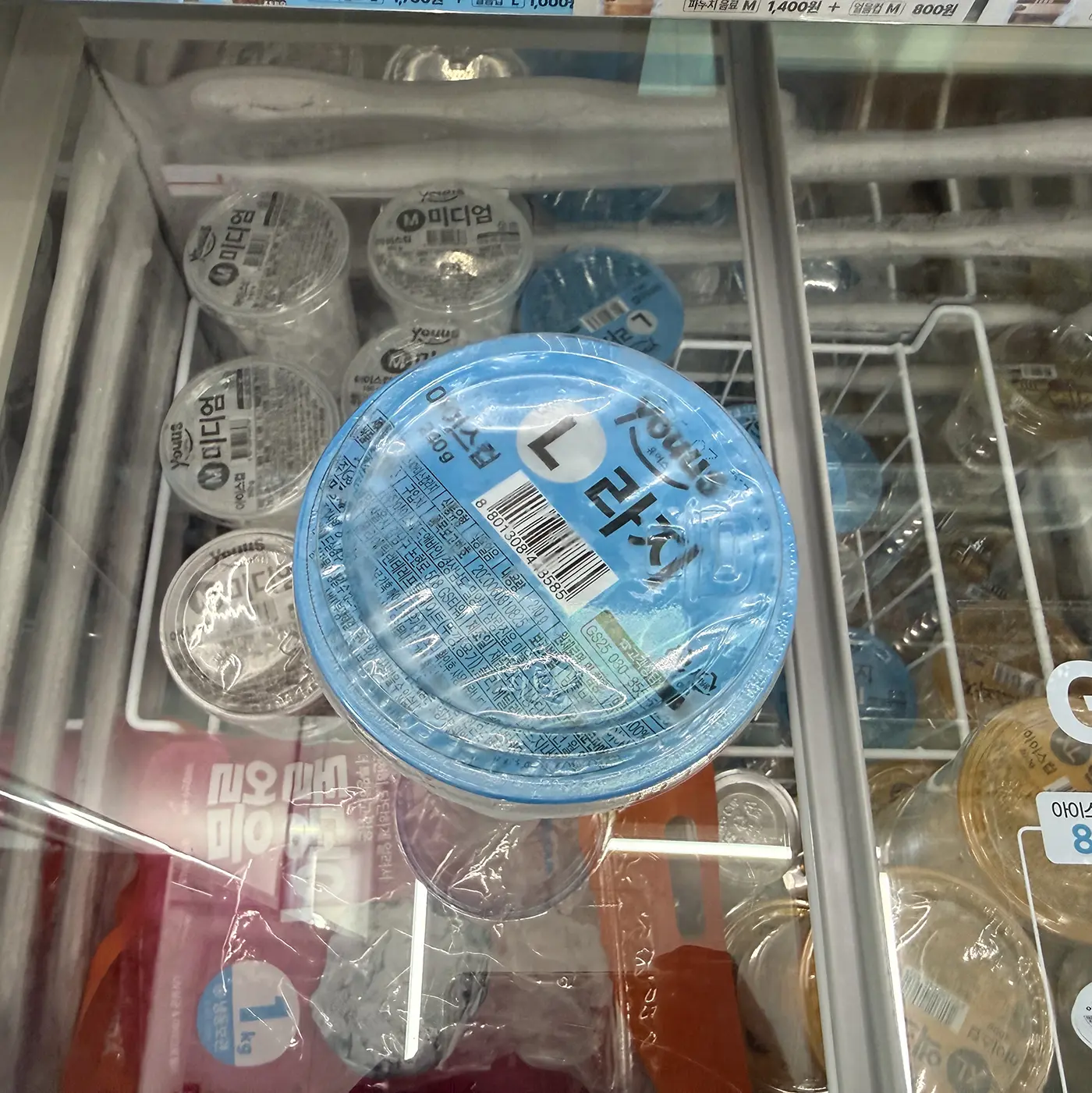
Korean Convenience Store Ice Cups may look like nothing more than a cup of ice, but it’s one of the…

K-Beauty ingredients have evolved from snail mucin and hyaluronic acid to PDRN and next-generation biotechnology. Discover how these breakthrough ingredients…
PDRN has quickly become one of the hottest ingredients in K-Beauty. From skin clinics to everyday skincare products, here’s what…
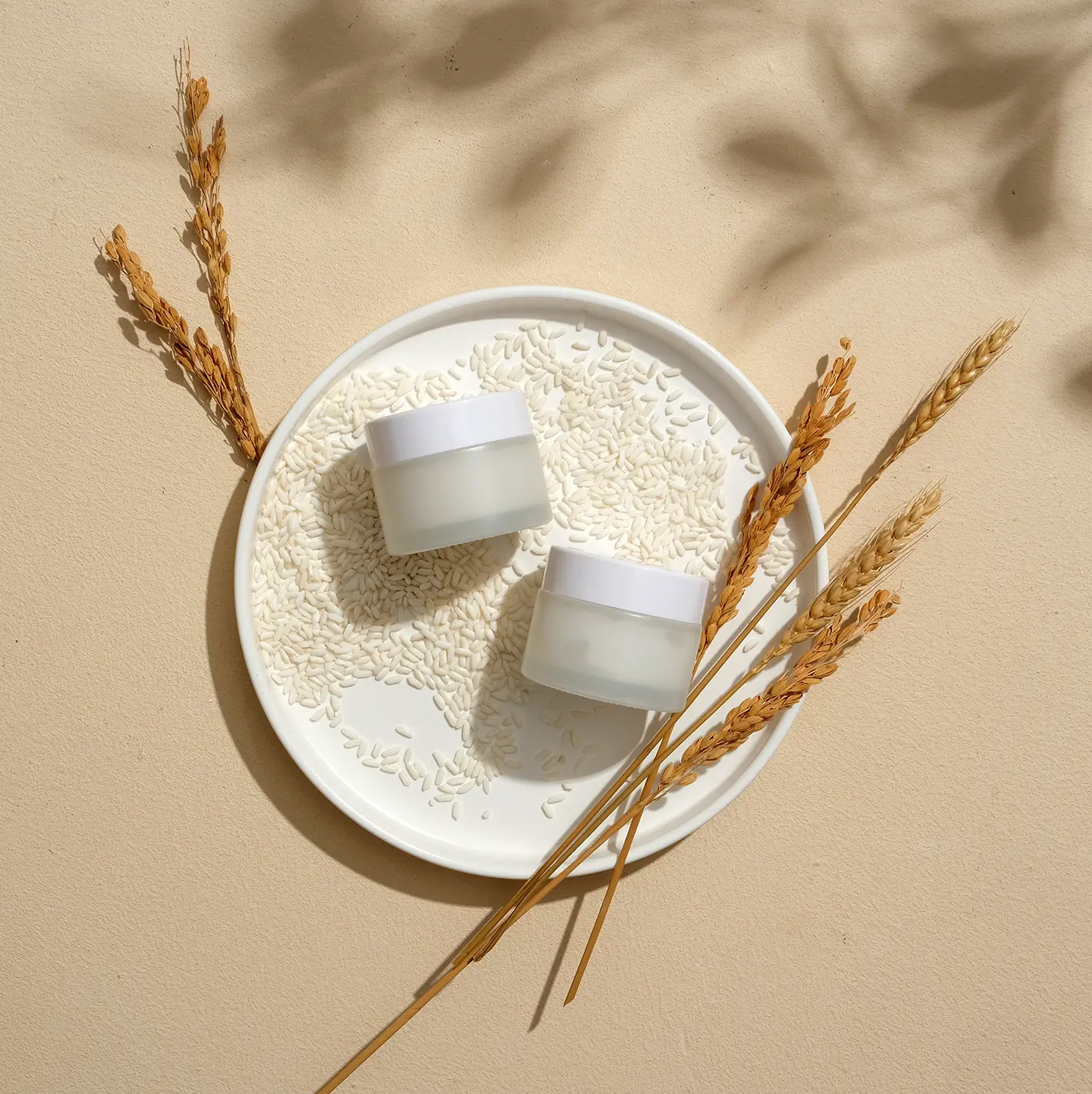
Rice skincare has made a comeback in the K-beauty world. This article talks about the return of rice extract, rice…
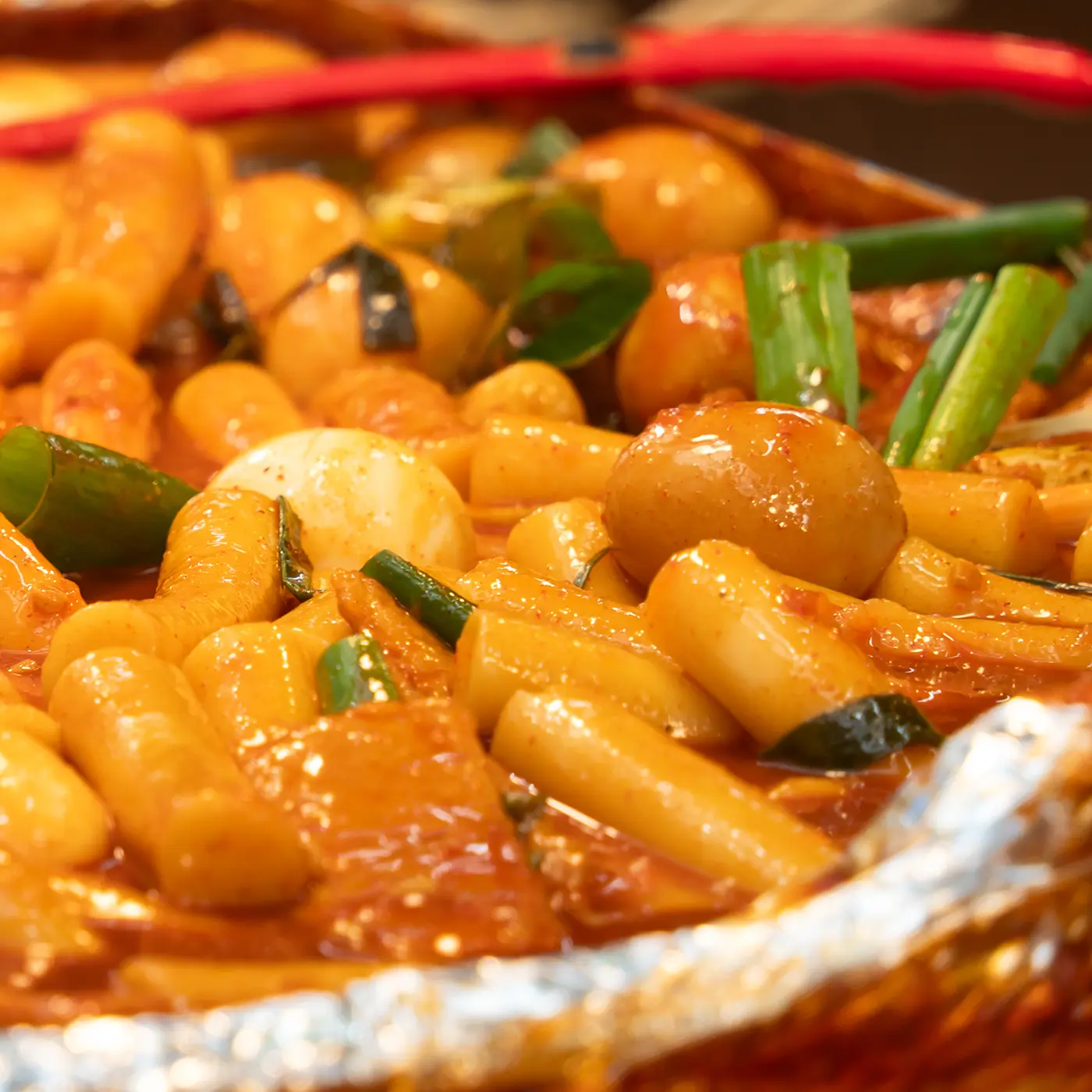
Korean street food is much more than just a convenient snack. From tteokbokki and fish cakes to hotteok and gimbap…
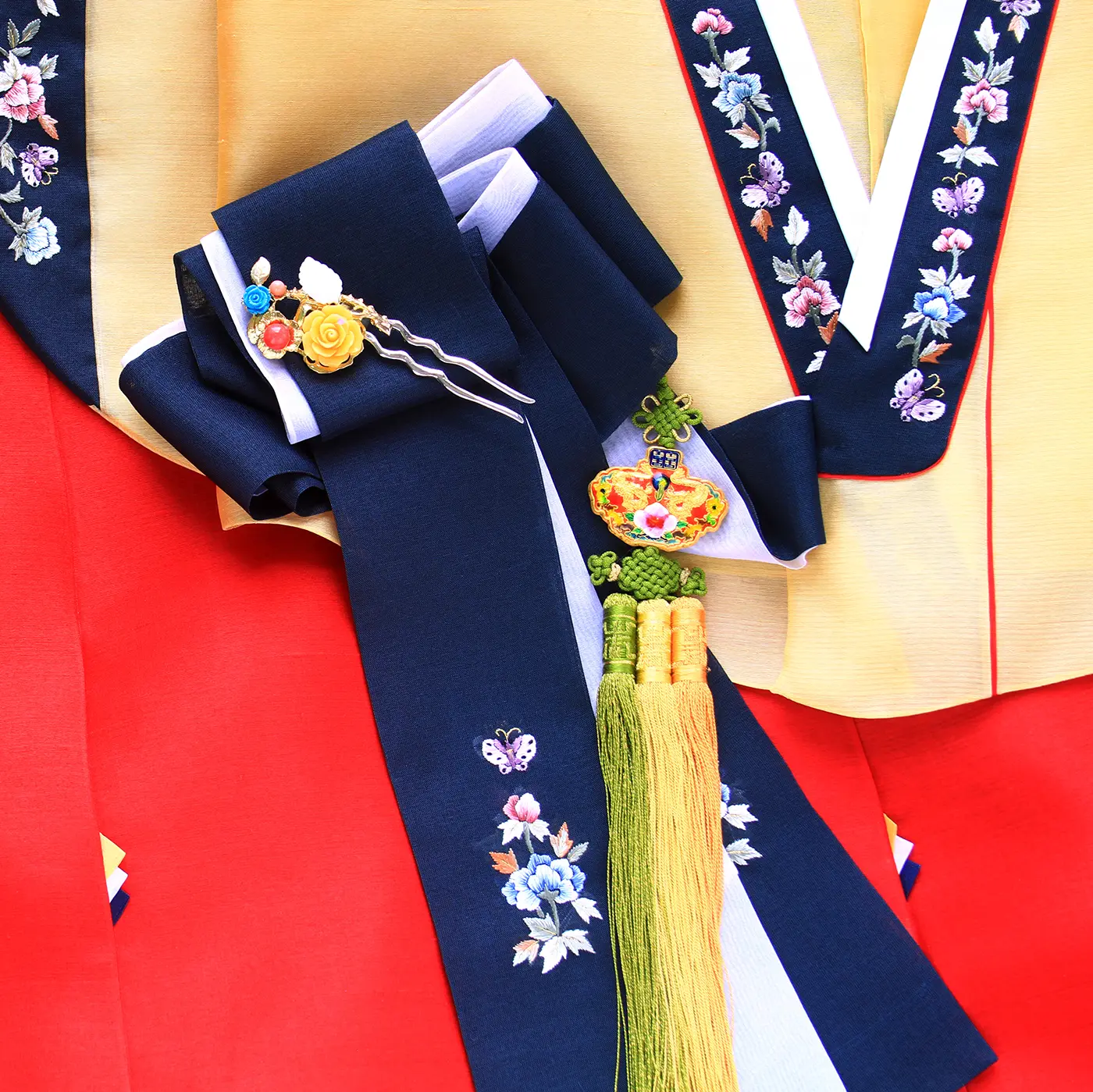
Hanbok meaning goes far deeper than most rental shop signs or Instagram captions let on. Walk around Gyeongbokgung on any…
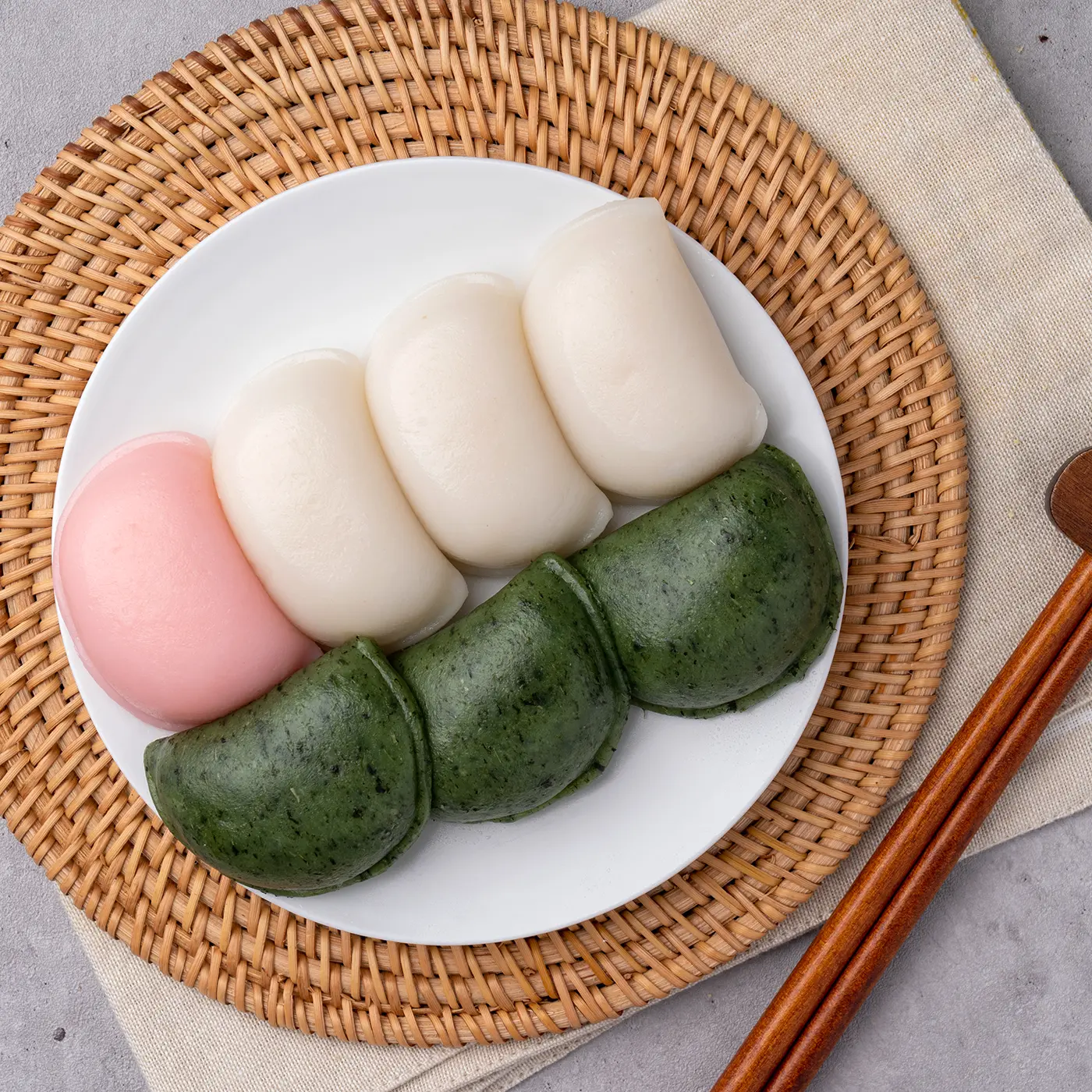
Songpyeon appears on almost every Korean table during Chuseok. These small half-moon rice cakes are steamed over pine needles until…
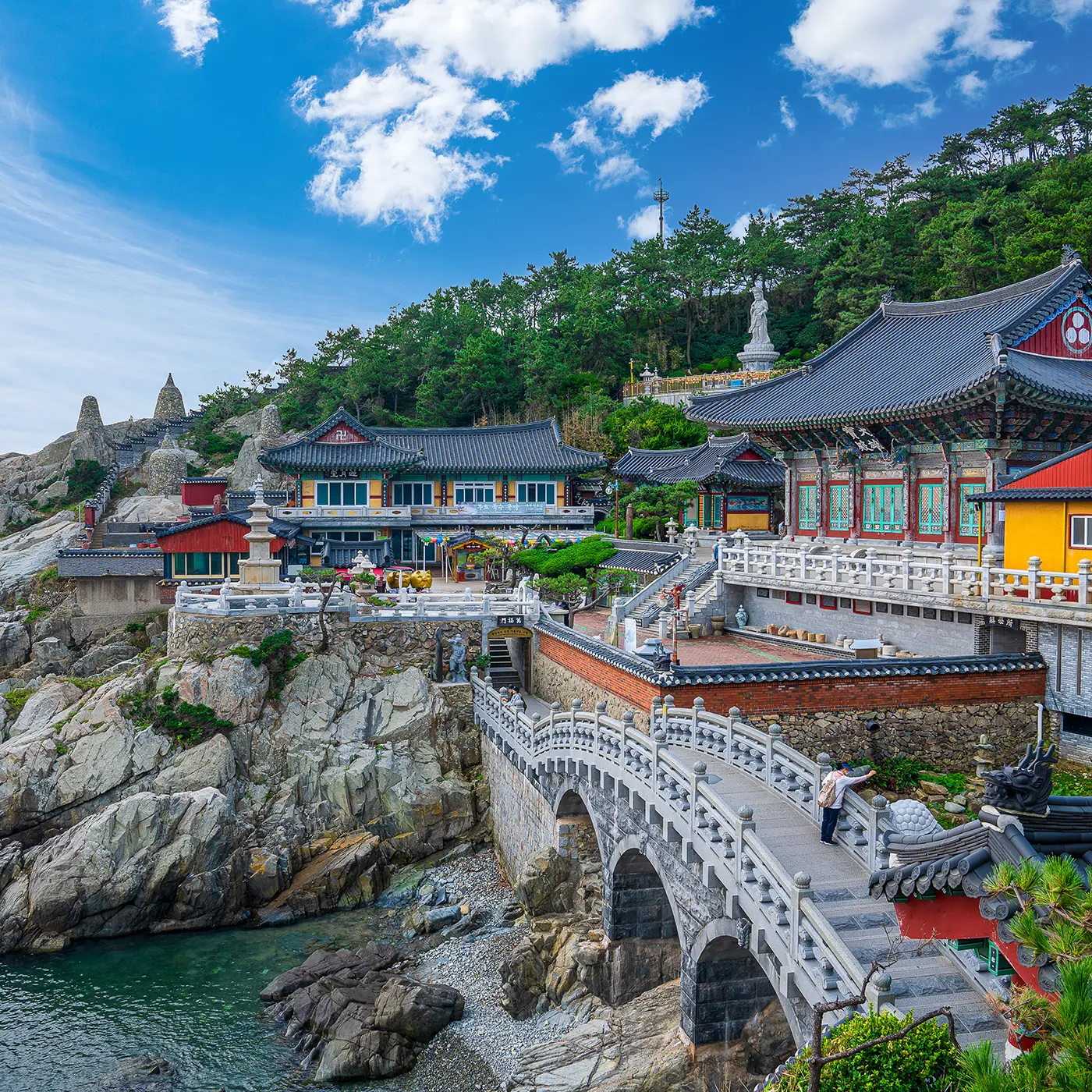
Haedong Yonggungsa is usually photographed as a quiet seaside temple, all cliffs and crashing waves with not another visitor in sight. If you expected that scene, then maybe you’ll be disappointed within the first five minutes. The reality is much louder, more crowded, so better to be prepared. Haedong Yonggungsa Exists Because Someone Broke the Rules Almost every major Buddhist temple in Korea sits deep in the mountains, tucked away from coastlines and crowds. That’s not a coincidence. Traditional temple placement followed strict geomantic principles that favored elevation and seclusion. Haedong Yonggungsa breaks that pattern entirely. Founded in 1376 by the monk Naong, the temple’s location traces back to a story rather than a rulebook. According to the legend, a sea goddess appeared to him in a dream and asked him to build here, directly on the rocky coast facing the East Sea. Whether or not you buy the legend, the result is one of the only oceanside temples in the entire country, and it shows the moment you walk down the stone steps toward the water. The Crowds Are Real, but No One Warns You About Them Here’s the part most guides skip. Because Haedong Yonggungsa looks so striking in photos, it has become one of the most Instagrammed spots in Busan, and that popularity comes with a cost. By midmorning, the narrow stone pathways fill with tour groups, and the calm, contemplative shot you saw online becomes considerably harder to recreate in person. If solitude matters to you, this isn’t a place to visit on a relaxed schedule. Arrive early, or don’t expect the temple to feel like the peaceful escape the pictures promise. When to Actually…