
Songpyeon, The Rice Cake That Once Predicted a Kingdom’s Fall
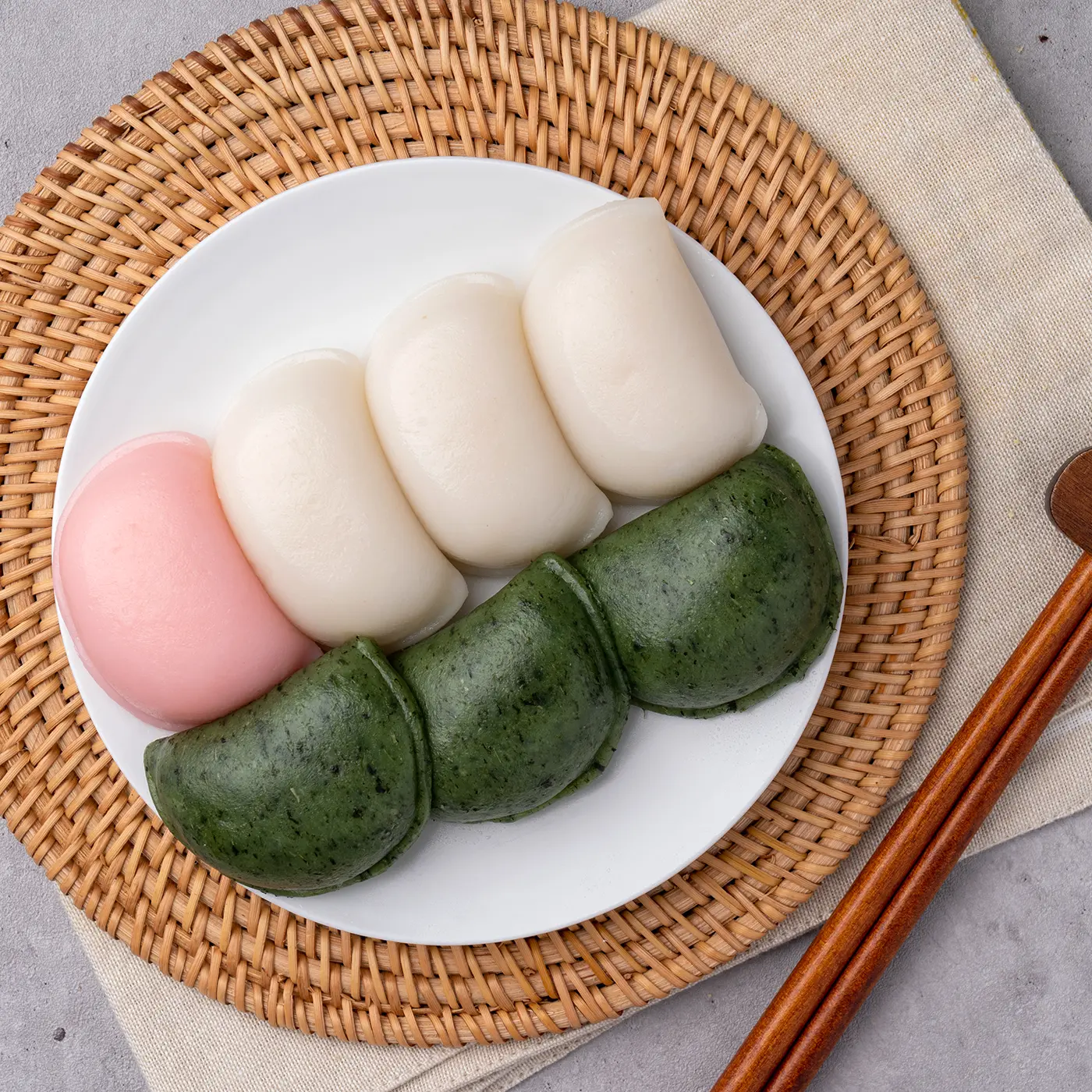
Songpyeon appears on almost every Korean table during Chuseok. These small half-moon rice cakes are steamed over pine needles until the kitchen fills with the scent of a forest.
Most people know they symbolize good fortune, but few know the ancient legend of a turtle, a royal prophecy, and the fall of an entire kingdom that gave Songpyeon its iconic shape.
The Legend Behind Songpyeon’s Half-Moon Shape
The story dates back to 656 CE, near the end of the Baekje Kingdom. According to an old legend, a turtle emerged from the royal palace grounds with a mysterious message carved onto its shell: “Baekje is the full moon. Silla is the half moon.”
Court officials took it as a prophecy. A full moon has already reached its peak and can only begin to fade. A half moon, however, still has room to grow. The message suggested that Baekje had reached the end of its prosperity, while Silla was still rising.
Not long afterward, Baekje fell. Silla eventually unified most of the Korean Peninsula.
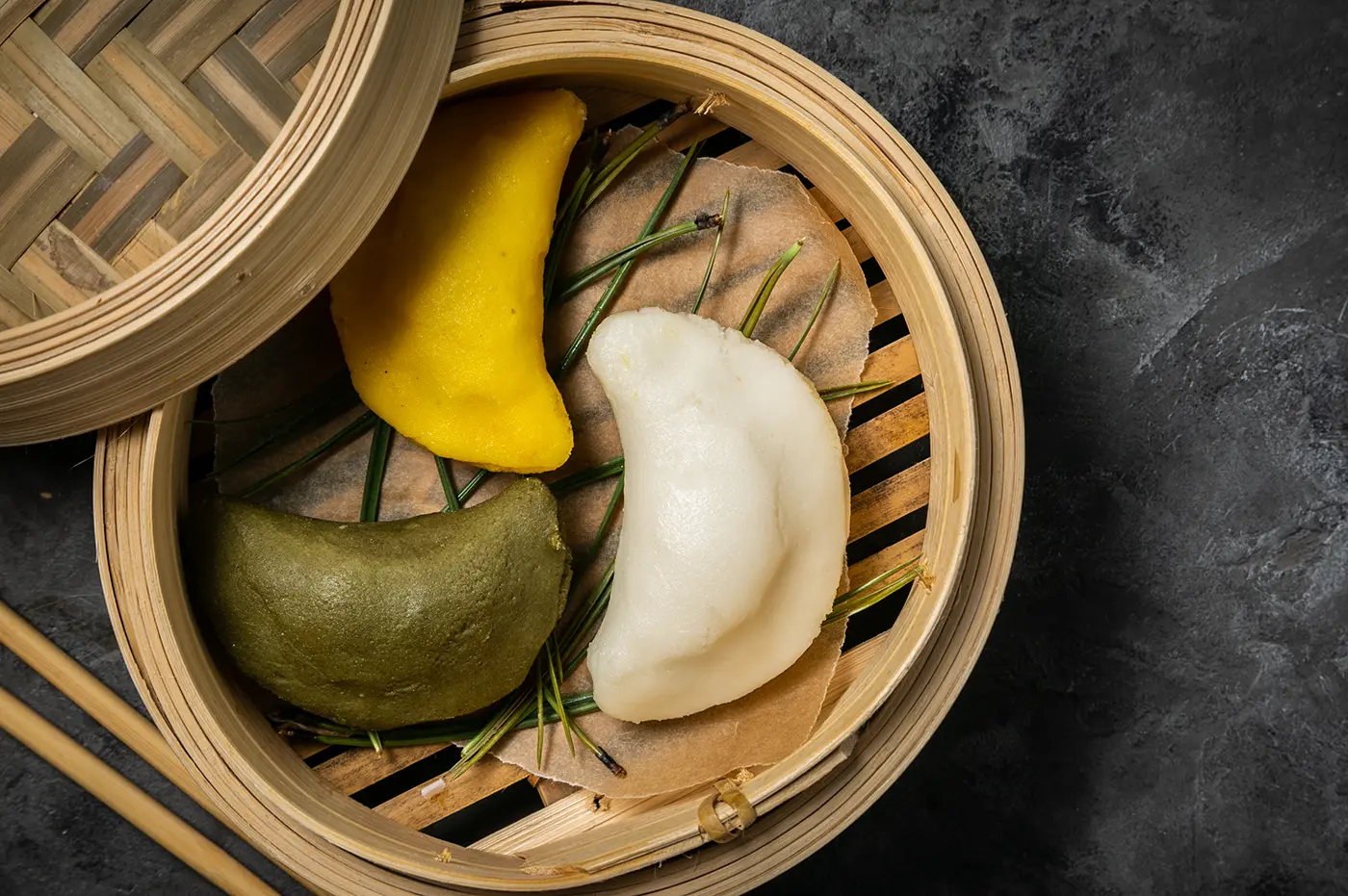
From then on, people began shaping Songpyeon into half moons instead of full circles, believing the unfinished shape represented hope, growth, and a future that had yet to unfold. A full-moon rice cake would have symbolized a fortune that had already reached its highest point.
Why the Shape Still Matters Every Chuseok
Many explanations stop after saying that Songpyeon represents good luck. In reality, the symbolism goes much deeper.
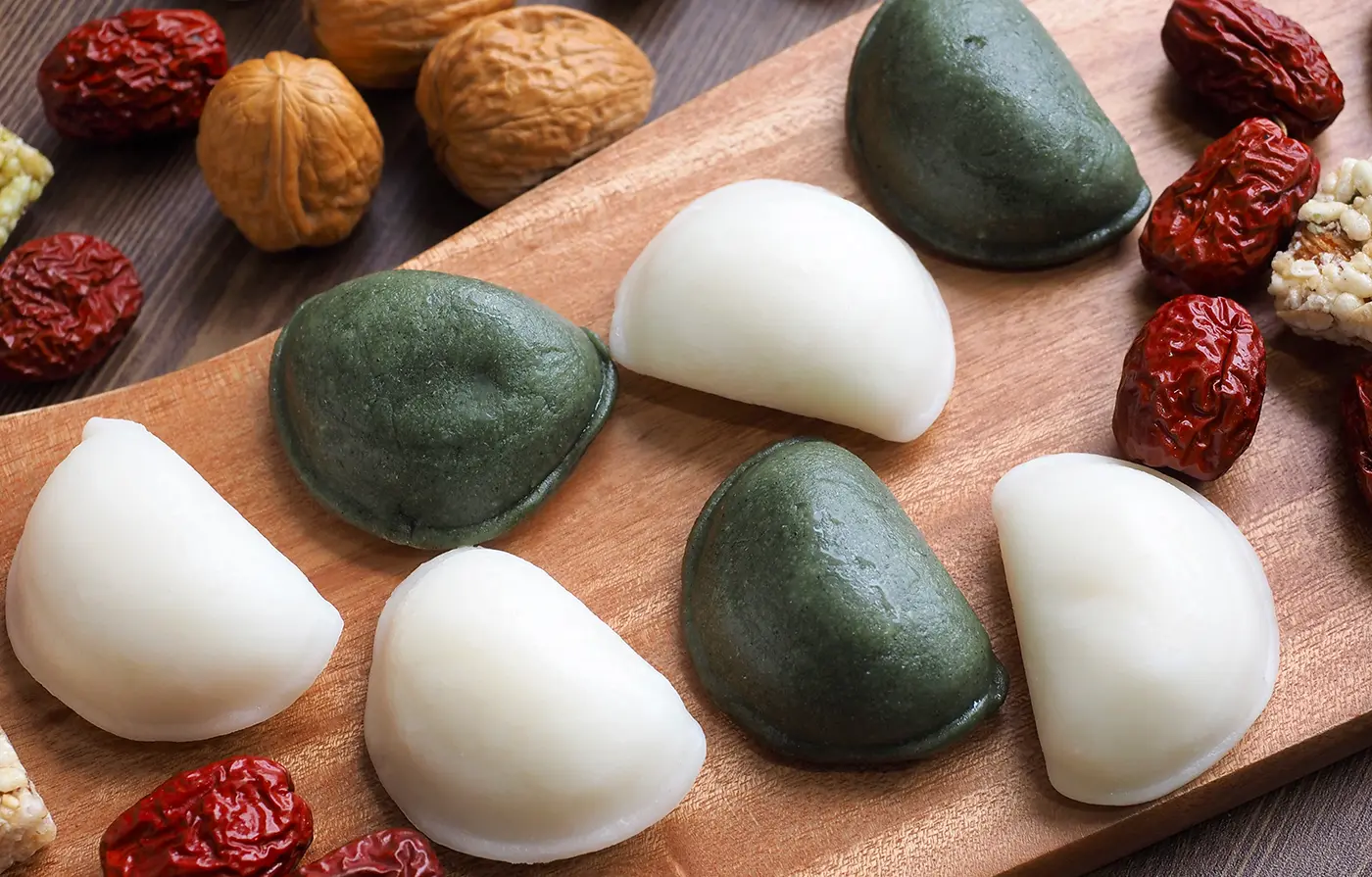
The half-moon shape isn’t simply a beautiful tradition passed down through generations. It intentionally represents possibility rather than completion.
Turning a round piece of dough into a crescent changes the meaning entirely. Instead of celebrating something that is already complete, it reflects the belief that the best things are still ahead.
Families continue this tradition today, often with a smile. There’s an old saying that the person who makes the most beautiful Songpyeon will marry a beautiful spouse or have beautiful children.
Grandparents still examine each rice cake with surprising seriousness, even when everyone knows it’s mostly in good fun.
What Actually Goes Into Songpyeon
Behind the centuries-old legend, Songpyeon is surprisingly simple. It’s made by filling soft rice-flour dough with a sweet filling, shaping it by hand, and steaming it until tender.
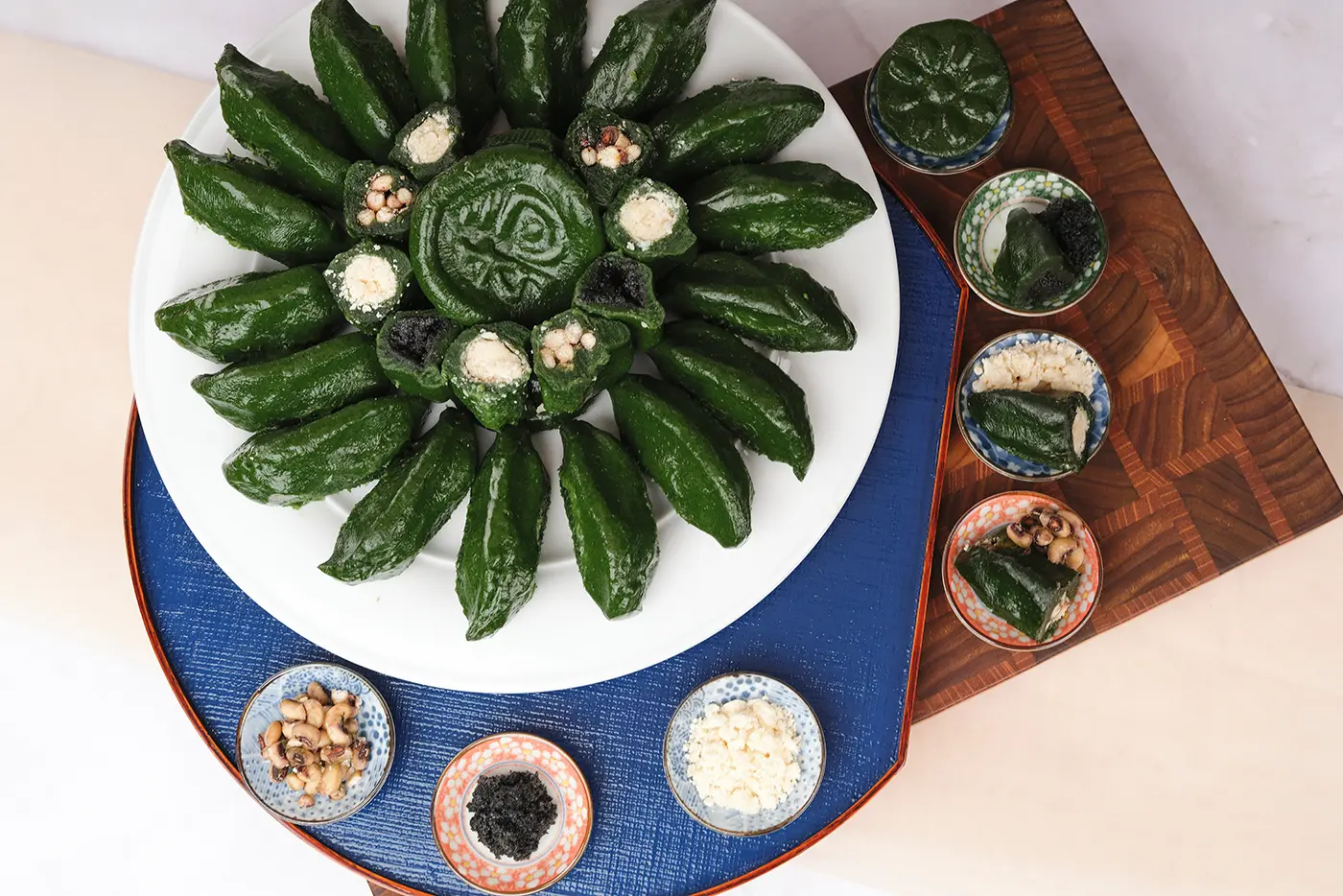
Toasted sesame seeds mixed with honey or sugar remain the classic filling, although red bean paste, chestnuts, and mung beans are equally common in many households.
The pine needles are far more important than they first appear. They don’t simply keep the rice cakes from sticking during steaming. They also release a subtle pine aroma that gently infuses the dough.
That distinctive fragrance is one of the reasons Songpyeon tastes different from other Korean rice cakes enjoyed throughout the year.
More Than a Dessert, a Family Tradition
What makes Songpyeon memorable isn’t just its flavor. It’s the experience of making it together. On the evening before Chuseok, families traditionally gather around the table to knead the dough, prepare the fillings, and shape each rice cake by hand.
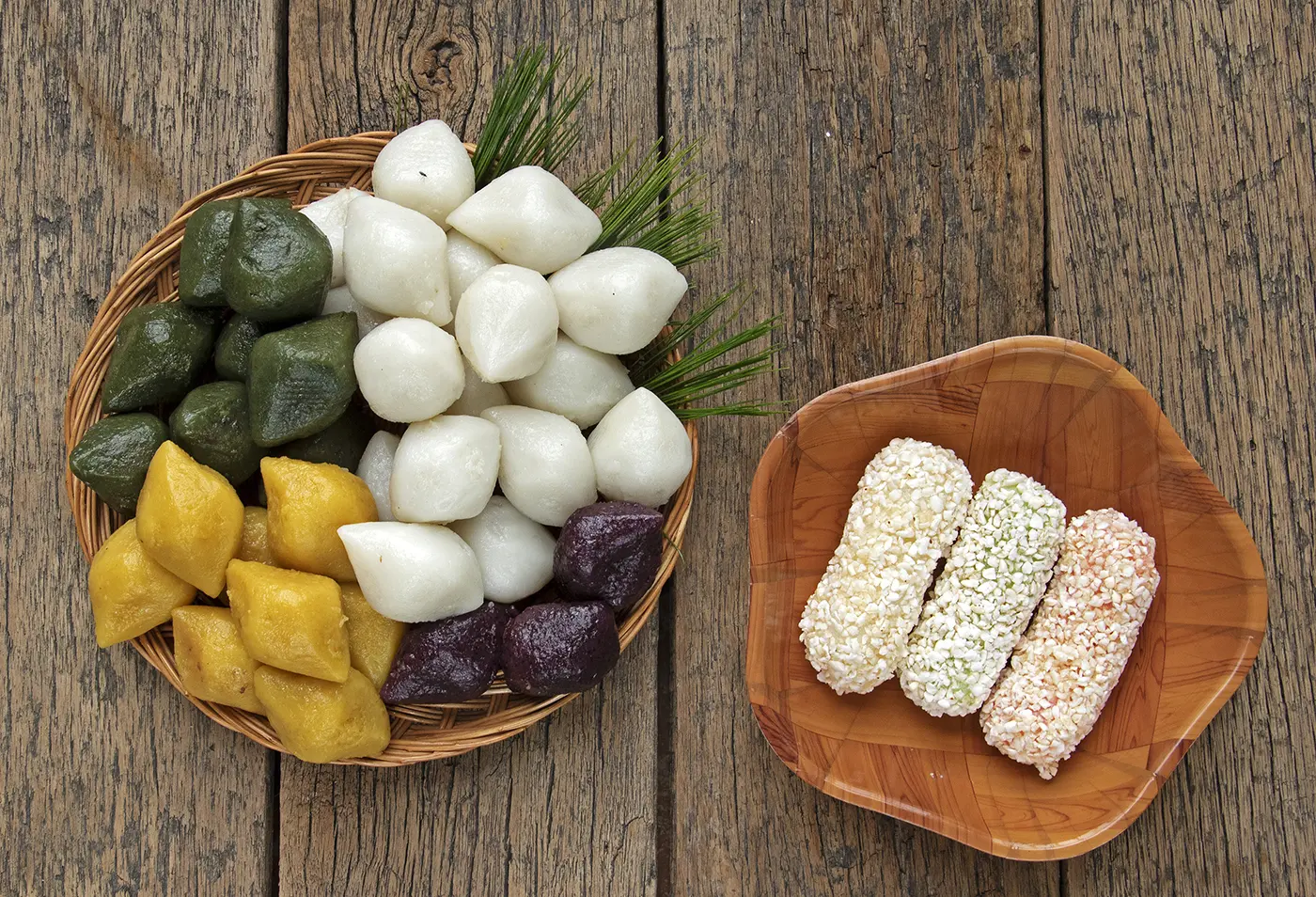
People compare their creations, laugh at uneven shapes, and pass family recipes from one generation to the next. By the time the steaming is finished, the memories made together have become just as meaningful as the food itself.
In many Korean homes, making Songpyeon is less about preparing dessert and more about celebrating family.
Before You Try Songpyeon
If you remember only one thing about Songpyeon, let it be this: what looks like a simple half-moon rice cake carries a story about a kingdom that watched its own future unfold through an ancient prophecy.
The shape on your plate isn’t just decoration. It represents growth, possibility, and the belief that the brightest days are still ahead.