
The K-Beauty Ingredients Trend That Defined the Market
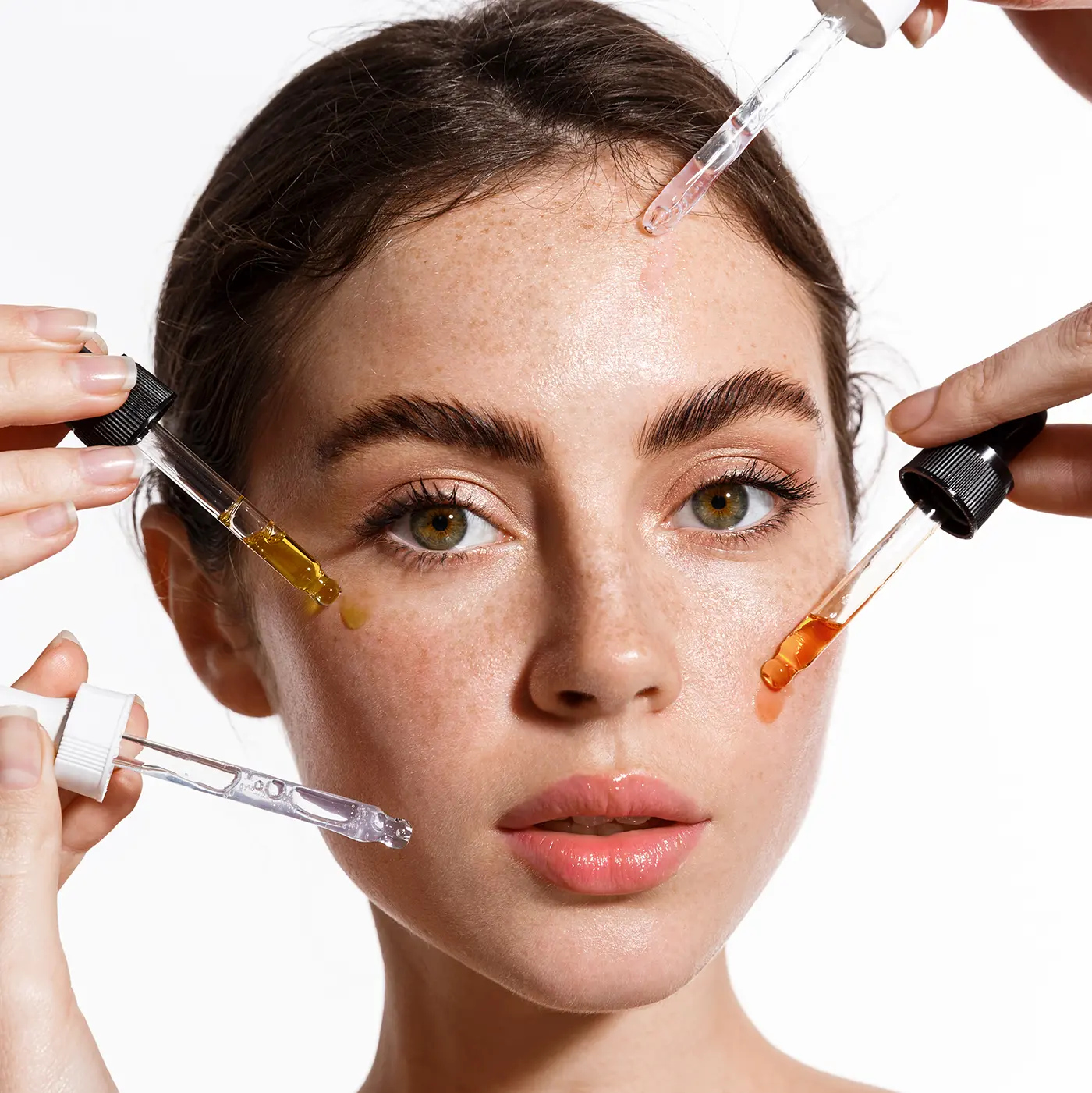
K-Beauty ingredients have evolved from snail mucin and hyaluronic acid to PDRN and next-generation biotechnology. Discover how these breakthrough ingredients shaped Korean skincare and where the industry is headed next.
The History of Popular K-Beauty Ingredients
Few beauty markets are as dynamic as K-Beauty. New skincare products appear in shops every year, promising to solve beauty concerns using the latest technologies.
Since Korea’s cosmetic market is highly competitive, companies try to differentiate themselves by introducing innovative ingredients. However, not all trends stick around for long – only the most promising ones become popular for years to come.
By looking at the list of K-Beautyingredients,
one can see what skincare issues were worrying Koreans and what active ingredients helped them resolve these issues.

Some of the most influential K-Beauty ingredients include:
- Snail Mucin : Known for its moisturizing and skin-repairing properties. Snail mucin helped introduce K-Beauty to consumers around the world during the early 2010s.
- Hyaluronic Acid : Still considered one of the foundations of modern skincare, hyaluronic acid delivers long-lasting hydration and supports healthy-looking skin.
- Propolis : Rich in antioxidants, propolis became popular for giving skin a nourished, radiant appearance while helping soothe dryness.
- Cica (Centella Asiatica) : As skin barrier care became a major trend, Cica established itself as one of the most trusted ingredients for calming sensitive skin.
- Bifida Ferment Lysate : Growing interest in the skin microbiome helped make bifida ferment a favorite ingredient for strengthening the skin barrier.
- PDRN : Originally used in Korean aesthetic clinics. PDRN later expanded into serums, creams, and sheet masks, bringing regenerative skincare into everyday routines.
Seen together, these ingredient trends tell a larger story. K-Beauty ingredients don’t simply follow hype. They evolve to solve the skincare concerns consumers care about most, whether that’s hydration, barrier repair, calming sensitivity, or improving skin elasticity.
The Next Generation of Ingredients in the Korean Skincare Market
Now that Korean skincare ingredients have evolved into quite sophisticated technologies, beauty brands are looking to take their products to a new level.
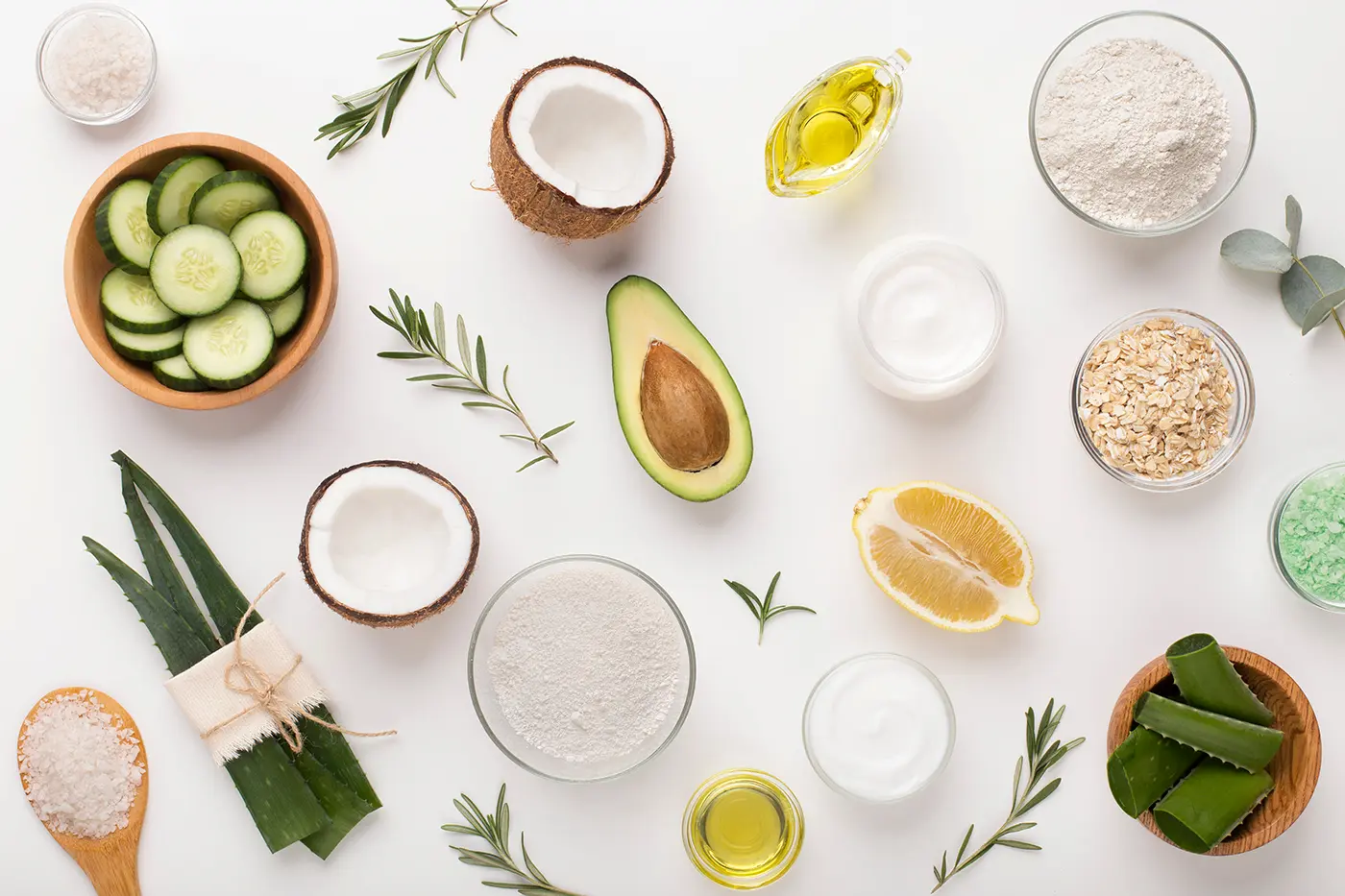
While Korean cosmetics still strive to find new skincare ingredients, the focus is on using biotechnology to enhance the existing active ingredients to make them more efficacious.
Korean skincare brands are developing innovative ways to harness the power of traditional ingredients. As a result, new skincare products are being launched every year that contain cutting-edge skincare ingredients.
Some of the most promising ingredients that are currently at the forefront of Korean cosmetics research are:
- Exosomes : Bio-derived ingredients being studied for their potential role in supporting skin renewal.
- Peptides : Small chains of amino acids that help improve skin firmness and reduce the appearance of fine lines.
- Growth Factor-inspired technologies : Advanced ingredients designed to support healthier-looking skin through biotechnology.
- Advanced Ferments : Next-generation fermented ingredients developed to improve ingredient absorption while supporting the skin barrier.
- DNA-based ingredients such as PDRN : A rapidly growing category that combines regenerative science with daily skincare.
- Deoxysoside : An upcoming proprietary ingredient developed by Seolure. It combines Deoxyribose, which has drawn attention for supporting skin recovery, with Madecassoside, a Centella-derived ingredient widely recognized for soothing irritated skin and strengthening the skin barrier.
Together, the two ingredients aim to deliver regenerative and calming benefits in a single complex, reflecting the industry’s move toward smarter multifunctional formulations.
Interestingly, the rise of new ingredients doesn’t mean older favorites disappear. Instead, today’s skincare products often combine proven ingredients like Hyaluronic Acid, Cica, and PDRN with newer biotechnology-based actives to create more complete formulations.

That ongoing evolution is exactly why K-Beauty ingredients continue to influence skincare trends around the world. Rather than replacing successful ingredients, the industry keeps building on them with better science and more advanced technology.