
Korea’s Present and Future in the Light of K-Culture’s Popularity

With the recent surge in global interest in K-culture, it seems that an increasing number of people want to learn more about Korea. While I feel a sense of pride as a Korean, I also find this phenomenon surprising and wonder whether it is sustainable.
We prepared this article the first piece of content for Kurrent Magazine to assist those curious about what kind of country Korea is, and we hope it effectively conveys Korea’s charm.
What Koreans Actually Think About the Popularity of K-Culture
As a Korean, I am truly amazed by the K-culture craze currently sweeping the globe. It has become a common sight to see foreign tourists humming K-pop songs or visiting filming locations of Korean dramas on the streets.
When I consider the honest sentiments of those around me myself included and Koreans in general regarding this phenomenon observed across various fields, the following thoughts come to mind.
- K-Pop: Pride and a sense of accomplishment
- Dramas/Movies: Affection and gratitude toward foreigners who understand our stories
- Food: Pride in Korean cuisine
- Culture: Gratitude upon seeing others cherish our culture even more than we do
Many Koreans appear to feel a deep sense of gratitude alongside pride regarding the global popularity of “K-culture.” They find joy and thankfulness in the very fact that so many people around the world view our unique culture in a positive light.
The Global Stature of K-Pop: Dominating Billboard Charts
K-pop seems to have become an essential element in any conversation about Korea. In fact, it is regarded as a massive cultural phenomenon that transcends the boundaries of a mere music genre.

While it has become commonplace today for K-pop artists to top Billboard charts and sell out concerts in major cities around the world, this success is fundamentally the fruit of their long-standing efforts and unwavering dedication to creating original music.
Moreover, K-pop’s rise to global prominence is likely not due solely to the high quality of the music itself. A combination of factors—such as flawless performances, active communication with fans, and lyrics that convey social messages has come together to captivate fans around the world.
All of this is the result of preparations made by the artist and their team through long-term planning.
K-pop has firmly established itself as a global leader representing Korean content and remains a core element of K-culture with a bright future.
Korea introduced by “K-Pop Demon Hunters”
Doesn’t the name “K-Pop Demon Hunters” sound quite intriguing? They have established themselves as unique ambassadors, showcasing Korea’s hidden charms to the world through the medium of animation a field that was previously difficult to break into.
I, too, rediscovered Korea through “K-Dae-Heon.” Amidst the mysterious legends preserved in the heart of Seoul—a city teeming with cutting-edge technology and within the tranquil hanok villages tucked away behind the forest of modern skyscrapers, I found myself thinking, “Ah, so that is how it used to be.”
This film enjoyed explosive popularity both at home and abroad by allowing audiences to explore every corner of Korea and discover diverse, previously little-known facets of the country.
K-Pop Demon Hunters may well have been the best guide for introducing international audiences to the unique atmosphere where Korean tradition and modernity blend together. The work demonstrated that Korea possesses not only a glamorous exterior but also profound stories and a mysterious allure.
From Kimchi to Chimaek Korea’s Unique Food Culture
In Korea, food is more than just a means to satisfy hunger; it serves as a vital medium for connecting with others and sharing local culture. From the spicy, refreshing taste of kimchi to the “chimaek” culture pairing crispy fried chicken with cold beer Korean cuisine offers a diverse array of captivating flavors that have captured the interest of people around the world.
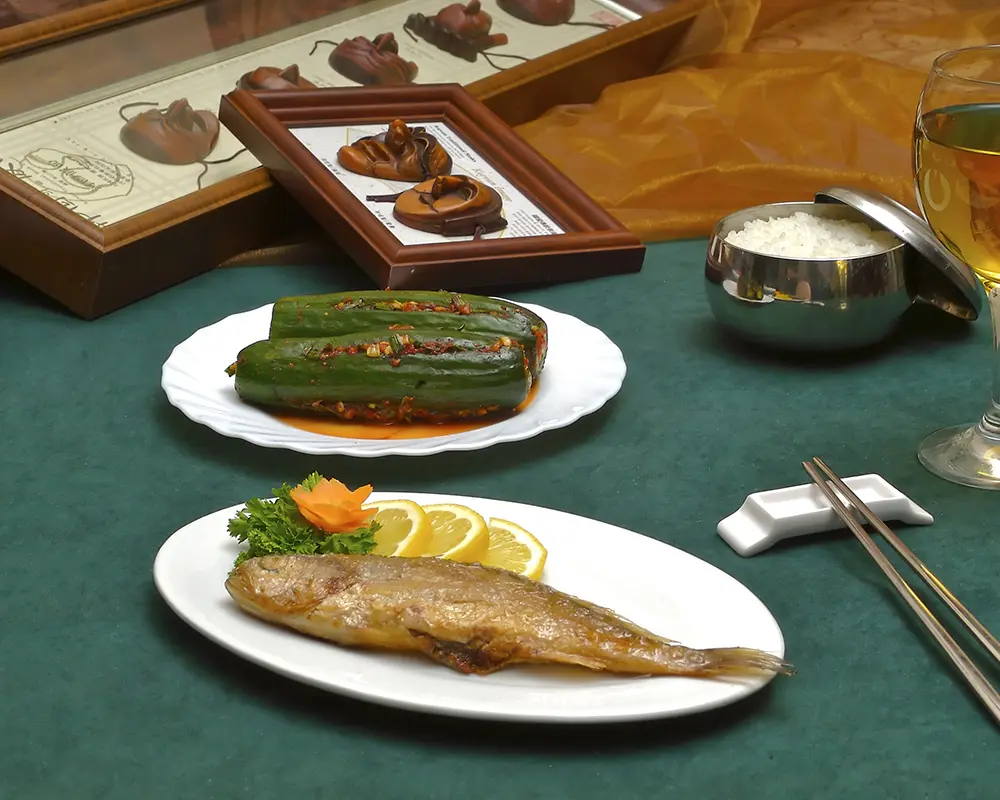
In the past, foreigners were often surprised by the spiciness of kimchi, but once they tasted it, many found themselves unable to resist its addictive appeal.
I, too, find it rewarding to introduce Korean food to my foreign friends and watch them enjoy it. This culture of sharing meals rooted in the deep emotional bond and affection known as jeong plays a vital role in fostering a special sense of connection among Koreans.
Seoul, a city where ancient palaces and the modern world coexist.
Seoul is a truly special city—not only for foreigners but also for Koreans a place that Koreans living in other regions love and long for in their own unique ways.
There is a Korean proverb that says, “Send horses to Jeju Island and people to Hanyang (present-day Seoul).” In other words, Seoul is the heart of Korea and a place that preserves the culture that truly represents the nation.
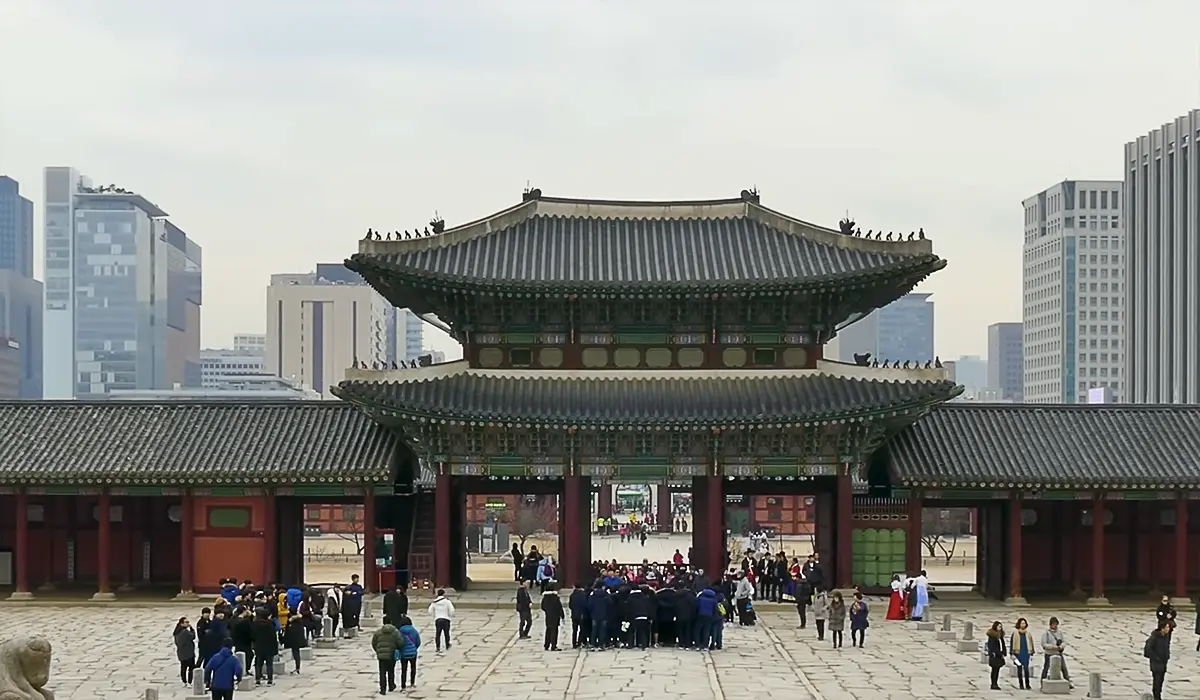
Seoul’s unique landscape, where centuries-old royal palaces blend harmoniously with state-of-the-art skyscrapers, reflects the coexistence of Korea’s past, present, and future.
In fact, many foreigners say that while strolling through historic palaces like Gyeongbokgung or Changdeokgung, they feel as though they have traveled back in time, yet immediately upon visiting the bustling streets of Gangnam, they get the impression of having arrived in a futuristic city.
As such, Seoul is a city where tradition and modernity exist in perfect harmony, offering visitors an unforgettable experience.
I believe that this dual charm of Seoul is one of the factors driving the global popularity of “K-Culture.” Filled with new and diverse attractions at every turn, Seoul is a city where every visitor can discover their own unique appeal.
The Future of Korean Content in the Global Market
As previously discussed, Korea is already exerting immense influence on the global stage, spearheaded by “K-Culture.” The fact that diverse forms of Korean content—including K-pop, dramas, films, and cuisine—are loved by people around the world brings me immense joy and a deep sense of pride.
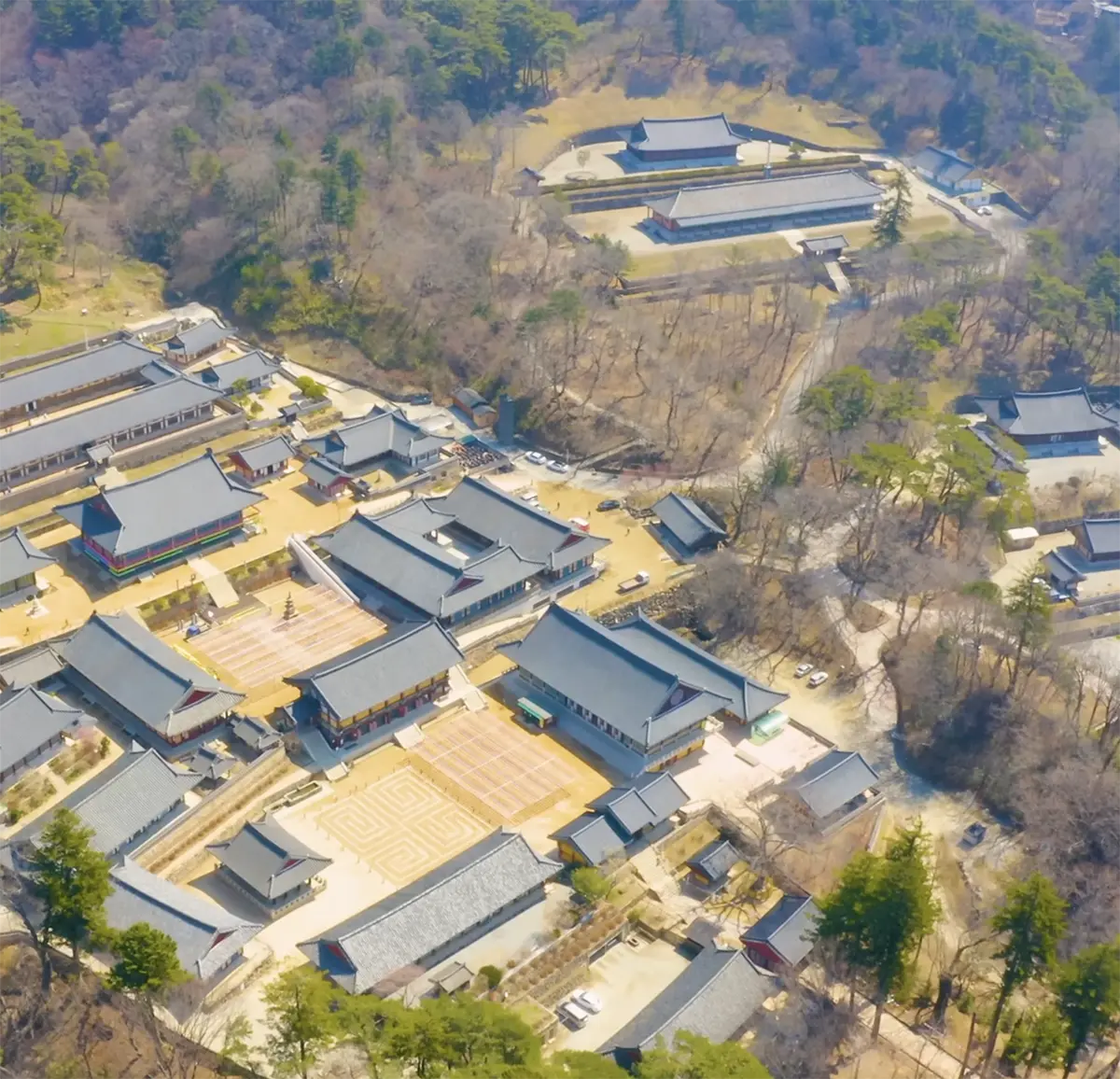
Amidst this ongoing trend, I am very excited to see how much further Korean content will evolve. What I personally find significant is the fact that the unique stories found in Korean content have resonated with audiences around the world.
That is why I believe the future of Korean content is incredibly bright. The true strength of Korean content lies in its ability to constantly experiment with new approaches and traverse diverse genres and themes, thereby capturing the hearts of people around the world.
Through creative and engaging content, Kurrent Magazine aims to establish itself as a trusted media outlet specializing in K-culture by highlighting how Korea moves the hearts of global audiences and positively impacts their lives, while simultaneously commending excellence and pointing out areas for improvement.