
Korean Shoes Are Sized in Millimeters and Nobody Warns You
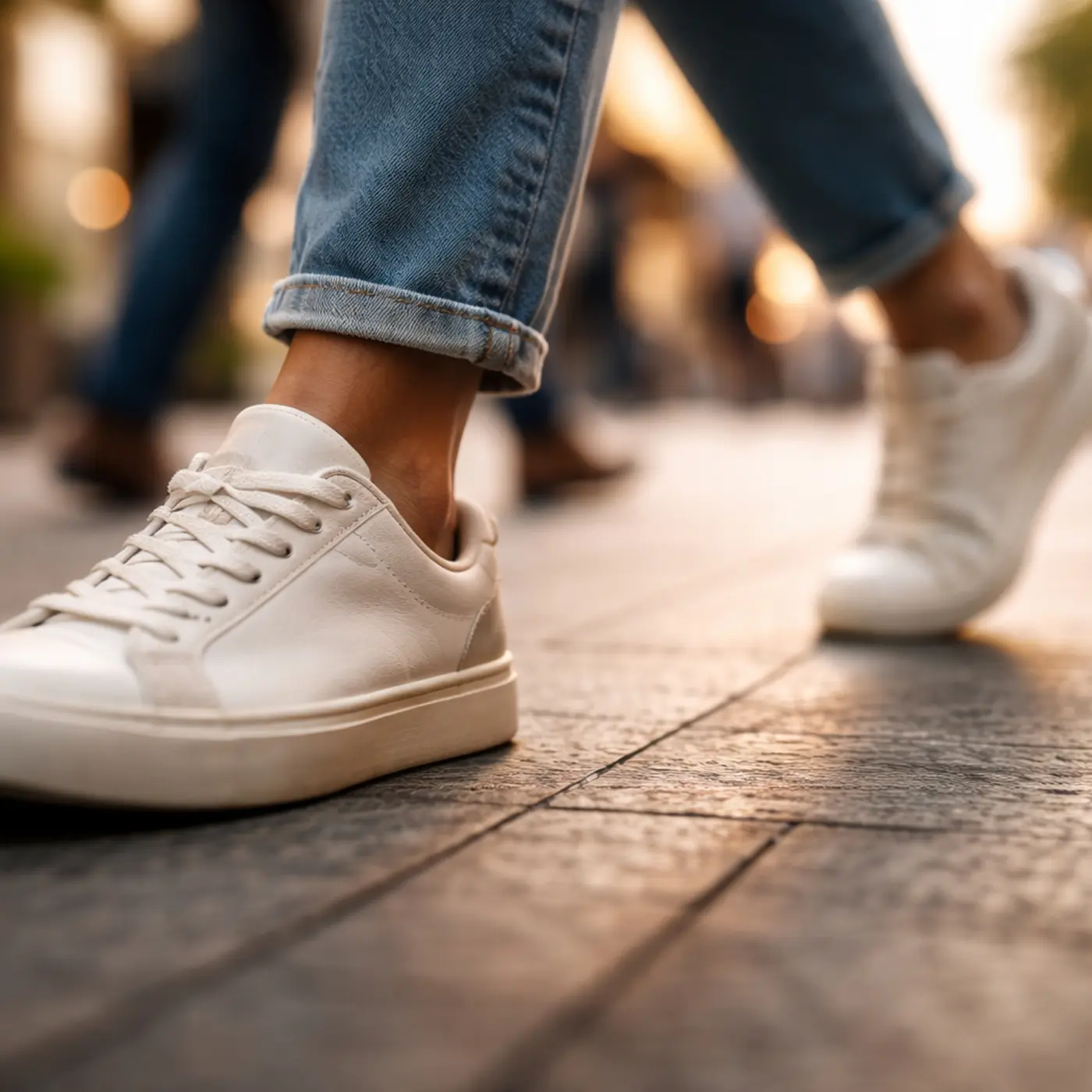
Korean shoes don’t use US or UK sizing. They use millimeters, so a shop assistant will ask what number you wear and expect an answer like 250 or 270. If you don’t know yours, the conversation stalls before it starts.
Korean Shoes Use a Number You Probably Don’t Know Yet
The system measures foot length directly. A 250 means 250 millimeters, roughly 9.8 inches. Sizes move in 5mm increments, so 250, 255, 260, and so on.
Rough conversions: a US women’s 7 is around 240, a US women’s 9 lands near 260. A US men’s 8 is about 260, and a US men’s 10 sits around 280.
Those are approximations, not guarantees, and the variance between brands here is wide enough that you should try before buying.
Korean shoe widths also tend to run narrow. If you have wide feet, sizing up one increment often solves it better than hunting for a wide fitting, which most domestic brands simply don’t offer.
The upside is that millimeter sizing is unambiguous once you know your number. Measure your foot at home, heel to longest toe, and round up to the nearest 5. That number works for Korean shoes in every shop in the country.
Where Korean Shoes Are Actually Bought
Most domestic footwear moves through the same platforms that carry clothing. Musinsa stocks a wide range, and ABC Mart operates as the physical multi-brand chain with locations in nearly every commercial district.
For sneakers, Kasina is the reference point. Founded in 1997 by former pro skater EunHyuk Lee, it helped build the Korean sneaker scene and now runs stores in Apgujeong, Seongsu, and Hannam, with tax refund service for foreign shoppers. Worksout covers similar ground in Itaewon.
Department store basements carry mainstream domestic brands, and outlet malls outside the city hold last-season stock at real discounts.
Which Brands Are Worth Looking At
Fila is Korean-owned, which surprises people who assume it’s still Italian. Fila Korea bought the brand and its global subsidiaries outright in 2007, and the company has been headquartered in Seoul since. It drove the chunky-sneaker wave that took off in 2018 and stayed relevant after.
Prospecs is the older domestic sports brand, built around ergonomics and shock absorption rather than trend cycles. Korean marathon runners default to it, which tells you what it’s actually good at.
MLB Korea borrows American baseball iconography and rebuilds it for Korean street style, mostly thick soles and bold logos. Discovery Expedition works the outdoor-inspired end of the same casual market.
At the design-led end, Suecomma Bonnie and Yuul Yie do women’s footwear that shows up in fashion editorial rather than sneaker forums. For budget shopping, Shoopen and Sappun are the mass-market chains.
For dress shoes and leather goods, small workshops around Seongsu and Euljiro do made-to-order work at prices well below European equivalents, though lead times run several weeks.
Kkotsin and Jipsin Still Exist
If you searched Korean shoes expecting something historical, that world hasn’t disappeared entirely.
Kkotsin, embroidered silk shoes with upturned toes, were worn with hanbok and are still made by a small number of craftspeople. Insadong and the streets around Bukchon carry them, mostly aimed at visitors, though a handful of workshops still produce them properly rather than as souvenirs.
Jipsin, woven straw sandals, appear mainly in museums and cultural demonstrations now. They’re worth seeing if you’re already at a folk village, but nobody’s wearing them.
Hanbok rental shops near the palaces typically include shoes with the rental, which is the easiest way to see how the whole outfit works together without buying anything.
What to Know Before You Buy Korean Shoes
Shoe shops here generally don’t do returns on worn footwear, and some don’t do returns at all. Try both shoes, walk around properly, and decide in the store.
Smaller boutiques often carry limited size runs, especially at the upper and lower ends. If you wear above 280 or below 225, your options narrow considerably, and the larger chains become the realistic place to look.
One habit worth adopting: Korean homes and many restaurants require removing shoes, which means you’ll be taking them off and putting them back on more often than you’re used to. Slip-ons and low-effort closures make a genuine difference to how a day in Seoul actually feels.