
Temple Stay Korea Was Invented for the World Cup
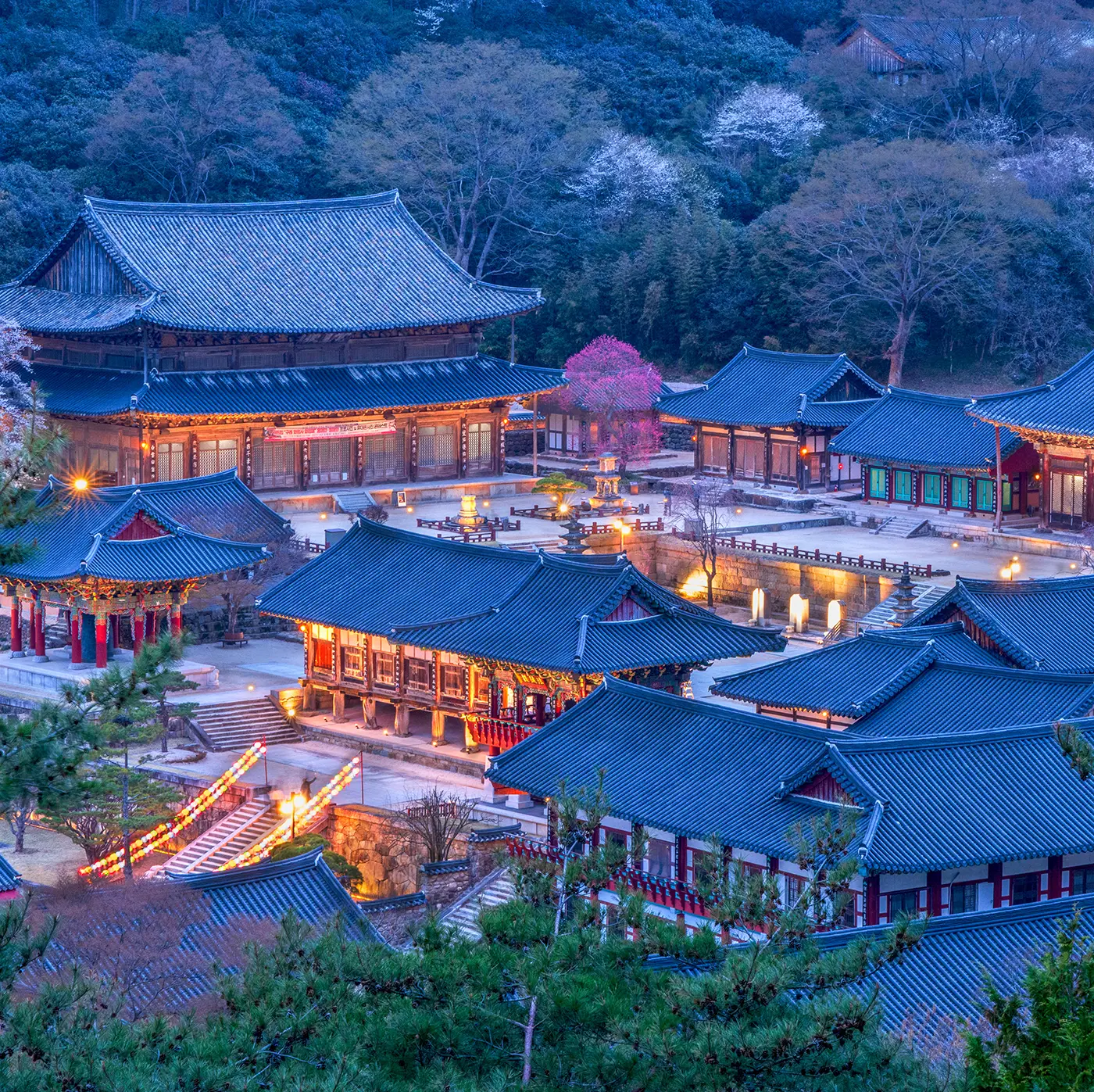
Temple Stay Korea gets presented as a window into 1,700 years of Buddhist practice, which is half true. The temples are ancient. The program letting you sleep in one dates to 2002.
Temple Stay Korea Is Younger Than the Buildings
The Jogye Order opened temple gates to visitors during the 2002 Korea-Japan World Cup, framing it as a cultural counterpart to the tournament rather than a religious initiative.
Coverage from CNN, the New York Times, the BBC, and NHK during that month gave the program international visibility it wouldn’t otherwise have had, and it became permanent afterward.
The temples themselves preserve genuine monastic routine, and what visitors experience isn’t staged. But the origin explains why Temple Stay Korea is far more accommodating to outsiders than a religious retreat would normally be.
It was built for them from the start. You don’t need to be Buddhist, and nobody will ask.
There Are Two Types and Most People Pick Wrong
This is the distinction that determines whether you enjoy it.
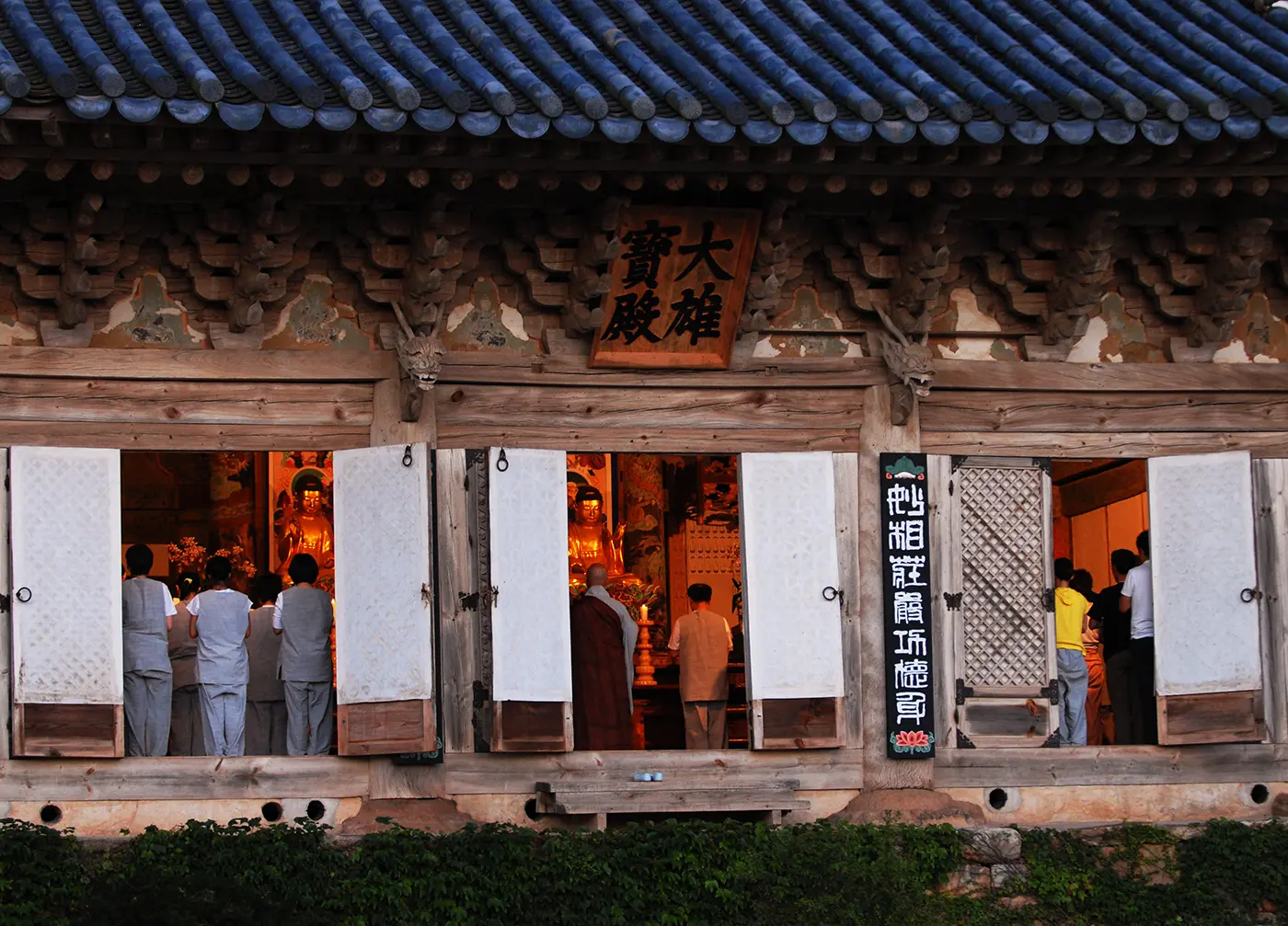
Experience-oriented programs run a full schedule. Seon meditation, 108 prostrations, communal work, formal monastic meals, morning ceremony before dawn. You participate in everything.
Relaxation-oriented programs give you the room, the meals, and the grounds, then leave you alone. Some structure exists but participation is optional.
People book the experience version because it sounds more authentic, then discover at 4am that they wanted the other one. Neither is wrong. Decide honestly which you actually want before booking.
What Temple Stay Korea Costs
Standard adult rates run 60,000 to 120,000 won per night depending on the temple and program format, with most landing between 70,000 and 100,000.
Specialized programs sit at the upper end. Golgulsa’s Special Weekend Templestay was listed at 120,000 won per adult as of July 2026, covering orientation, Seonmudo martial arts training, 108 prostrations, meals, and morning chanting.
Robes are provided. Meals are included and all vegetarian. What you’re paying for is accommodation, food, and program time, which makes Temple Stay Korea cheaper than most hotels before you count what’s included.
Booking Temple Stay Korea Is Easier Than You’d Think
Around 140 temples run programs year-round, and standard bookings are usually available with reasonable notice. This isn’t a lottery.
The qualifications are seasonal and geographic. Temples near Seoul and the well-known mountain temples fill faster, and peak periods around May, June, and October tighten considerably.
One to two months ahead is the safe window for those. Weekday stays at regional temples can often be arranged much closer to the date.
The exception is the discount programs, and they’re worth knowing about. In May 2026 the Cultural Corps of Korean Buddhism ran 30,000-won stays across roughly 120 temples as part of a national tourism campaign.
A September round offered the same rate to foreign visitors at 19 temples including Jogyesa, Hwagyesa, Haeinsa, and Tongdosa. Both filled quickly, with metro-area temples going within minutes of opening.
These aren’t announced far ahead. Checking eng.templestay.com periodically is the only reliable way to catch one, and if you do, be at your screen when reservations open.
Cancellation terms are more forgiving than the booking pressure suggests. The general pattern is a full refund three days out, 50 percent at one to two days, and nothing on the day itself, though this varies by temple.
What the Schedule Actually Feels Like
Check-in usually falls in the early afternoon. Dinner comes early, lights out is early, and the morning ceremony starts before sunrise.
The 108 prostrations are harder than they sound. It’s a full bow to the floor and back up, repeated 108 times, and most first-timers feel it in their legs the following day. Nobody is checking whether you complete them.
Balwoo gongyang, the formal monastic meal, involves a specific sequence of bowls and finishing everything you take. Temples accommodate dietary restrictions if you flag them at booking, and all food is vegetarian by default.
If sitting cross-legged is difficult, say so. Temples provide benches and cushions, and sitting in a chair is acceptable. The instruction most monks give is comfortable alertness rather than any particular posture.