
Suwon Hwaseong Fortress Was Built by a Grieving Son
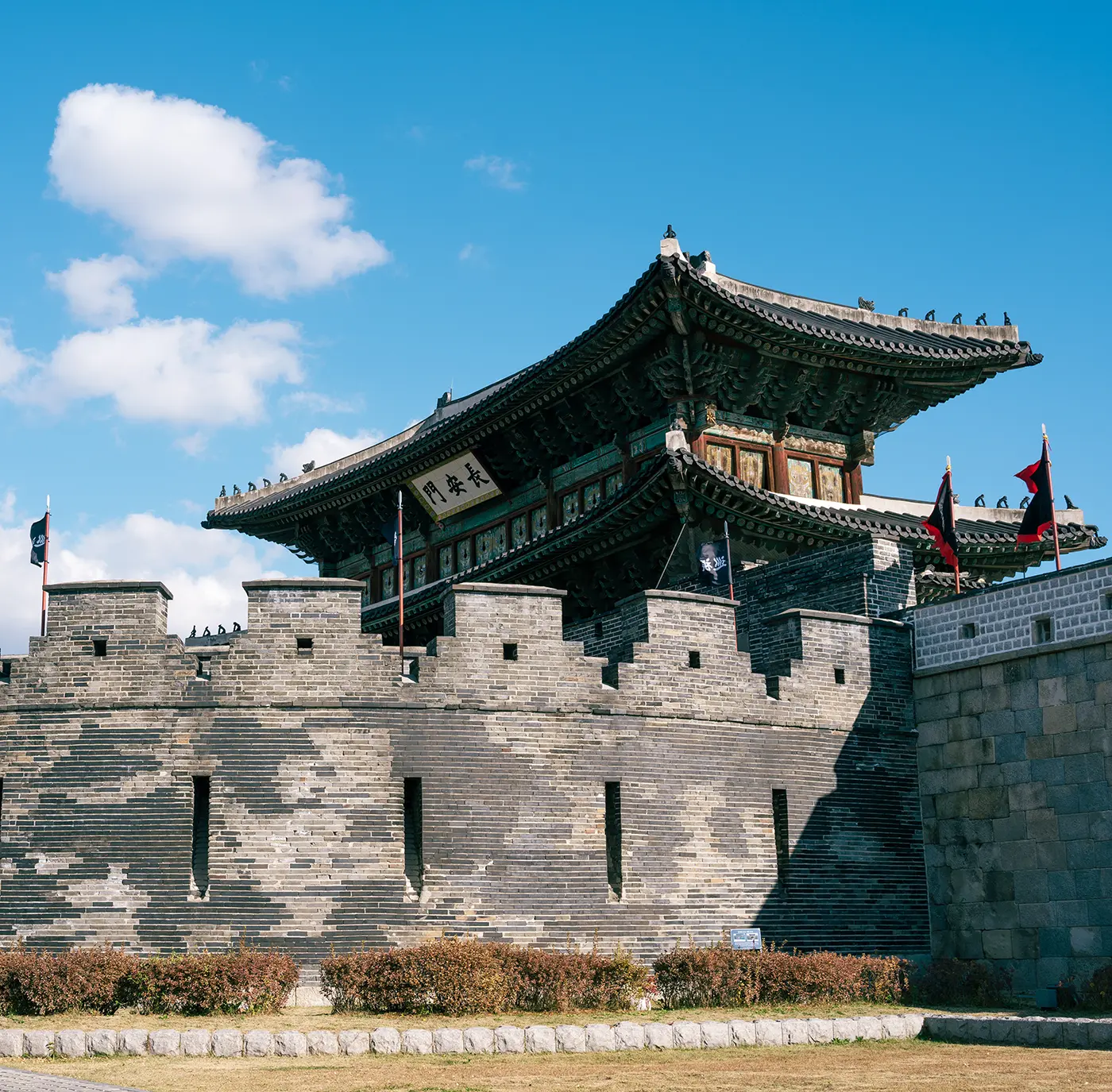
Suwon Hwaseong Fortress gets introduced as a UNESCO military site, which is accurate and also completely misses the point. The 5.7-kilometer wall exists because a king spent his reign trying to correct what had happened to his father, and the man he was honoring had been killed by his own grandfather.
The Story Behind Suwon Hwaseong Fortress Starts With a Rice Chest
Prince Sado was executed by being locked alive inside a rice chest by his own father, King Yeongjo, after refusing a command to take his own life. Eight days later, at twenty-seven, he was declared dead, and technically nobody had executed him.
Sado’s son Jeongjo was eleven years old at the time.
When that son became king in 1776, one of his central projects was restoring his father’s name. Jeongjo believed Sado had been wronged, that the accusations against him had been exaggerated as part of a campaign by political rivals.
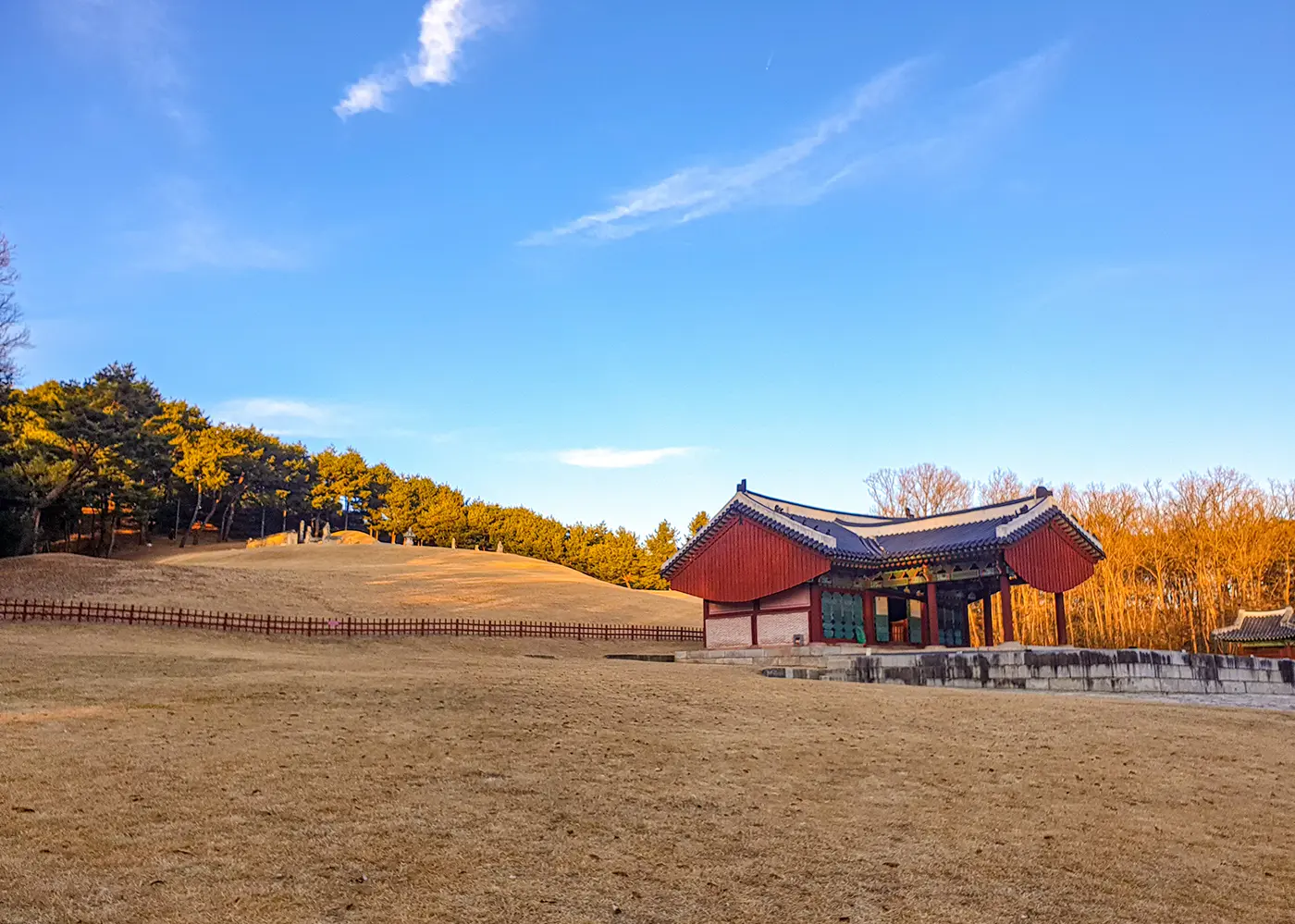
He exhumed his father’s remains and moved them to Mount Hwasan in Suwon, then built a fortress city around the grave.
Construction ran from January 1794 to September 1796, and the finished wall stretched 5.74 kilometers with four main gates: Changnyongmun, Hwaseomun, Janganmun, and Paldalmun. Every meter of it was, in part, an argument about a man who had died in a wooden box thirty years earlier.
It Was Also a Political Escape Plan
Grief wasn’t the only motive behind Suwon Hwaseong Fortress. Jeongjo wanted a power base independent of Seoul’s factional politics, a place that could function as an alternative capital, while also strengthening defenses on the southern approach to the city.
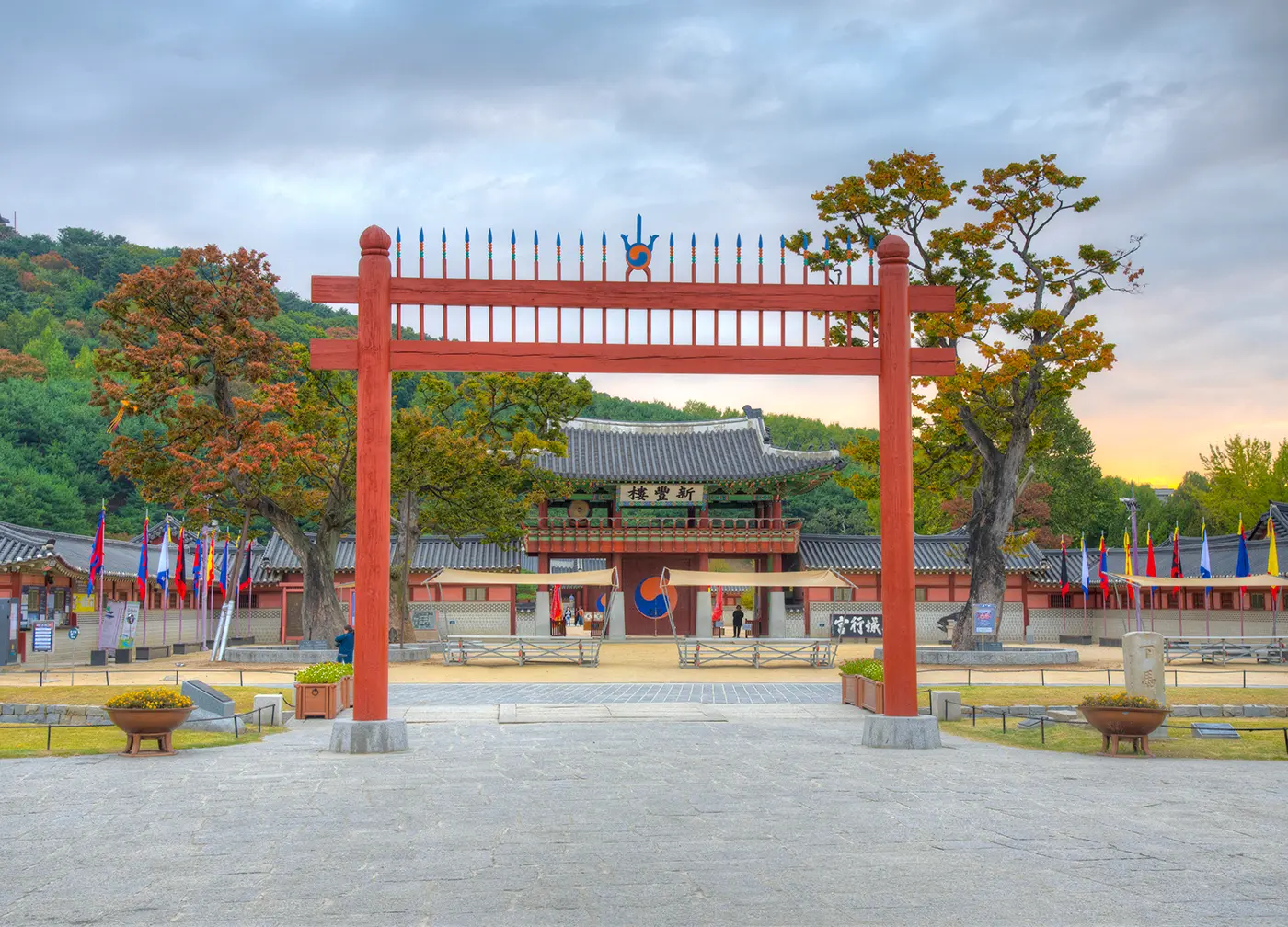
The fortress was, in other words, a man trying to build his way out of the court that had killed his father. He attempted to move the capital from Seoul to Suwon entirely. That effort ultimately failed.
There’s a detail that shows how much the project meant to him. In early 1795, while construction was still underway, Jeongjo held a massive feast inside the unfinished fortress to celebrate his mother’s sixtieth birthday, and had the entire event documented in an official record. He wasn’t waiting for it to be done.
Suwon Hwaseong Fortress Was Engineered Ahead of Its Time
Suwon Hwaseong Fortress wasn’t only symbolic. Under the direction of the scholar Jeong Yak-yong, construction used a crane-like device called the geojunggi that dramatically cut labor and time, and the project produced the Hwaseong Seongyeok Uigwe, a detailed construction manual that was the first of its kind in Korea.
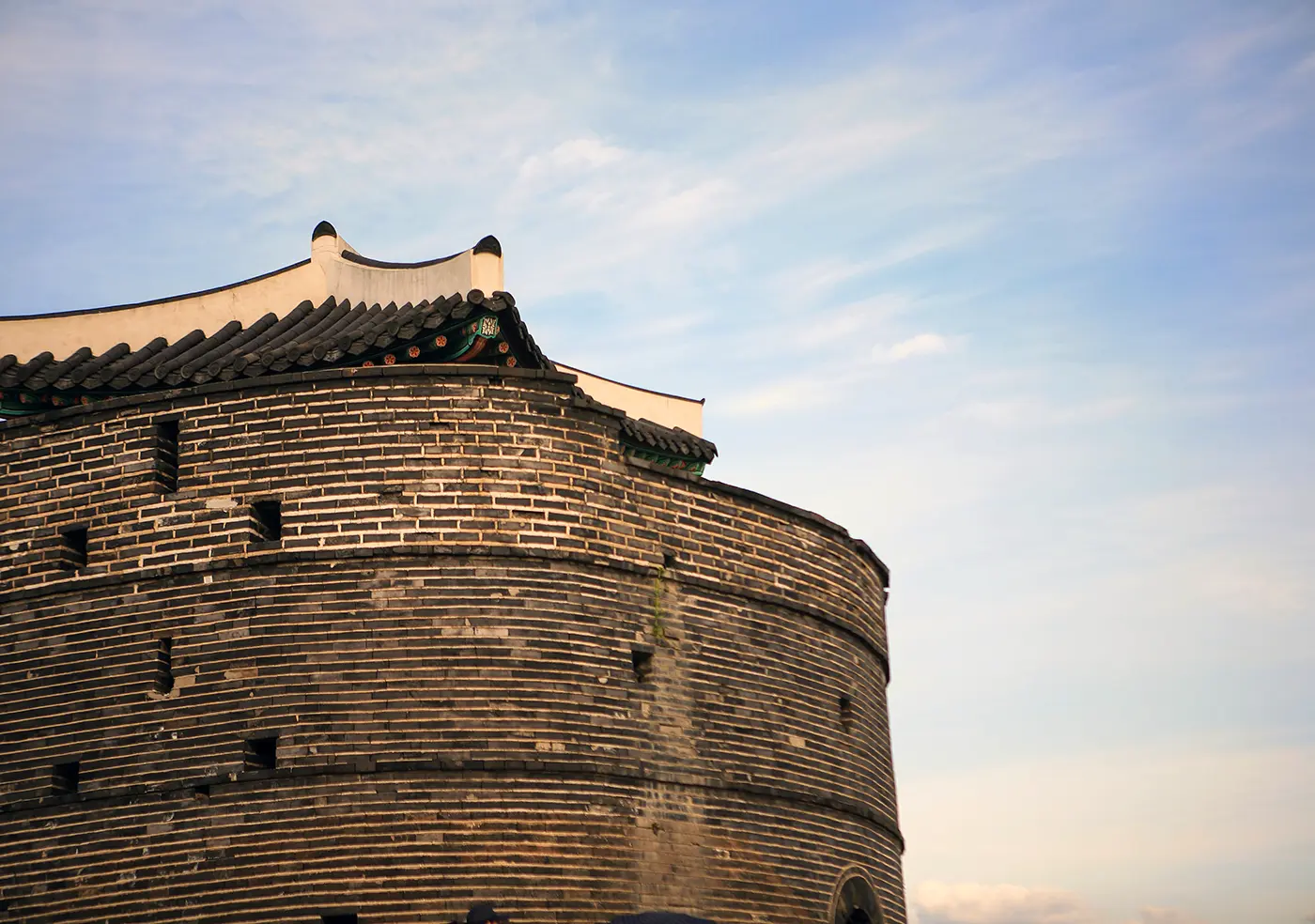
That manual turned out to matter enormously. Hwaseong was heavily damaged during the Korean War, and restoration beginning in the 1970s was possible precisely because those construction records had survived in such detail. A bureaucratic document written in the 1790s is the reason you can walk the walls today.
Suwon Hwaseong Fortress was designated a UNESCO World Heritage Site in 1997.
Walking Suwon Hwaseong Fortress Today
The full circuit runs 5.74 kilometers, which takes roughly two to three hours at a relaxed pace. The wall climbs Paldalsan, so the western section involves real elevation. If you only have time for part of it, the stretch between Janganmun and Hwaseomun gives you the most impressive gate architecture with the least climbing.
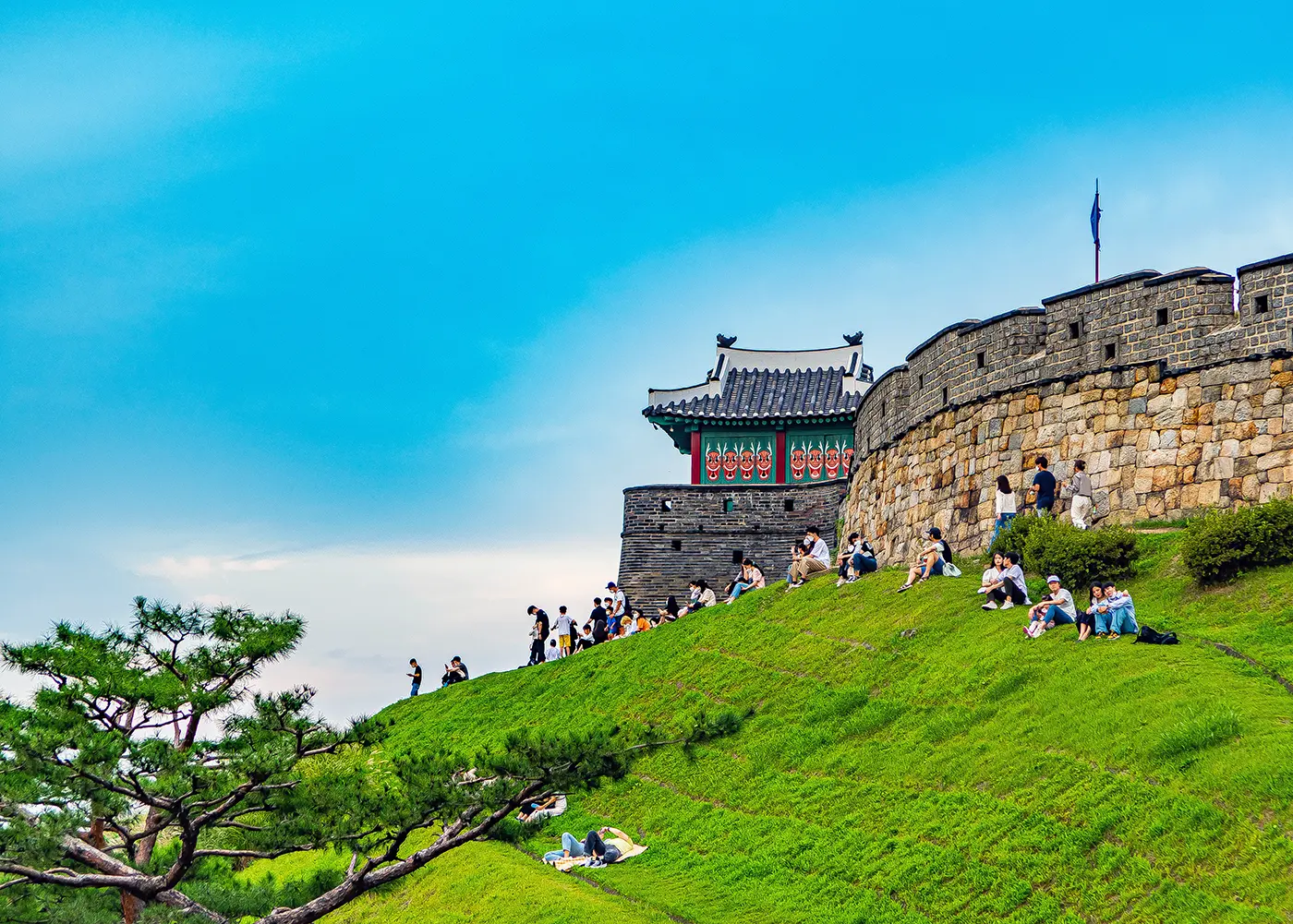
Hwaseong Haenggung, Jeongjo’s secondary palace inside the walls, is worth the separate ticket. It’s where the king stayed during his visits to his father’s tomb, which makes it the emotional center of the entire complex rather than a side attraction.
Getting there from Seoul is straightforward: Line 1 to Suwon Station, then a local bus to the fortress entrances or the Haenggung palace. The Suwon Hwaseong Museum nearby covers the construction and Jeongjo’s reign in more depth, and Paldalmun Market next to the southern gate is a good stop for street food.
What Makes It Different From Seoul’s Palaces
If you’ve already seen Gyeongbokgung or Changdeokgung, this reads differently. Those were built to house a dynasty. Suwon Hwaseong Fortress was built by one person, for one person, out of a specific grievance that never got resolved.
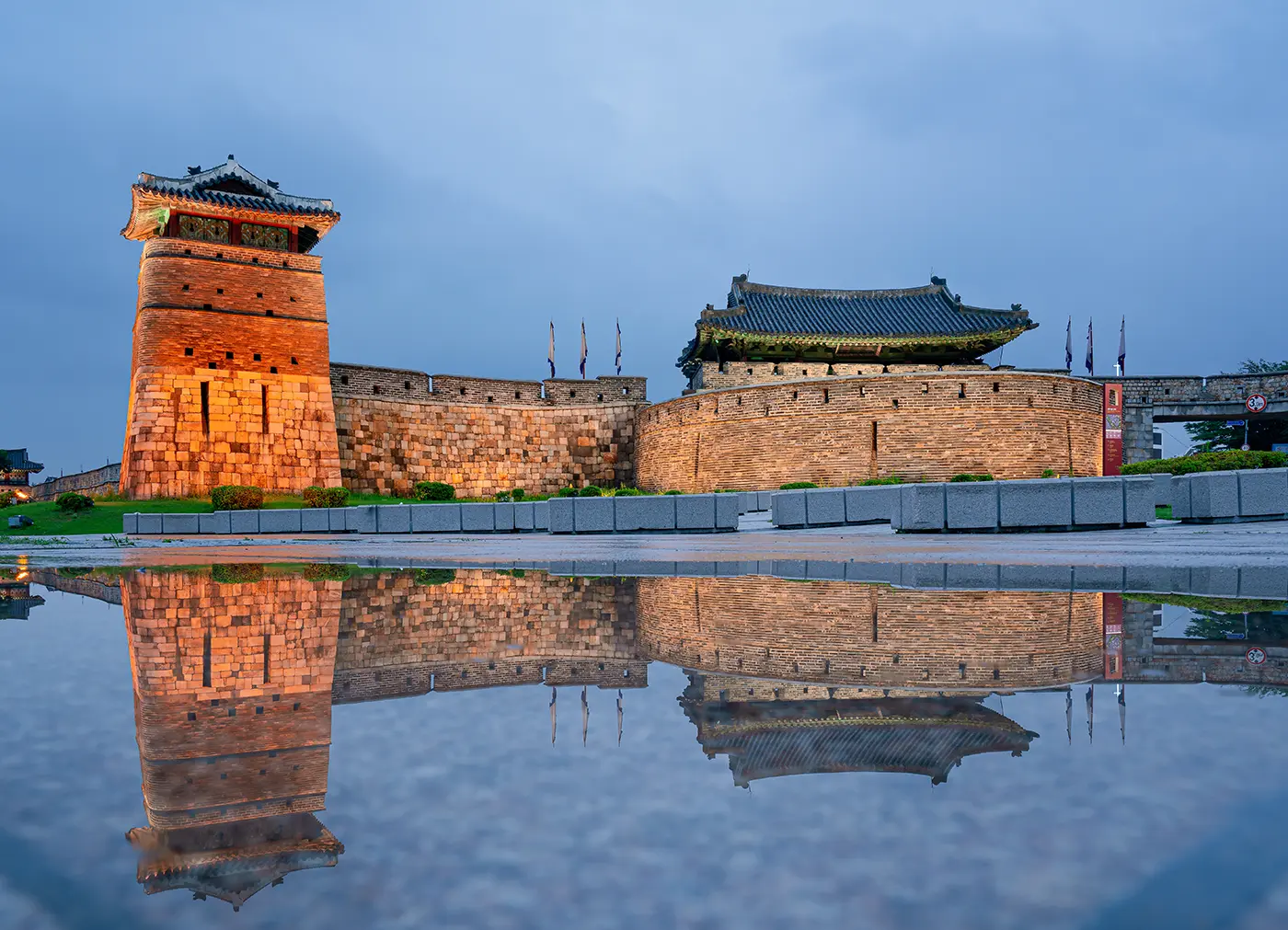
Jeongjo died in 1800, four years after Suwon Hwaseong Fortress was completed. The capital never moved. But the walls are still standing, still wrapped around the center of a modern city, and the tomb they were built to protect is still there.