
Korean Mugwort Is Having a Skincare Moment
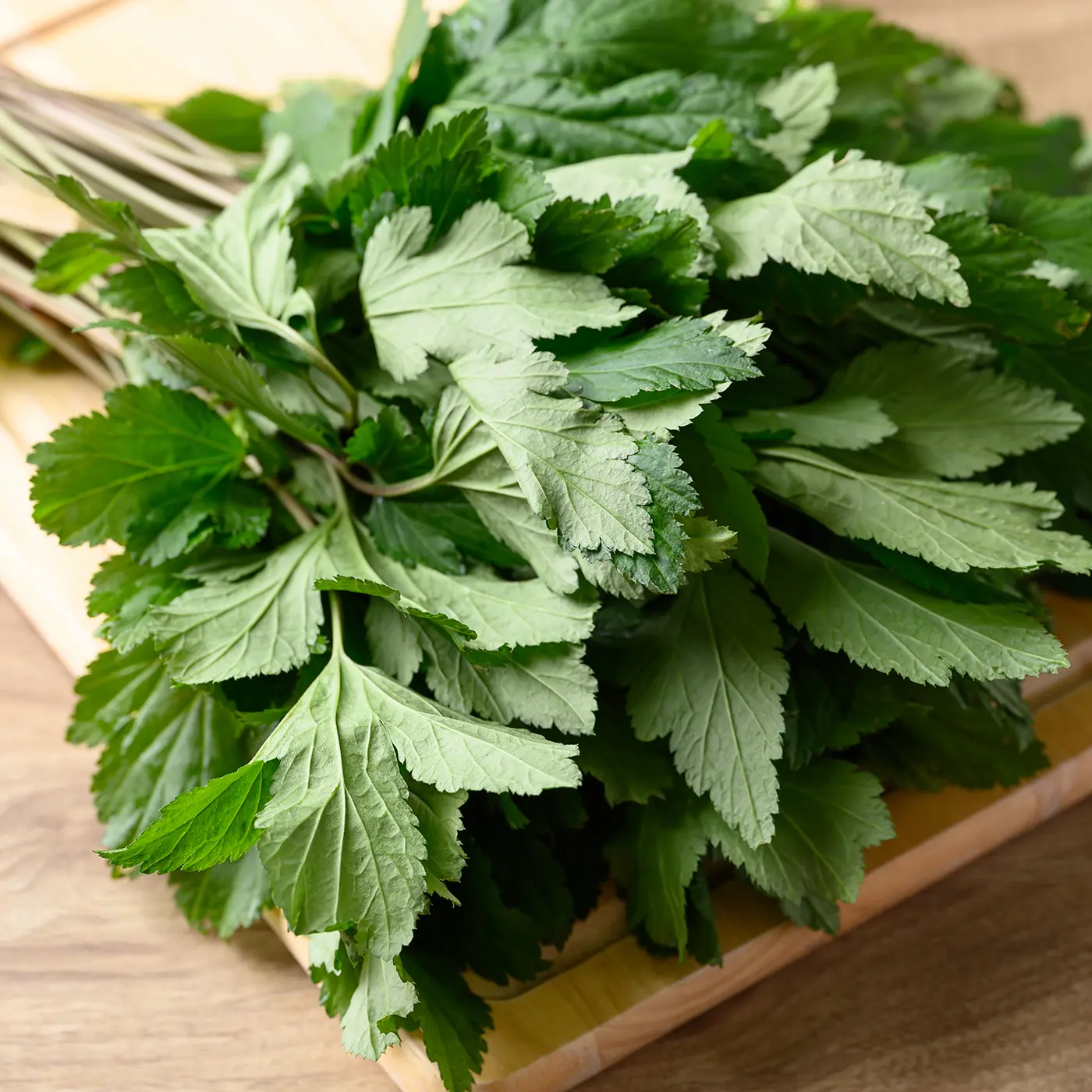
Korean mugwort has long been a familiar plant here, used in food, traditional practices, and everyday life. Today, this humble spring herb has found a new role in K-Beauty, especially in skincare designed to soothe and hydrate sensitive skin.
Korean Mugwort Has Always Been Part of Everyday Life
Mugwort is one of Korea’s most familiar spring plants. People have traditionally gathered its young leaves and used them in soups, rice cakes, and other seasonal foods.
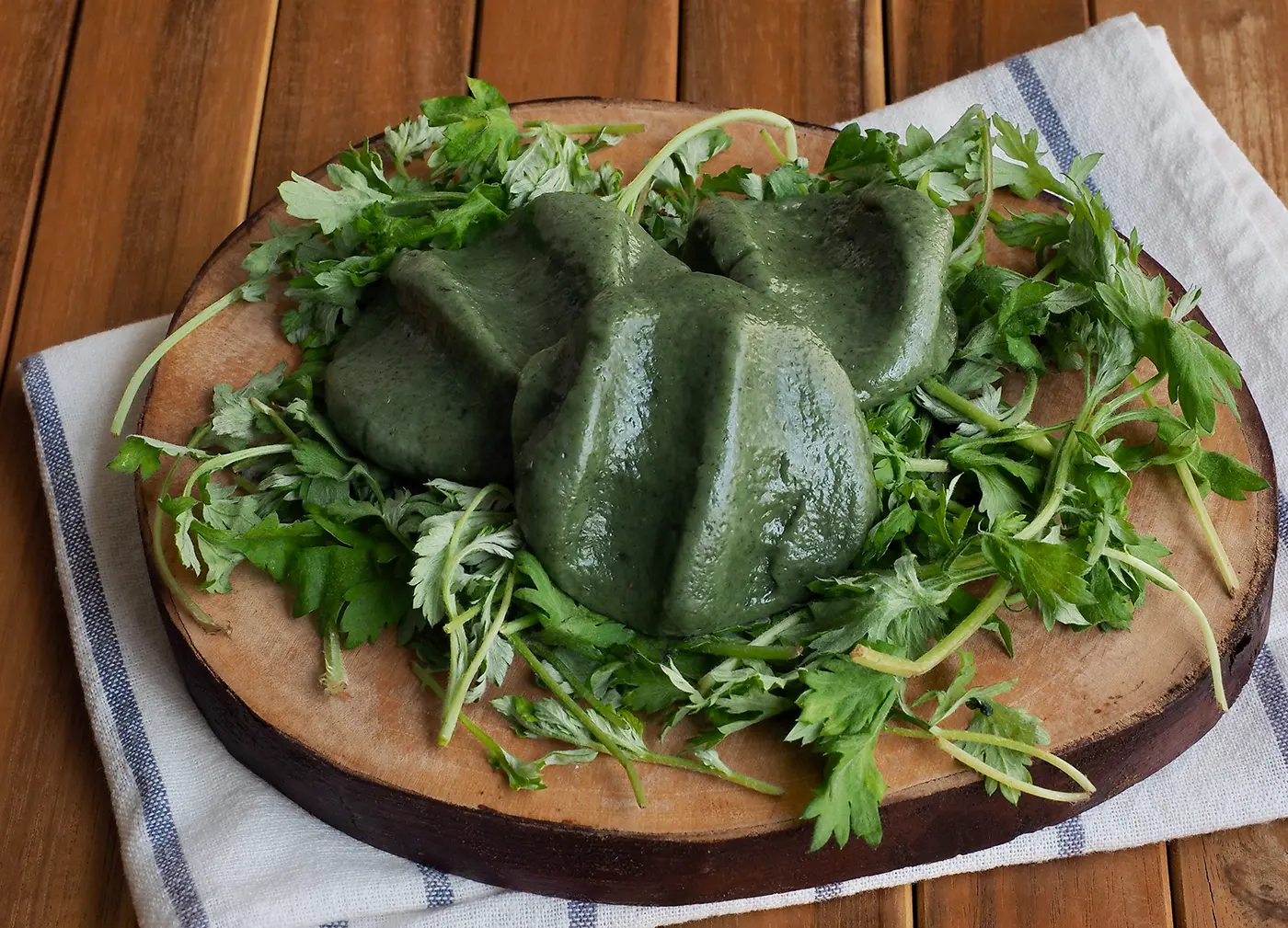
For many Koreans, mugwort is more than a botanical ingredient. It is closely connected to spring and the idea of seasonal, wholesome living.
That familiarity has helped Korean mugwort move naturally into modern skincare. The renewed interest also has a curious resemblance to the matcha boom that has swept across fashion, food, and beauty around the world. With its soft green color and natural image, matcha has moved beyond a temporary trend and established itself as a global lifestyle code.
Mugwort, with its similarly familiar green identity, is also showing potential to evolve from a traditional ingredient into a new beauty trend.
Skincare products built around it often focus on soothing and hydrating the skin. You can find mugwort in toners, essences, serums, and sheet masks, particularly in products designed for sensitive or easily irritated skin.
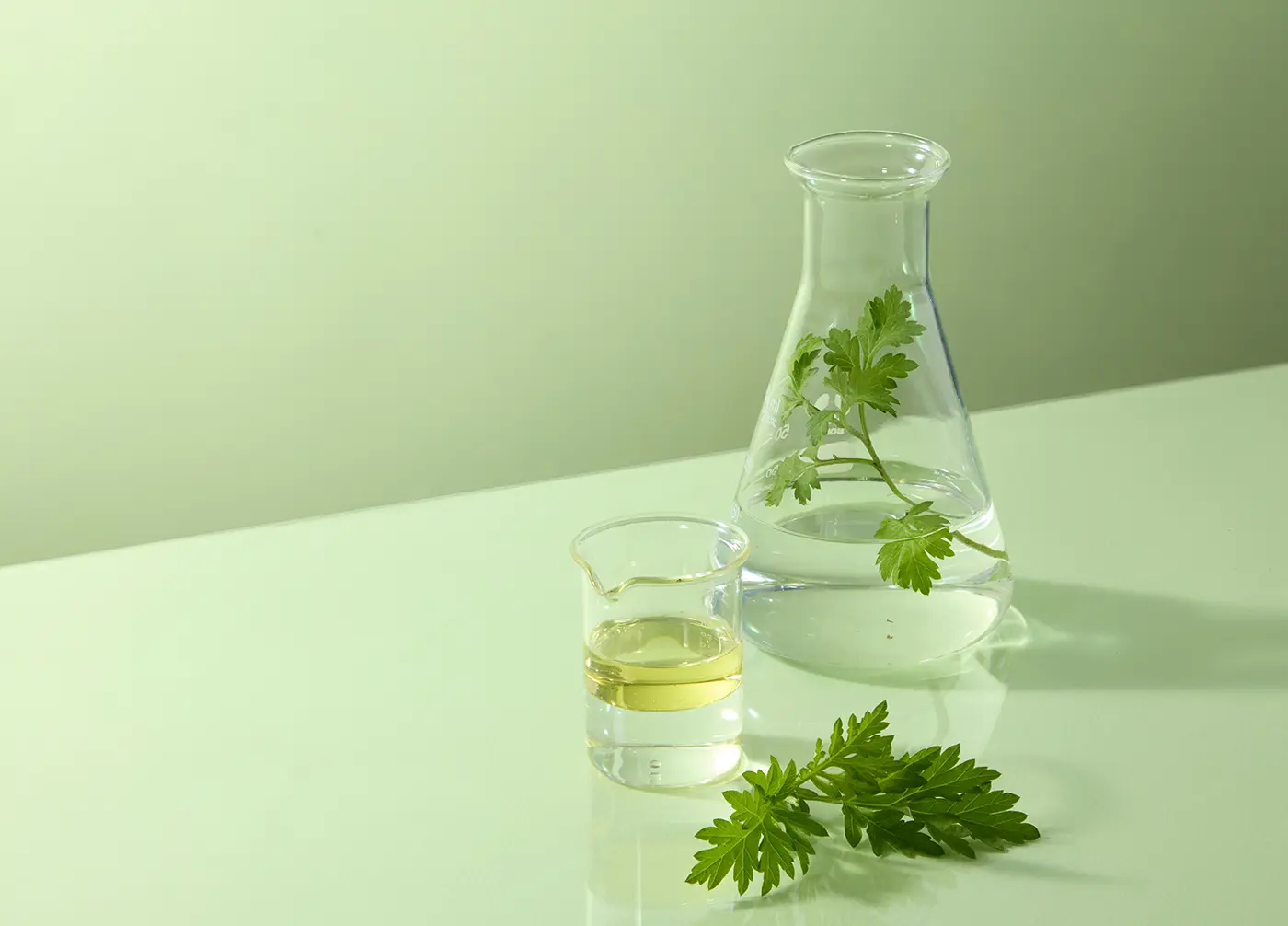
Of course, mugwort should not be treated as a cure for irritation or inflammation. Its effects can vary depending on the type and concentration of the extract, as well as the rest of a product’s formula. Still, its transformation from a familiar Korean plant into a contemporary skincare ingredient is worth watching.
Why Mugwort Fits the K-Beauty Scene
K-Beauty has increasingly embraced ingredients that focus on keeping the skin comfortable rather than simply promising dramatic results. Cica, which comes from Centella Asiatica, is a well-known example.
Korean mugwort offers a similar soothing image while adding a distinctly Korean cultural story. Its natural scent, muted green color, and connection to Korean food and seasonal traditions also give brands plenty of room for storytelling.
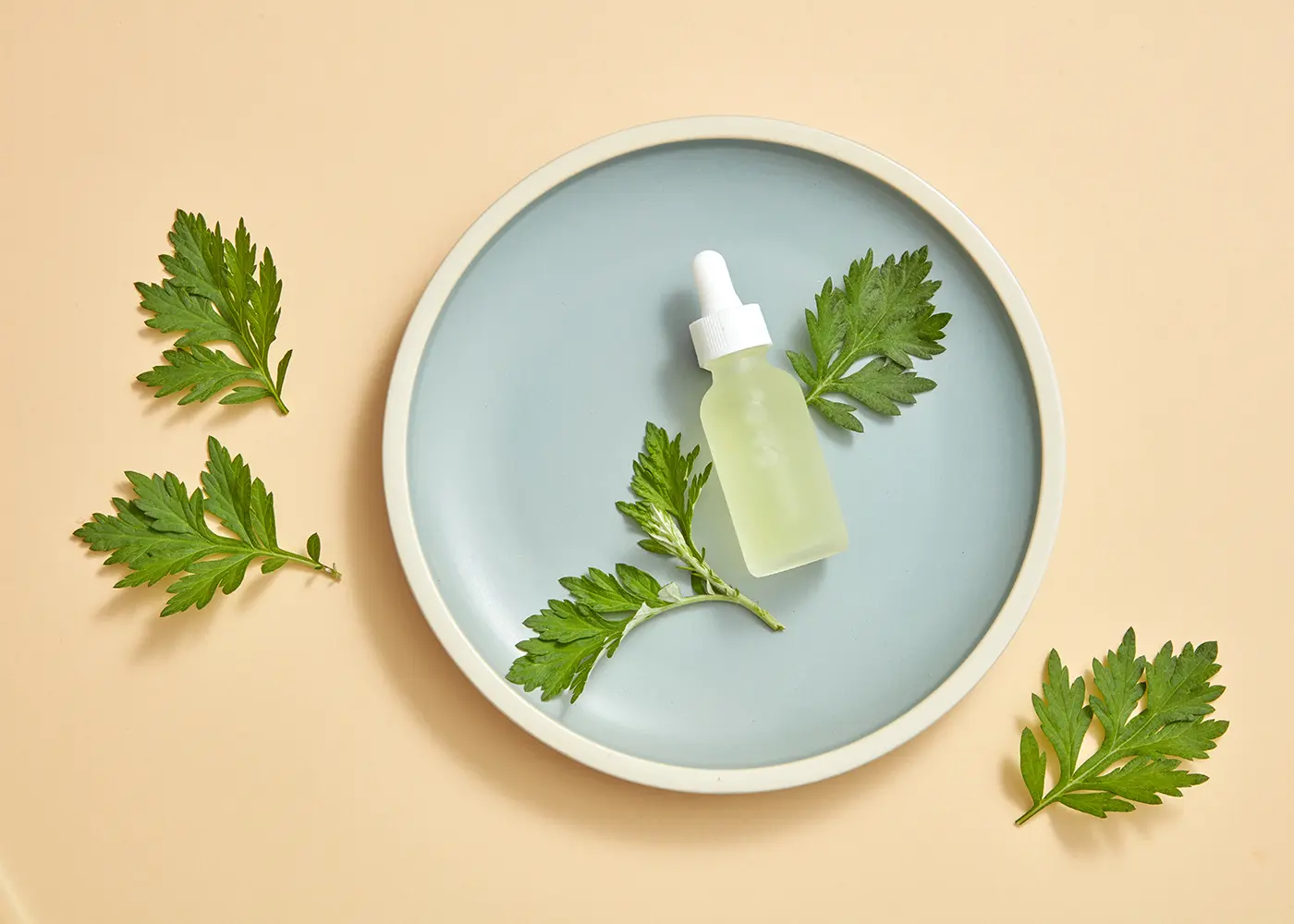
Instead of introducing another unfamiliar botanical extract, brands can take an ingredient that Korean consumers have known for generations and present it through a modern skincare lens.
That makes Korean mugwort more than another passing ingredient trend. It shows how traditional plants can find new relevance in contemporary beauty. A herb once associated with springtime kitchens can now appear in a toner, essence, or sheet mask sitting on a modern skincare shelf.