
Yuzu Tea Is Korean Too, Not Just a Japanese Thing

Yuzu tea has been a Korean winter staple for generations, though you’d never guess it from how the fruit gets discussed abroad. Japan gets most of the credit for introducing yuzu to global menus, and fairly so.
But the version Koreans grew up with looks different, and it’s been sitting in kitchen cupboards here the whole time.
Yuzu Tea Has Been Korean for Generations
There’s no denying Japan’s role in bringing yuzu to international attention. Its fresh aroma and distinctive flavor now show up in cocktails, sparkling drinks, desserts, and perfumes worldwide.
But yuzu has been familiar in Korea for just as long. When Koreans think of traditional tea culture, yuzu tea sits right alongside ssanghwa tea, quince tea, and omija tea. Made by stirring yuja-cheong, a thick citrus preserve, into hot water, it’s the drink people reach for when the weather turns cold.

The fruit hasn’t been limited to tea either. It has long found its way into Korean traditional alcohol, where its fragrant aroma and fresh acidity give heavier drinks a lighter finish.
As modern interpretations of Korean traditional alcohol gain attention, yuzu is one of the familiar ingredients being pulled into new cocktails and bottled drinks.
What Makes Yuzu Tea Different From Lemon
Yuzu is interesting in the global market because of what it isn’t. It tastes softer than lemon, with a subtle bitterness closer to grapefruit, and the fragrant peel gets used as much as the juice. That combination makes it work across drinks, desserts, and fragrances in a way sharper citrus can’t.
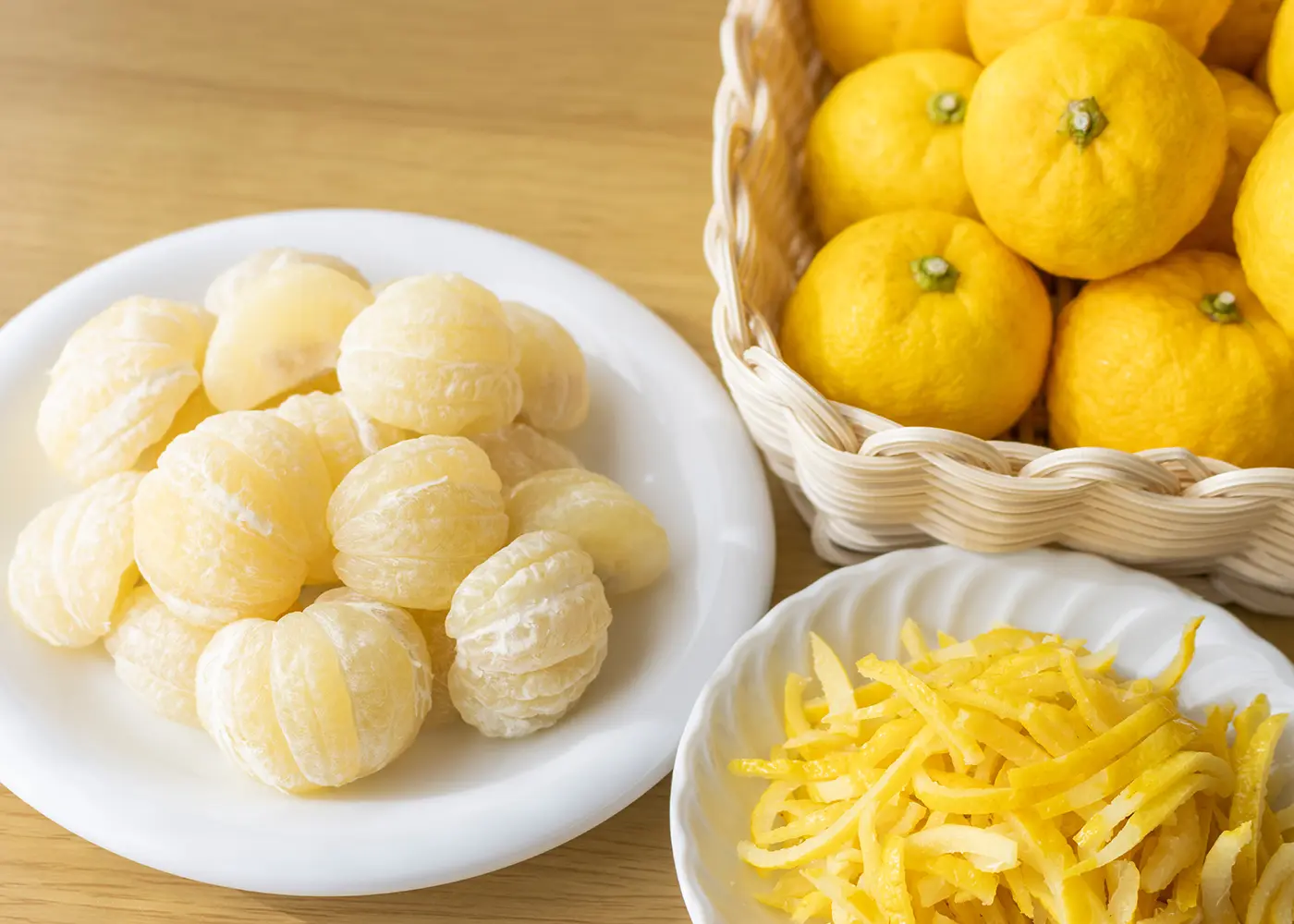
In Korea, the traditional form has always been tea. Now the same ingredient is showing up elsewhere. Sparkling drinks, cocktails, desserts, and traditional Korean alcohol are all giving an old part of Korean food culture a more modern character.
The best part is how approachable it is. Yuzu tea tastes sweet and refreshing without lemon’s sharp acidity, so even people trying it for the first time tend to find it easy to like.
Where to Try It
If you’re visiting Korea, yuzu tea turns up almost everywhere once you start looking. Traditional teahouses serve it hot in winter, convenience stores stock bottled versions, and cafes increasingly offer sparkling variations.
Jars of yuja-cheong are also sold in most supermarkets, which makes it one of the easier Korean flavors to take home with you.
Skip the usual coffee or soda for one afternoon and order it instead. You may find a Korean flavor that feels familiar and completely new at the same time.