
Wax-Coated Balls Are Suddenly So Popular in Korea
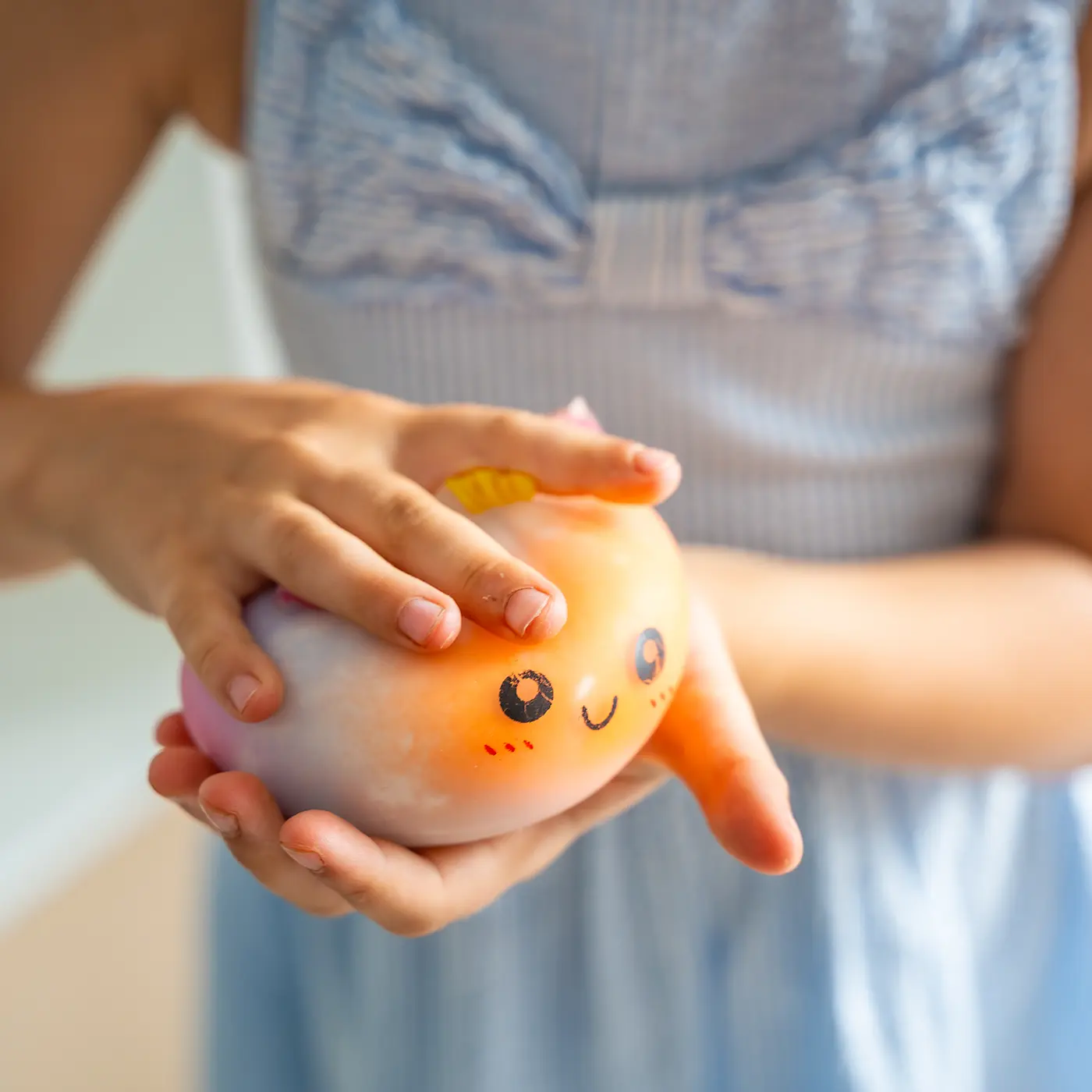
Wax-coated balls have become an unexpected hit in Korea, especially among younger shoppers looking for small, tactile forms of entertainment.
The trend didn’t appear out of nowhere. ASMR culture has already made tapping, scratching, squishing, and cracking sounds popular online worldwide. In Korea, that interest is now showing up in a physical form people can actually hold and break.
Wax-Coated Balls Are a Toy You’re Supposed to Break
A wax-coated ball is a tactile toy made from a clay-like core covered with a layer of wax. In Korea it’s usually called 왁뿌볼, or wakbbuball.
The idea is simple. Squeeze it, press it, and crack the outer coating with your hands. The changing texture and the small snapping sounds are the entire point.
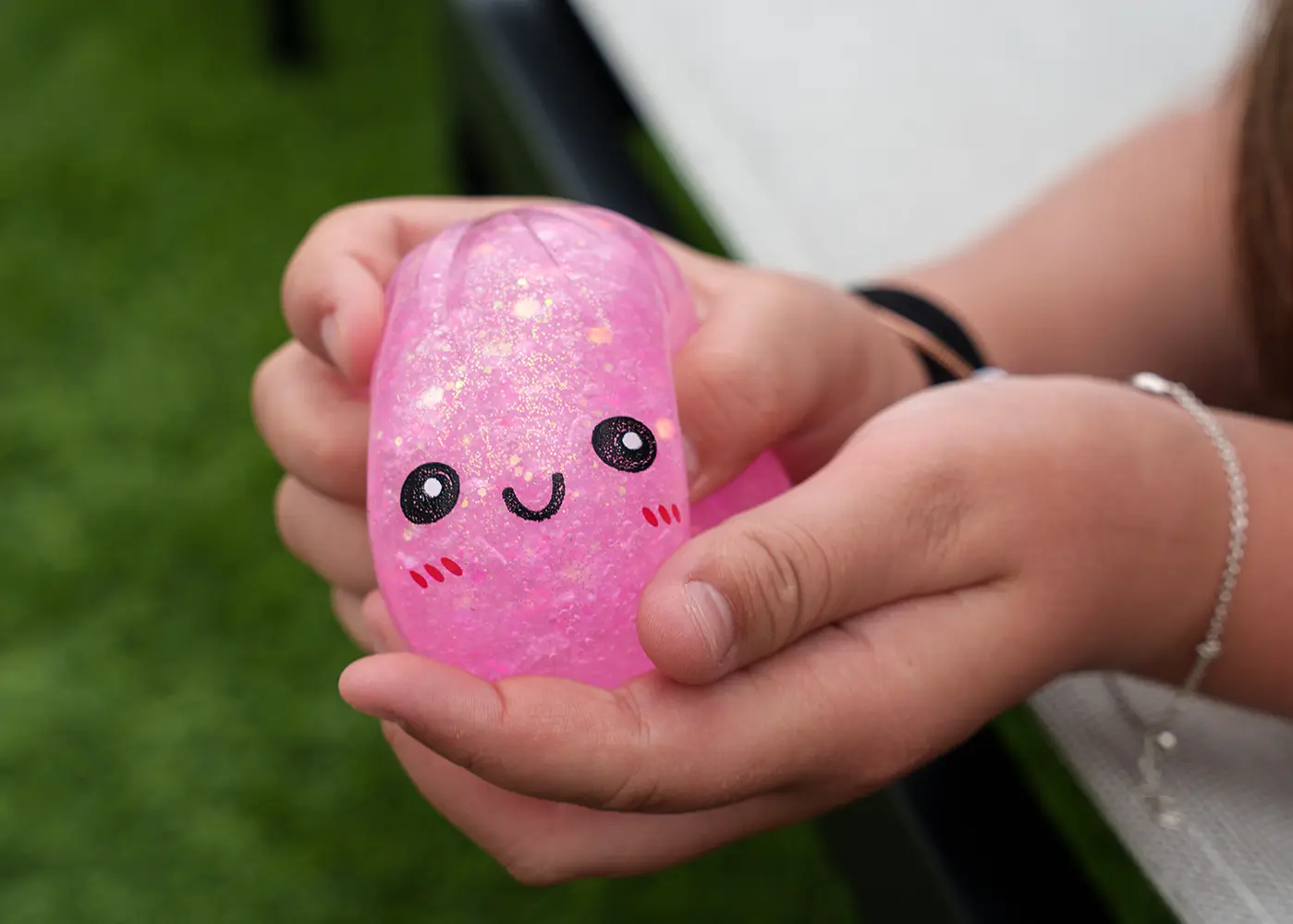
What separates these from most traditional toys is that there’s no goal. You’re not trying to win anything or build anything. The pleasure comes from the action itself. You touch the surface, feel it give way, and listen as the wax breaks.
That experience connects to a much bigger global trend. ASMR has grown into a worldwide online culture built around small sensory details, and tapping, scratching, squeezing, and cracking are among its most common themes.
Researchers have started looking at how visual, auditory, and tactile stimulation may contribute to the relaxing or pleasurable feelings some people report.
Before Wax-Coated Balls, There Were Malangyi
Korea already had a popular form of tactile play before these arrived. Malangyi (말랑이) are soft toys designed to be squeezed and pressed by hand. Many come shaped like food, animals, or cartoon characters, and different products offer different textures and levels of give.
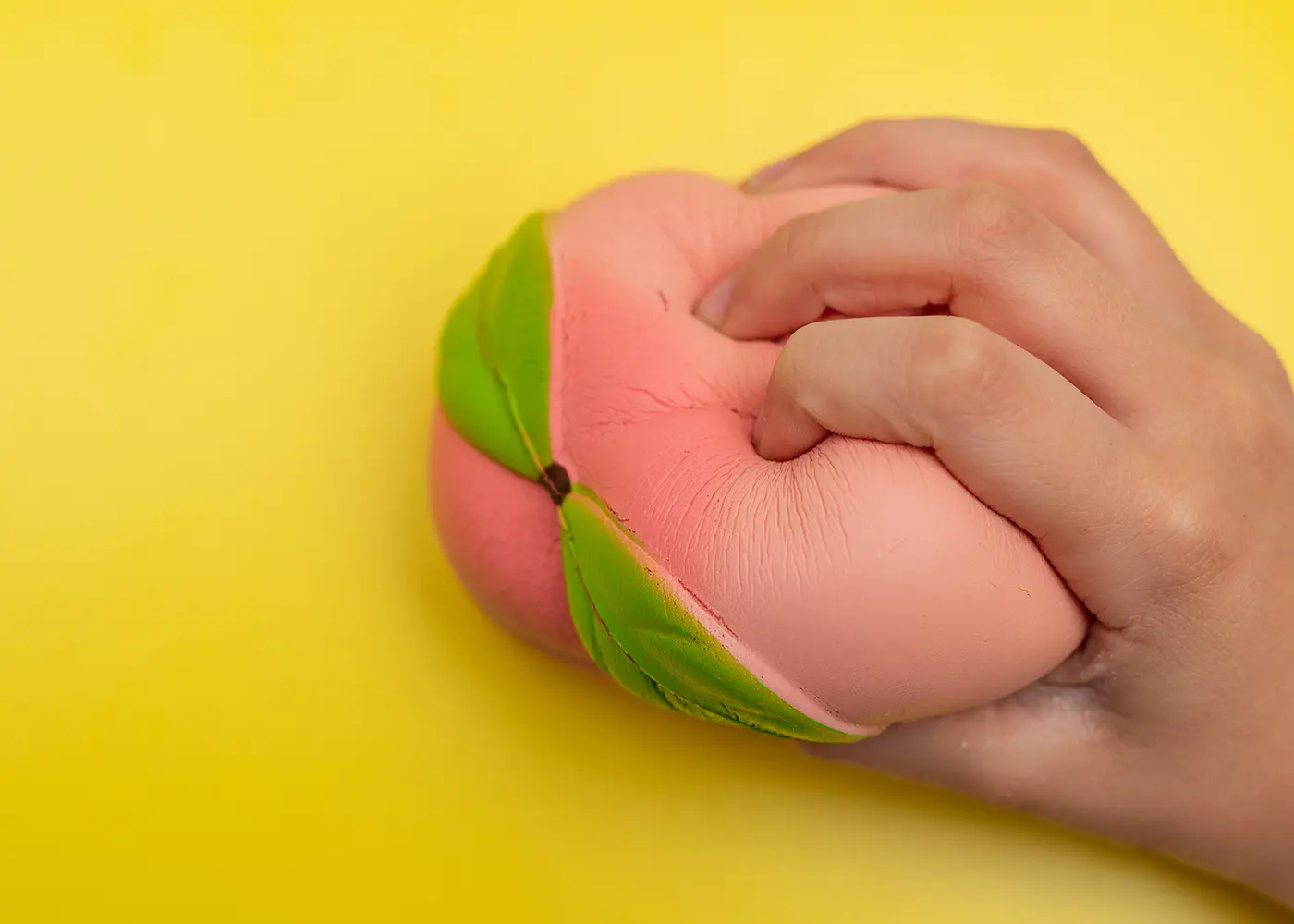
Toy shops around Dongmyo now sell malangyi alongside other tactile toys, including wax-coated balls. Some visitors do more than look. They squeeze several products in a row, compare textures, and listen to the sounds each one makes.
The trend reaches well beyond children. Younger adults have become a noticeable part of the audience, and social media has turned these simple objects into something worth seeking out. Low prices make them an easy impulse buy.
If you want to see this in person, Dongmyo is one of the better places to look. The neighborhood’s [flea market and surrounding toy shops] have become popular stops for people hunting unusual and inexpensive finds.
Why Are People So Drawn to These Simple Sensations?
This raises a more interesting question. Why do adults spend time squeezing, pressing, and breaking small objects that serve no practical purpose?

There’s still very little academic research specifically on wax-coated balls, so it would be overstating things to claim they reduce stress or carry a particular psychological benefit. Existing research on ASMR and tactile stimulation does offer some context, though.
Studies have explored how certain sounds and sensory experiences can produce feelings of relaxation, comfort, or pleasure. One recent study found that adding tactile vibration to a virtual ASMR experience increased reported relaxation and enjoyment. That doesn’t prove anything about these toys specifically, but it does suggest why the format resonates.
The appeal may also be much simpler than any of that. You feel the surface under your fingers, hear it crack, and watch it change, all at once. The whole experience lasts a few seconds, but it gives you something to focus on completely.
Social media amplifies it further. A short video of someone squeezing a malangyi or cracking a wax-coated ball lets viewers imagine the texture and sound themselves. In that sense, Korea’s tactile-toy moment may be less a passing craze than one local expression of a much broader global interest in sensory experience.