
Vintage Shopping Is Becoming a Luxury Strategy
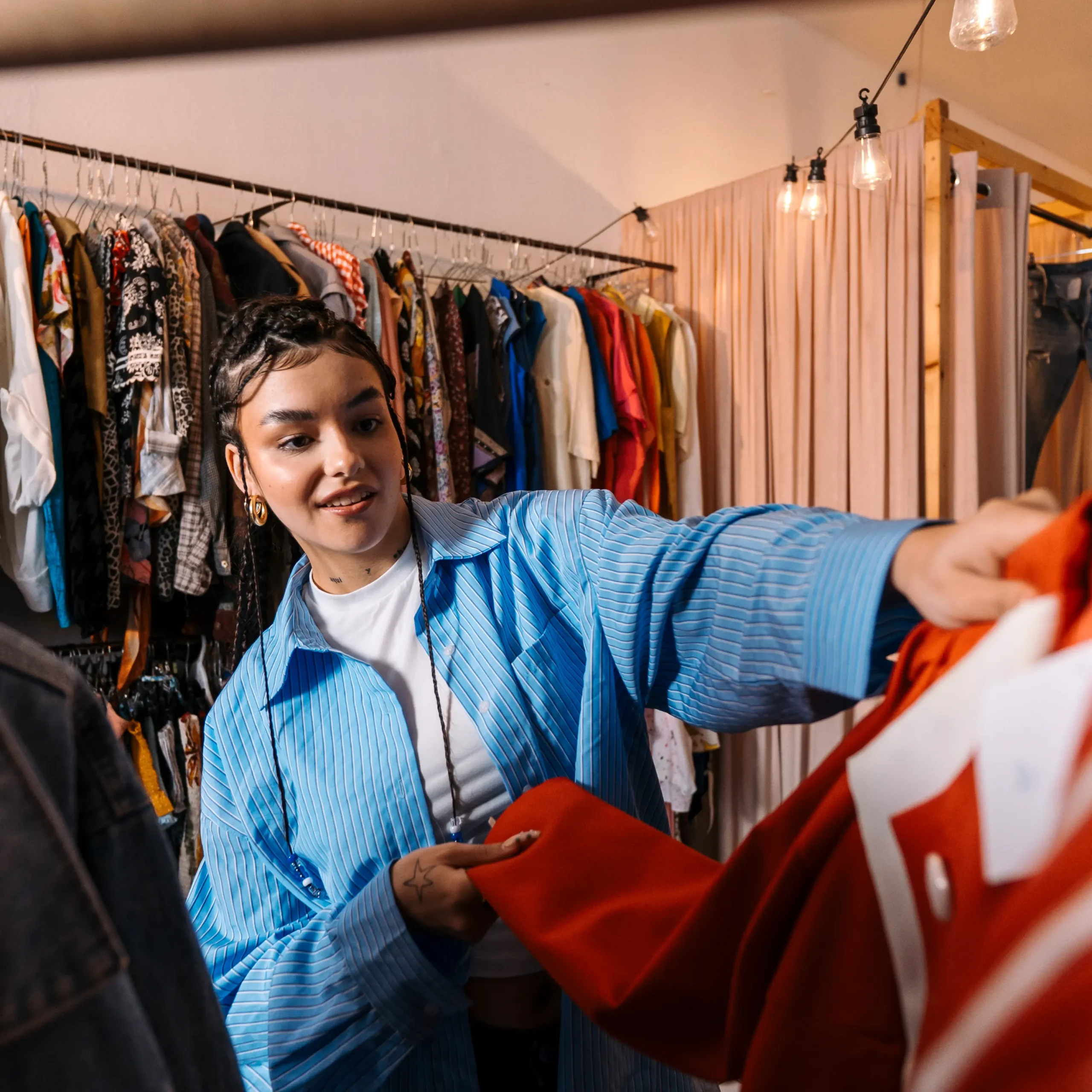
Vintage shopping has quietly turned into one of the more reliable ways to build a wardrobe nobody else has. What used to be a budget alternative now carries a different kind of value, driven by scarcity, craftsmanship, and the appeal of owning something that can’t be reordered.
Vintage Shopping Feels More Valuable Than Buying New
Honestly, vintage fashion has never really disappeared. Its appeal just keeps changing as people find new reasons to look beyond current collections.
Rather than buying the same new arrivals as everyone else, some shoppers now enjoy the search itself. Finding a piece few other people own has become part of the experience.
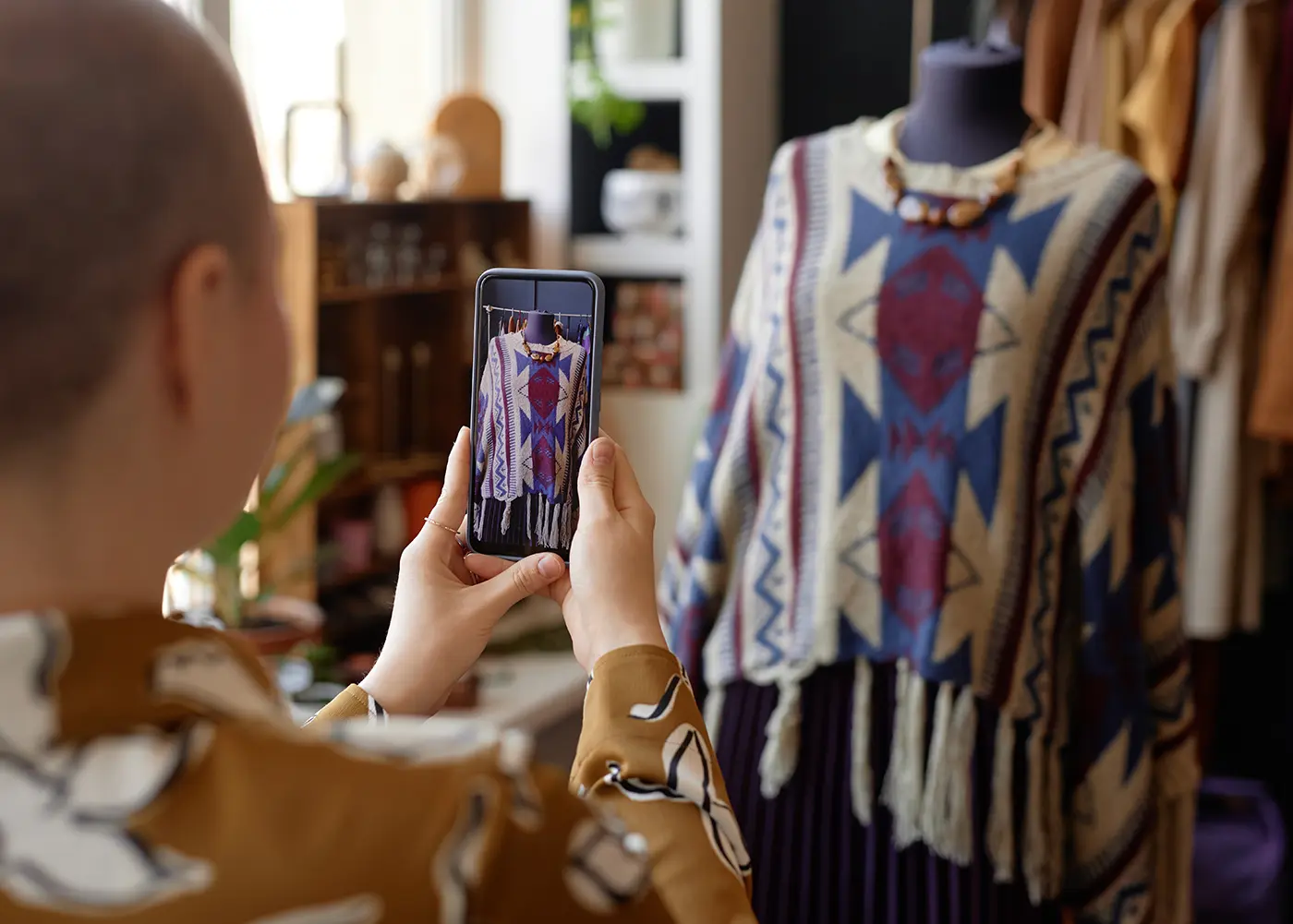
Scarcity plays a big role. A vintage piece may be difficult to find again, especially when it comes from a limited production run or an earlier era of a brand. Older fabrics, construction methods, silhouettes, and details also give these clothes a character that’s hard to reproduce.
There’s something personal about it too. A distinctive jacket, an old handbag, or an unusual accessory can make an outfit feel much less predictable. Instead of following the latest collection, shoppers build a wardrobe around pieces they actually chose.
This fits a wider shift in how luxury gets defined. For some shoppers, luxury now means more than a recognizable logo or a high price. Longevity, craftsmanship, rarity, and personal meaning can matter just as much. In that sense, vintage shopping offers something new products can’t: a story that already existed before you found it.
Seoul’s Secondhand Scene Is Changing Fast
Secondhand shopping has long existed in Korea, but it stayed relatively niche compared to markets abroad. That’s shifting. Seoul has seen a sharp increase in specialty shops catering to this demand, along with media coverage that keeps pushing the scene further into the mainstream.
One place stands out: Dongmyo.
The neighborhood was once better known as an inexpensive secondhand market, with an older customer base and piles of clothes waiting to be searched through. Recently, younger shoppers have started treating vintage shopping there like a treasure hunt. They dig through racks, look for unusual pieces, and post their finds online.
The change has attracted international visitors too. Recent coverage points to Dongmyo’s low prices, retro atmosphere, and unpredictable selection as central to its appeal.
What makes Dongmyo interesting is that vintage shopping doesn’t have to mean expensive luxury. One shopper might find a T-shirt for a few thousand won while another hunts for an older designer piece or a rare accessory. Seoul’s secondhand scene holds both extremes at once.
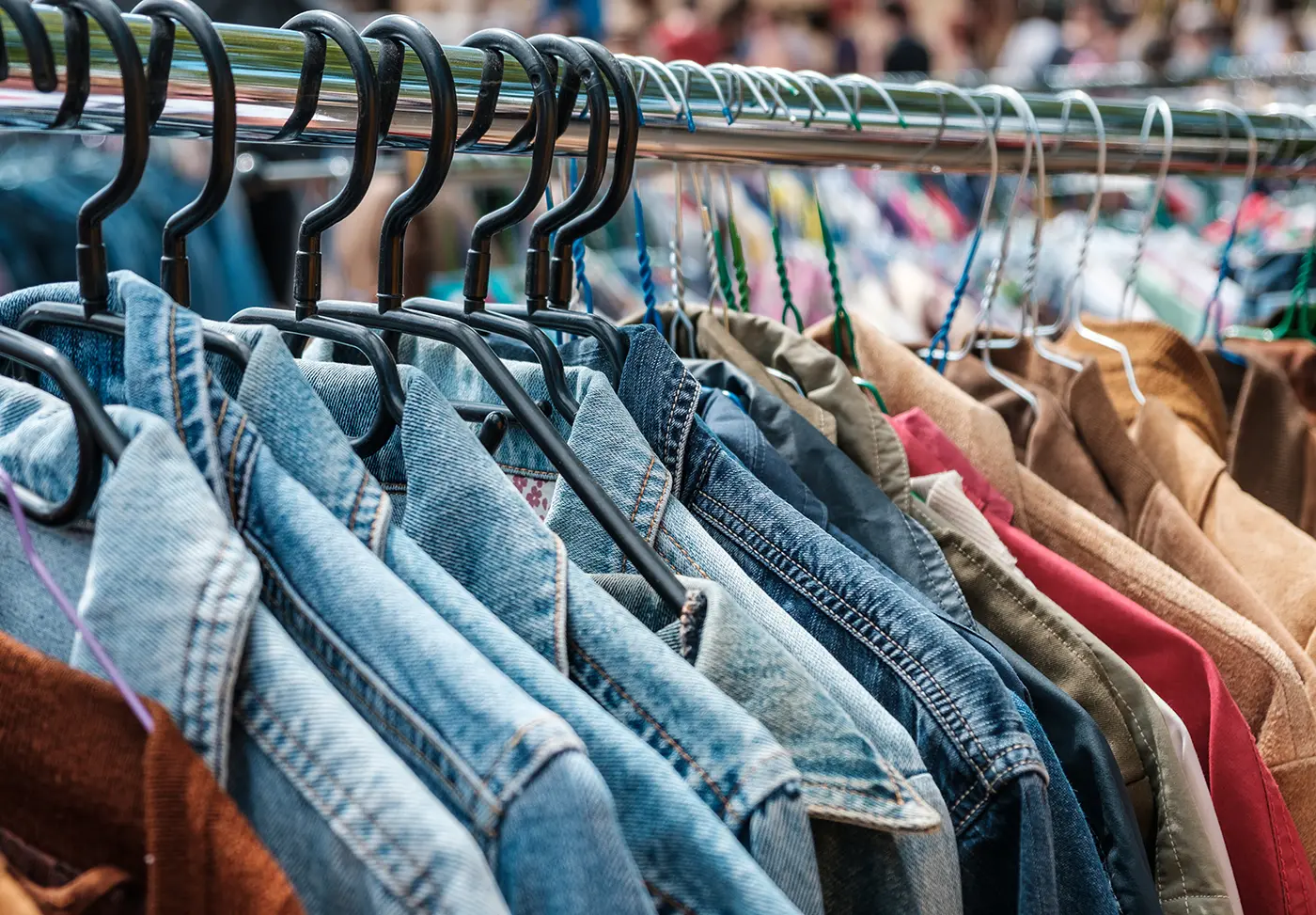
That may be the bigger story behind the renewed interest. Vintage shopping isn’t simply about wearing something old. It’s about searching, discovering, and choosing something that feels less replaceable.
In a market full of new products and fast-moving trends, that feeling can be surprisingly luxurious.