
Saju Is Booming Among People Who Say They Don’t Believe It
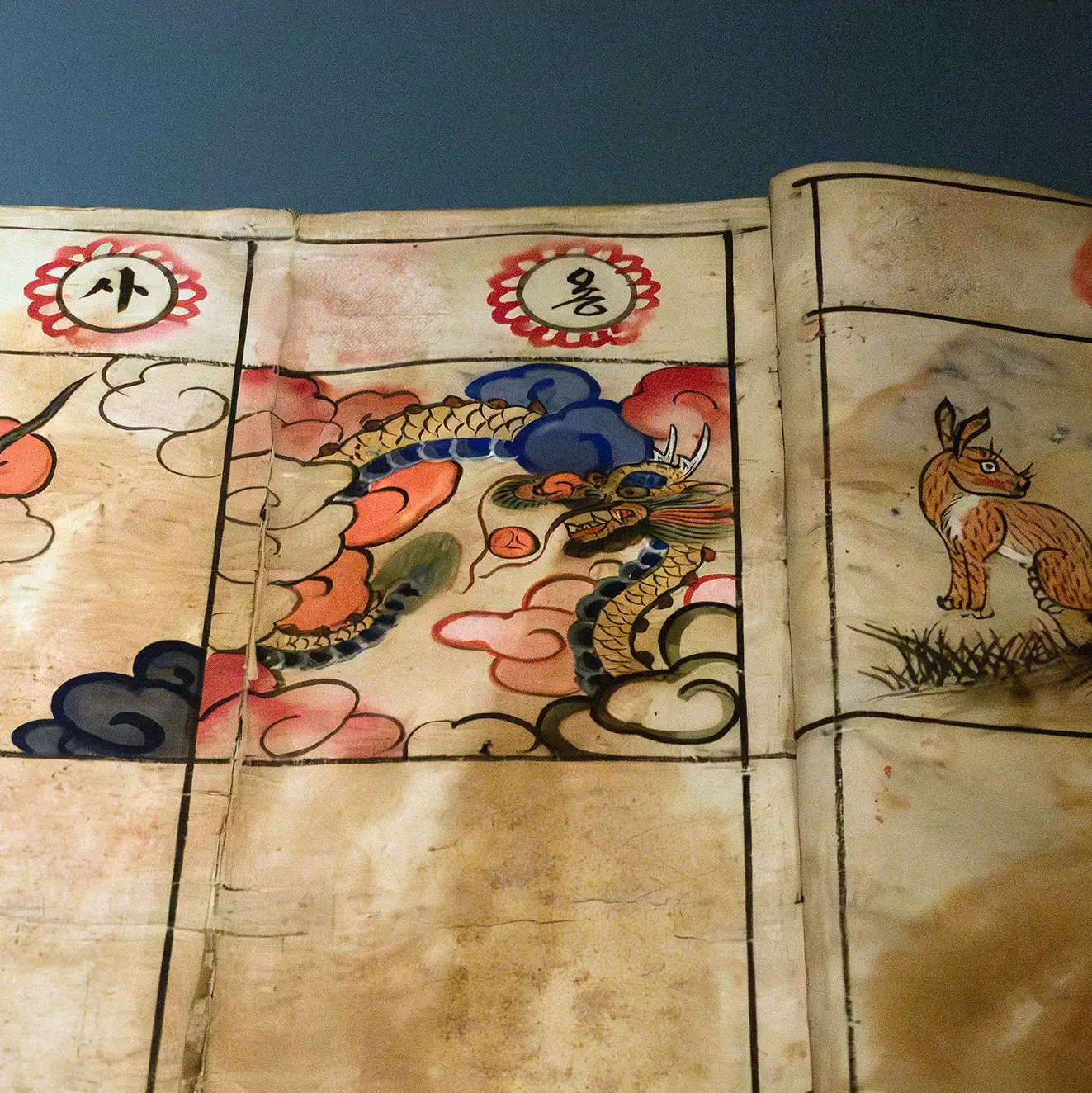
Saju readings have become a routine part of dating, career changes, and New Year planning in Korea. Many of the people paying for them will tell you in the same breath that it’s just entertainment.
That gap between what people say and what they actually spend money on is the most telling thing about the current boom.
Saju Reads Your Birth Hour, Not Your Star Sign
The term means “four pillars.” A reading takes the year, month, day, and hour of a person’s birth, converts each into two characters drawn from a traditional sixty-term cycle, and produces eight characters in total. Those eight are what a reader interprets.
The birth hour is where the system diverges most sharply from Western astrology.
A horoscope needs only a birth date. Saju needs the hour, which is why many Koreans can state the exact minute they were born without looking it up. Parents write it down because they assume someone will eventually ask.
The framework arrived from Chinese metaphysics and developed into a distinct Korean practice over centuries. It gets consulted for marriage compatibility, business opening dates, moving dates, and baby naming.
A grandmother checking a prospective in-law’s chart is not a scene from a period drama. It still happens.
Saju Moved Onto the Phone
What separates the current moment from previous decades is distribution. Reading a chart once required visiting a practitioner. Now it requires an app.
Fortune content has been absorbed into services that have nothing to do with divination. Dating apps use compatibility readings as a matching feature.
Financial super-apps run New Year fortune sections. In early 2026, fortune-related GPTs ranked near the top of the ChatGPT Store’s lifestyle category.
The offline side has grown alongside it rather than shrinking. Tarot certification bodies in Korea roughly doubled over two years, from 65 to 105.
Saju cafes operate in Hongdae, Insadong, and Apgujeong, where a reading costs about the same as two coffees and takes twenty minutes.
Why Saju Landed With This Generation
The economic backdrop is not subtle. Korea’s employment outlook for 2026 projects a decline of roughly 213,000 workers aged 15 to 29. Long-term planning feels less available to people whose short-term situation keeps shifting.
A saju reading offers something adjacent to a plan without pretending to be one. It gives a framework, a vocabulary, and a set of dates to think about. Whether the framework is accurate matters less than the fact that it exists.
There’s a familiar pattern here for anyone who has watched MBTI take over Korean small talk. Both function as social shorthand. Both let people discuss temperament, compatibility, and life direction without the conversation feeling heavy. Neither requires belief to be useful.
Four Readers, One Chart
I’ve had my saju read at four well-known places. All four told me essentially the same thing.
That sounds like it should have been disappointing. It wasn’t, because the way each of them said it was completely different. Same information, four different vocabularies, four different emphases. One framed a tendency as a strength, another framed the same tendency as something to watch. Neither was wrong.
What I took from it is that the value isn’t in whether the reading is correct. It’s in whether a particular reader’s phrasing lands with you.
If someone describes a pattern in words that make you go, yes, that’s exactly it, you’ve learned something about yourself regardless of where the words came from. Four readings gave me four attempts at that, and one or two of them stuck.
Worth knowing too: Koreans don’t only get the full life reading. Plenty of people go for something narrower.
A reading at the start of the year. A reading before signing a lease or picking a moving date. A reading before a wedding. The chart stays the same, but the question changes, and so does what the reader focuses on.
Getting a Reading as a Visitor
Bring your birth time. Without the hour, a reader can work from the remaining three pillars, but the reading loses its most distinguishing element.
Saju cafes are the most approachable entry point. They operate as normal cafes with readers available by appointment or walk-in, typically 20,000 to 50,000 won for a session, and the setting is casual rather than ceremonial. Traditional practitioners work from small offices, charge more, and go deeper.
English-language readings exist but require searching. Some readers in tourist-heavy districts advertise them. Others work through an interpreter.
Booking platforms aimed at international visitors have started listing sessions, though availability is inconsistent.
One practical note before you sit down: readers work in specifics. Expect questions about your current situation, and expect answers that name years and dates rather than offer general encouragement.
People walk out with something more concrete than they anticipated, which is either the appeal or the discomfort, depending on the person.