
Korean Fashion Is Bringing Traditional Details Back
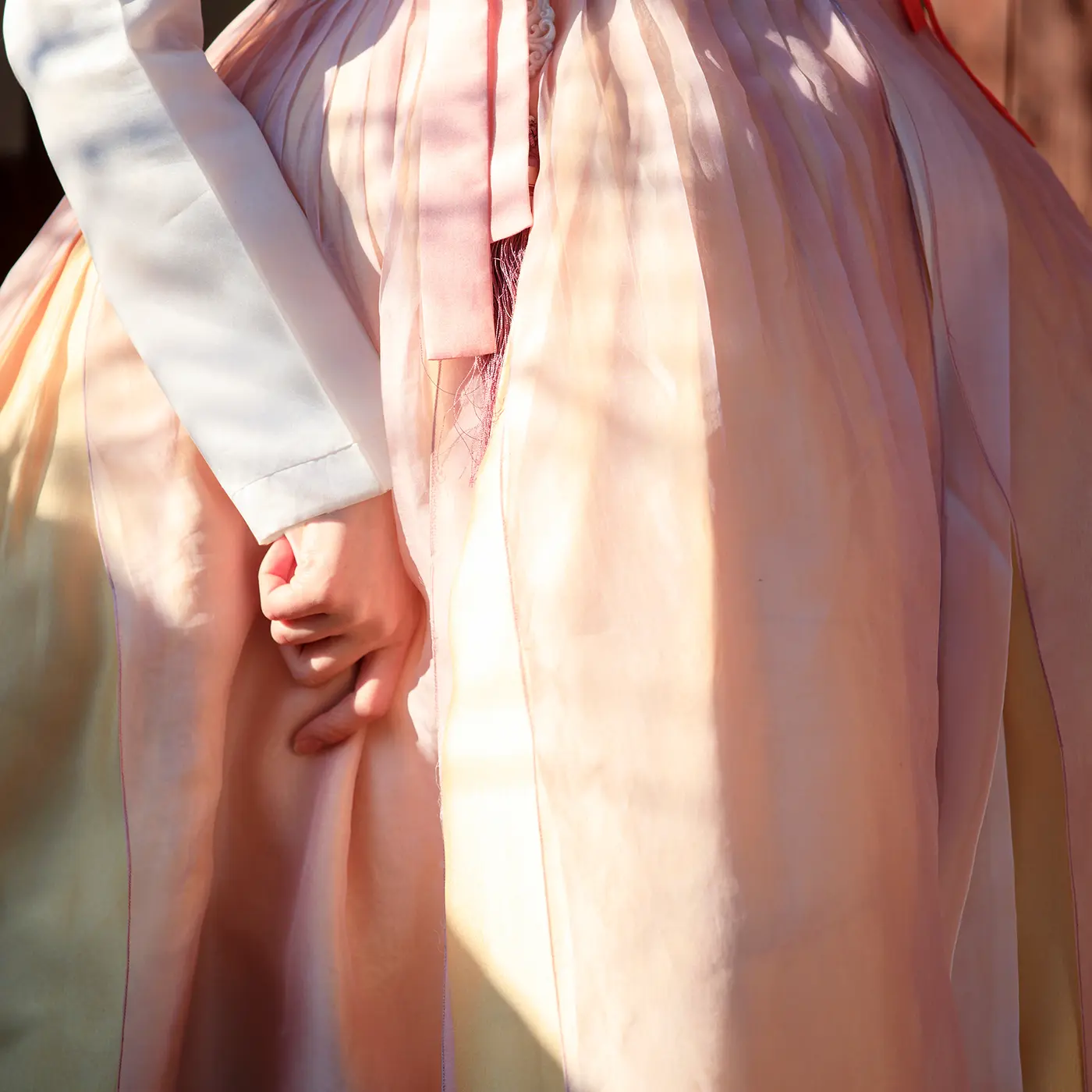
Korean fashion is finding new ways to bring traditional aesthetics into contemporary clothing. Rather than simply recreating hanbok, designers are reworking its silhouettes, materials, colors, and motifs into pieces that feel natural in everyday wardrobes.
Korean Fashion Reinterprets Tradition Without Looking Like a Costume
One of the most interesting shifts in Korean fashion is the way designers approach tradition. In the past, Korean-inspired fashion often focused on modernizing hanbok itself or recreating traditional garments in a contemporary style. Today, the approach feels more subtle.
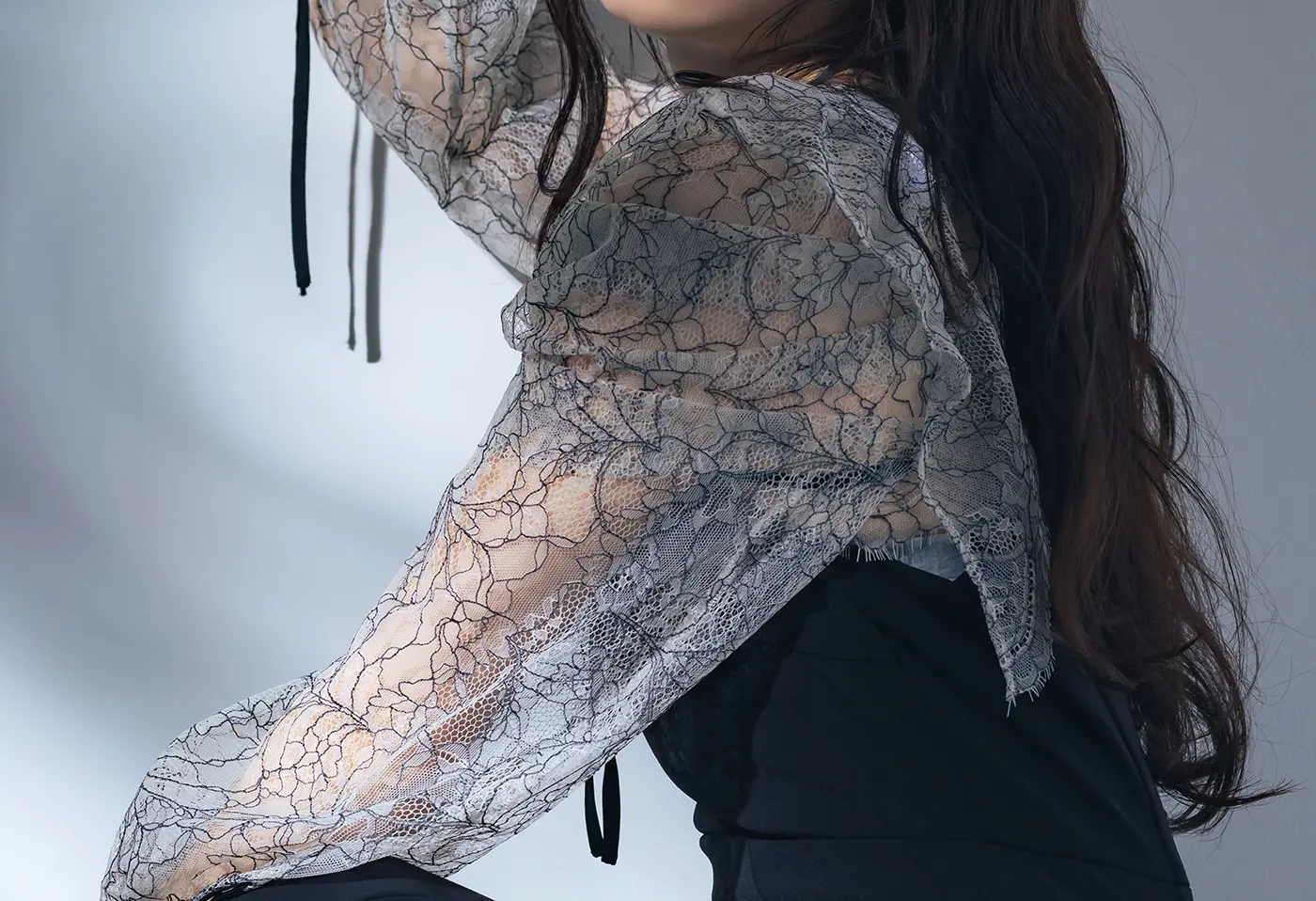
Designers often take individual elements from hanbok and incorporate them into modern clothing. The relaxed, generous silhouettes and curved lines of traditional Korean dress can appear in contemporary jackets and dresses.
Traditional knots, embroidery, and even the structure of bojagi wrapping cloth can inspire details on bags, accessories, and other everyday pieces.
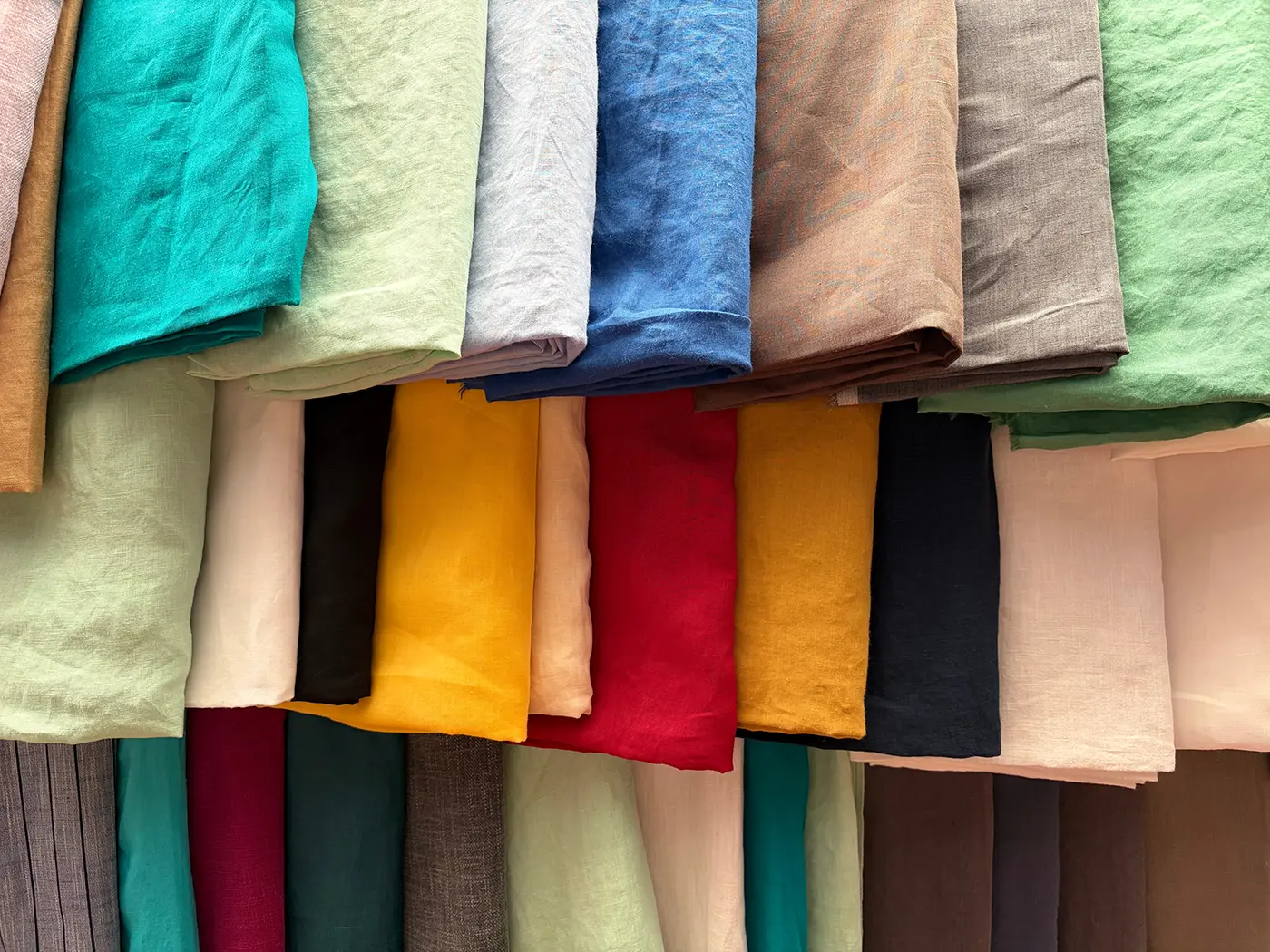
Color also plays an important role. Instead of copying traditional color palettes or patterns directly, designers can reinterpret them through modern combinations, prints, and graphics. These details can create a distinctly Korean mood without making the entire outfit look traditional.
That approach also makes traditional aesthetics easier to wear. Someone might recognize a modern jacket or dress first, then notice the Korean influence in its silhouette or details. Korean fashion does not have to look like hanbok to feel connected to Korean culture.
How Seoul Designers Are Giving Traditional Aesthetics a Modern Edge
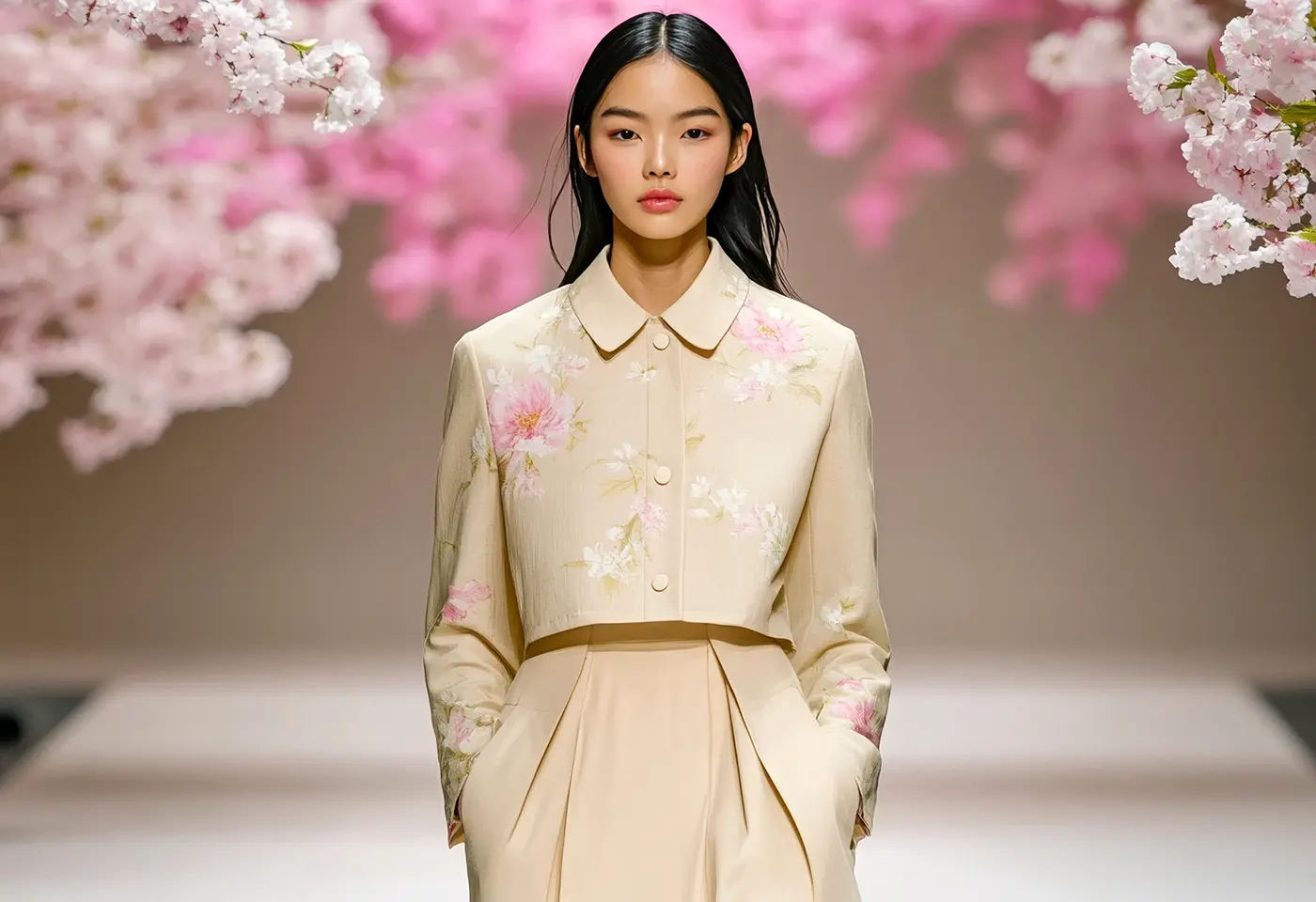
This shift in Korean fashion has become increasingly visible across Seoul. Seoul Fashion Week has featured designers experimenting with Korean-inspired materials, silhouettes, and traditional motifs while placing them within contemporary collections.
The interesting part is that these designs do not always announce themselves as Korean. International audiences might first see a polished, contemporary look and only notice the cultural references after looking more closely.
*
For example, designers can draw inspiration from the voluminous sleeves, layered construction, and distinctive closures found in traditional Korean clothing. They can also combine traditional materials with modern fabrics to create something that feels completely different from historical dress.
Ultimately, today’s designers are not simply borrowing a traditional garment. They are borrowing its visual language.
That makes modern Korean fashion less about recreating hanbok and more about translating Korea’s traditional sense of shape, balance, color, and texture into clothing people can actually wear today.