
Jeonju Hanok Village, Built as an Act of Resistance
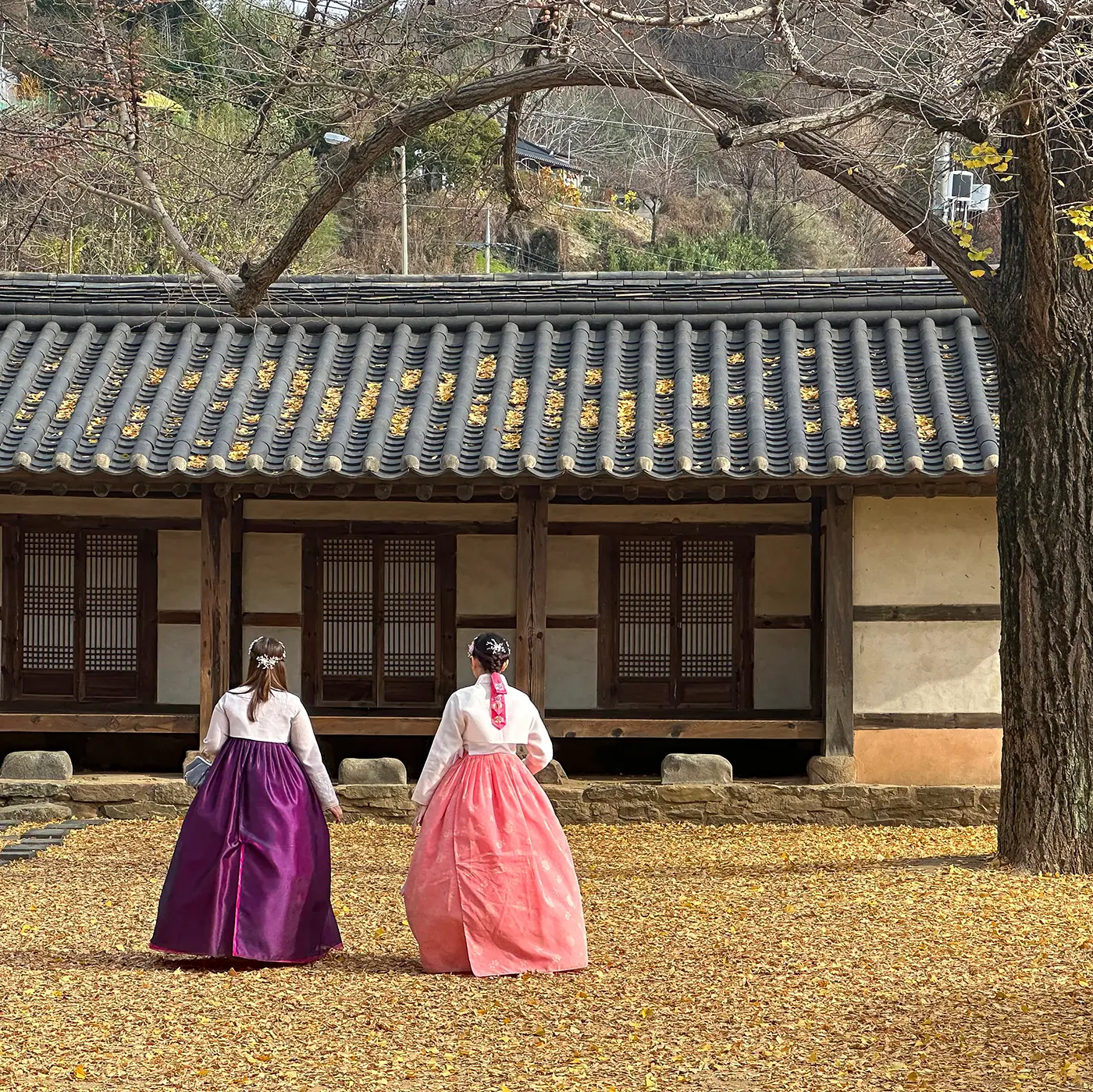
Jeonju Hanok Village is often described as a preserved slice of old Korea, with roughly 800 traditional houses gathered in one place. But that description gets the story backward. Most of these hanok are not ancient houses that survived from the Joseon era.
Many were deliberately built in the 1930s, during Japanese colonial rule, as the neighborhood took shape in response to the changing city around them.
Jeonju Hanok Village Was a Statement, Not a Leftover
In the early 20th century, Japanese authorities dismantled Jeonju’s fortress walls to build roads and expand into the city center, displacing Korean residents in the process.
Local yangban families responded by building dense clusters of hanok in the Gyo-dong and Pungnam-dong areas, creating a visible expression of Korean identity as Japanese influence expanded.
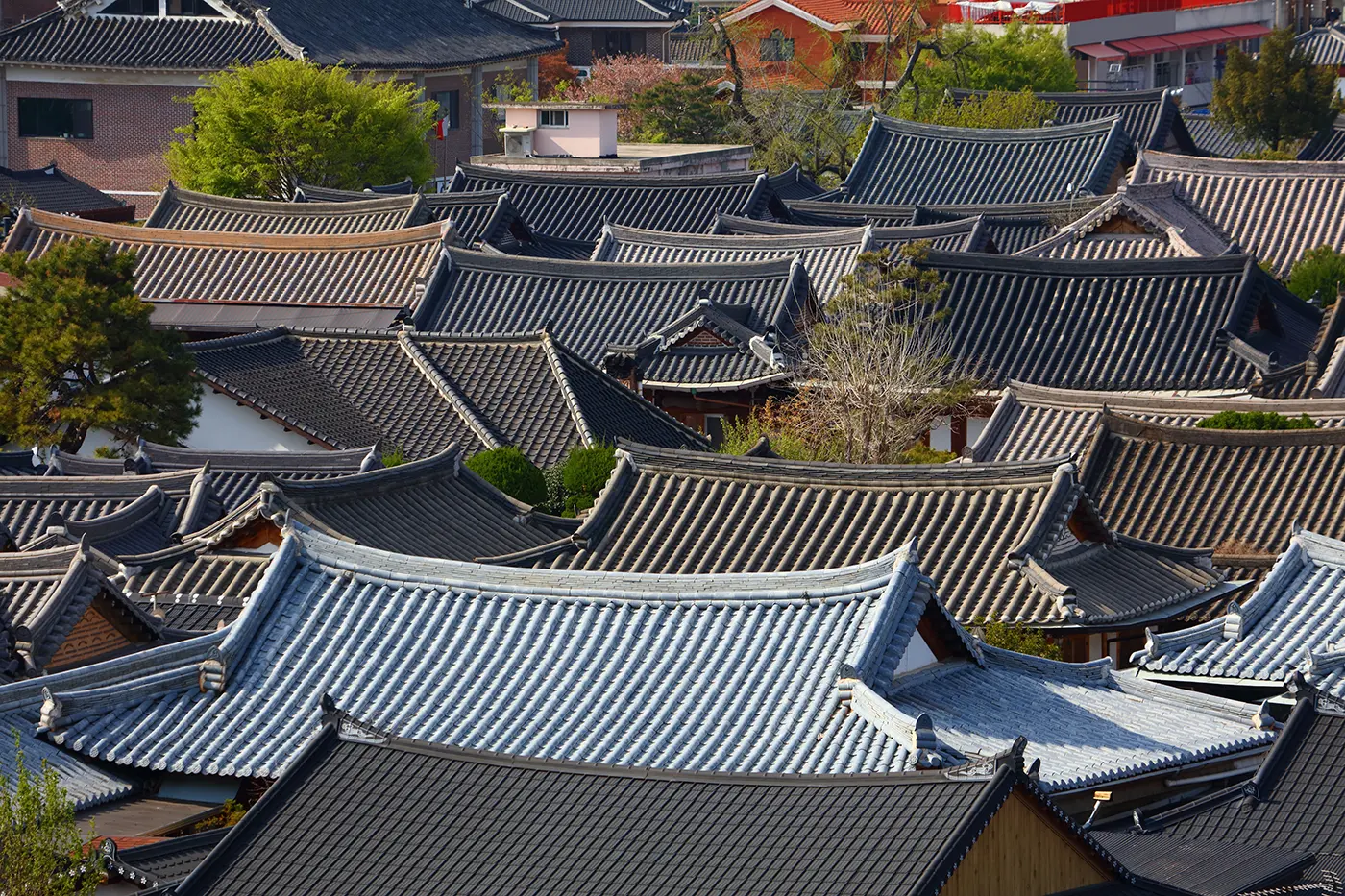
This is one of the details many guides leave out. Building a courtyard hanok with a tiled roof was significantly more expensive than the thatched-roof houses common at the time. These homes were therefore more than architecture. They were visible and costly statements about the identity of the neighborhood and the people who lived there.
In 1978, authorities designated the area as a historic preservation district, and Jeonju Hanok Village became the country’s largest concentration of traditional hanok residences.
What Success Did to the Village
This is where the story becomes more complicated. Annual visitors to Jeonju Hanok Village rose from roughly one million in 2006 to more than eleven million by 2017, and the neighborhood changed along with them. Of the 506 commercial facilities operating in the village, more than half opened after 2013.
The numbers behind that growth tell another part of the story. Traditional tea houses fell from ten to six, while professional handicraft workshops were gradually replaced by modern souvenir shops.
Street stalls selling baguettes, ice cream, chocolate pies, skewers, and other foods unrelated to hanok culture spread throughout the village, catering to tourist foot traffic.
Critics have argued that the district effectively traded traditional culture for mass tourism, and the growth of commercial facilities makes that criticism difficult to ignore.
The same pattern can be seen in Bukchon in Seoul and Gamcheon in Busan, but it carries a particular irony here. A neighborhood that took shape as an expression of Korean identity during a period of cultural pressure is now being criticized for allowing its own traditional culture to fade in pursuit of visitors.
What’s Still Genuinely Here
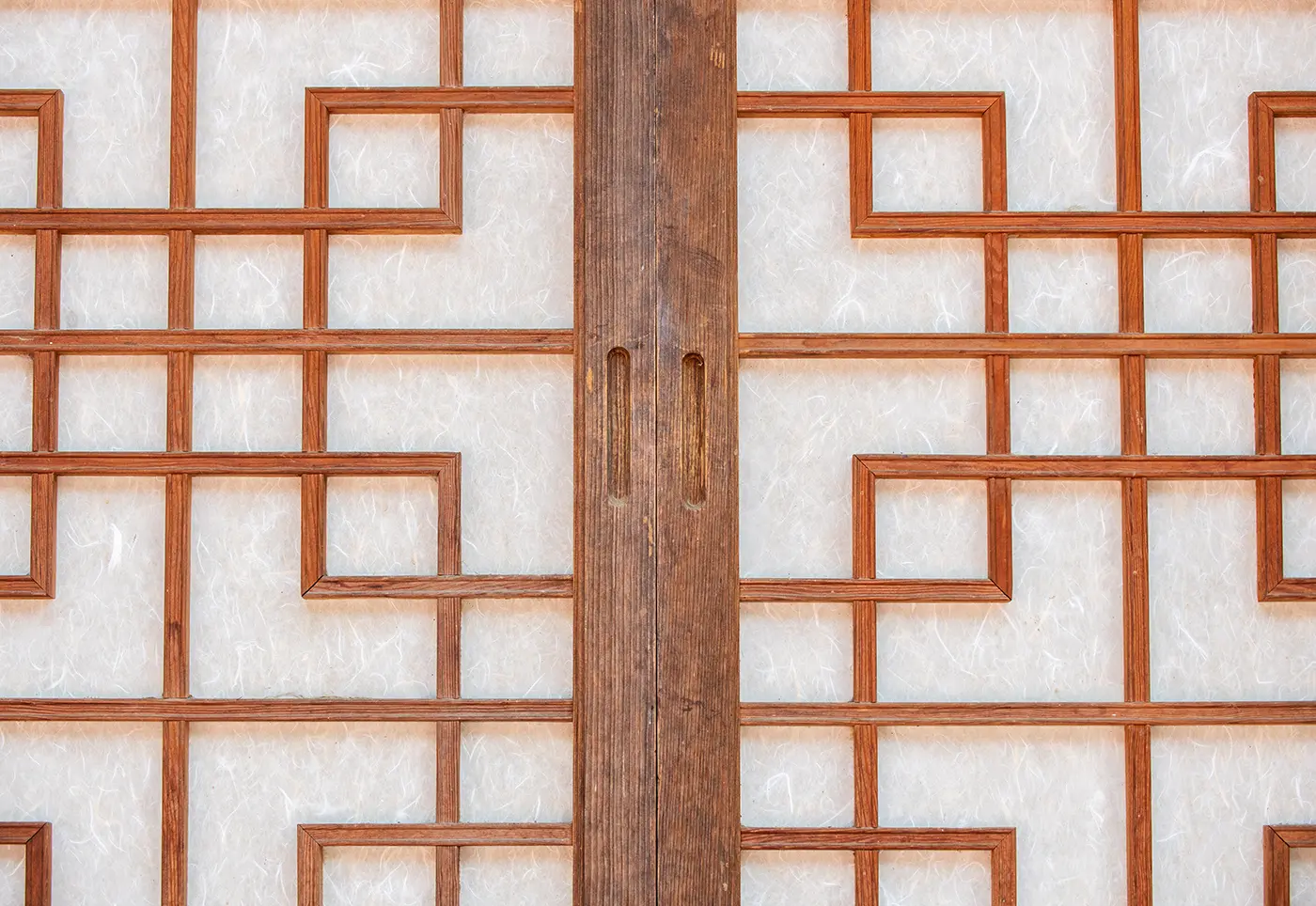
The more cynical interpretation is not the whole story. Traditional hanji, Korea’s handmade paper, is still produced in Jeonju, and Japan remains an important export market for it.
Visitors can take part in papermaking programs and even design their own patterns, which can make for a considerably more meaningful afternoon than simply queuing at a souvenir shop.
Traditional pansori performances, ceramics workshops, calligraphy studios, and traditional liquor-making programs are still operating as well. Many are run by civic groups and practitioners who have spent decades preserving these traditions.
The challenge is knowing where to find them, since they do not compete for attention in the same way as food stalls and souvenir shops. If you want to experience the side of Jeonju Hanok Village that made preserving the neighborhood worthwhile in the first place, these are the places to seek out.
Visiting Jeonju Hanok Village Without Just Adding to the Crowd
Jeonju Hanok Village sits about 200 kilometers south of Seoul and can be reached by KTX to Jeonju Station, followed by a short bus ride. Unlike Bukchon, where tourist access is now restricted during certain hours and violations can result in fines, Jeonju Hanok Village has no comparable formal access restrictions.
That puts more responsibility on visitors to behave respectfully without being told to do so.
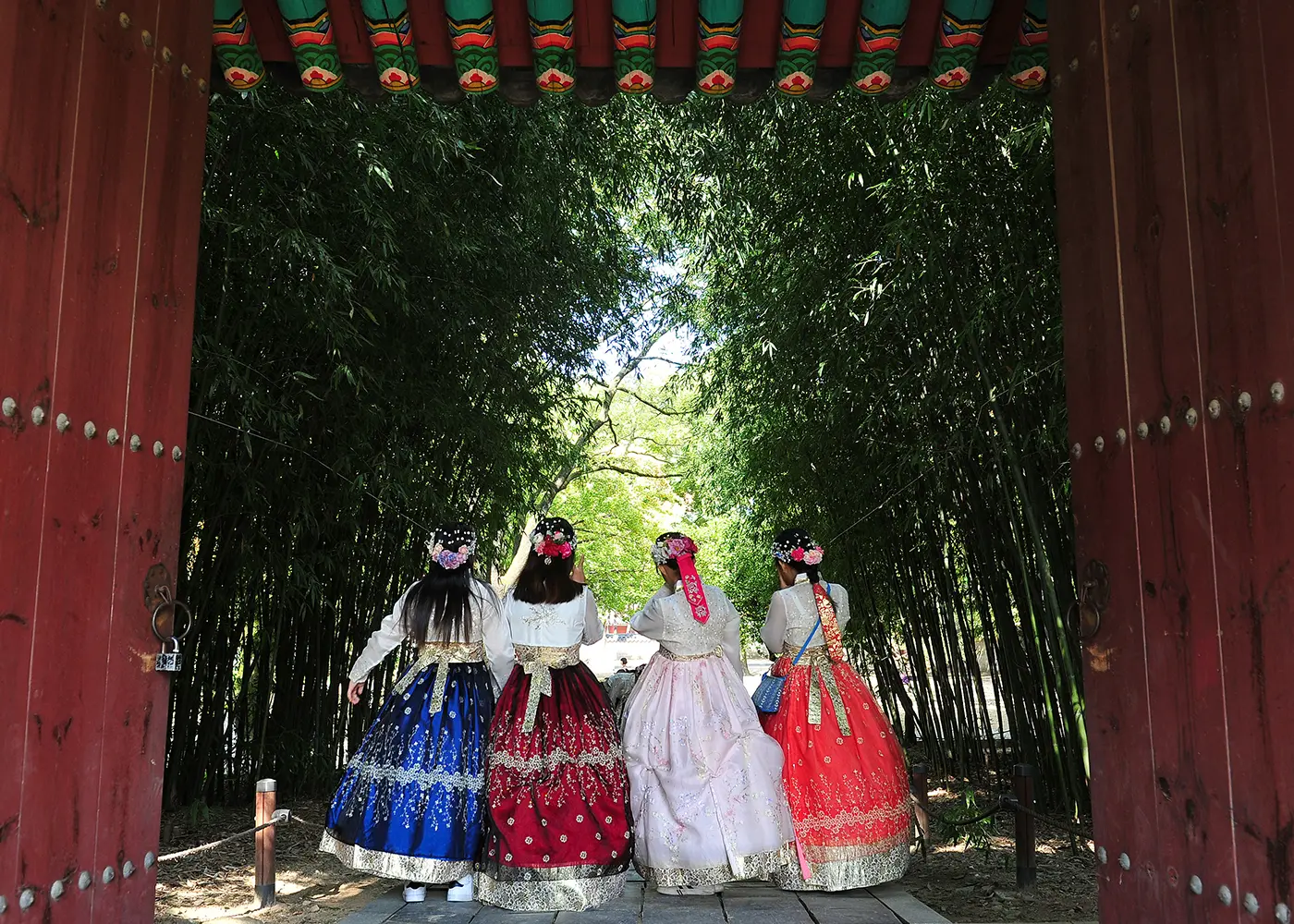
Prioritize the workshops and craft studios over the main commercial streets, especially in the morning before the day-trip crowds arrive. Hanbok rental is widely available and can genuinely add to the experience.
The village’s bibimbap also lives up to its reputation, since Jeonju is widely regarded as the birthplace of the dish. Just keep in mind that the lanes appearing most often in photographs are usually the most commercialized, while the quieter side streets are where the original character of the neighborhood still comes through.
These houses were built by people who wanted to make a statement, at considerable expense, during an occupation that was actively reshaping the city and suppressing Korean identity. That history is still standing there today.
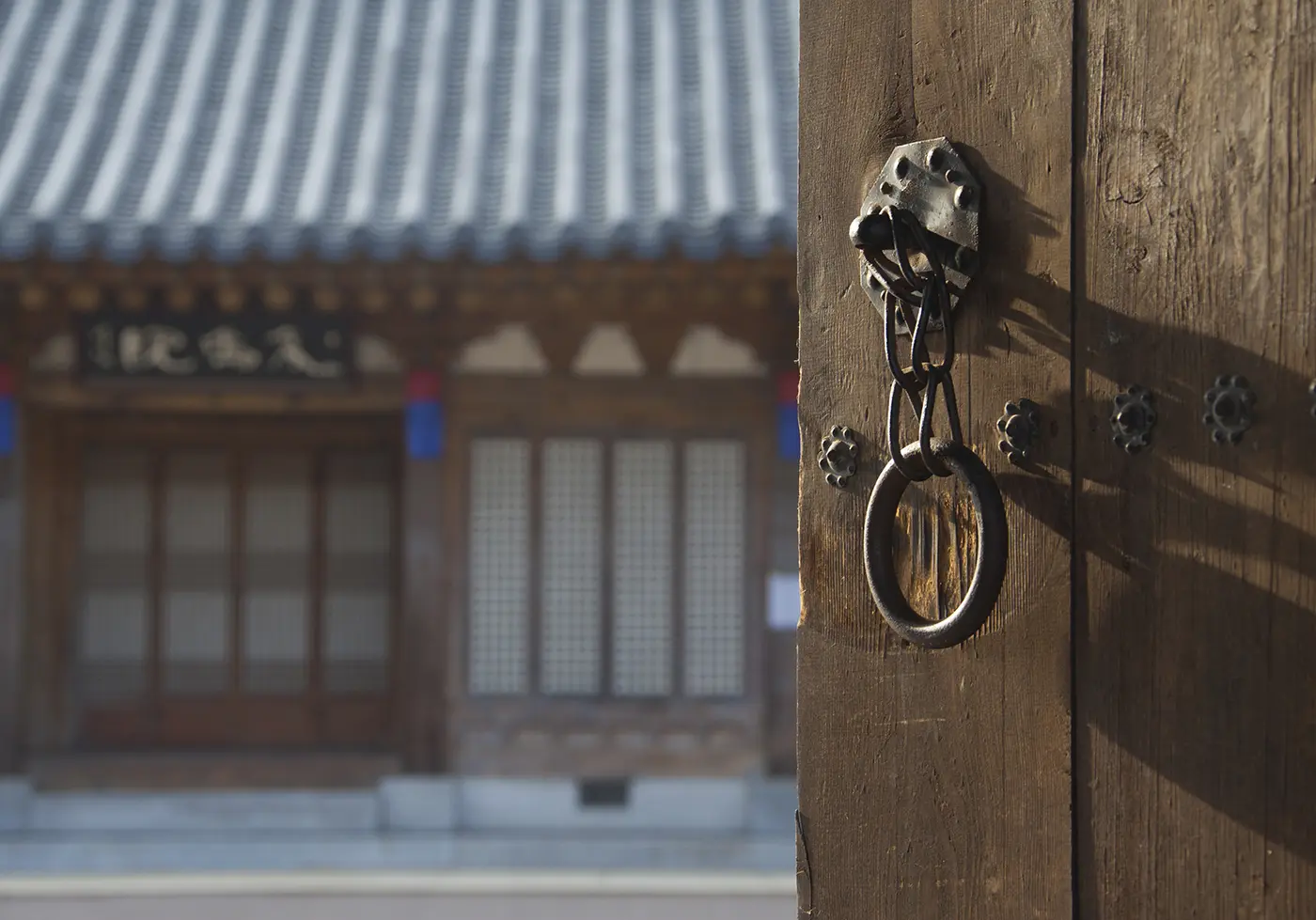
Renting a hanbok and exploring the village is certainly one of the best ways to experience it.
But don’t stop at the photos. Take a moment to learn how this neighborhood came to be, because the appeal of Jeonju Hanok Village goes beyond its beautiful houses.