
How to Drink Soju: The Rules Nobody Explains
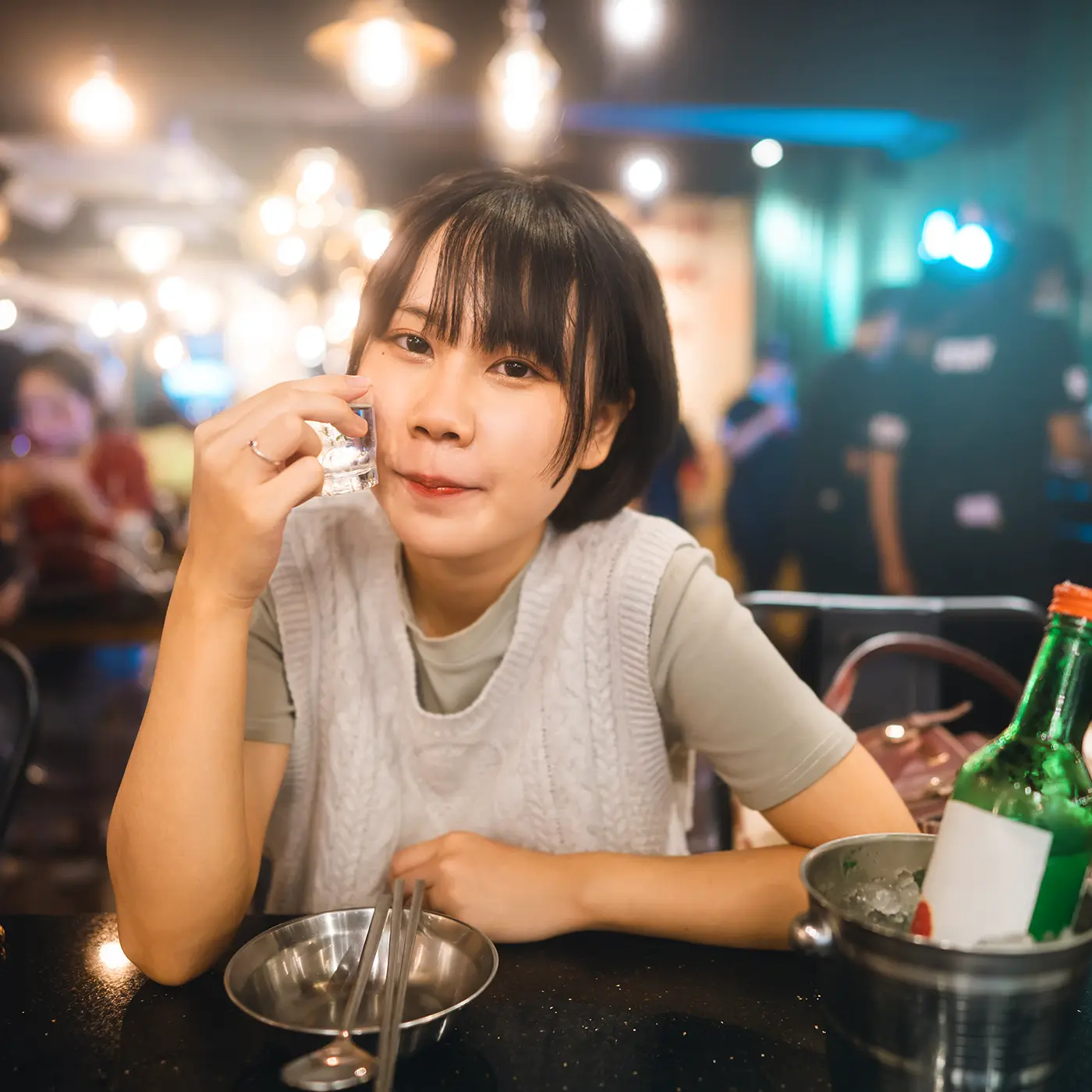
Learning How to drink soju has less to do with alcohol tolerance than many people assume. The bottle itself is the easy part. What surprises foreign visitors are the unwritten rules around it. Koreans often follow them without thinking, so they may not explain them until someone breaks one by accident.
How to Drink Soju Without Making the Most Common Mistake
The most important rule is simple: don’t pour your own glass. Someone else fills yours, and you fill theirs. The table keeps track without anyone saying a word. Pouring your own drink can seem impatient or slightly antisocial, depending on the group.
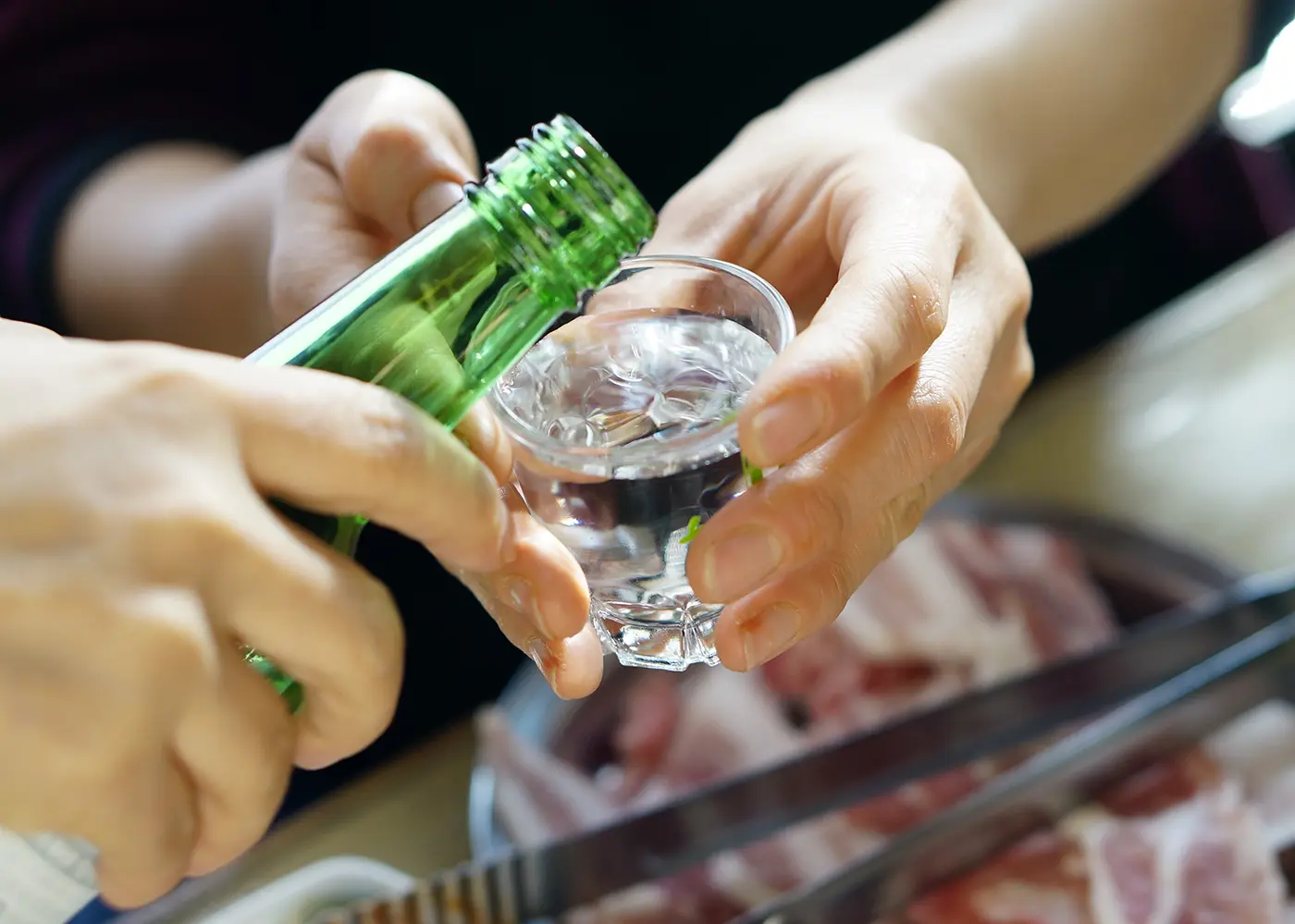
When an older person or senior pours your drink, hold the glass with both hands. You can also support your other forearm with one hand. Do the same when you pour for them. This two-handed gesture shows respect in Korean social life. You will also see it in many situations outside the drinking table.
The third point is the one visitors often miss. When you drink in front of someone significantly older, turn your head slightly away as you take the shot. It is a small gesture, so it is easy to forget. Koreans often notice when someone remembers to do it. None of these rules are really about alcohol.
They show that you understand everyone’s position within the group. The same social logic explains why Koreans often ask about your age soon after meeting you.
What to Actually Order and How to Drink Soju Mixed
Straight soju comes chilled in small shot glasses. People usually drink it with food rather than on its own. Drinking without anju, the shared dishes served with alcohol, can feel unusual in Korea. If you want to follow the table’s pace, having some food with your drink makes sense.
Somaek, a mix of soju and beer, is a common choice at Korean group dinners. For first-time drinkers, it can also taste smoother than straight soju.
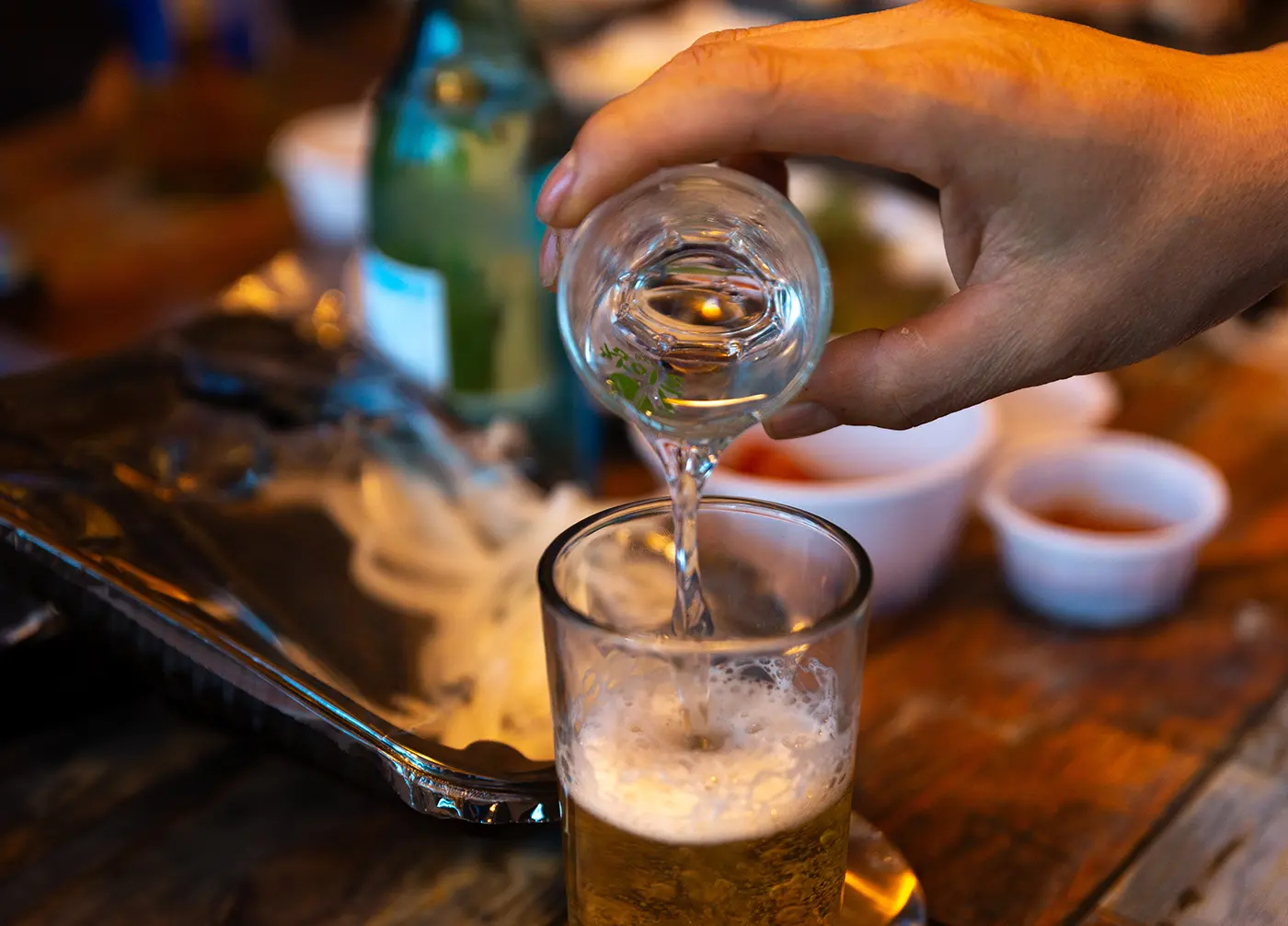
The ratio varies from person to person and from table to table. Making the “perfect” mix has even become a small ritual of its own. If someone hands you a somaek they mixed for you, take it as a small gesture of goodwill rather than a challenge.
Flavored soju comes in varieties such as peach, grape, and green grape. These drinks usually have a lower alcohol content than regular soju. They can make a good introduction if straight soju tastes too strong. Whatever the internet says, Korean drinkers generally do not judge you for ordering one.
How to Refuse a Drink Without Causing a Problem
This is the part that many guides leave out. It is also one of the most useful things for foreign visitors to know.
You can refuse a drink. One practical option is to accept the pour, touch the glass to your lips, and set it down without finishing it. This lets the person pouring complete the social gesture. At the same time, you do not have to drink more than you want. These days, few people treat a half-full glass as seriously as they might have twenty years ago.
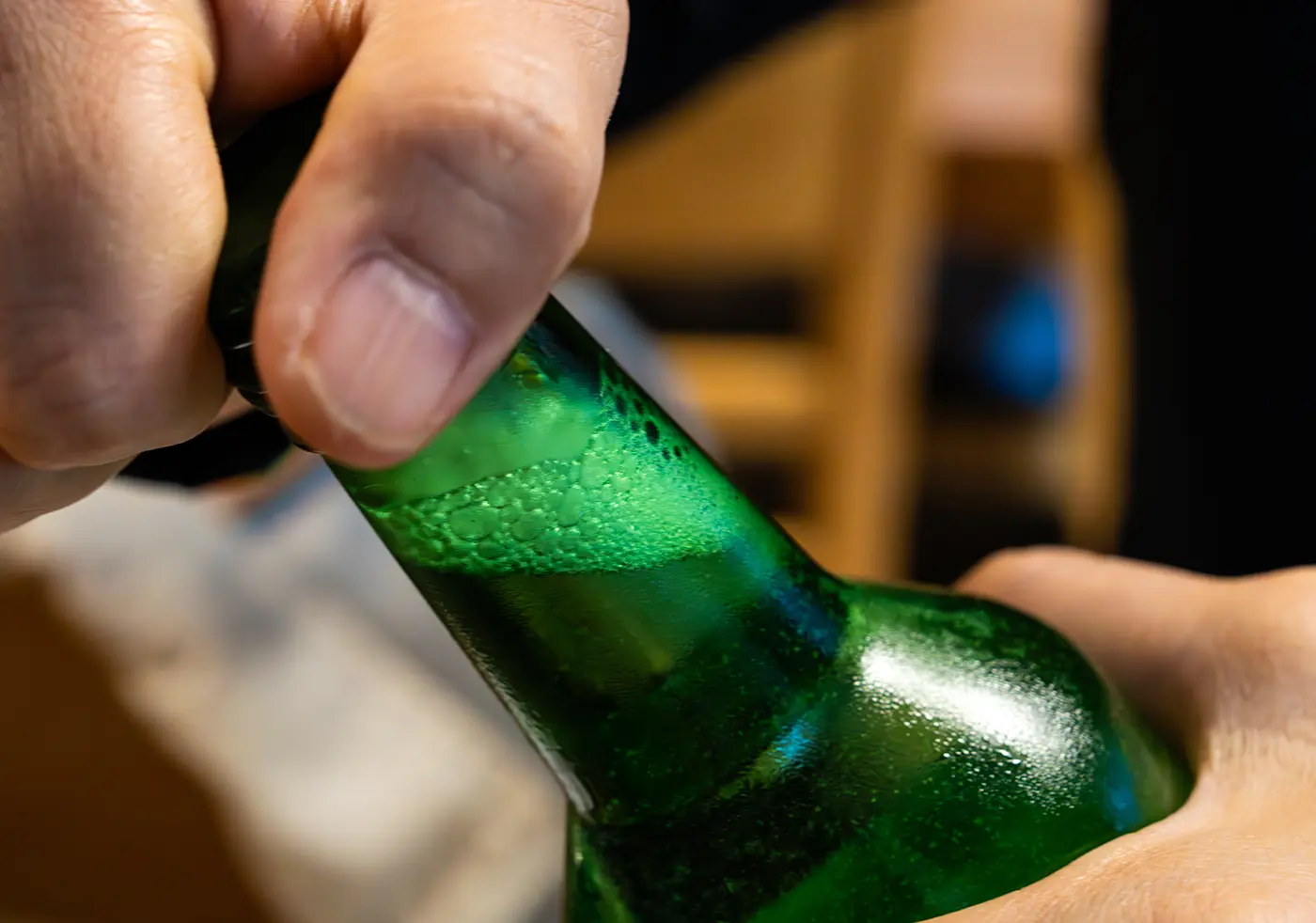
If you cannot drink alcohol at all, say so early rather than halfway through the evening. “저는 술을 못 마셔요” (jeoneun sureul mot masyeoyo) means “I can’t drink alcohol.”
People will usually understand immediately. Health reasons, medication, or simply choosing not to drink can all be valid explanations. The pressure to explain further has also declined in recent years.
The Culture Is Changing Faster Than Its Reputation
Korea’s reputation for heavy drinking partly comes from an older workplace culture. In that culture, refusing a superior’s drink could genuinely be difficult. That kind of setting still exists in some places, but it has clearly become less common.
Younger Koreans are drinking less, and workplace dinner culture has become much more relaxed since the pandemic. The expectation that everyone should stay through a third round has also weakened across many industries.
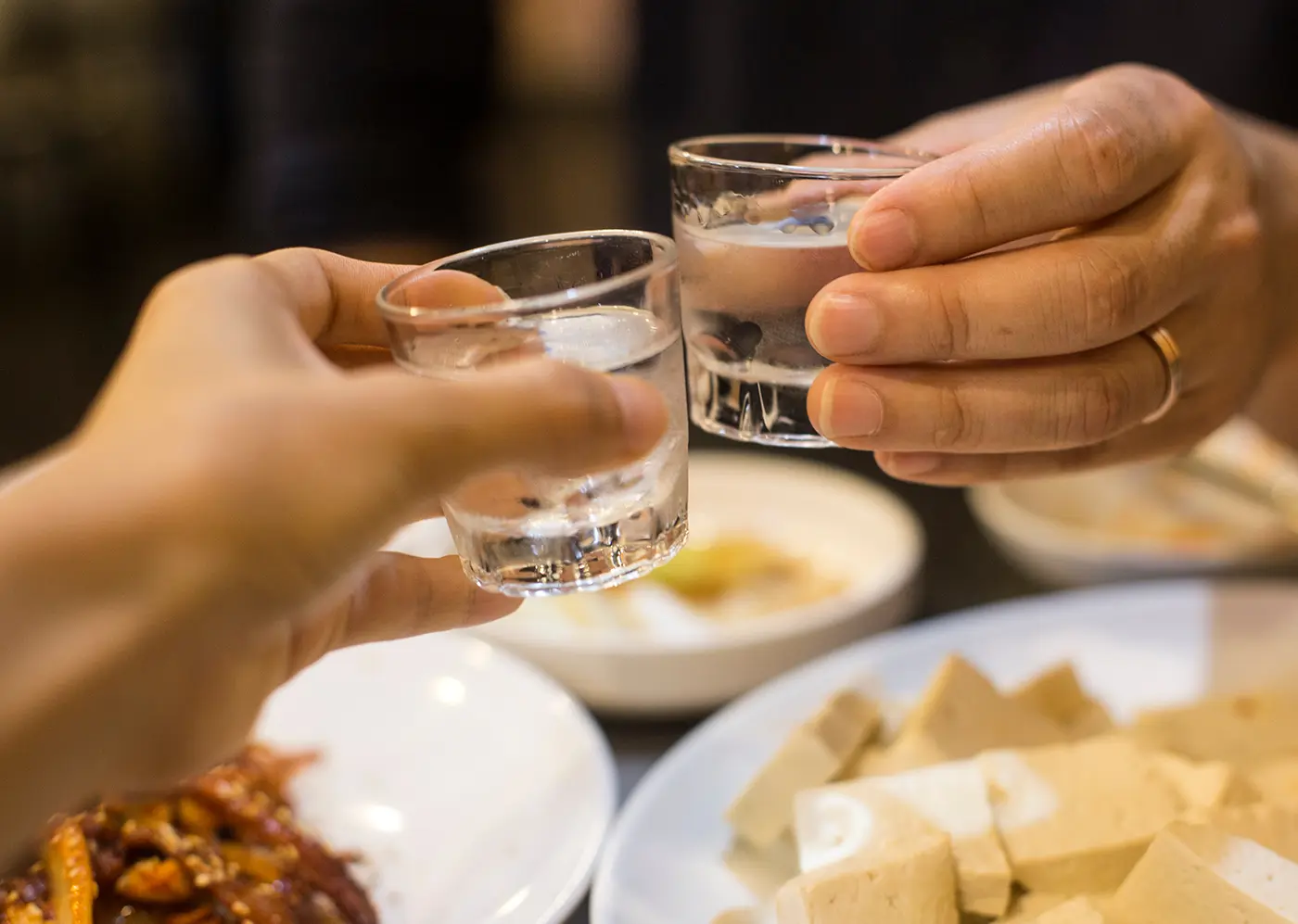
The rules around how to drink soju now survive more as courtesy than obligation. Knowing them can help you become a considerate guest without making you feel trapped at the table.
If you remember only one thing about how to drink soju, fill someone else’s glass before your own. The rest of the table will usually take care of you for the rest of the night. Most of the other rules grow from that one gesture.
In the end, it is simply a formal way of showing that, in Korea, drinking is something people do for each other rather than only for themselves.