
Gyeongpo Beach: Two Waters, One Shoreline
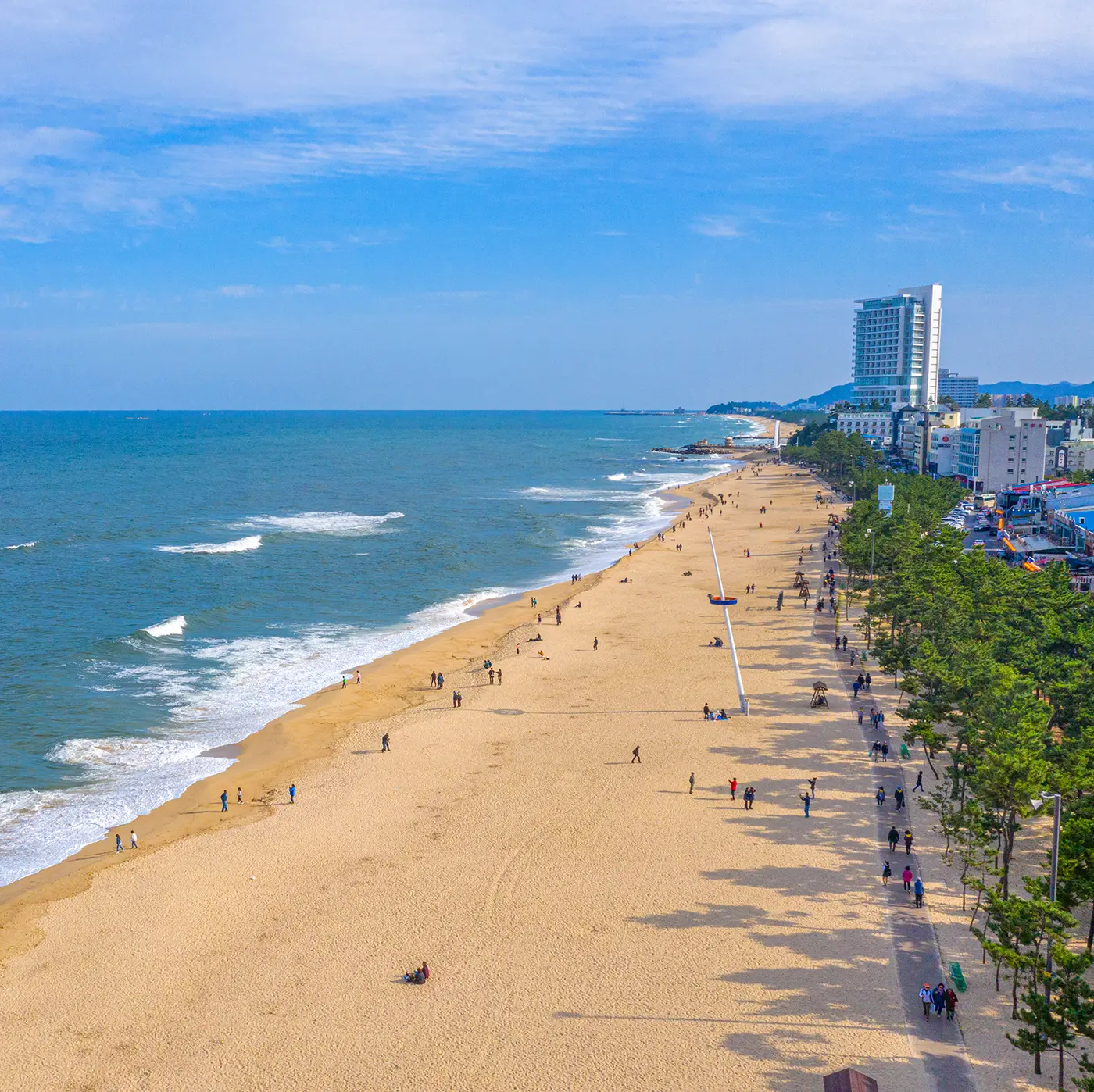
Gyeongpo Beach is usually introduced as one of the beautiful sandy beaches along Korea’s east coast. But that description misses one detail that makes the area genuinely unusual: the sea sits on one side, while a freshwater lake lies just a few steps away on the other.
Gyeongpo Beach Is Actually Two Different Bodies of Water
Most Korean beaches are exactly what they appear to be: a shoreline and the sea. Gyeongpo Beach breaks that pattern. Gyeongpo Lake sits directly beside it, separated by only a narrow strip of land and a walking path.
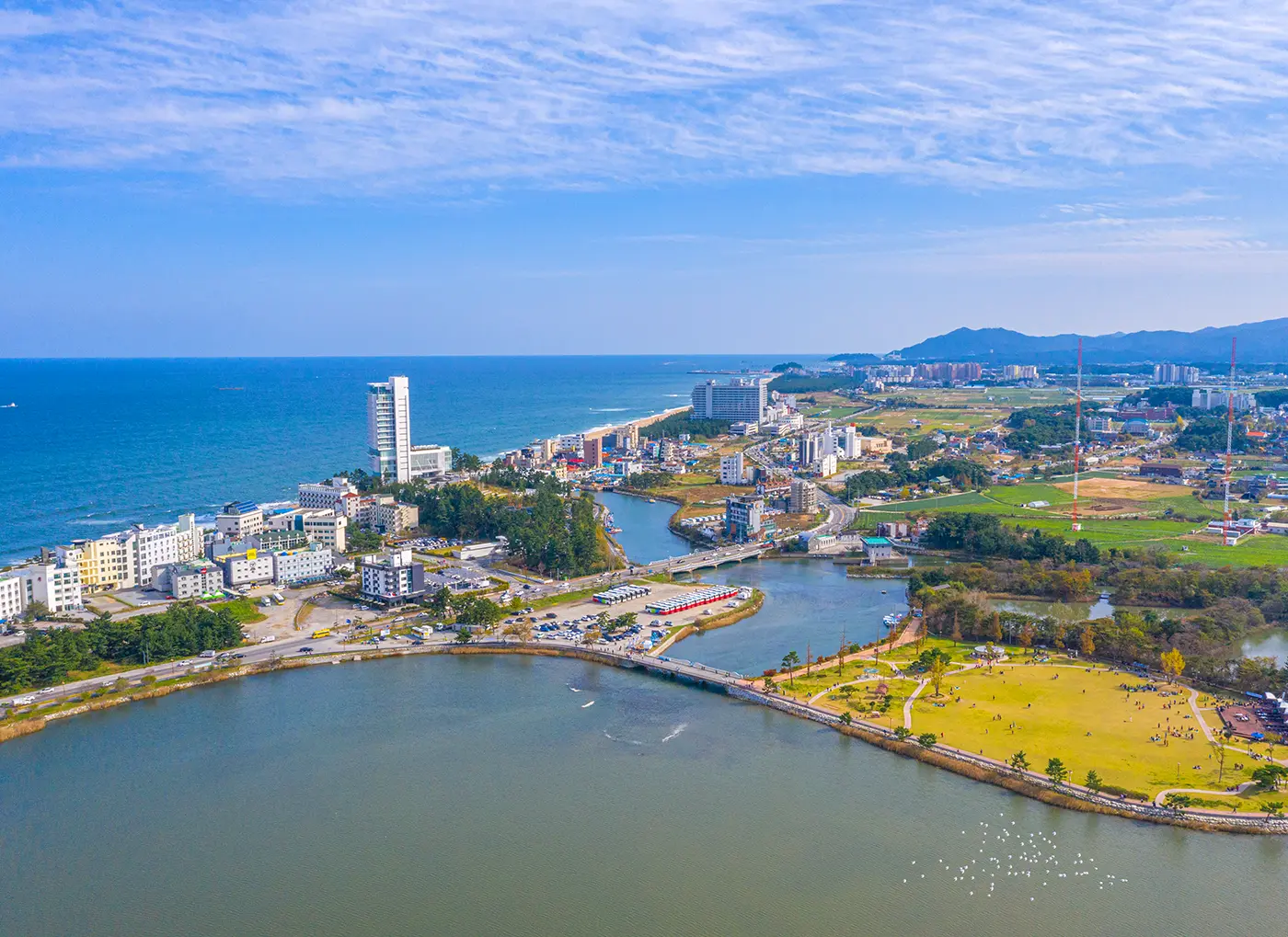
You can swim in the East Sea in the morning and stroll beside a quiet freshwater lake in the afternoon. You barely have to leave the area to experience both.
The combination is unusual enough on its own. The roughly 2-kilometer walking route connecting the beach and lake also changes with the seasons. Cherry blossoms appear in spring, sunlight scatters across the water in summer, autumn brings colorful foliage, and winter can cover the landscape in snow.
Locals sometimes call the lake “Gyeongho” as a nickname. That small detail hints at how deeply the lake is woven into the identity of the city, rather than serving simply as a stop for passing tourists.
A Ten-Year-Old Boy Wrote a Famous Korean Poem Here
Above the lake stands Gyeongpodae Pavilion, a historic structure that dates back to 1326. Inside, visitors can find a piece of writing that many people pass without noticing. The poem, known as “Gyeongpodaebu,” was written by the scholar Yulgok Yi I when he was just ten years old.
Centuries later, King Sukjong also left a poem at the same pavilion. The writing of a young prodigy and that of a king eventually came to rest beneath the same roof.
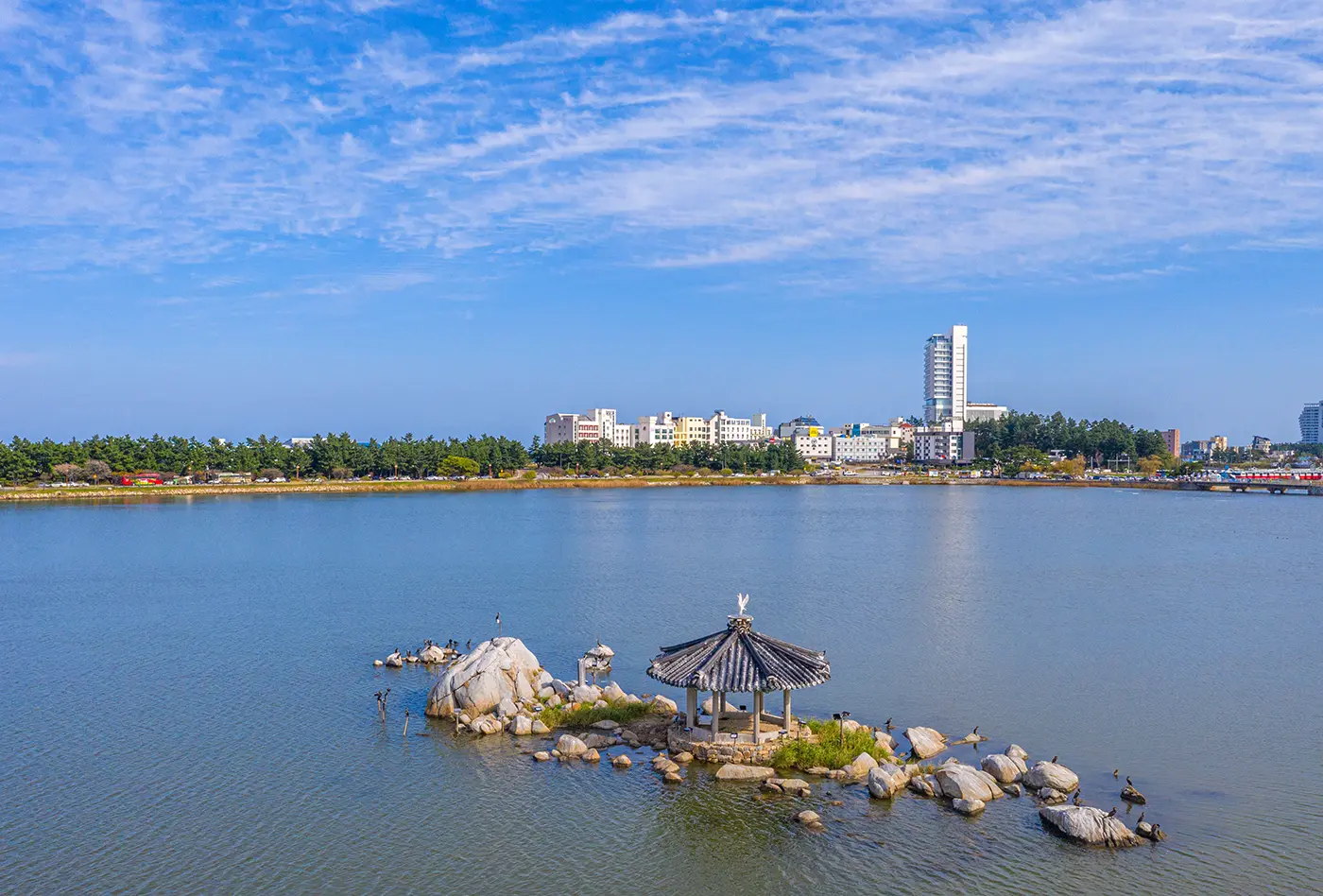
Yulgok later became one of the most influential Confucian scholars of the Joseon period. His portrait also appears on Korean banknotes today. Standing at Gyeongpodae and looking across the lake, it is easy to imagine the landscape that inspired a ten-year-old boy to write something people would still read centuries later.
I spend most of my days moving fast, and standing there, I found that nature stopped feeling like scenery. The old Confucian view saw nature as a vast order formed when the energy of the universe resonates with all things. Looking out across that landscape, I understood something about those old scholars: their resolve to shed small ambitions and devote themselves to the world wasn’t separate from nature. It was the same principle, read from the same view.
What Is Actually Around Gyeongpo Beach?
Gyeongpo Beach stretches for roughly 1.8 kilometers, with a wide stretch of fine sand. Even during the busy summer season, the beach can feel less crowded than the number of visitors might suggest.
You’ll often see people surfing, camping near the beach, or walking along the shore with their dogs. A mushroom-shaped breakwater has also become an unofficial photo spot. Parking, however, can become frustrating during peak vacation season.
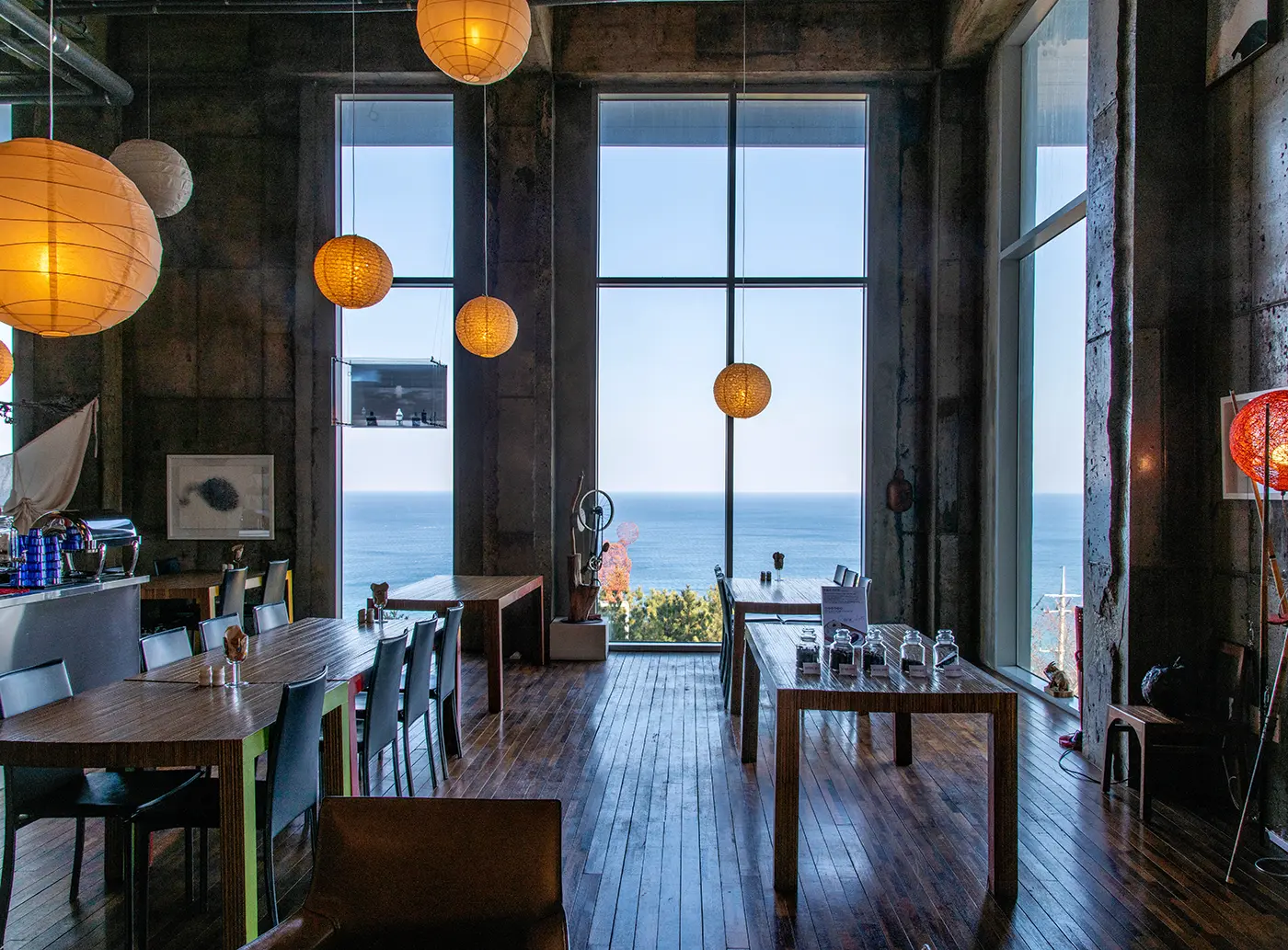
A short walk or drive takes you toward Gangneung’s famous coffee street. Dozens of independent roasteries and cafes line the coast, many with views directly toward the sea.
If you’re building an east coast itinerary, Gyeongju is worth adding for its Silla-era history.
That makes it easy to turn a quick beach stop into a full afternoon. Go for a swim, explore the local area, and try some of Gangneung’s seafood afterward. You may even encounter a type of seafood you’ve never tried before.
Seafood lovers should also know the area is known for its red snow crab stew, much like Pohang further south.
The Many Sides of Gyeongpo Beach
If you’re a younger traveler, try walking onto the sand late at night. Music and groups of young people can keep the beach alive long after sunset.
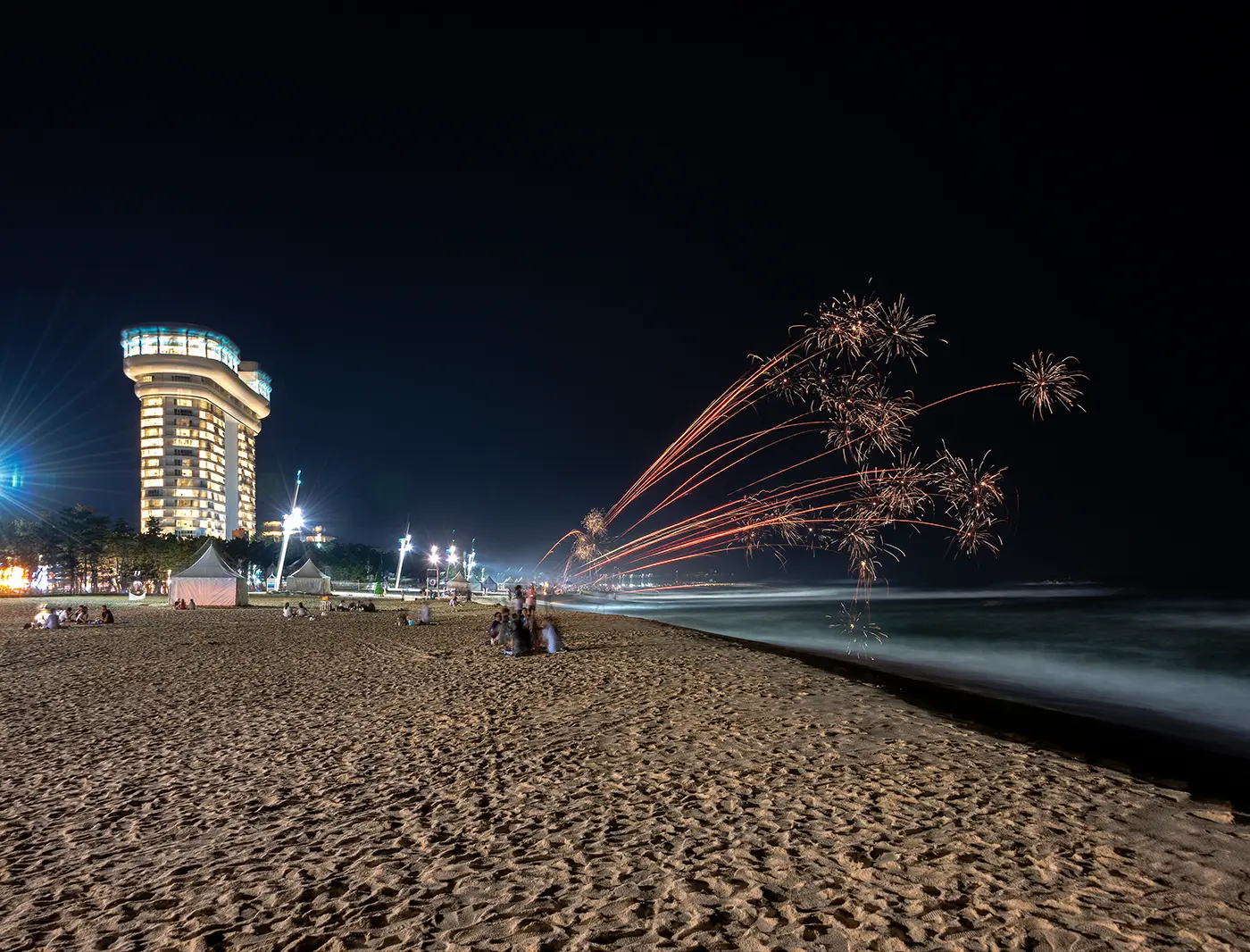
Even after dark, people sit scattered across the sand. Fireworks occasionally light up the sky before disappearing again. Compared with the quiet beach you saw during the day, the nighttime atmosphere can feel like an entirely different place.
If you remember just one thing about Gyeongpo Beach, make it this: few places in Korea let you combine a full day by the sea with a peaceful lakeside walk within such a compact area.
And behind it all sits a poem written by a child, long before anyone thought of Gyeongpo as a tourist destination.