
Gua Sha Is Still One of the Biggest Beauty Trends
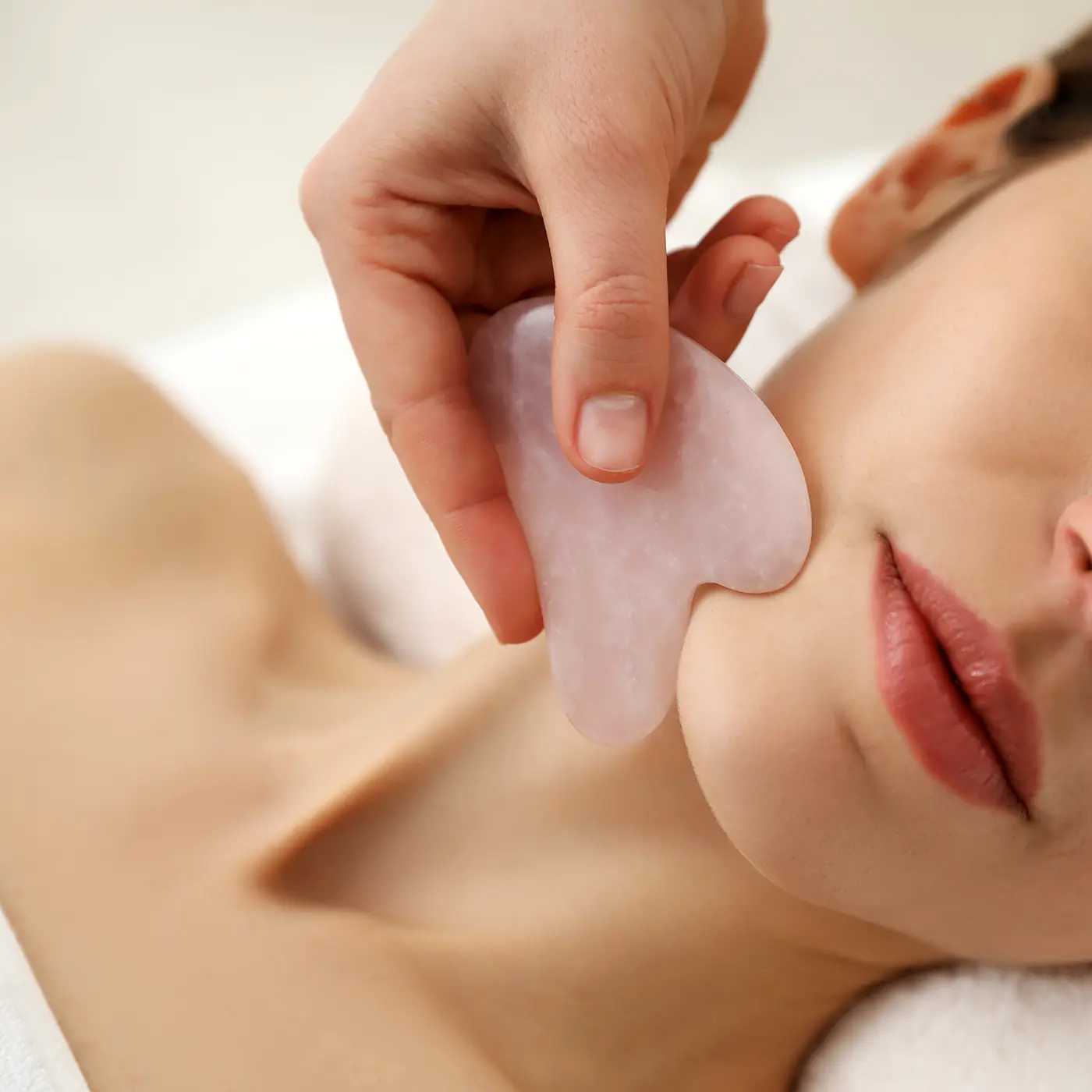
Gua Sha has been around for thousands of years, yet it continues to trend in modern skincare. Here’s how this traditional practice evolved into an essential part of today’s K-Beauty routines.
Gua Sha, A Beauty Ritual That Has Lasted for Centuries
If you’ve spent any time on TikTok, Instagram, or YouTube lately, you’ve probably seen someone gliding a smooth stone across their face. That’s Gua Sha. While many people think it’s a new beauty trend, its history stretches back thousands of years.
The name comes from the Chinese words for “scraping” (gua) and “sand” or “rash” (sha), referring to a traditional healing practice that was originally used to encourage circulation and relieve muscle tension.
Historically, Gua Sha was performed on the body rather than the face. Over time, specially designed facial tools became popular, transforming the practice into a modern skincare ritual.
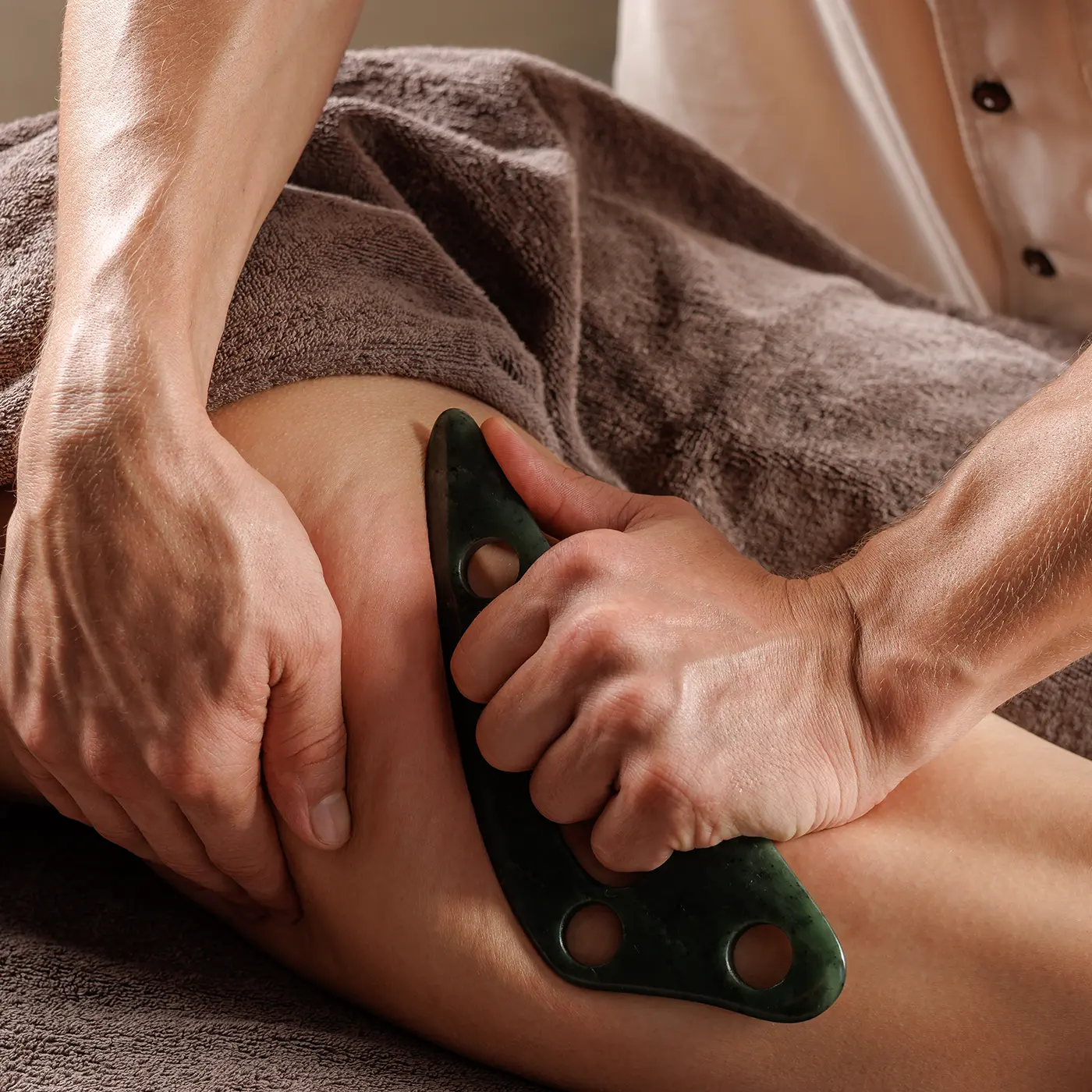
Today, many people use it to gently massage the face after applying serums or facial oils, allowing the tool to glide smoothly across the skin. Interest has grown worldwide as beauty enthusiasts share their routines online.
While many users enjoy the relaxing massage and temporary reduction in facial puffiness, experts note that long-term cosmetic results vary from person to person. It’s helpful to think of Gua Sha as a self-care practice rather than a miracle treatment.
Why It Became Part of the K-Beauty Routine
In Korea, Gua Sha is no longer considered an unfamiliar beauty tool. As K-Beauty gained global popularity, facial massage routines using it spread quickly through YouTube, TikTok, and other social media platforms.
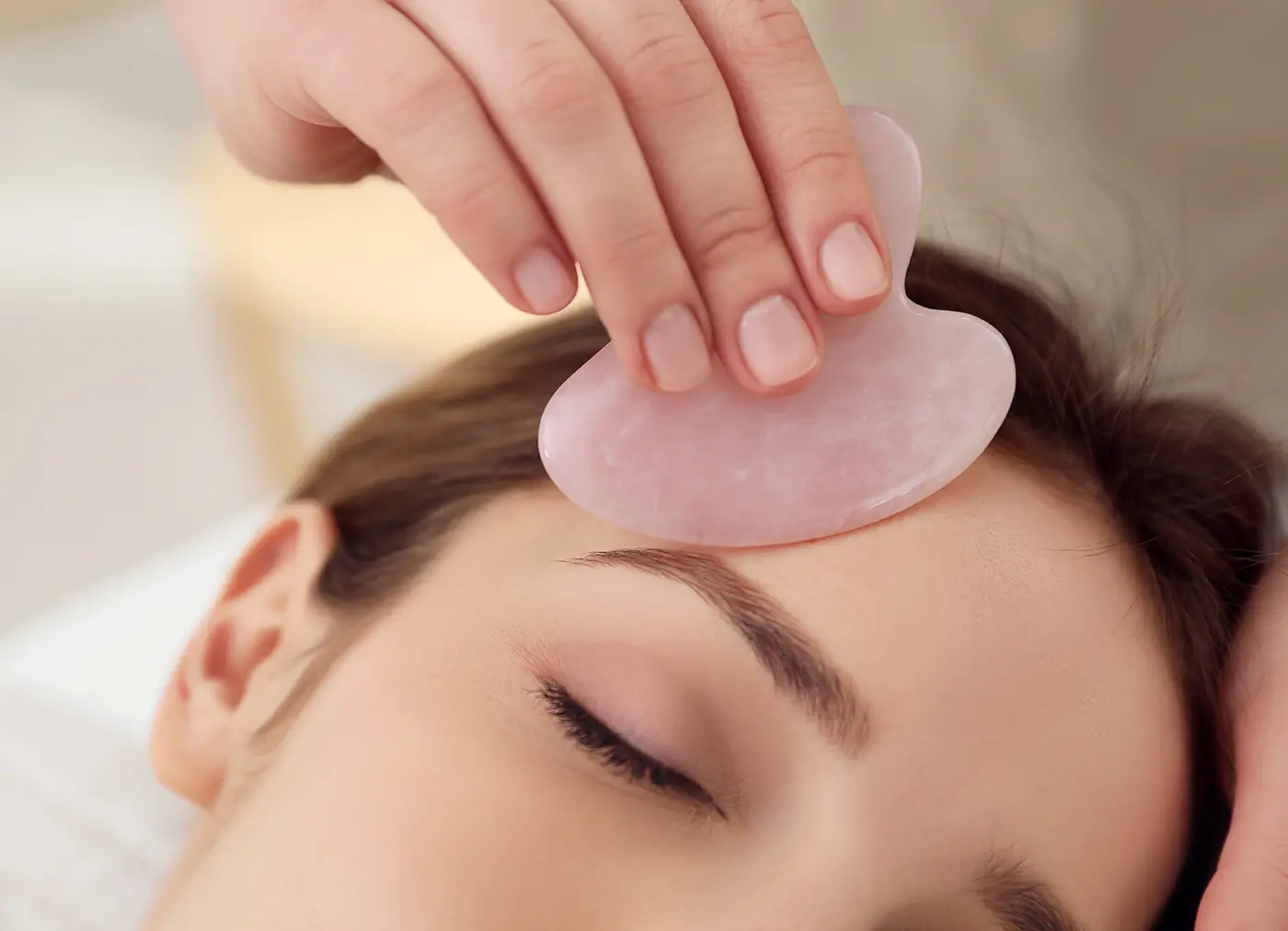
It’s common to see Korean beauty creators using this tool tool before makeup to reduce morning puffiness or after applying skincare products as part of a relaxing evening routine. Some professional makeup artists also include a short facial massage before photoshoots or special events.
Today’s Gua Sha tools come in far more than traditional jade or rose quartz. Stainless steel, ceramic, and other materials have become increasingly popular, while specialized tools are now available for the scalp, neck, and shoulders as well.
At the same time, dermatologists and skincare professionals remind consumers to keep realistic expectations. Gua Sha won’t permanently reshape facial features or replace professional lifting treatments. Instead, it may help improve circulation, temporarily reduce puffiness, and create a calming daily ritual.
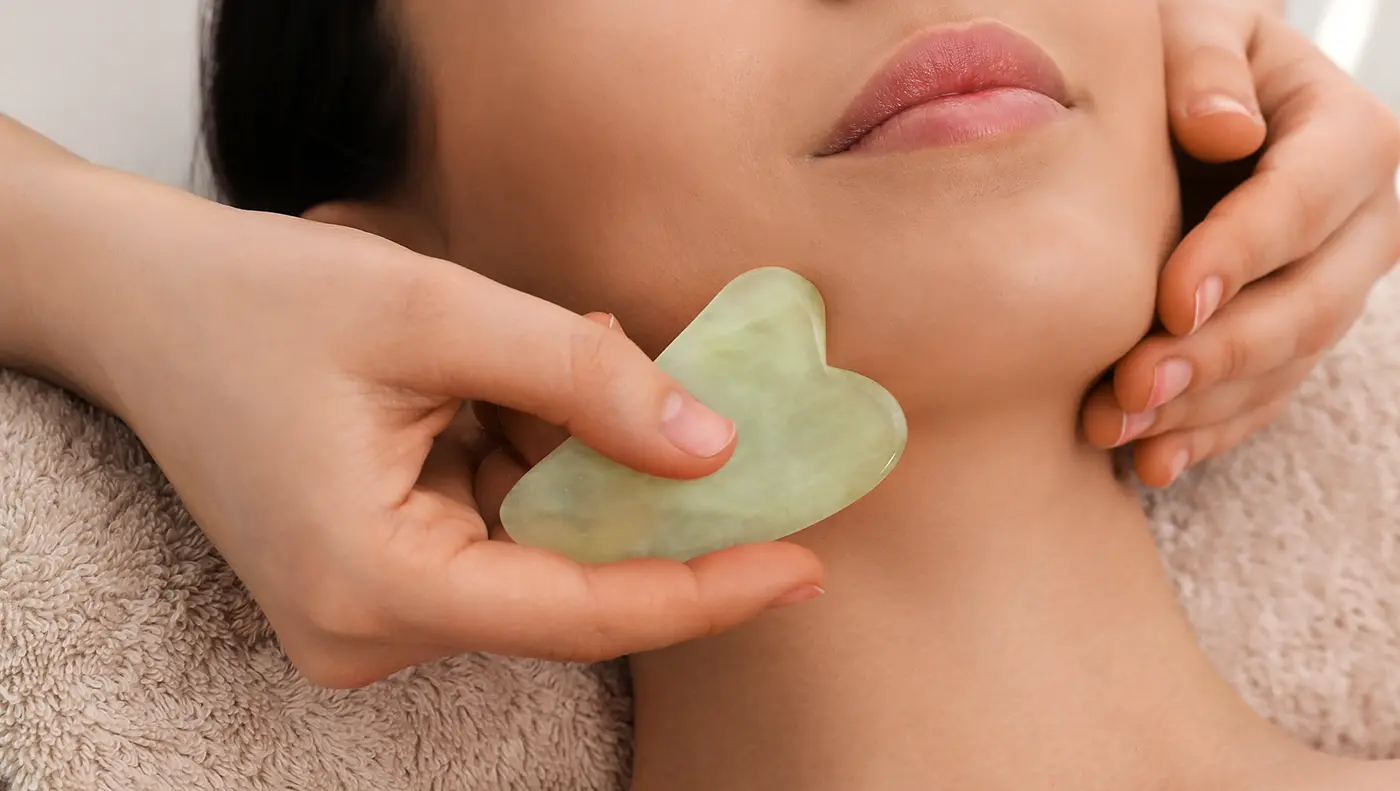
Perhaps that’s the biggest reason it continues to thrive in K-Beauty. It fits perfectly into a skincare philosophy that values consistency, gentle care, and taking a few moments each day to care for yourself.