
Discovering Korean Lifestyle, Meot and Jeong

Have you ever wondered what gives everyday Korean Lifestyle its quiet sense of beauty? Sometimes we don’t realize the meaning behind ordinary moments until we pause and look a little closer. This article explores meot-the uniquely Korean sense of style, charm, and elegance that quietly shines through everyday life.
What Is Korean Meot?
In Korean, there’s a word called meot (멋). It doesn’t translate neatly into English. It’s often described as style, elegance, charm, or effortless cool, but none of those words fully capture what Koreans mean.

Rather than flashy luxury or dramatic fashion, Korean Meot is about finding beauty in ordinary moments. It appears in the way a meal is carefully prepared, how a traditional house blends into nature, or even how people carry themselves with quiet confidence.
As K-pop has become a global phenomenon, the idea of meot has also reached international audiences. One memorable example is ATEEZ’s song 멋 (The Real), which repeats the phrase “this is meot” while celebrating confidence, individuality, and Korean identity through various regional dialects. The song reminds listeners that true meot isn’t about appearances alone-it’s about attitude, character, and staying true to yourself.
That idea perfectly reflects how many Koreans understand the word in everyday life.
Korean Meot Begins with Everyday Life
For many Koreans, meot isn’t found in grand museums or famous landmarks. Instead, it naturally appears throughout everyday life.
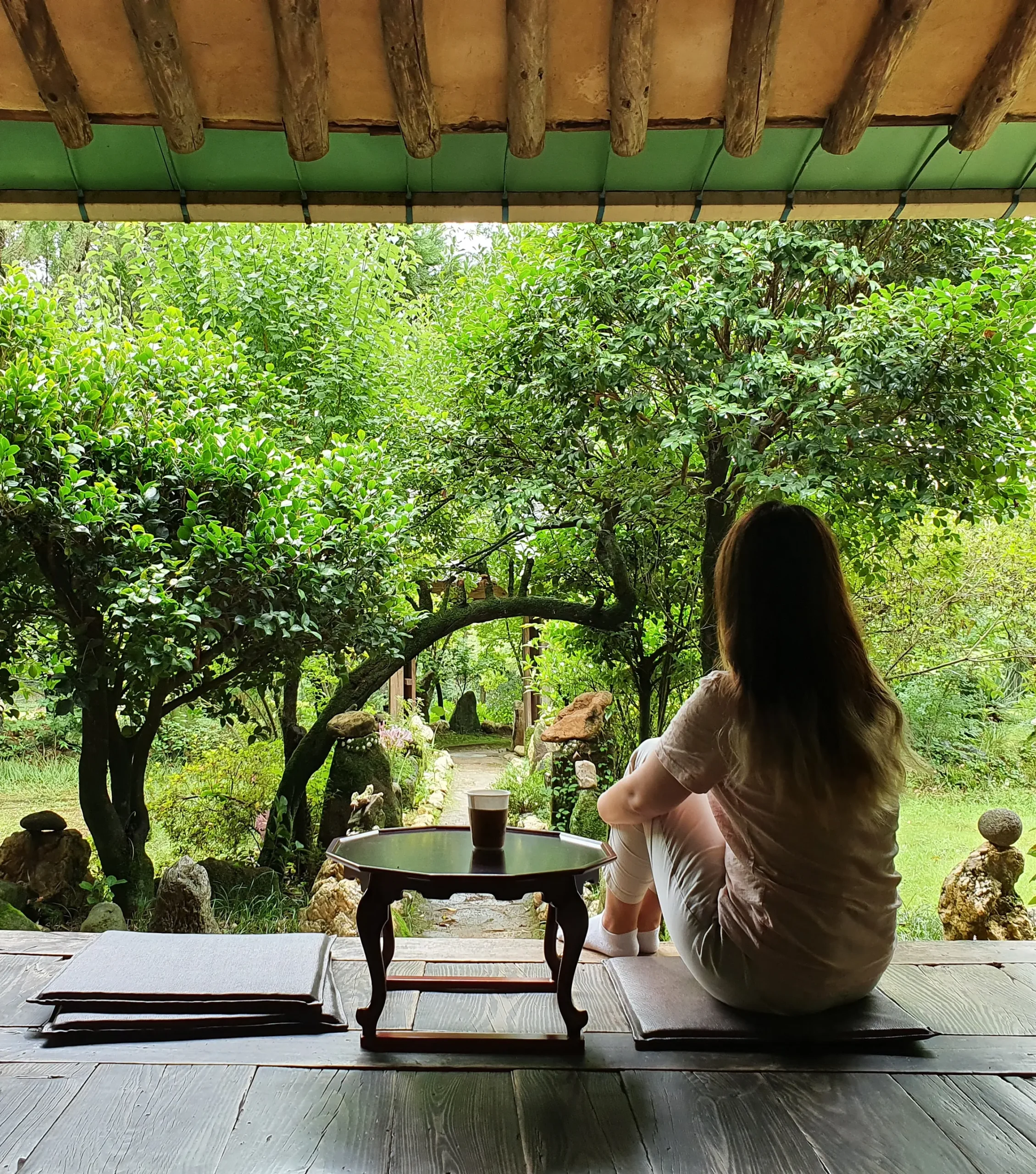
It can be the warmth of a cup of tea in the morning, a thoughtfully prepared meal shared with family, or an old stone wall tucked away in a quiet alley. These simple moments often provide comfort that people don’t fully appreciate until they slow down and notice them.
Personally, I think Korean Meot goes far beyond visual beauty. It also reflects the values and philosophy behind everyday life. Whether it’s Hangul, kimchi, ondol floor heating, or the traditional wrapping cloth called bojagi, ordinary things often remind Koreans of who they are and where they come from.
Hanok: Where Korean Meot Comes to Life
Traditional Korean houses, known as hanok, embody Korean Meot in one of its purest forms.
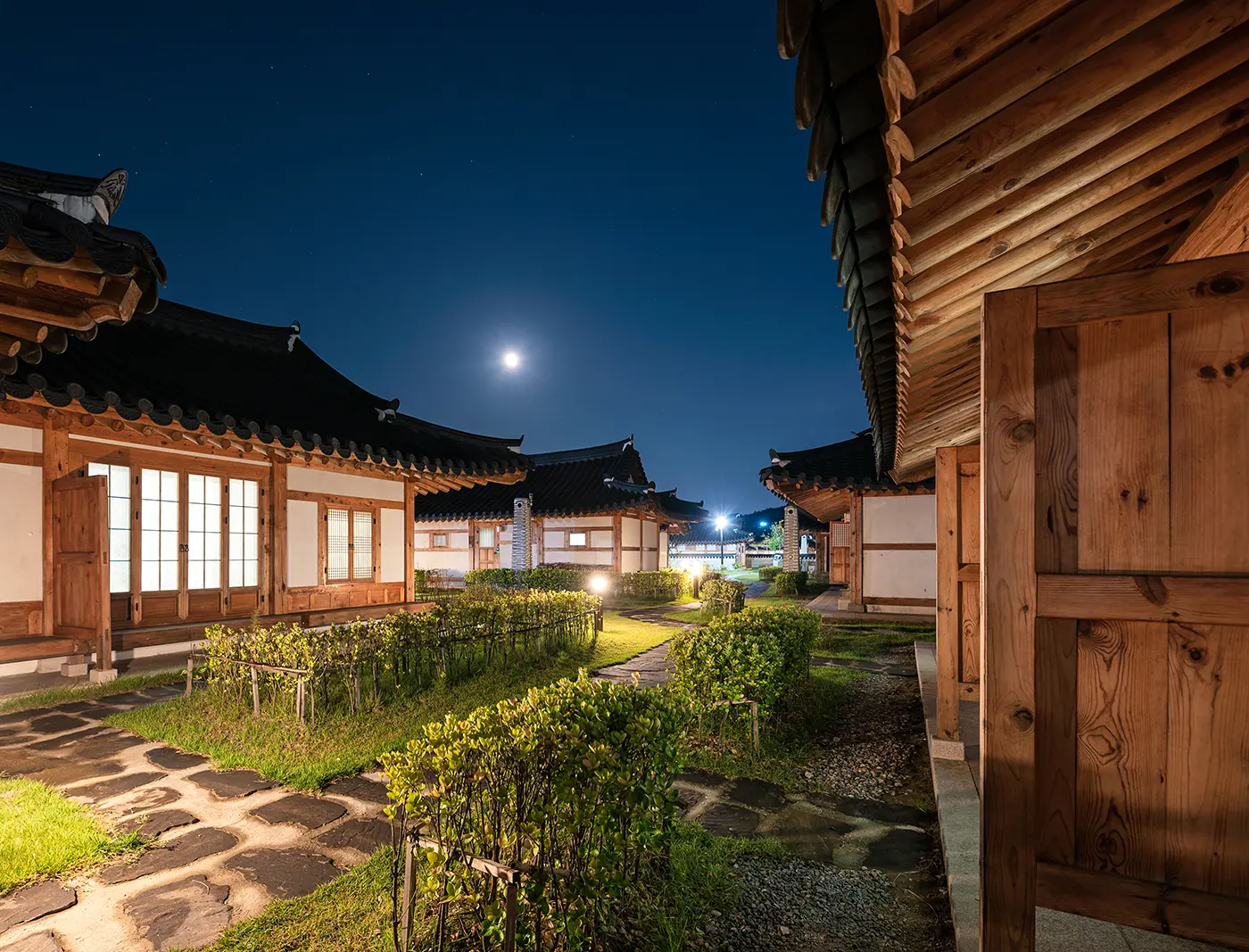
Built with natural materials like wood, stone, and clay, hanok blend effortlessly into their surroundings. Their graceful rooflines and open courtyards create a peaceful atmosphere that feels connected to nature rather than separated from it.
Many international visitors travel to Bukchon Hanok Village in Seoul or Jeonju Hanok Village simply to experience this unique side of Korean lifestyle. Whenever I walk through these neighborhoods, I feel as though time slows down for a while.
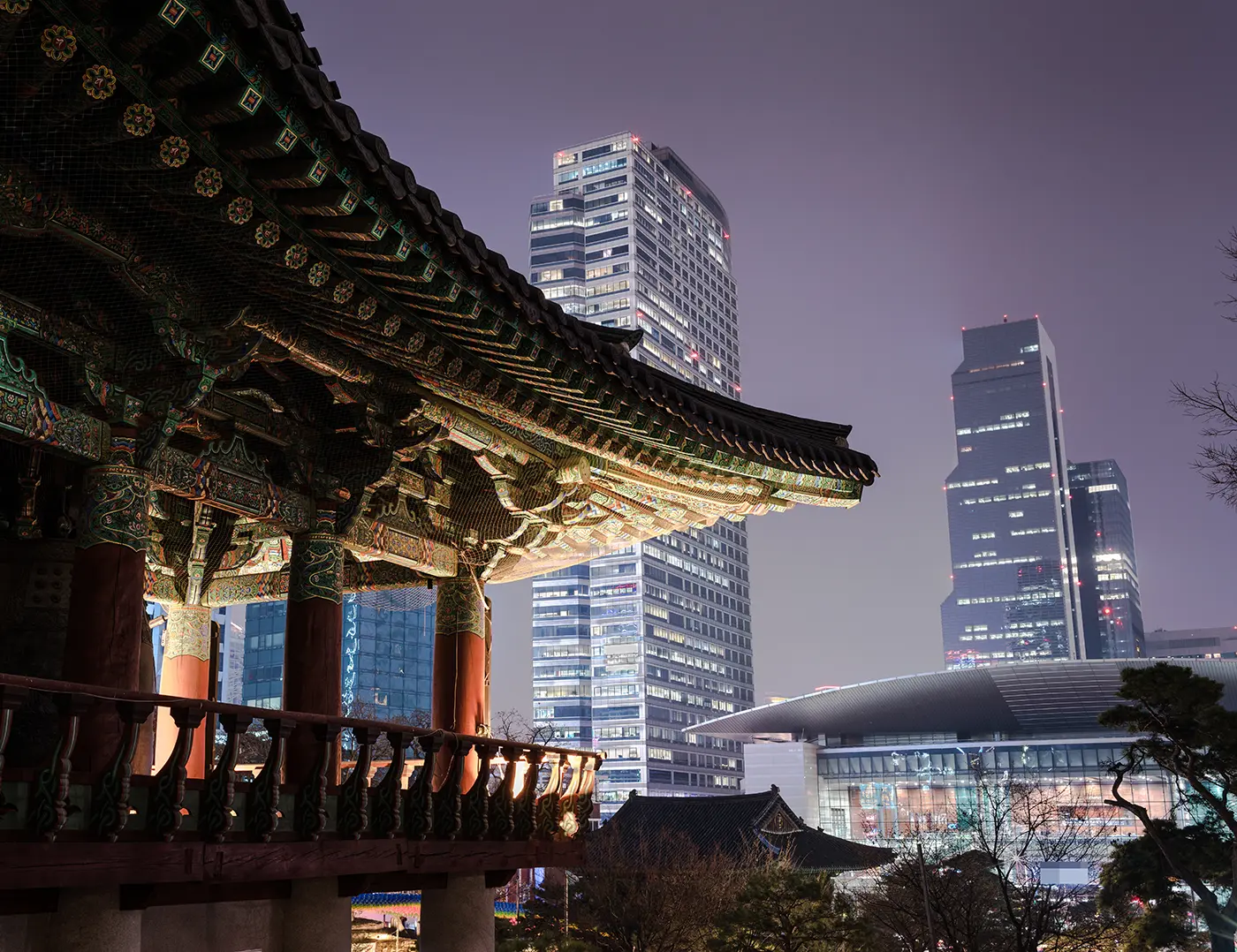
Today, hanok are no longer just historical buildings. Many have been transformed into stylish cafés, guesthouses, boutique hotels, and modern homes while preserving their traditional beauty.
More than beautiful architecture, hanok reflect a philosophy of living with nature. Sunlight, fresh air, changing seasons, and garden views all become part of everyday life. Spending time in a hanok offers a welcome pause from busy modern routines.
Korean Food Brings Meot to the Table
No discussion about Korea would be complete without its food.
From colorful bibimbap to comforting kimchi jjigae, Korean cuisine represents generations of tradition and care rather than simply satisfying hunger.
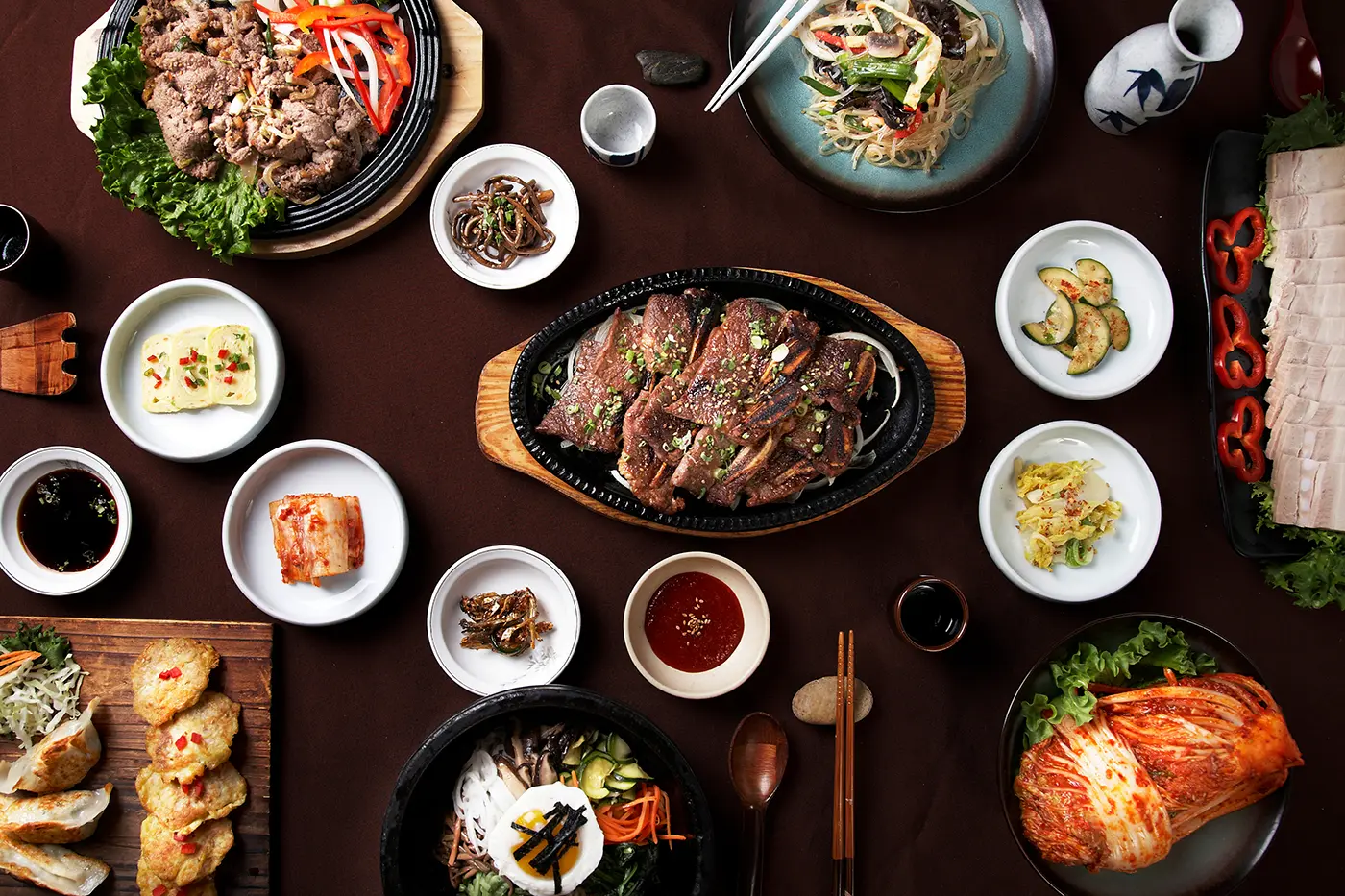
Its emphasis on fermented foods, seasonal ingredients, and balanced nutrition has attracted growing international attention. Whenever I introduce Korean food to friends from overseas, I always enjoy seeing their surprise at both the flavors and the variety.
As Korean lifestyle continues to gain popularity worldwide, Korean cuisine has become part of that global interest. More people now appreciate vegetable-focused dishes and fermented foods as healthy eating habits become increasingly important.
Meals in Korea are also about sharing. Family and friends gather around one table, enjoy multiple dishes together, and spend time talking. That sense of togetherness is another expression of Korean Meot.
Jeong: Another Heart of Korean Lifestyle
If there’s one idea that helps explain Korean lifestyle, it’s jeong (정).

Jeong goes beyond friendship or kindness. It describes the deep emotional connection, generosity, and quiet care that grow naturally between people over time.
I still remember neighbors sharing homemade side dishes when I was growing up. Whenever someone needed help, people simply showed up without expecting anything in return. Looking back, those moments perfectly captured the meaning of jeong.
That spirit continues today in many small ways. Restaurant owners often serve extra side dishes, strangers willingly help tourists who ask for directions, and communities regularly come together to support people in need.
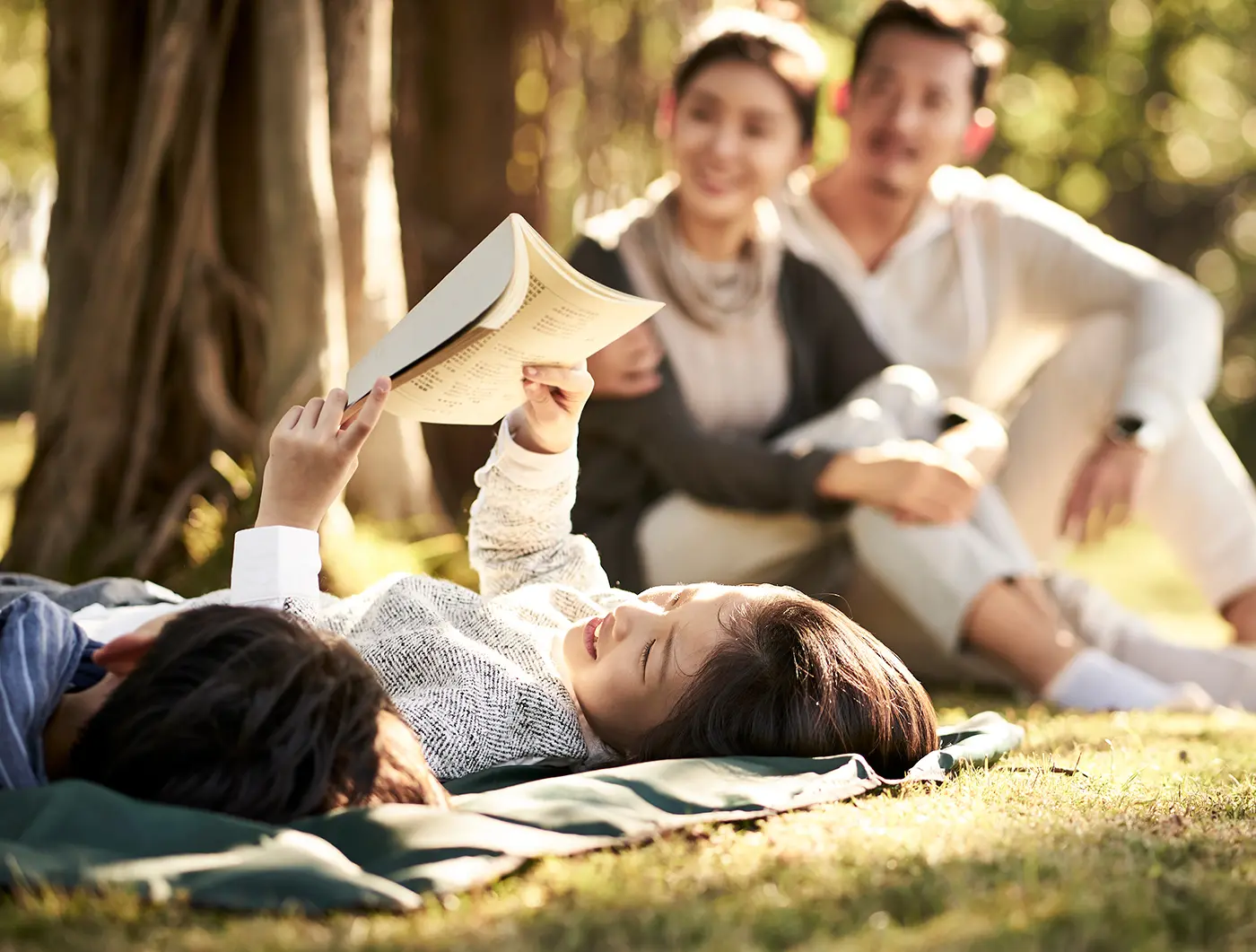
Understanding jeong is essential to understanding Korean Meot. While Korea is known for its modern cities and advanced technology, many Koreans believe the country’s greatest beauty still comes from genuine human connection.
That’s why so many people feel proud of this uniquely Korean way of life. It isn’t just about looking stylish-it’s about living with warmth, respect, and consideration for others.