
Korean Apartment Complexes Are Never Just Buildings
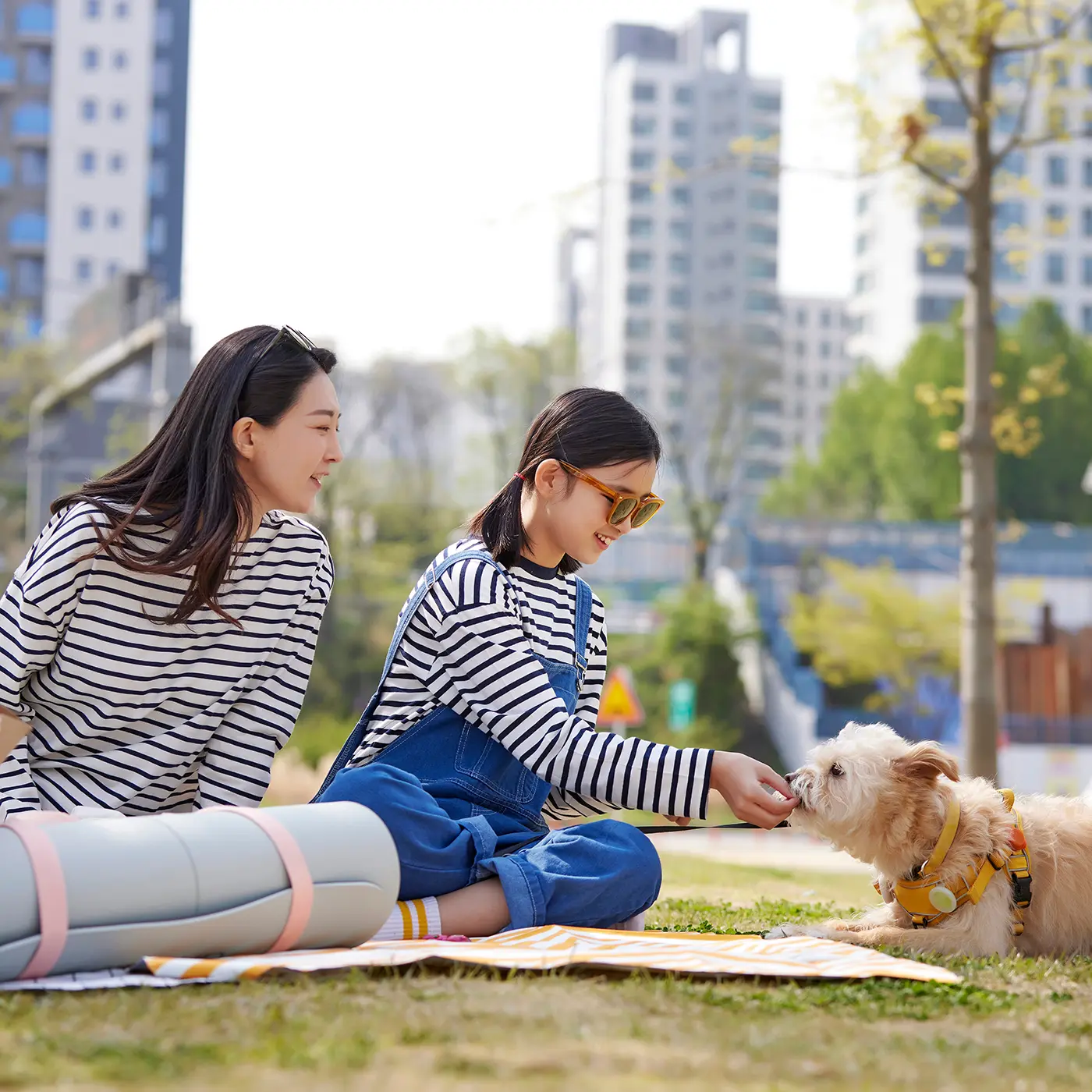
Korean apartment complexes surprise foreign guests in a specific way. They notice the guard booth at the main gate, then the daycare center, the gym, sometimes even a small café, all tucked inside the same walled grounds.
They expected a building. What they found was closer to a small town.
Korean Apartment Complexes Are the Default, Not the Exception
As of 2020, roughly 62.9 percent of all housing in Korea consisted of apartment buildings five stories or taller, according to figures reported by The Korea Herald.
That number breaks the usual Western assumption that apartments mean rental housing for people who can’t afford a house.
In Korea, apartments are the standard middle-class home and, for many families, their primary financial asset.
This didn’t happen by accident. At 1972, Housing Construction Promotion Act offered private builders low-interest loans to develop large-scale apartment complexes.
During the export-driven industrialization of the 1970s, the government had little capital left over for housing infrastructure, so it handed that job to construction companies.
Large Korean apartment complexes became the default shape of Korean cities as a result.
Daily Life Rarely Leaves the Danji
The distinguishing feature of these complexes, known locally as danji, is how much daily life they absorb inside their walls.
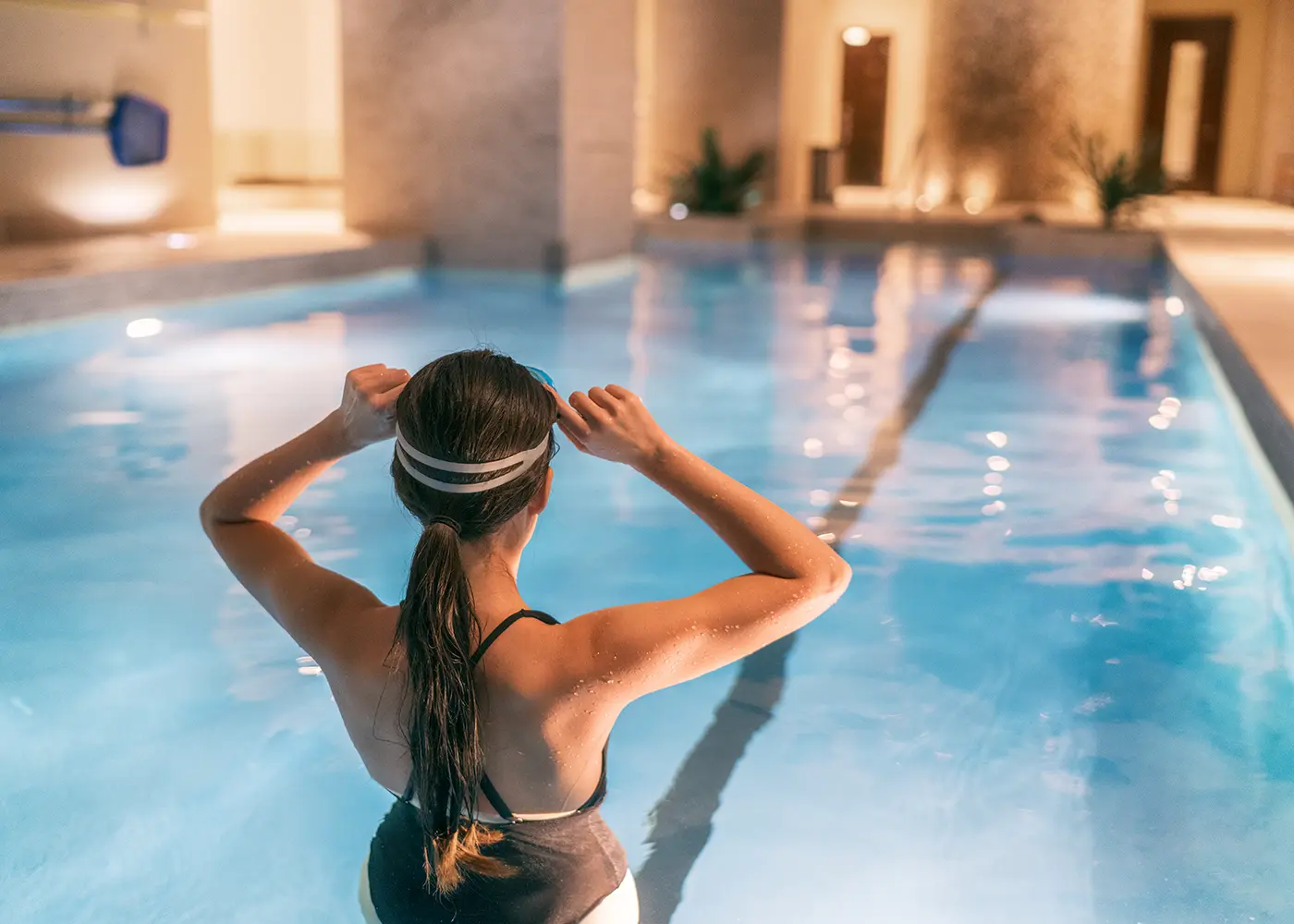
Larger developments typically include a gym, a study room known as a dokseoshil, a children’s playground, a management office, and occasionally a café or convenience store. Dedicated parcel lockers for package deliveries are common too.
The guard booth does more than watch the gate. Staff there screen visitors, hold packages for residents who aren’t home, and mediate small disputes between neighbors.
Because of this, parents often feel comfortable letting children play in the playground unsupervised. The complex functions as a managed, semi-enclosed community rather than an open street.
Ask Koreans where they live, and many will name their apartment complex before they mention a street address. “I live in Raemian” or “I live in Xi,” they might say.
The complex brand has become more than a builder’s name. It works as an identity marker and a rough proxy for property value.
What a Short Stay in a Korean Apartment Doesn’t Show You
A tourist or short-term visitor renting an ordinary unit through Airbnb experiences only a sliver of this system. You pass through a gated entrance, hunt for the right building and unit number, and learn to use an unfamiliar parcel locker.
It can feel like unnecessary friction at first. In my experience, though, every one of those small procedures exists to keep the entire Korean apartment complex predictable and secure.
Next Time, Take the Long Way to the Elevator
A Korean apartment complex rewards a slower look. Walk past the guard booth, the playground, the parcel lockers, and the gym, and it becomes clear why residents call it a danji rather than just a building.
A short walk around the grounds tells you more about how Korean daily life is organized than the apartment itself ever could.