
Incheon Chinatown Invented a Dish China Doesn’t Have
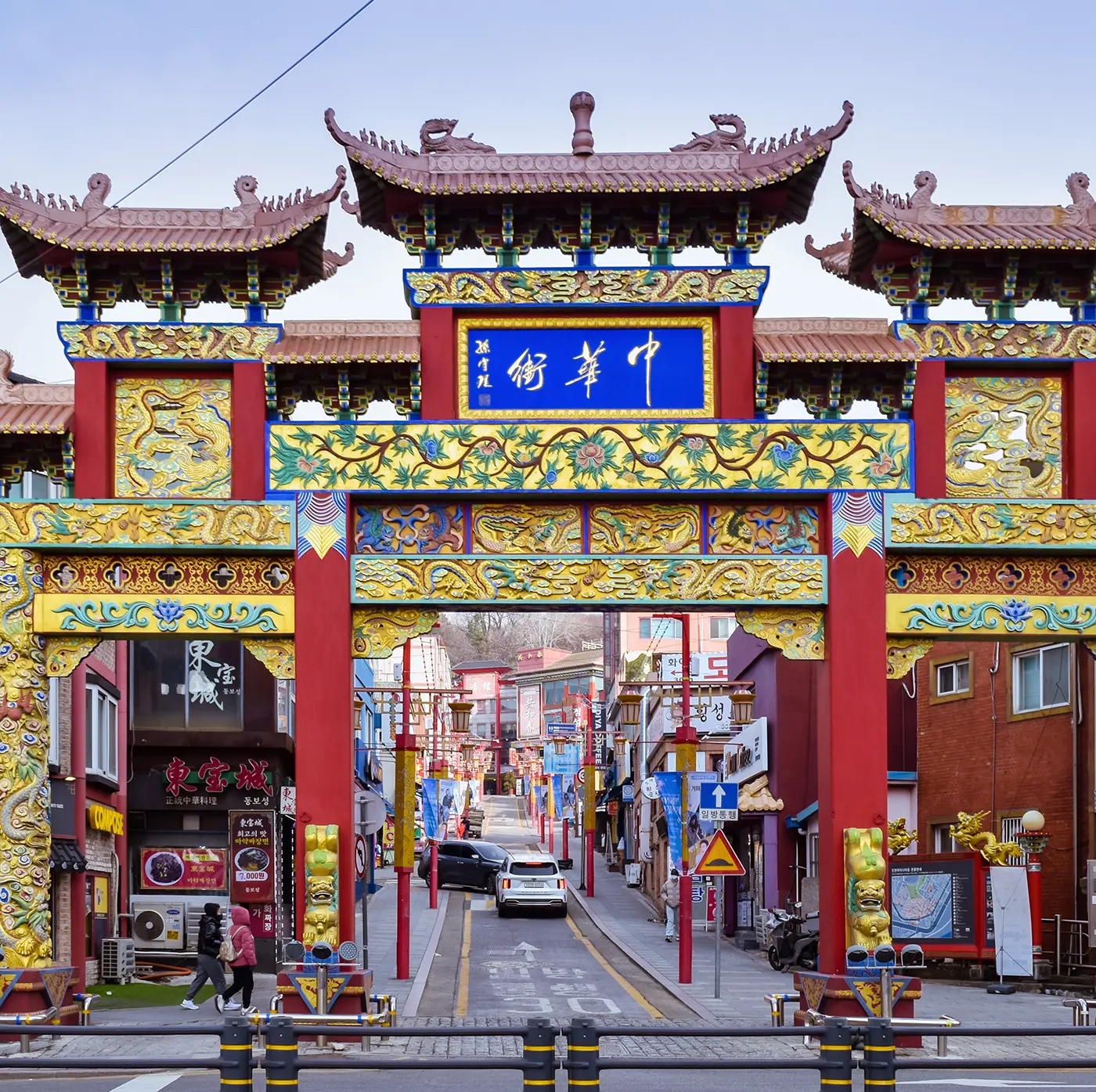
Incheon Chinatown is where jjajangmyeon was born, and that fact contains a small trick. Order the same dish in China and you won’t find it, at least not the way Koreans know it.
The black bean noodles eaten across Korea every day started in these streets, made by Chinese immigrants for Korean workers, and became something neither country had before.
Incheon Chinatown Started With a Treaty and a Port
Chinese merchants settled here after the China-Korea Treaty of 1882, and Incheon Chinatown took shape around 1883 to 1884 when the port opened to foreign trade. It remains Korea’s only official Chinatown, and second and third-generation Chinese residents still live and work in it.
What arrived with those merchants wasn’t only goods. The culinary traditions they brought got reshaped by local ingredients and local customers, and jjajangmyeon is the clearest result.
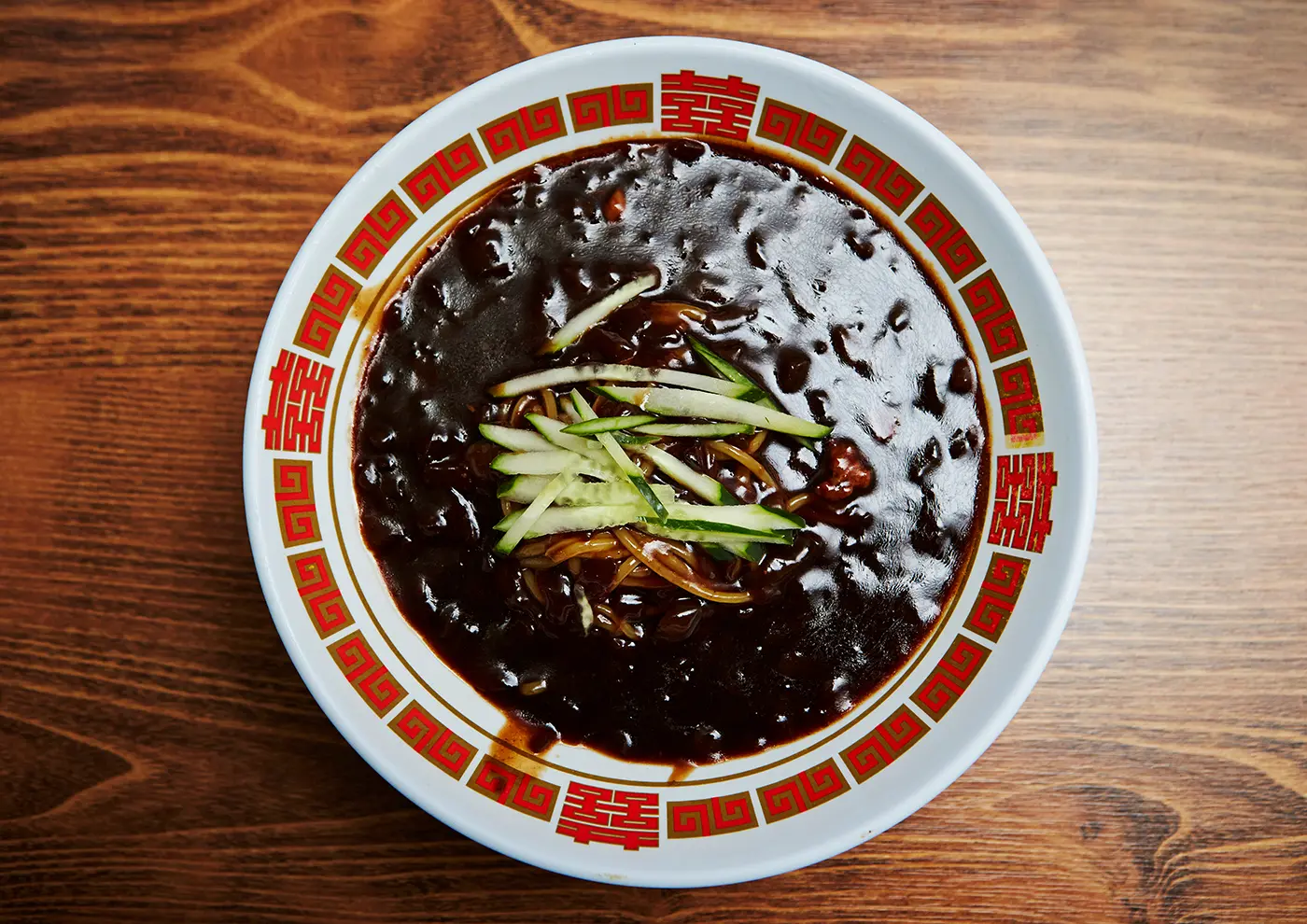
The dish’s origin is preserved at the Jjajangmyeon Museum, housed in the former Gonghwachun restaurant where it first became popular. The exhibits are small, mostly dioramas and historical packaging, and English signage is limited.
It takes under thirty minutes and costs almost nothing, which makes it hard to skip even if museums aren’t usually your thing.
What to Actually Eat in Incheon Chinatown
Gonghwachun’s lineage continues through Sineung Banjeom, run by the granddaughter of founder Woo Hee-gwang, and Junghwaru, a rival institution that’s been operating since 1918. Either gives you the most historically rooted bowl in the country.
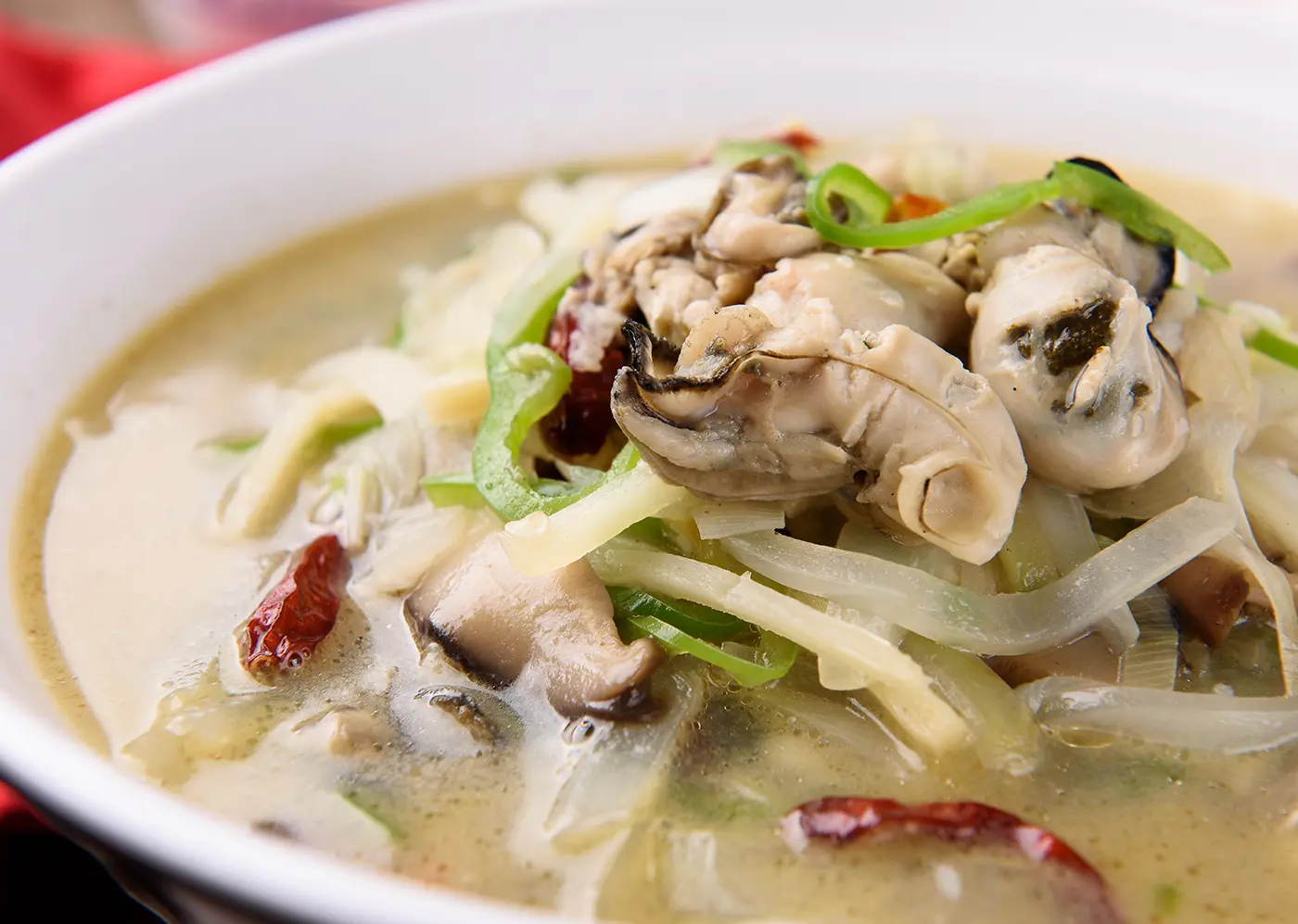
If you want something most visitors miss, order white jjajangmyeon or white jjamppong instead. Daechang Banjeom is known for the latter, a milky spicy seafood broth that’s a completely different dish from the black bean noodles everyone else is photographing.
Tangsuyuk, sweet and sour pork, and fried dumplings round out the standard order. Incheon Chinatown is compact enough that you can walk the main circuit in under an hour, which means the realistic plan is to eat, then keep walking.
The Part Nobody Plans For
Walk through Incheon Chinatown and out the other side and you’re in the Gaehang-jang, the historic open port district where Korea’s modern era started.
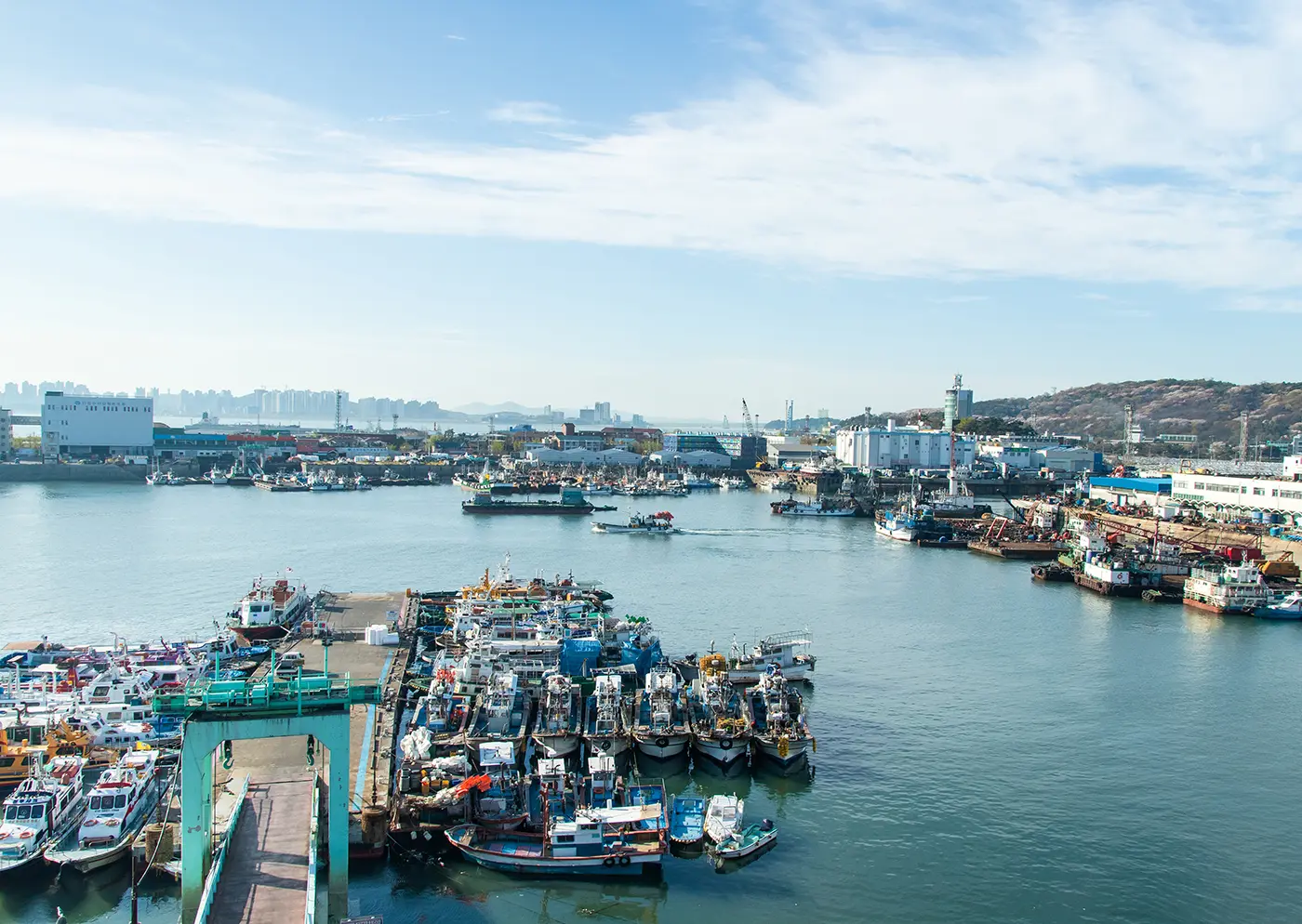
Colonial-era Japanese bank buildings, trading houses, and administrative offices still line Jungangno, some converted into museums and cafes. There’s a stairway in the area that once marked the boundary between the Chinese and Japanese concessions, which is a strange thing to stand on once you know what it is.
The former Daebul Hotel, Korea’s first Western-style hotel, is now a museum nearby.
Chinatown is the entrance, not the destination. Songwol-dong Fairy Tale Village sits right next door, and the Incheon Art Platform occupies restored warehouse buildings a few minutes’ walk away.
Incheon Chinatown Is the Best Layover in Korea
Here’s the practical case. Most travelers land at Incheon, clear immigration, board the Airport Railroad Express to Seoul, and never see the city the airport is named after.
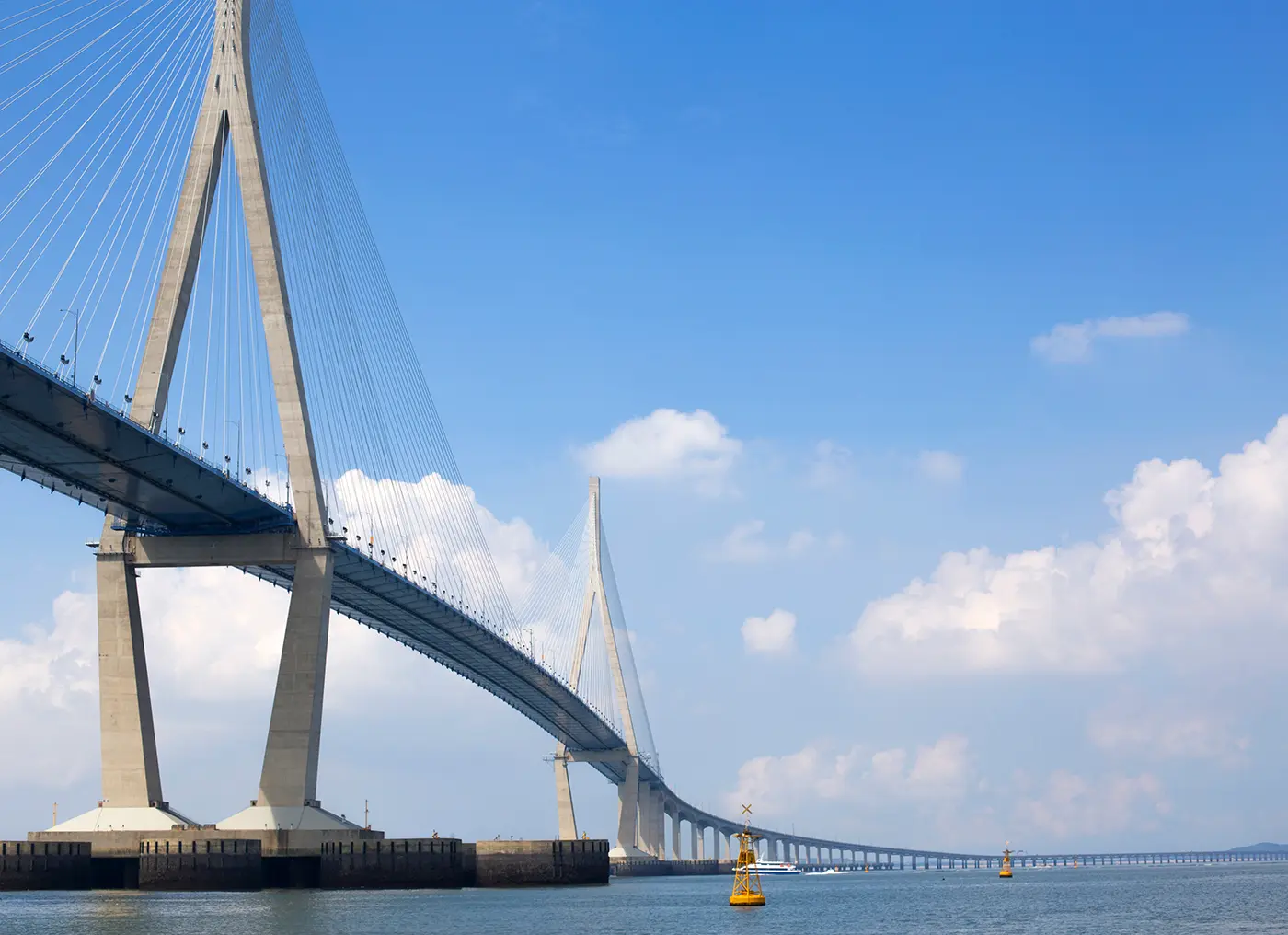
That’s a missed opportunity, because Incheon Chinatown sits directly at Incheon Station, one stop from the airport line, and the entire neighborhood is walkable from the station exit.
If you have a layover of five hours or more, this is one of the few major international airports where you can genuinely see something worthwhile and still make your connection.
Budget two hours for Chinatown and the food, three to four if you want the open port district as well. Factor in roughly an hour each way for transit and immigration on both ends.
It’s Smaller Than You Think, and That’s Fine
Incheon Chinatown isn’t a sprawling district on the scale of San Francisco or Bangkok. It’s a few streets of red and gold buildings, some very good restaurants, and a museum in the room where a national dish was invented.
That last part is the reason to come. You can eat jjajangmyeon anywhere in Korea, but only here can you eat it where it was first made, in a country that isn’t the one it came from.