
Seoraksan National Park: Why Your Alarm Clock Matters
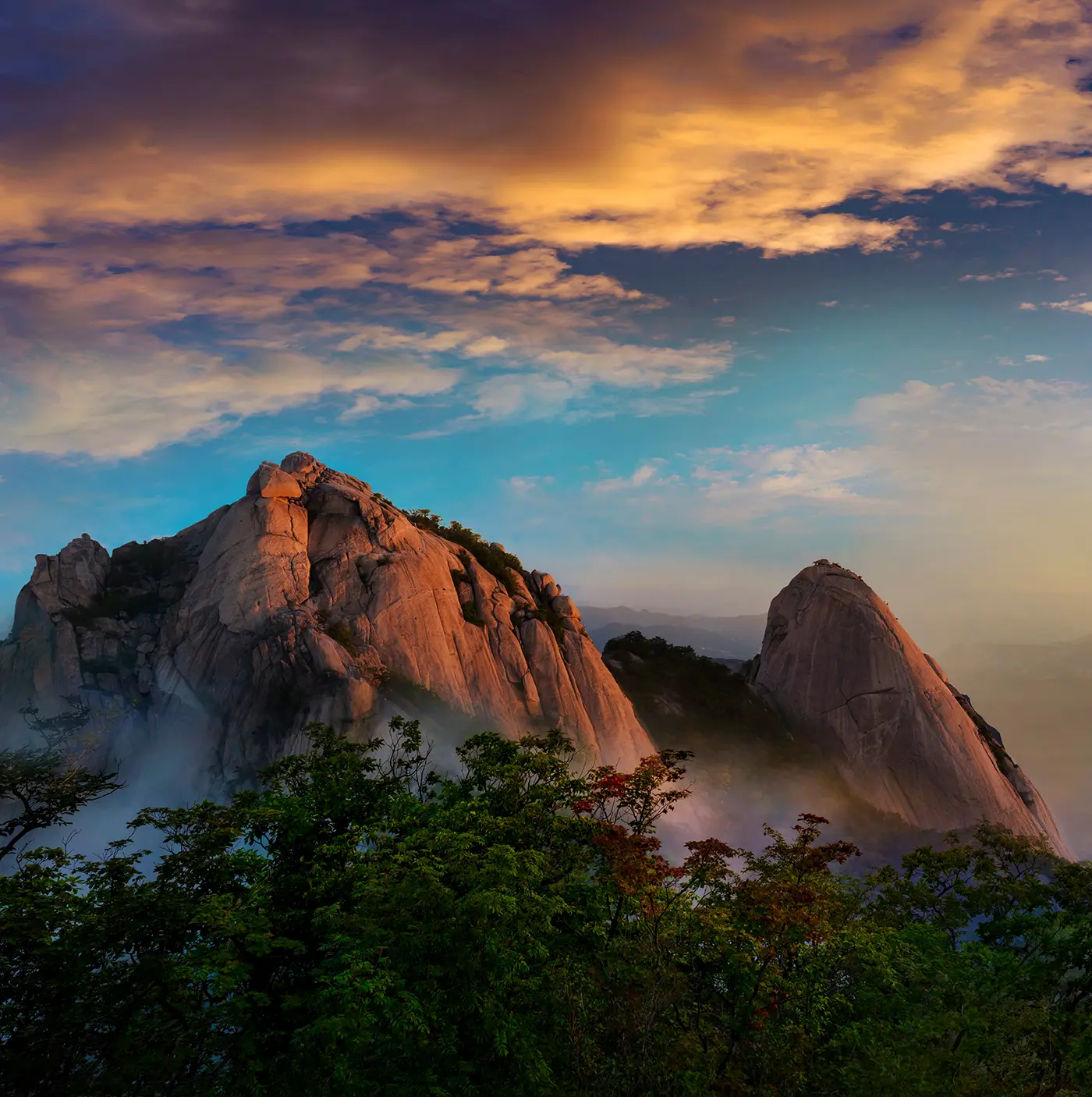
Seoraksan National Park draws around three million visitors a year, and many first-time visitors make the same mistake: they spend weeks researching which trail to take and barely think about when to start. On this mountain, timing can matter almost as much as the route.
The difference between a quiet, steady climb and a crowded staircase can come down to something as simple as what time you set your alarm.
Seoraksan National Park Rewards Early Starts More Than Ambitious Plans
Take Ulsanbawi, the park’s famous granite formation and one of the most popular goals for first-time visitors. An early start can give you a steadier climb, while the same staircase can feel much more crowded later in the morning. Same trail, same distance, but a noticeably different experience.
This matters because several of the most popular attractions begin around the Sogongwon entrance. Ulsanbawi, the cable car, and the lower valley trails all start from this part of the park, so many day visitors share the same early sections of the route.
Go a few kilometers farther into Seoraksan National Park, and the trails become quieter and more demanding. Many casual visitors never get that far.
Skip Daecheongbong Unless You’ve Actually Planned for It
Daecheongbong, at 1,708 meters, is the highest point in Seoraksan National Park and the third-highest mountain peak in South Korea. It is also a serious hiking goal that can turn into a full-day outing depending on which route you choose.
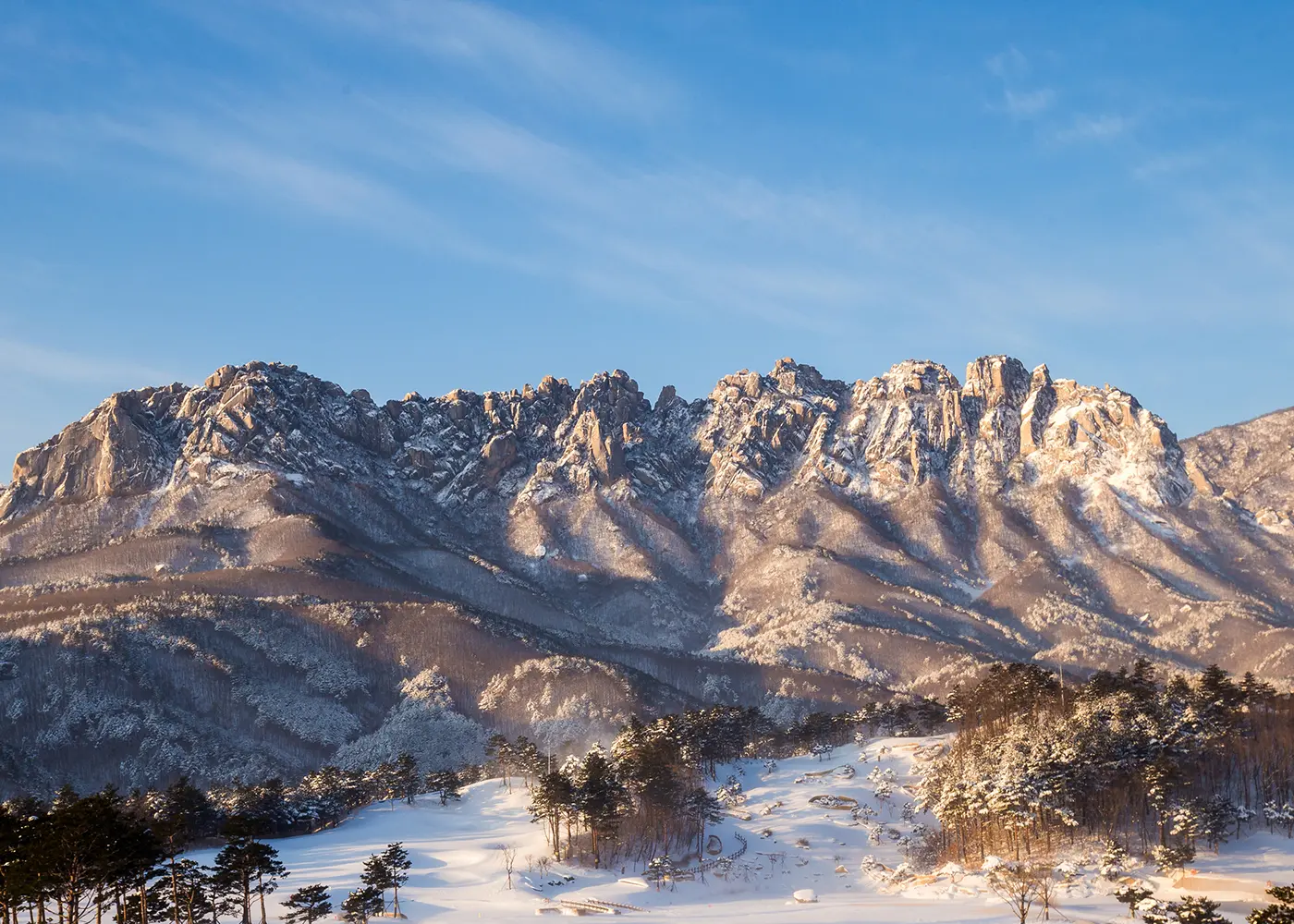
For many visitors, especially those coming from Seoul for a short trip, Ulsanbawi offers spectacular mountain views without requiring a full-day summit hike. That does not make it a consolation prize. Daecheongbong is a genuine goal for experienced Korean hikers and a worthwhile challenge if you have planned your trip around it.
But attempting it simply because it is the highest point on the map is a very different proposition from taking a shorter route for the views.
The National Park Service lists several different routes to Daecheongbong, including approaches from Osaek, Baekdamsa, Hangyeryeong, and Seorak-dong, so the actual time and difficulty depend heavily on your starting point.
The Cable Car Is Not a Guaranteed Backup
Plenty of visitors treat the Gwongeumseong cable car as a backup if hiking does not work out. It is a reasonable option, right up until the weather changes.
The cable car is affected by weather conditions, including strong winds, and services can be suspended when conditions are unsuitable. Its operating hours also change with the season and weather, so the official website posts updated information before operation.
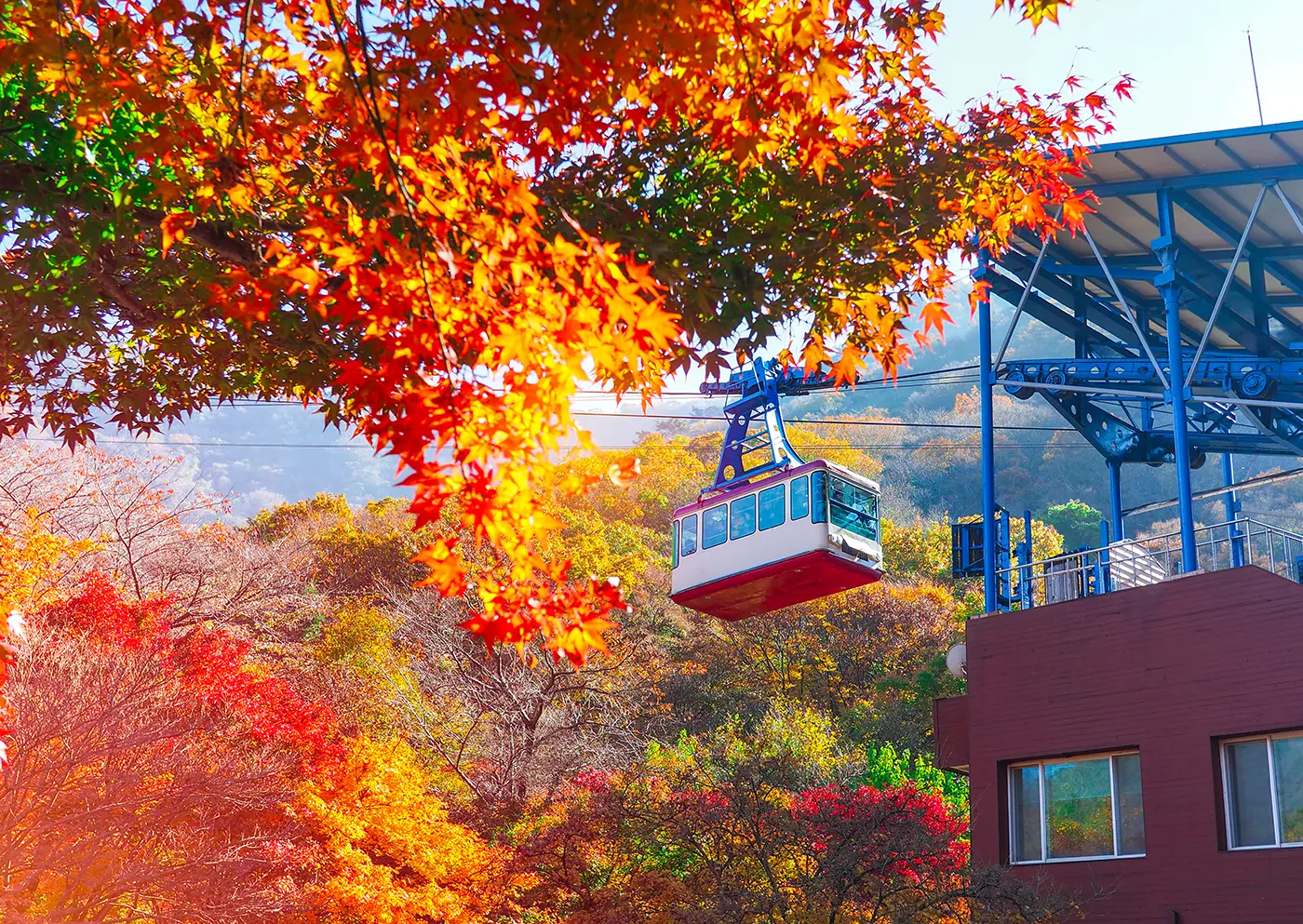
If the cable car is an important part of your itinerary, have Biseondae or another lower-elevation trail in mind as a backup. Biseondae offers a gentler valley walk and can give you a very different side of the mountain without depending on the cable car.
One important detail: the Seoraksan cable car does not take advance reservations. Tickets are sold on the day at the site, which makes checking the operating information before you leave especially important.
When to Actually Visit Seoraksan National Park
Autumn foliage usually makes October one of the most beautiful times to visit Seoraksan National Park, but it is also one of the busiest. If you visit on a weekend during peak foliage, popular trails and the cable car area can become crowded. A weekday visit and an early start can make a noticeable difference.
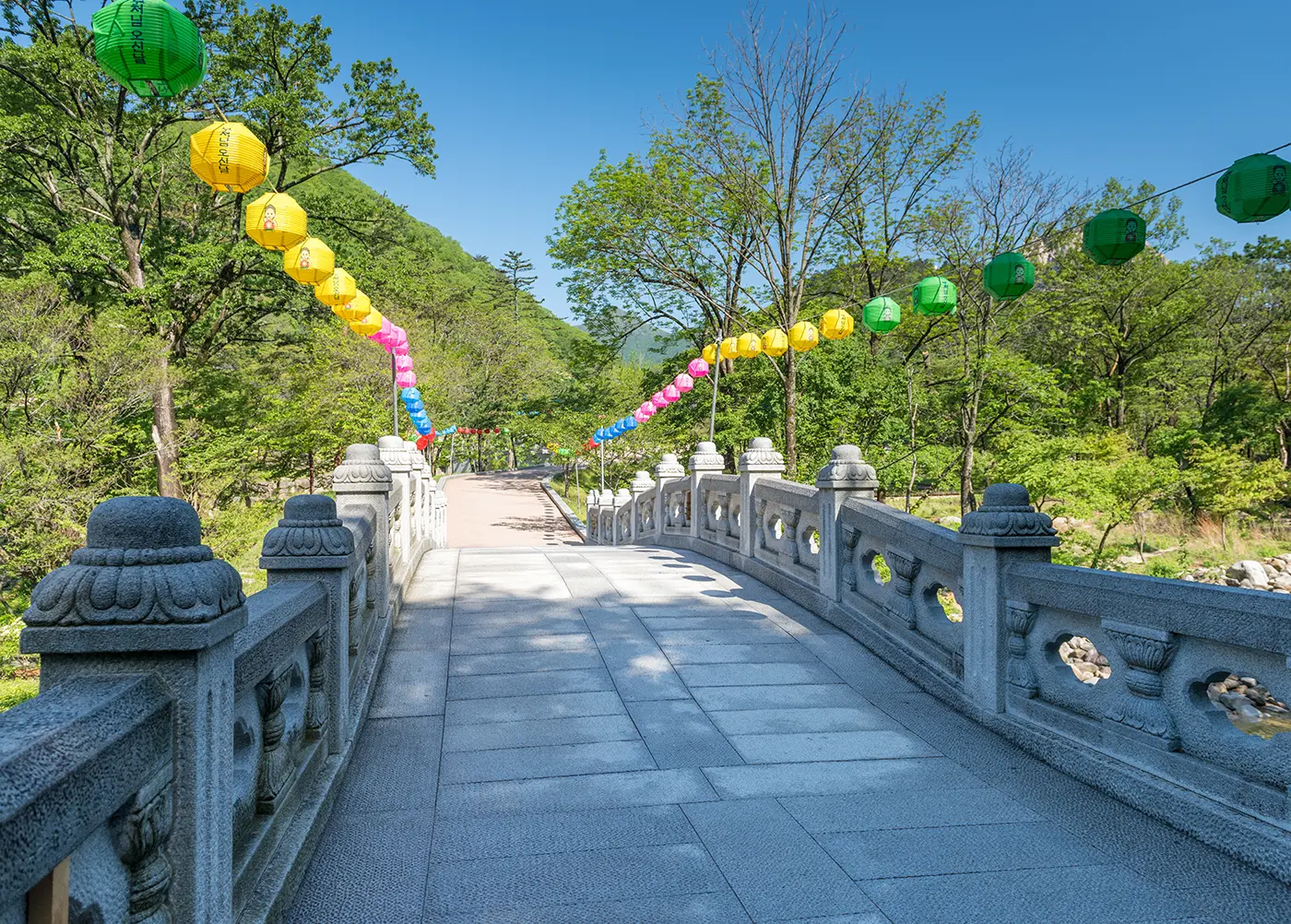
If October crowds sound unappealing, late May or early June is an underrated alternative. The mountain is green, the trails can feel much quieter, and you can enjoy the scenery without the intense autumn crowds. Winter is another option for hikers who are prepared for colder conditions.
Snow-covered peaks can completely change the character of the landscape, although shorter daylight hours and winter trail conditions need to be taken seriously.
Getting to Seoraksan National Park and Practical Notes
The park is in Gangwon Province near the coastal city of Sokcho, making Sokcho a convenient base if you want an early start. Local buses connect the Sokcho area with the Sogongwon entrance, while a taxi can be a practical option if you are trying to arrive early.
Exact fares and operating times can change, so checking the latest local transport information before your trip is a better idea than relying on an old fare table.
There is no general admission fee for Seoraksan National Park. The cultural heritage admission fee previously collected at Sinheungsa was waived from May 2023, while attractions such as the cable car and parking can still cost extra.
If you are hiking Ulsanbawi, pack light but bring the basics: water, sun protection, and comfortable shoes. The final staircase section has little shade, and the National Park Service recommends checking designated entry times and current trail restrictions before setting out.
The mountain does not necessarily reward the most ambitious plan. It rewards the plan that fits the day you actually have. Arrive later with a packed itinerary and you may spend more time waiting in crowded sections. Start early with a manageable route, and you may begin to understand why Seoraksan has such a special place among Korean hikers.