
Delivery in Korea Make You Nothing to Worry About
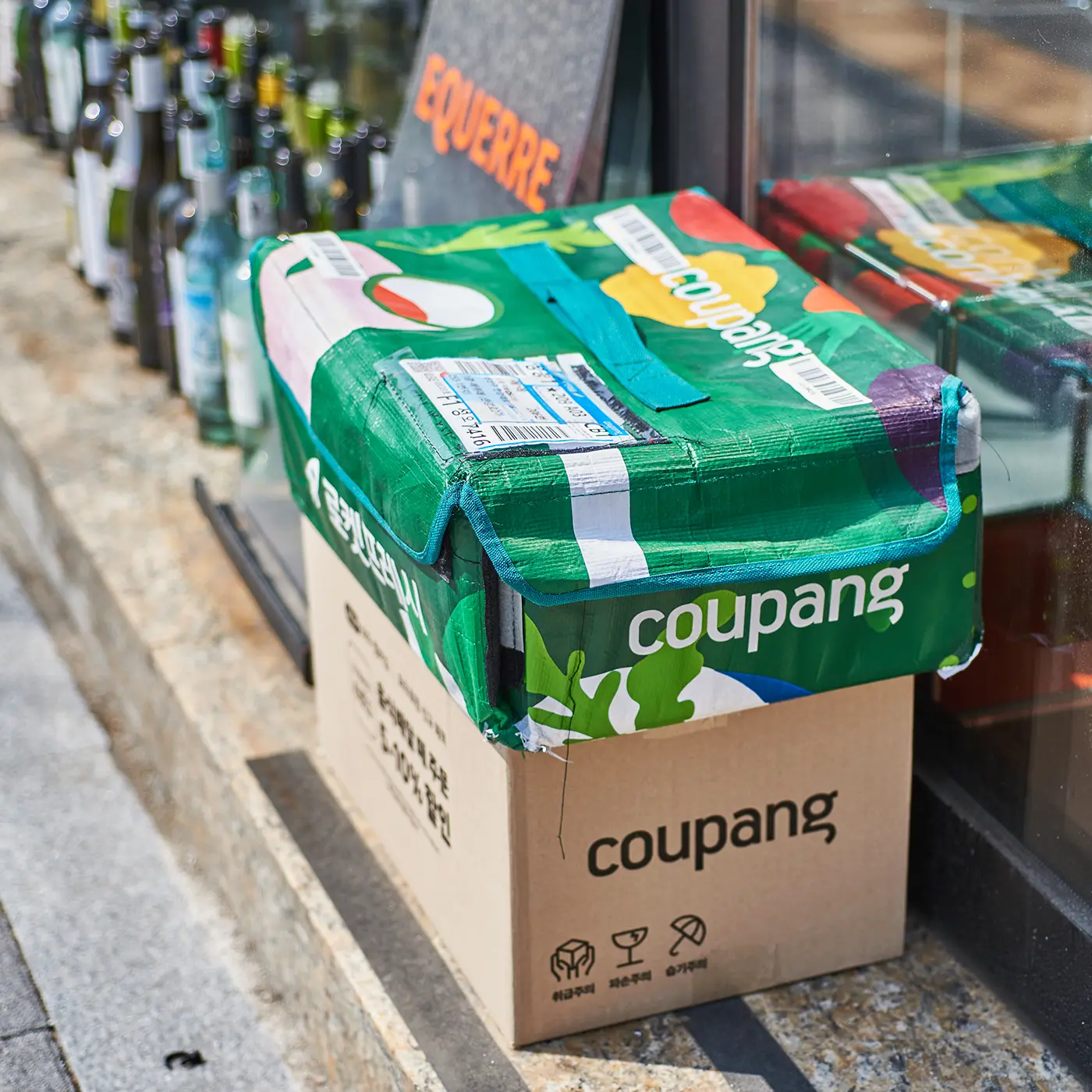
Delivery in Korea operates on a scale that can genuinely surprise first-time visitors. It is not only about food arriving quickly. Korea has built a delivery culture around convenience, short delivery times, and the idea that food can reach you in places far beyond your home.
Delivery in Korea Reaches Places You Wouldn’t Expect
The detail that often catches foreign visitors off guard is the flexibility of the delivery system. You can order fried chicken while enjoying a picnic by the Han River, then pick it up at a designated delivery zone. Delivery services also reach places such as hotels, camping areas, and other public spaces.
This is not a niche service. Ordering chicken and beer for a Han River picnic has become a popular activity, especially among younger Seoulites. Several Han River parks have designated delivery zones where customers meet riders and collect their food.
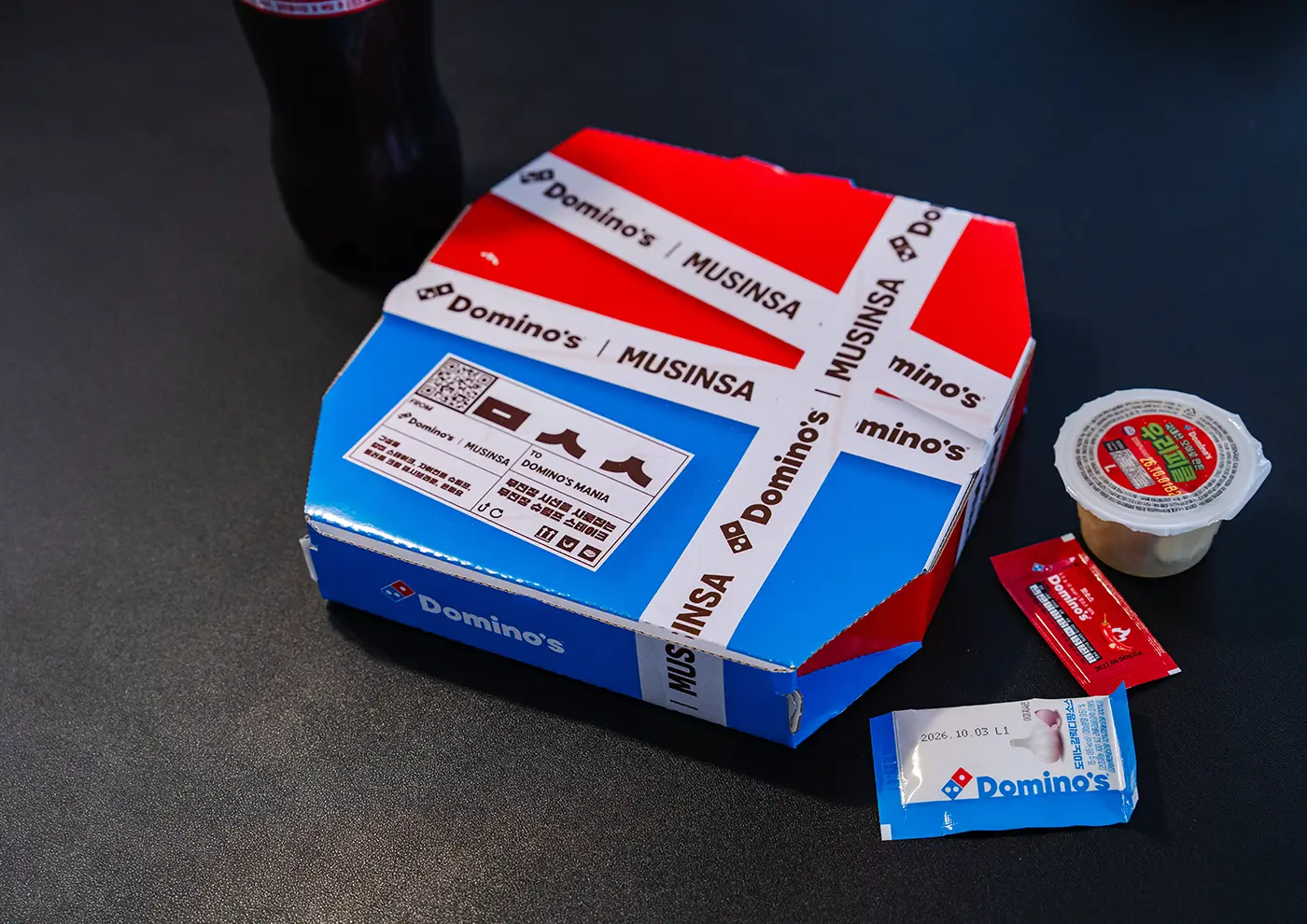
Delivery in Korea has adapted to the way people actually use their cities. Instead of always bringing food from home, people can decide what they want to eat after they arrive.
Dawn Delivery Changed What “Fast” Means
Food is only half the story. The other half is saebyeok baesong, or dawn delivery. It allows customers to order groceries and household goods at night and receive them before the next morning.
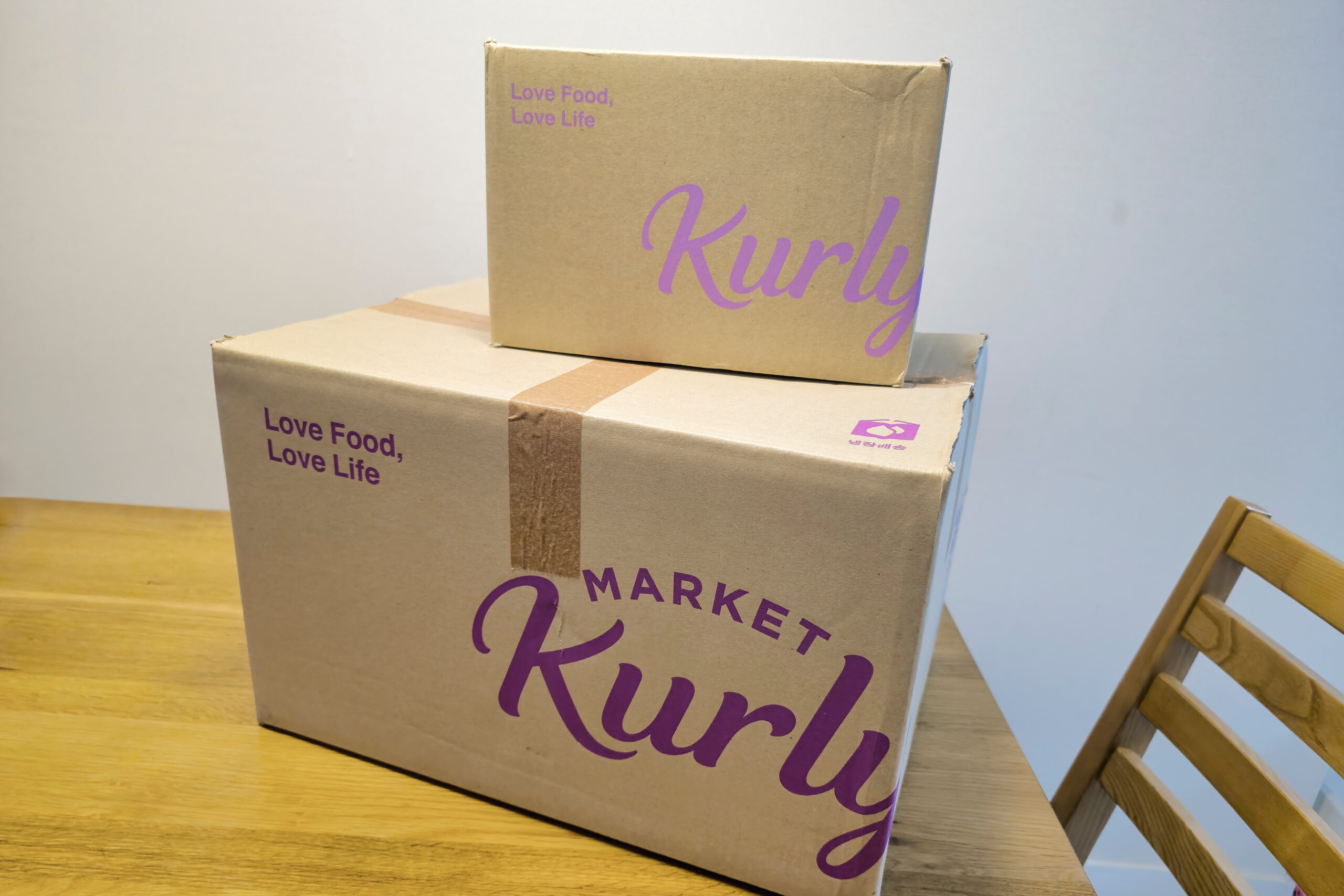
Companies such as Coupang and Kurly have built major delivery services around early-morning fulfillment. Kurly describes its Saetbyeol Delivery as a system that brings orders placed at night to customers by the following morning, while Coupang’s Rocket Fresh promises delivery before 7 a.m. for eligible orders.
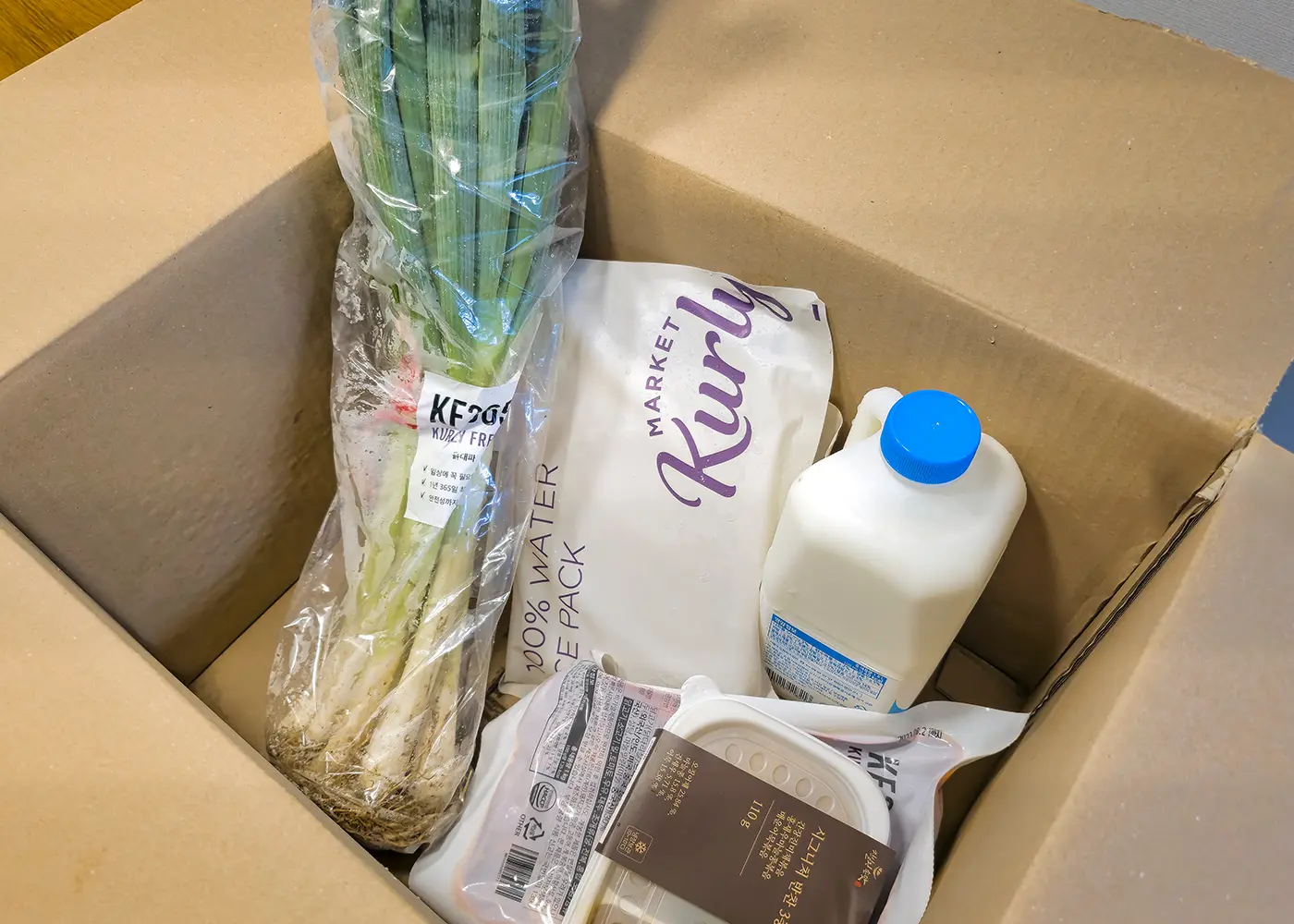
That infrastructure is a major reason Korean delivery culture can feel different from fast shipping elsewhere. Next-morning delivery is not always treated as a special upgrade. For many consumers, it has become part of the everyday shopping routine.
How Ordering and Payment Actually Work
Most food orders now go through apps such as Baemin, Coupang Eats, and Yogiyo. Customers can browse restaurants, choose their food, and pay without making a phone call.
For foreign visitors, however, this can be one of the biggest barriers to using Delivery in Korea. Some Korean delivery apps require local phone verification or a Korean payment method.
There are workarounds. Some services designed for international visitors accept foreign cards and do not require a Korean phone number. Hotel staff may also help guests place an order, while some restaurants still accept phone orders.
The practical hurdle can also be the address system. Visitors may need help entering a Korean address or choosing the correct location on a map, especially when ordering outside a hotel.
Why Delivery in Korea Works the Way It Does
Several conditions helped create this system. Korea has a highly urbanized population, dense residential areas, and many large apartment complexes.
A rider can often make several deliveries within a relatively small area. Mobile payments are also widely used, while delivery platforms can adjust their rider networks according to demand.
There is a real cost behind this convenience, and it is worth acknowledging. Delivery riders often work under significant time pressure. Motorcycle safety has also remained an important issue in Korea.
Research on motorcycle delivery workers has found notable accident risks, with nighttime accidents accounting for a significant share in the data studied. The speed visitors admire depends on people moving through busy city streets for a living.
Delivery in Korea is therefore more than a convenience added to everyday life. It has become part of how many people organize that life. Koreans can plan a picnic around the option of ordering food later, or place a grocery order at night and expect it the next morning.
Once you have picked up chicken by the Han River at 10 p.m., the delivery system you grew up with may suddenly feel a little slow.