
Korean Matcha Culture Has Its Own Rules
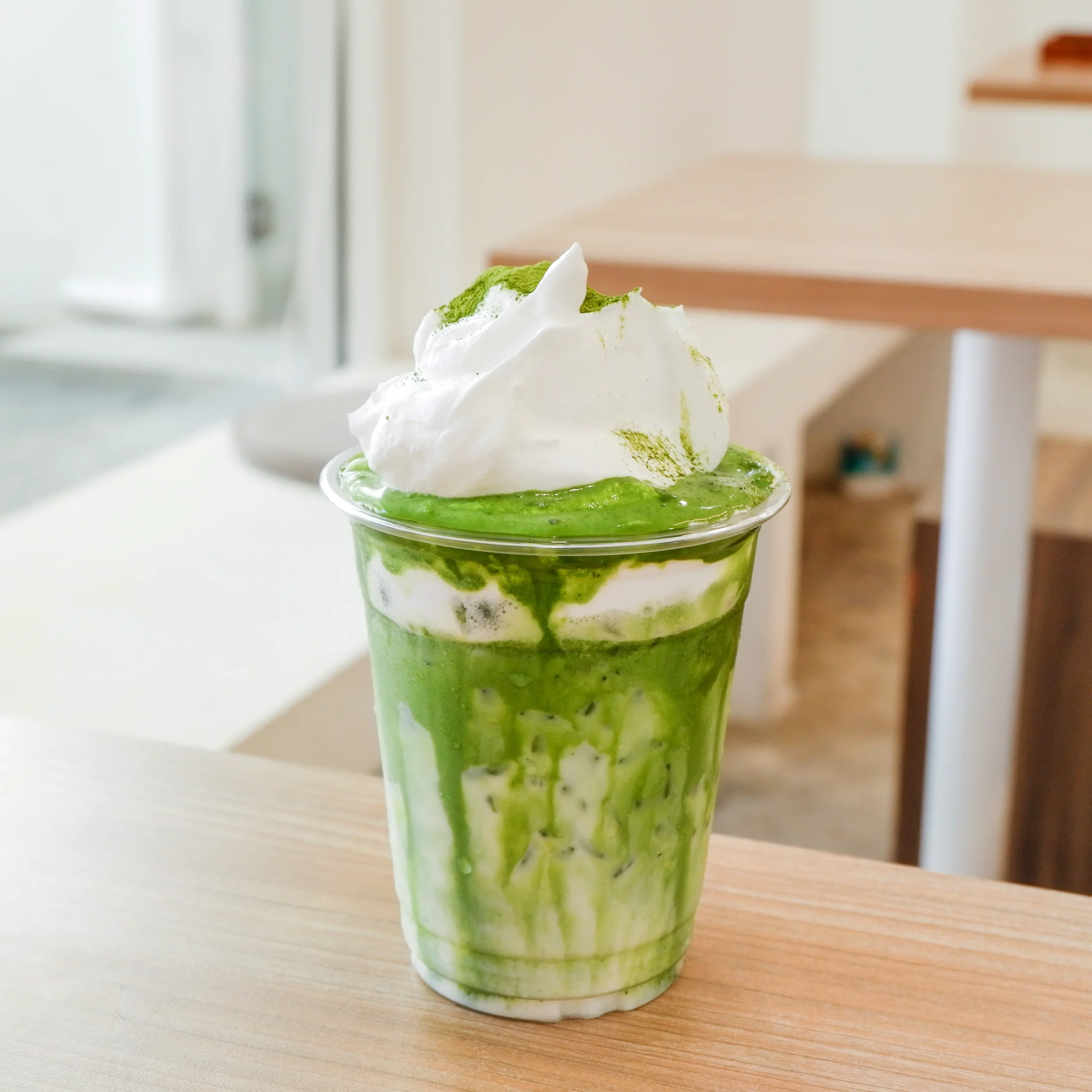
Korean Matcha looks familiar at first glance. Same green powder, same lattes, same social media presence.
But the way Korea has absorbed matcha, turning it into a color palette, a cafe aesthetic, and a dessert format all at once, has produced something that doesn’t quite match the global version of the trend.
Korean Matcha Arrived Through a Global Wave
Korean matcha is a finely ground green tea powder made from specially cultivated tea leaves. Unlike regular green tea, it involves consuming the powdered leaf itself. Its vivid green color, bittersweet flavor, caffeine content, and wellness image have made it especially appealing to younger consumers.
Social media and cafe culture drove most of its recent growth. Matcha lattes, home-whisking videos, ice cream, and cakes spread quickly across TikTok and Instagram. Major cities such as New York and London saw specialty matcha cafes open, while established coffee shops added it to their menus.
What once felt like a niche drink now sits alongside coffee as a lifestyle beverage. That wave reached Korea quickly. But what happened next looks different from what happened elsewhere.
Korean Matcha Became a Color Before It Became a Flavor
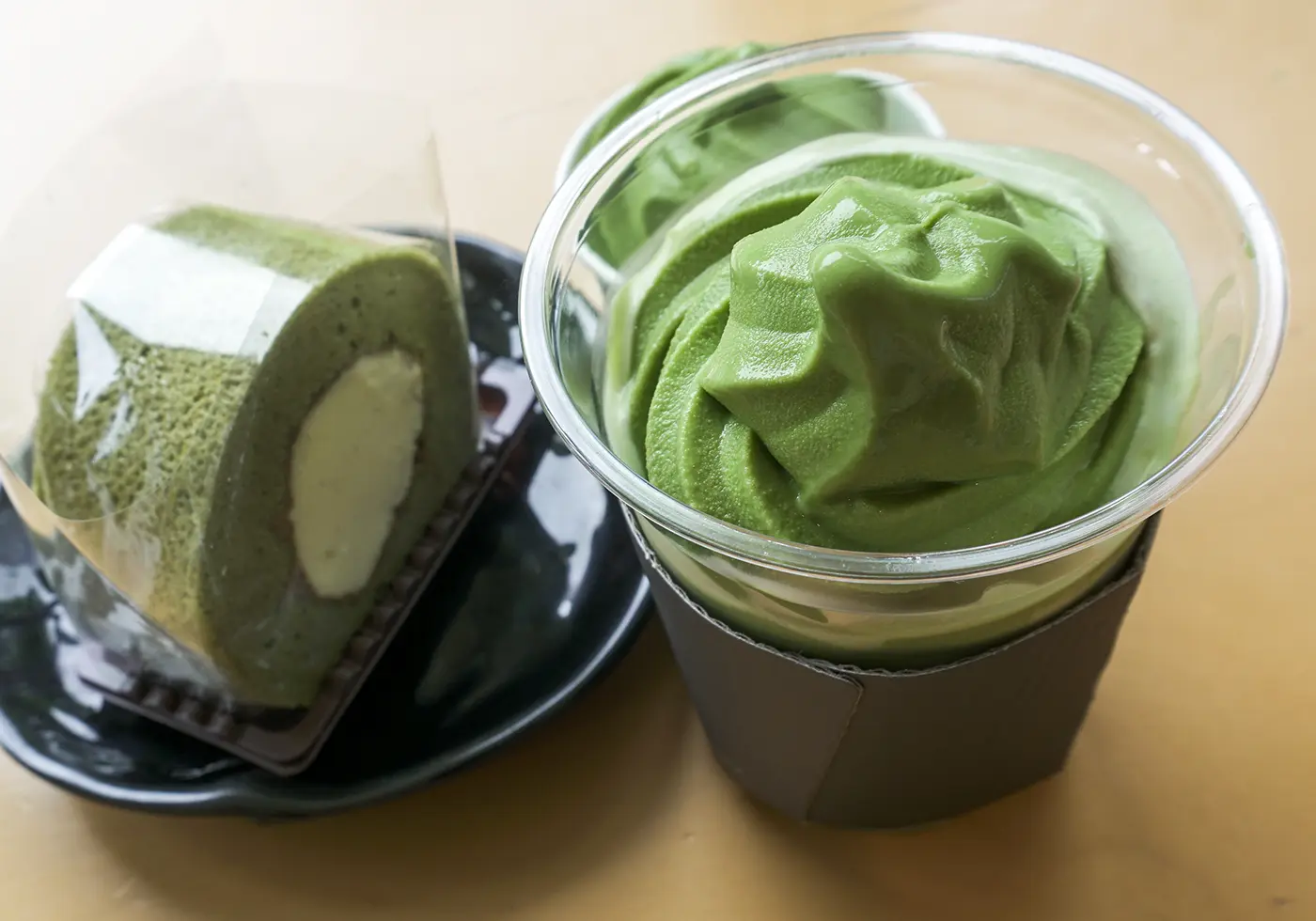
Korean cafes and bakeries offer far more than lattes. Matcha cream, cakes, cookies, and combinations such as matcha and strawberries have become fixtures on dessert menus.
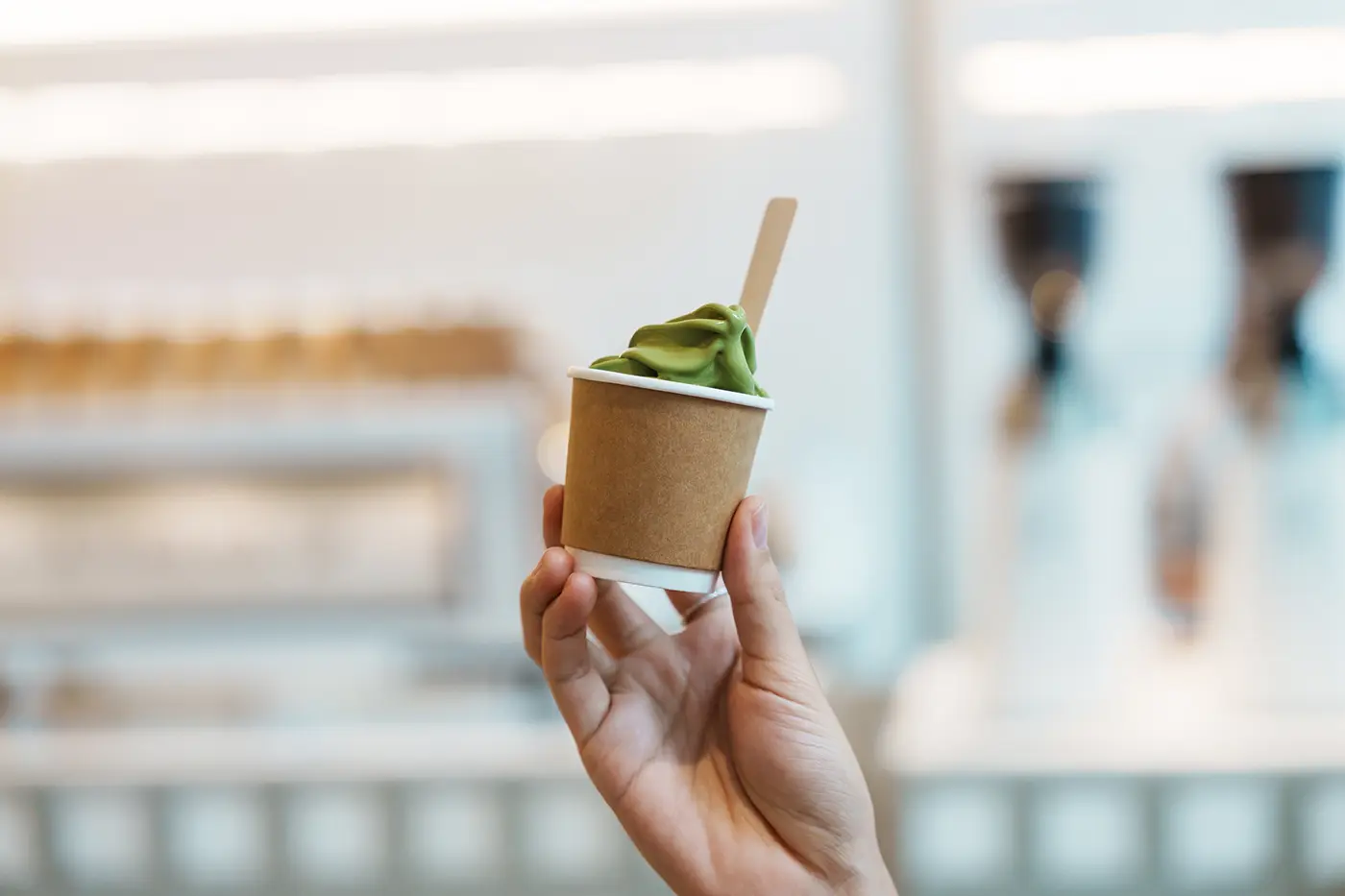
The soft green tone also works with something Korea already had: minimalist cafe interiors, restrained packaging design, and social media photography built around muted palettes. That’s where the so-called “matcha-core” aesthetic comes from. People aren’t only embracing the flavor, but the color and the mood attached to it.
In Korea, Korean matcha functions as more than an ingredient. It shapes the atmosphere of a cafe, the look of a product, and the visual identity of a social media post. A cafe can signal an entire mood with one green drink on the counter.
It Isn’t Really New, and That’s the Interesting Part
Green tea has been part of Korean drinks and desserts for generations. Japan built a particularly established matcha culture, from traditional tea ceremony to ice cream, chocolate, and confectionery. China and other parts of Asia developed their own green tea drinks combining fruit, milk, and other ingredients.
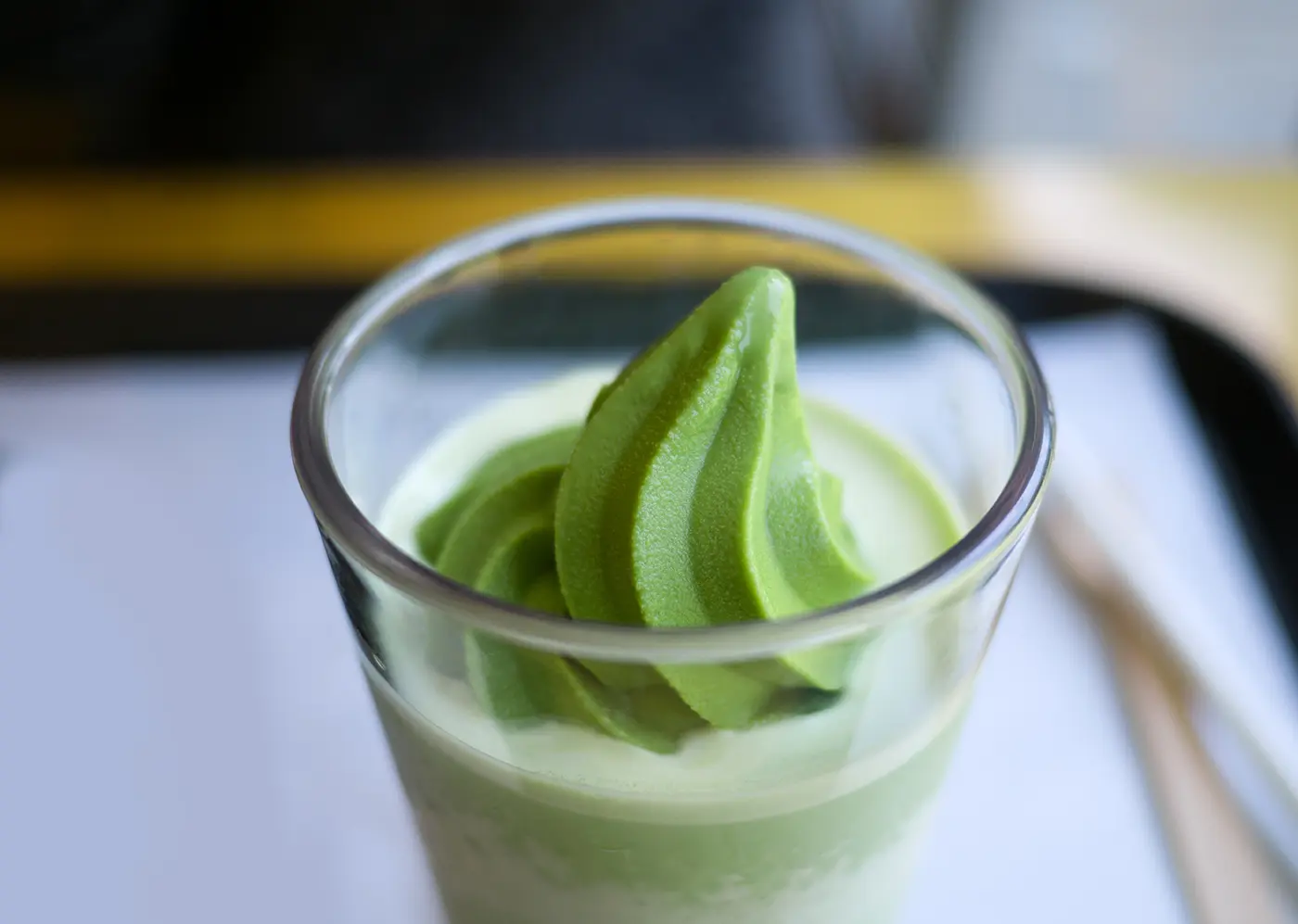
So the current boom isn’t the arrival of something unfamiliar. What’s new is the collision between long-standing Asian tea traditions and global cafe culture. An ingredient that has felt ordinary across Asia for centuries can now appear in a Seoul cafe, a specialty shop in New York, and a viral TikTok video within the same week.
That may be why Korean matcha feels less like a passing food fad and more like a shared cafe language. Korea isn’t simply following the trend either. Local cafes keep pairing it with strawberries, cream, and Korean dessert formats, which is how a global ingredient ends up with a distinctly Korean accent.