
We Are All Obsessed With Fashion Nostalgia
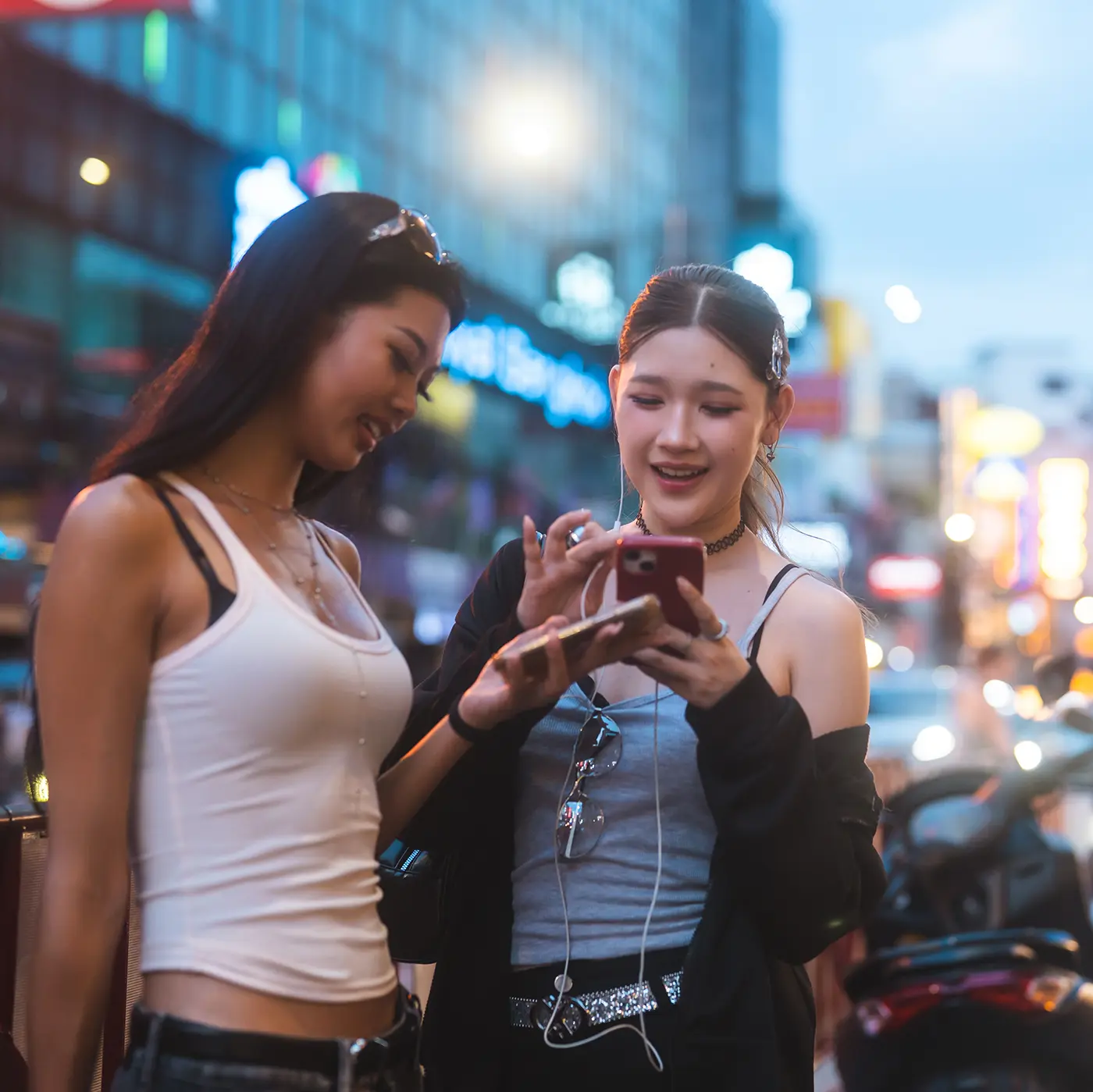
Fashion nostalgia is having another moment, but this time it goes far beyond the Y2K revival. From the 1970s to the 2000s, designers and consumers are mixing references from different decades to create styles that feel familiar yet distinctly modern.
Fashion Nostalgia: Why Are So Many Decades Coming Back?
For a while, Y2K fashion seemed to define the entire retro revival. Now, Fashion nostalgia looks much broader. Designers and fashion lovers are bringing back 1990s minimalism, 2000s low-rise silhouettes, 1970s flared trousers, bohemian details, and the bold shoulders of the 1980s.
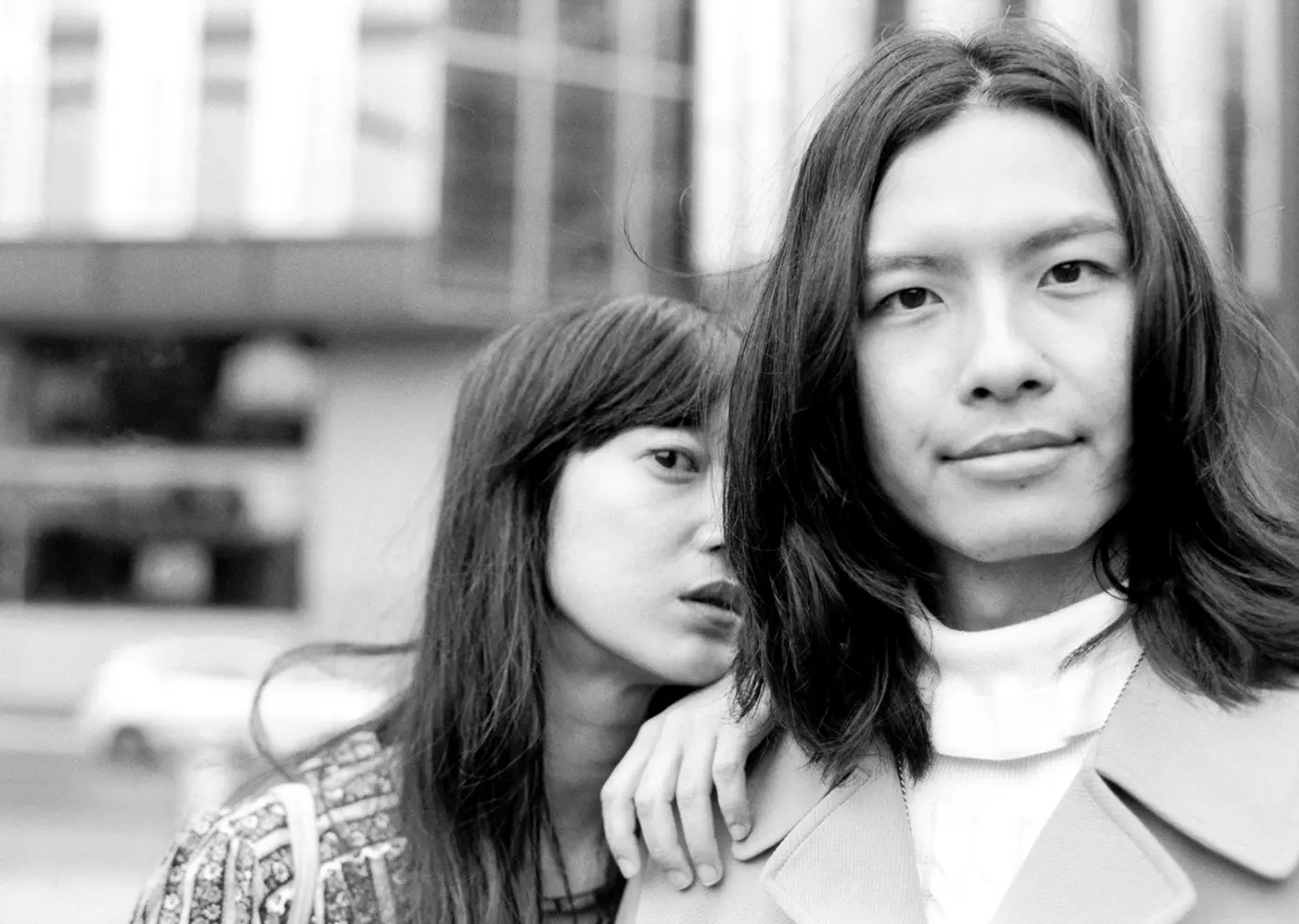
Recent global runways show a similar direction. Instead of simply recreating one particular decade, designers are reworking elements from the past through a contemporary lens. Copenhagen Fashion Week, for example, has shown how retro references can coexist with newer forms of maximalism.
There are several reasons behind the current wave of fashion nostalgia. Social media makes it easier than ever to discover old fashion trends and reinterpret them. Younger consumers can also explore decades they never experienced themselves.
A style from the 1970s or 1990s can feel surprisingly fresh when it appears outside its original context.
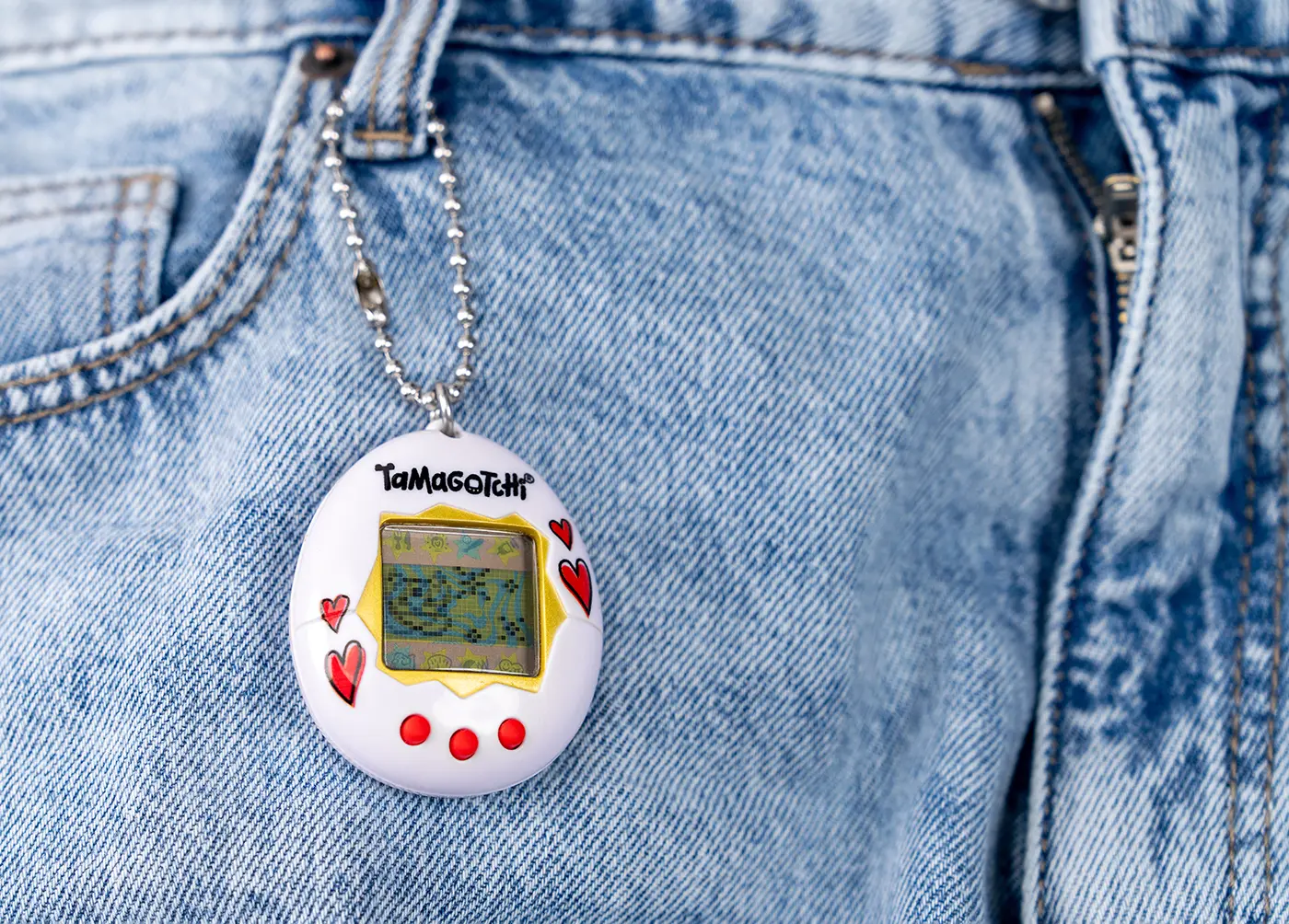
That makes today’s fashion nostalgia different from a simple revival. People are not necessarily trying to dress exactly like someone from another decade. Instead, they pick details they like from different periods and combine them with modern pieces.
How Retro Fashion Is Taking Shape in Korea
Fashion nostalgia is also easy to spot in Korea. Seoul street style rarely sticks to one retro aesthetic. Instead, Y2K pieces, 1990s streetwear, preppy styles, and vintage denim often appear in the same fashion scene.
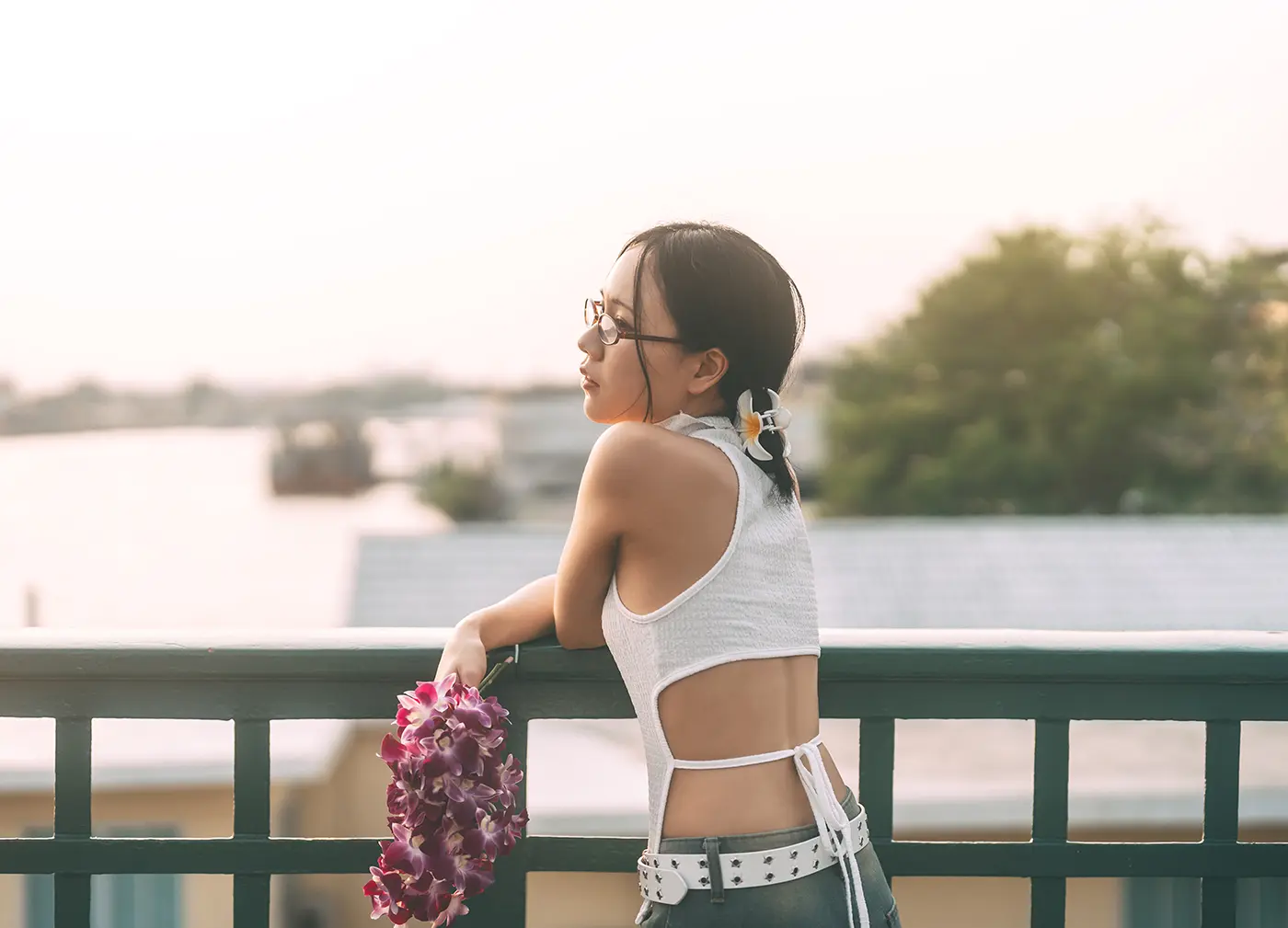
Low-rise pants and mini skirts might be paired with oversized jackets or vintage sneakers. Other outfits mix retro accessories with clean, contemporary silhouettes. This styling approach gives nostalgic pieces a distinctly modern feel rather than making an outfit look like a costume from a particular decade.
You can see this mix across Seoul’s fashion districts, including Seongsu and Hongdae. Online shopping platforms and social media show the same trend. For many young Korean consumers, retro fashion is less about copying a specific era and more about combining different references to express personal style.
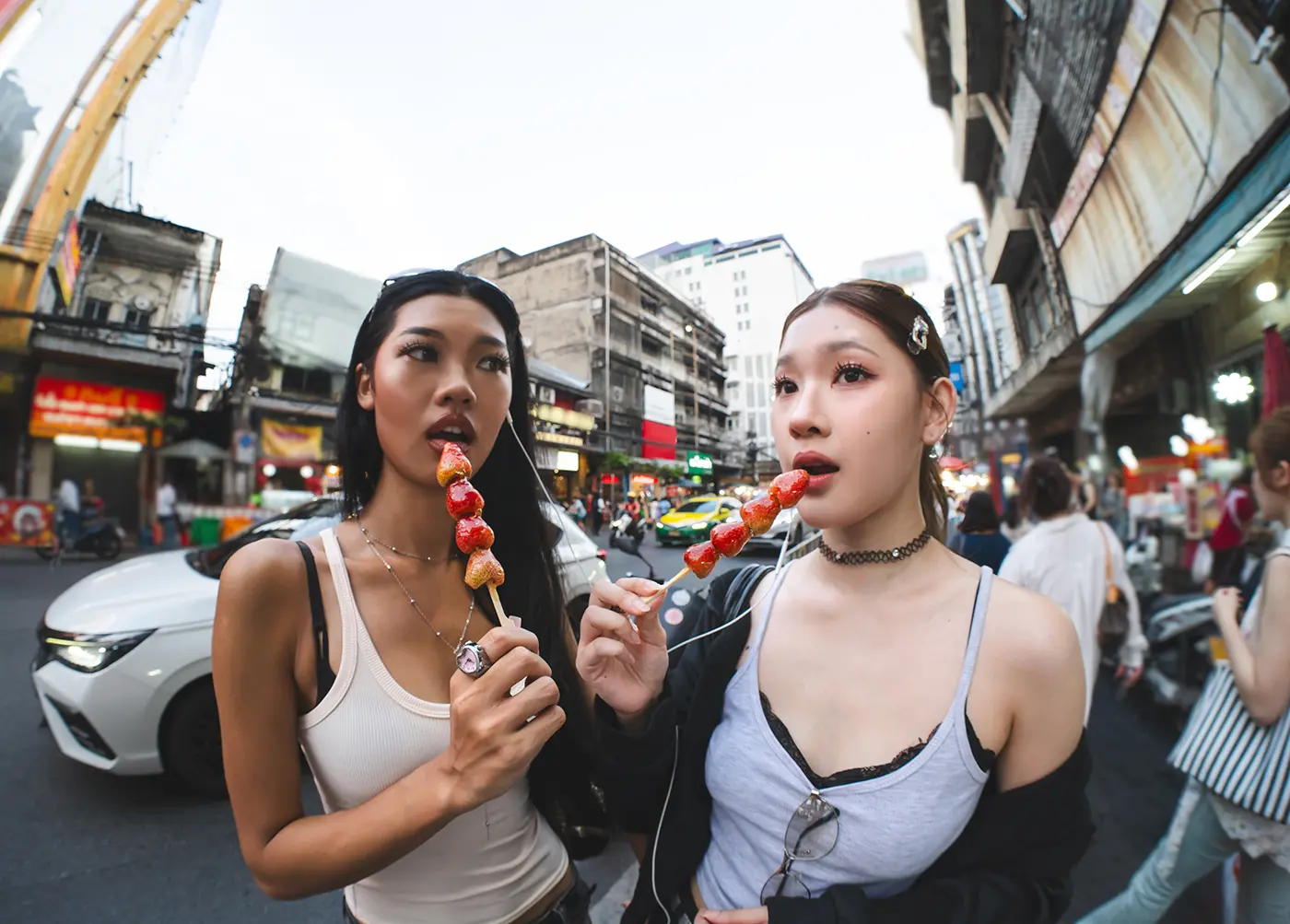
In that sense, Korea’s take on fashion nostalgia reflects a wider global shift. The past is no longer something fashion simply brings back. It has become a library of ideas that people can mix, reinterpret, and make their own.