
Smoothies Are Making a Comeback in Korea
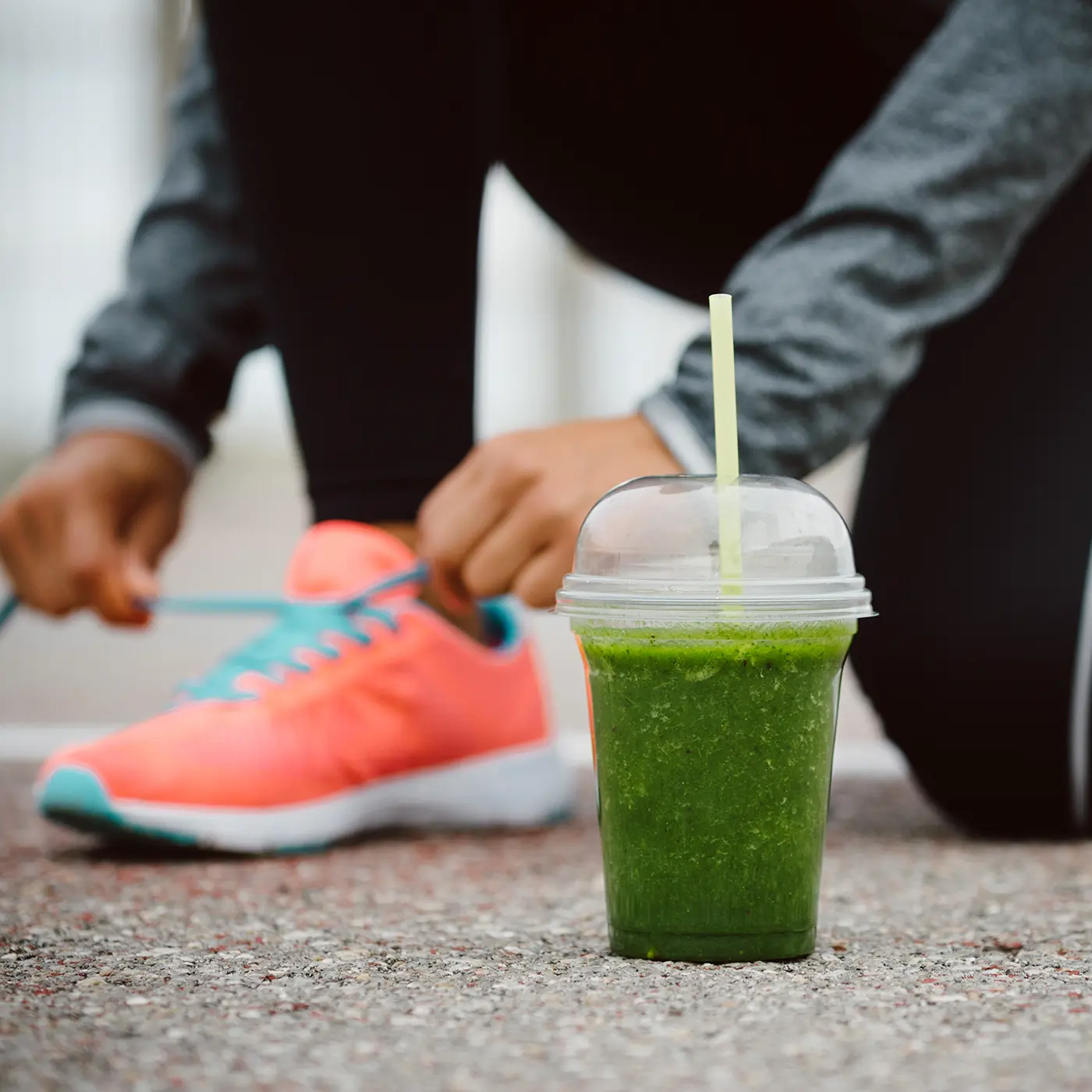
Smoothie culture is returning to Korea in a very different way. After fading behind coffee for years, premium fruit smoothies are finding new fans through wellness trends, social media, and modern café culture.
Smoothie: From Yesterday’s Trend to Today’s Comeback
Smoothies aren’t exactly new to Korea. In fact, they already had their moment. During the late 2000s and early 2010s, brands like Smoothie King and Jamba Juice introduced fruit smoothies as one of the country’s go-to healthy drinks.
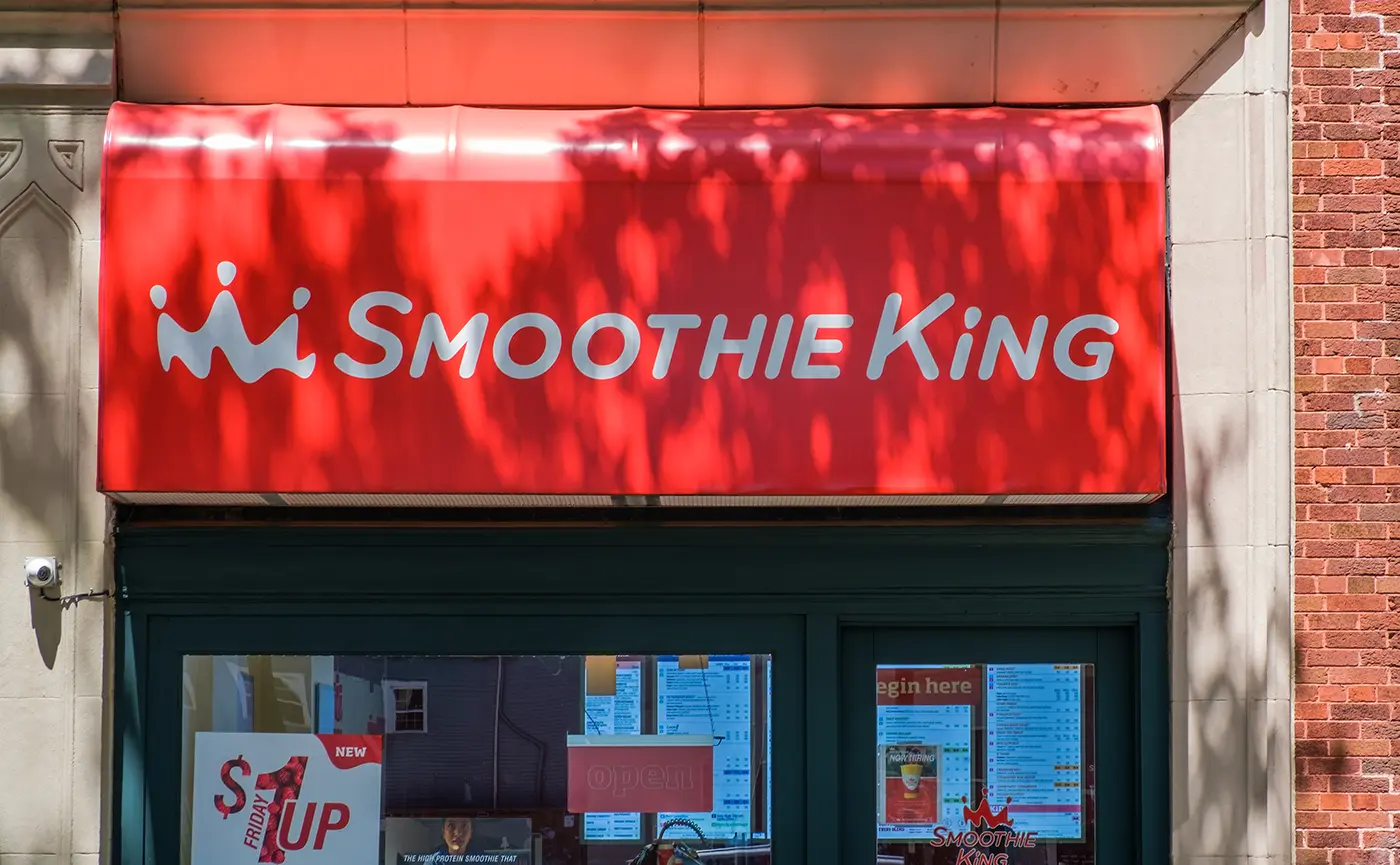
Over time, however, Korea’s cafe culture shifted toward espresso-based beverages as coffee chains expanded rapidly. They gradually became seasonal menu items instead of everyday favorites.
That trend is starting to change. As more consumers look for healthier options and whole-food ingredients, they’re returning with a fresh image. Today’s versions focus on real fruit, less processed ingredients, and better nutrition rather than simply offering a sweet frozen drink.
Around the World, Smoothies Never Really Disappeared
While they lost some momentum in Korea, they continued to thrive in other countries. In Los Angeles, Erewhon turned smoothies into luxury wellness products through celebrity collaborations.
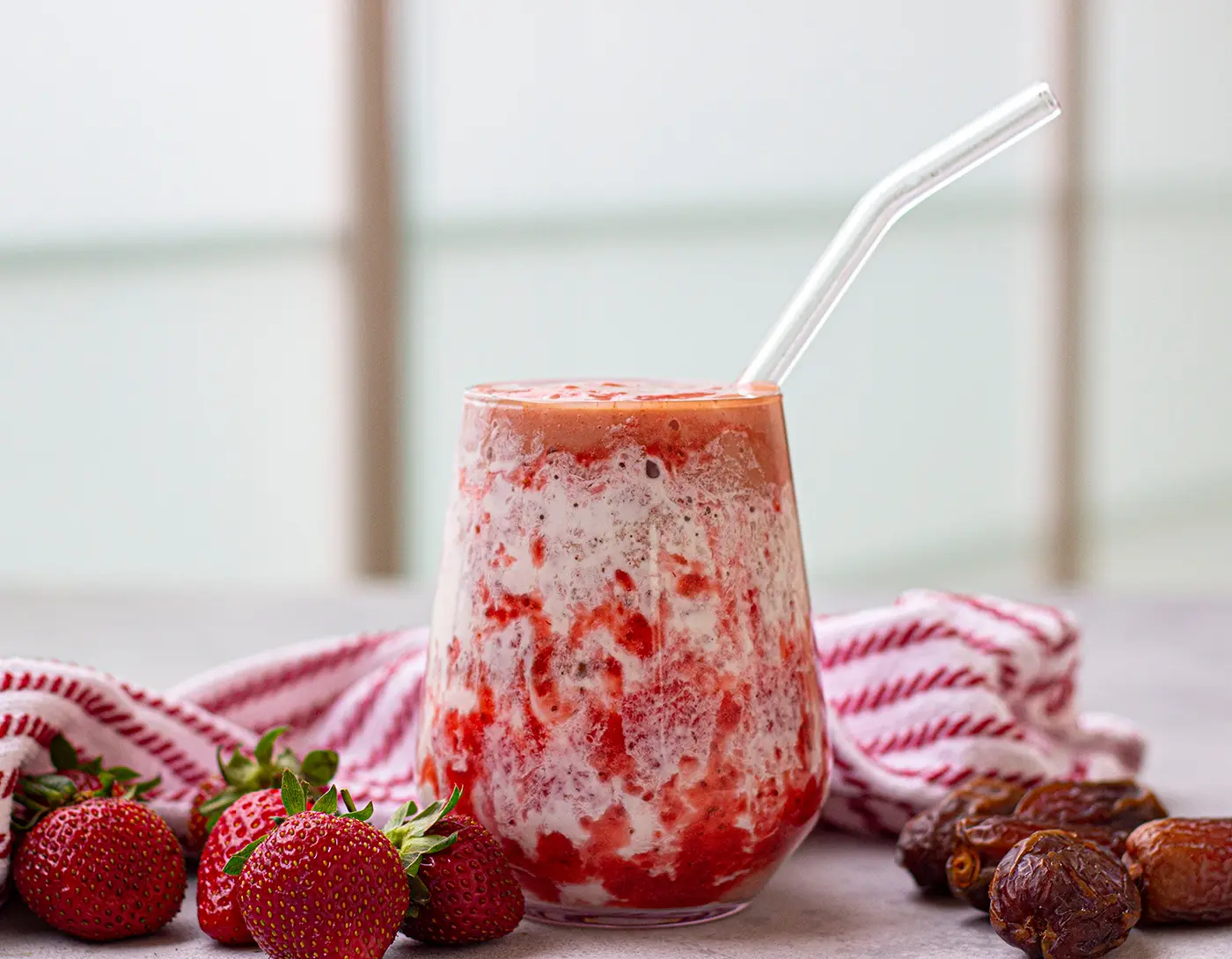
One of the most famous examples is Hailey Bieber’s Strawberry Glaze Skin Smoothie, which quickly went viral on social media and inspired countless recreations. The drink helped transform smoothies from casual refreshments into lifestyle statements centered on beauty and wellness.
Australia and New Zealand tell a similar story. Tank Juice has built its business around freshly blended fruit smoothies and juices for years. Many customers stop by after the gym or grab one as a quick breakfast on busy mornings. In these markets, they’ve become part of everyday eating habits instead of short-lived food trends.

Korea Is Giving Smoothies a New Identity
Now Korea is embracing smoothies once again, but with a different approach. Trendy cafes in neighborhoods like Seongsu and Hannam are creating signature recipes using seasonal fruit, Greek yogurt, matcha, protein, collagen, and other premium ingredients.
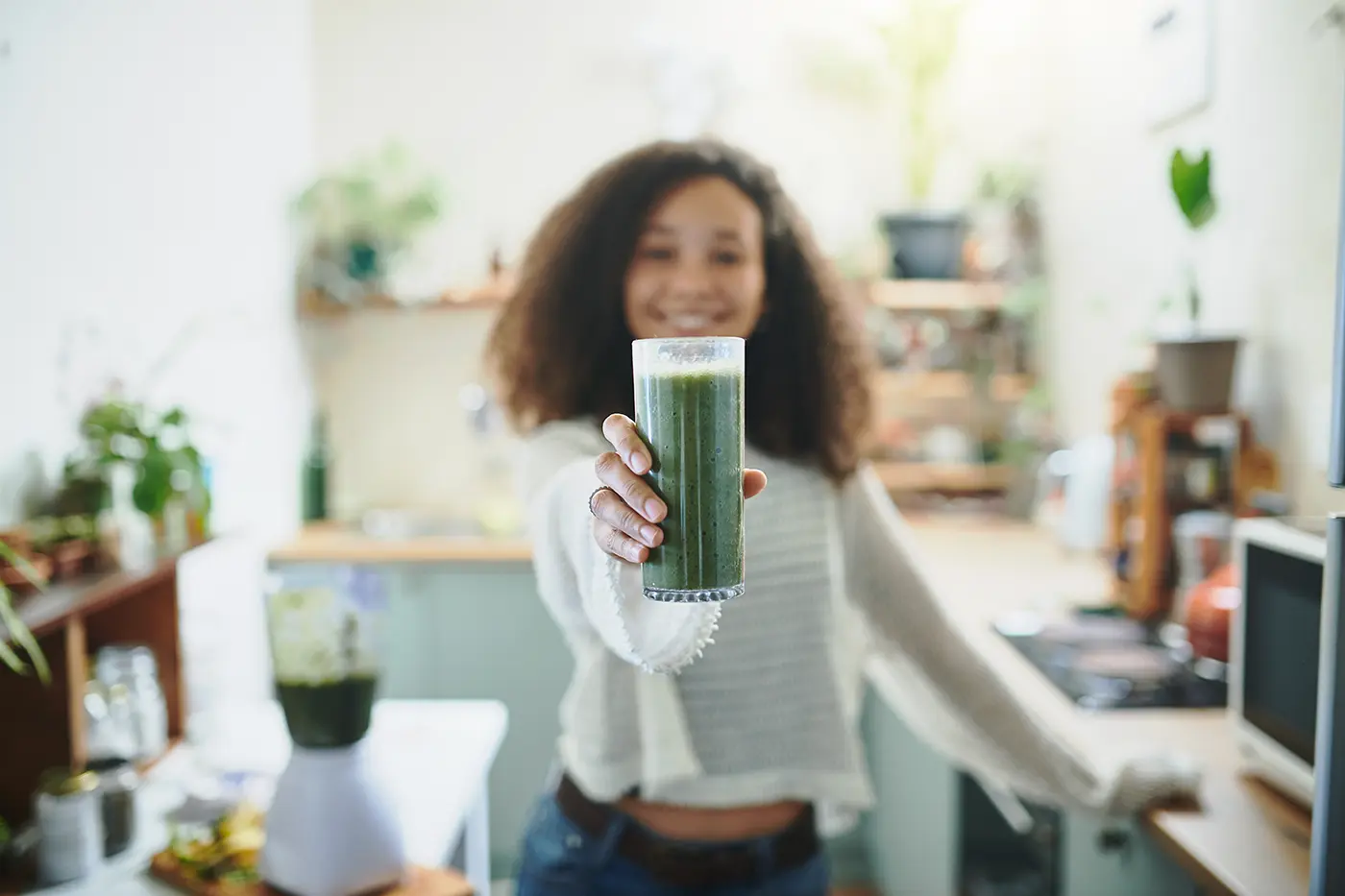
Instead of treating smoothies as simple fruit drinks, many cafes present them as carefully crafted wellness beverages with their own unique identity.
Large cafe franchises have also begun expanding their selections. Summer menus now feature watermelon, mango, and berry smoothies, while newer products often include functional ingredients that appeal to health-conscious consumers. The smoothie making a comeback in Korea isn’t the same one people remember from a decade ago.
It has evolved into a drink that combines nutrition, cafe culture, and social media appeal, making it one of the country’s newest beverage trends once again.