
Haedong Yonggungsa Busan’s Temple by the Sea
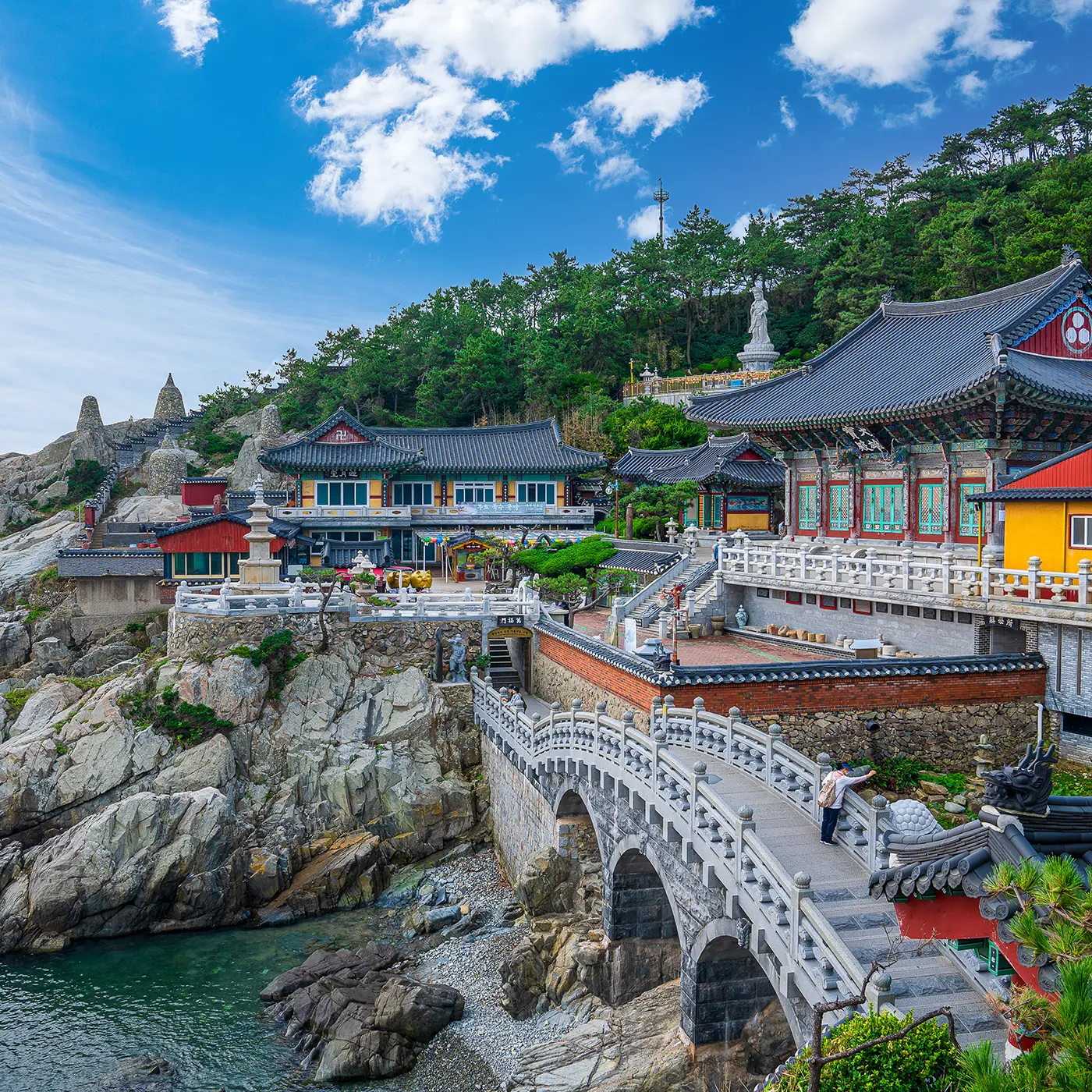
Haedong Yonggungsa is usually phothgraphed as a quiet seaside temple, all cliffs and crashing waves with not another visitor in sight.
If you expected that scene, then maybe you’ll be disappointed within the first five minutes. The reality is much louder, more crowded, so better to be prepared.
Haedong Yonggungsa Exists Because Someone Broke the Rules
Almost every major Buddhist temple in Korea sits deep in the mountains, tucked away from coastlines and crowds. That’s not a coincidence.
Traditional temple placement followed strict geomantic principles that favored elevation and seclusion. Haedong Yonggungsa breaks that pattern entirely.
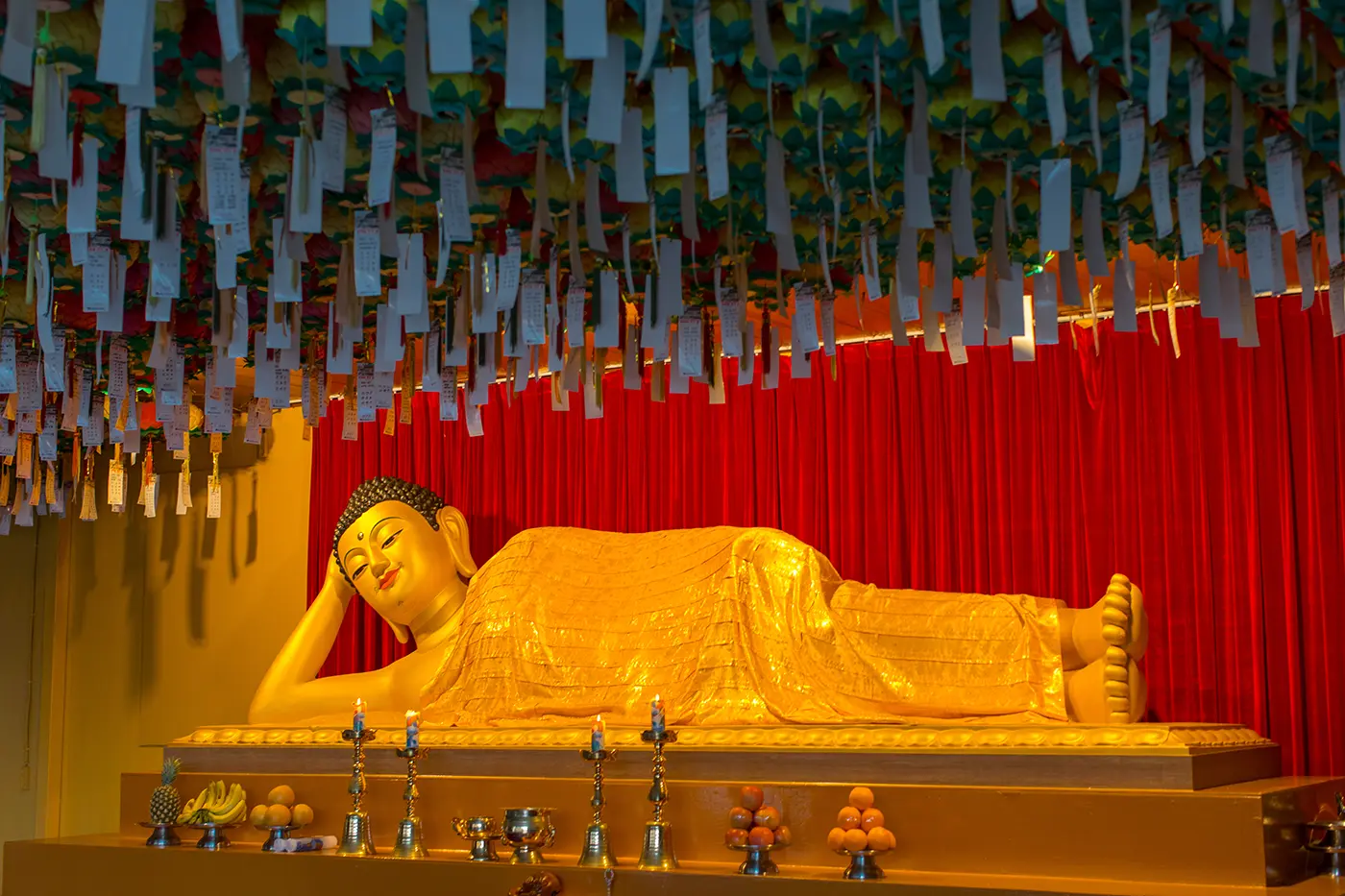
Founded in 1376 by the monk Naong, the temple’s location traces back to a story rather than a rulebook. According to the legend, a sea goddess appeared to him in a dream and asked him to build here, directly on the rocky coast facing the East Sea.
Whether or not you buy the legend, the result is one of the only oceanside temples in the entire country, and it shows the moment you walk down the stone steps toward the water.
The Crowds Are Real, but No One Warns You About Them
Here’s the part most guides skip. Because Haedong Yonggungsa looks so striking in photos, it has become one of the most Instagrammed spots in Busan, and that popularity comes with a cost.
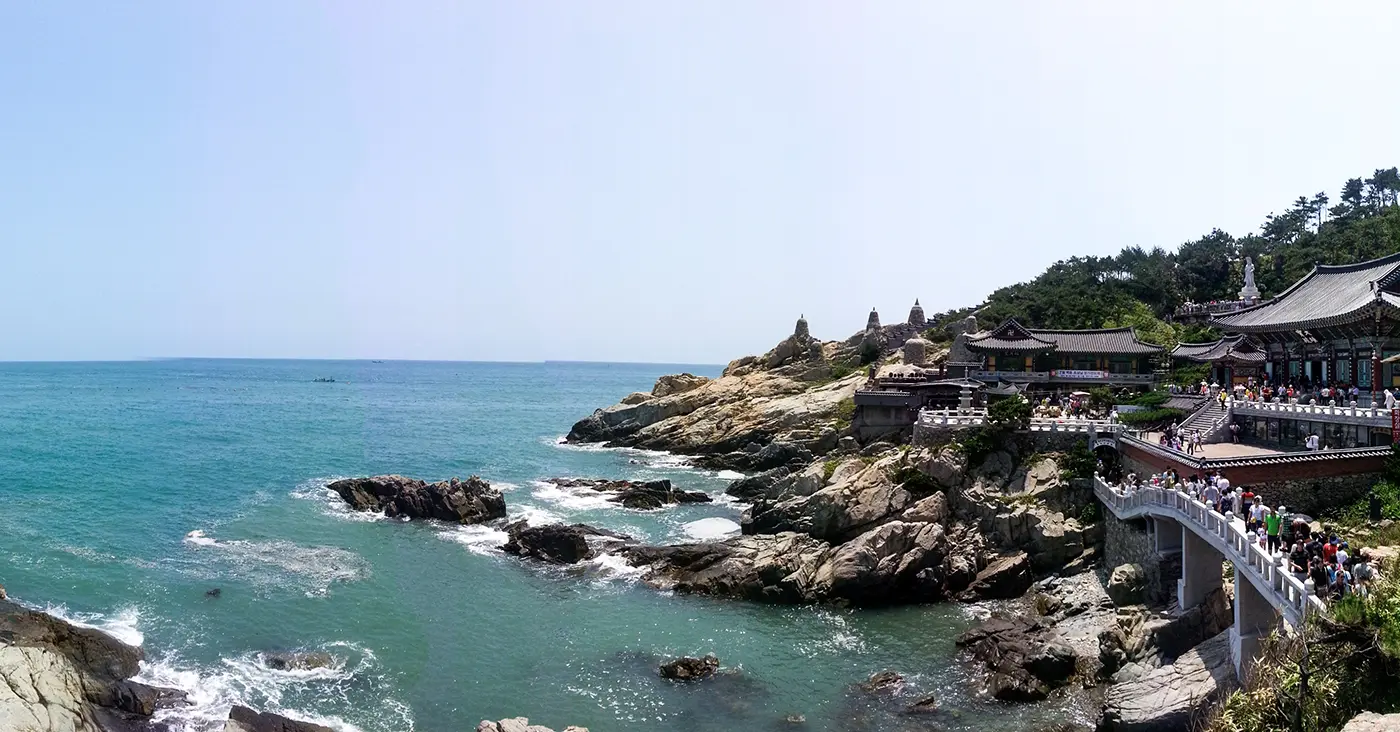
By midmorning, the narrow stone pathways fill with tour groups, and the calm, contemplative shot you saw online becomes considerably harder to recreate in person.
If solitude matters to you, this isn’t a place to visit on a relaxed schedule. Arrive early, or don’t expect the temple to feel like the peaceful escape the pictures promise.
When to Actually Worth to Visit Haedong Yonggungsa
Sunrise is when Haedong Yonggungsa earns its reputation. The temple faces east directly toward the water, and the first light hitting the pagoda and the waves below is genuinely different from anything you’ll see later in the day.
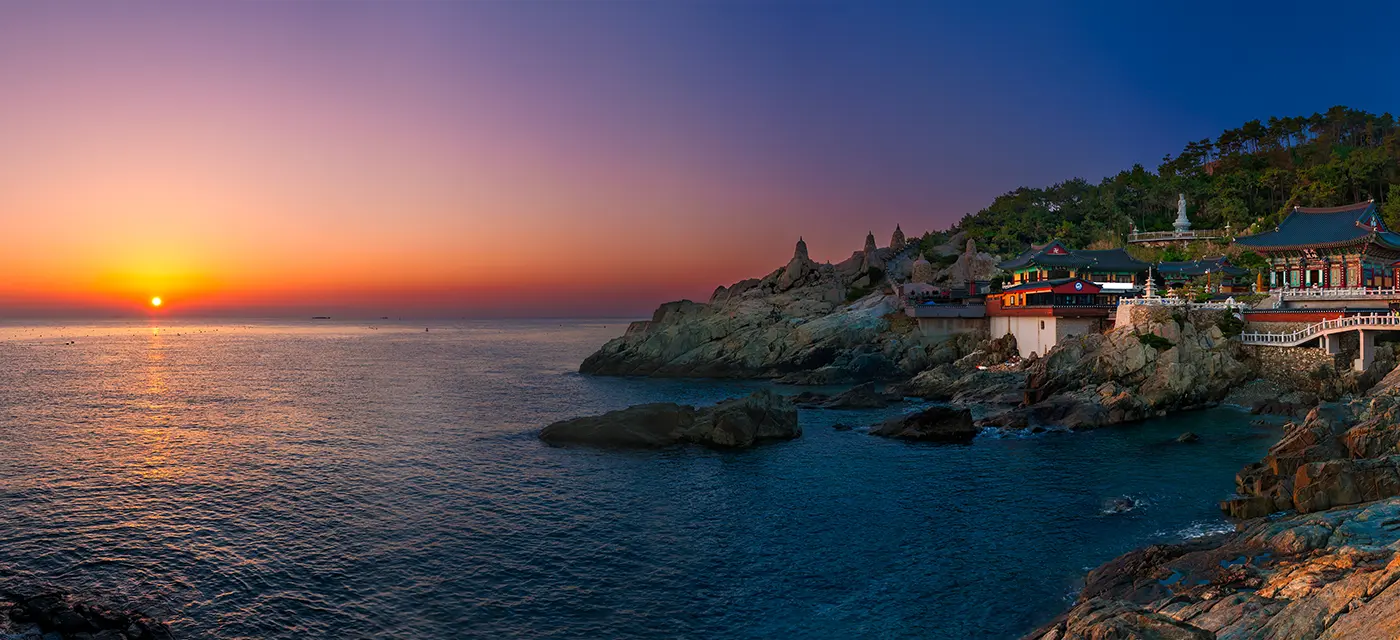
Arriving before 7 a.m., especially outside weekends, means sharing the site with a handful of people instead of a tour bus.
Late afternoon is the second-best option, when the light softens again and most day-tour groups have already moved on to their next stop. Middly, by contrast, is when the temple is at its busiest and least photo genic, so if your schedule only allows one window, skip it.
Getting There and What to Know Before Your visit
Haedong Younggungsa sits in Gijang-gun, roughly 6 kilometers northeast of Haeundae Beach, which makes it an easy add on to a Busan itinerary that already includes the beach or Gamcheon Culture Village.
Admission is free, and the site is included on most Busan sightseeing bus routes, though a taxi or rideshare from Haeundae is faster if you’re chasing the sunrise window.
The walk from the entrance to the temple itself is short but steep, with plenty of stairs, so comfortable shoes matter more here than at flatter temple sites. A row of zodiac statues greets visitors near the entrance, and most people stop for photos there before continuing down toward the water.
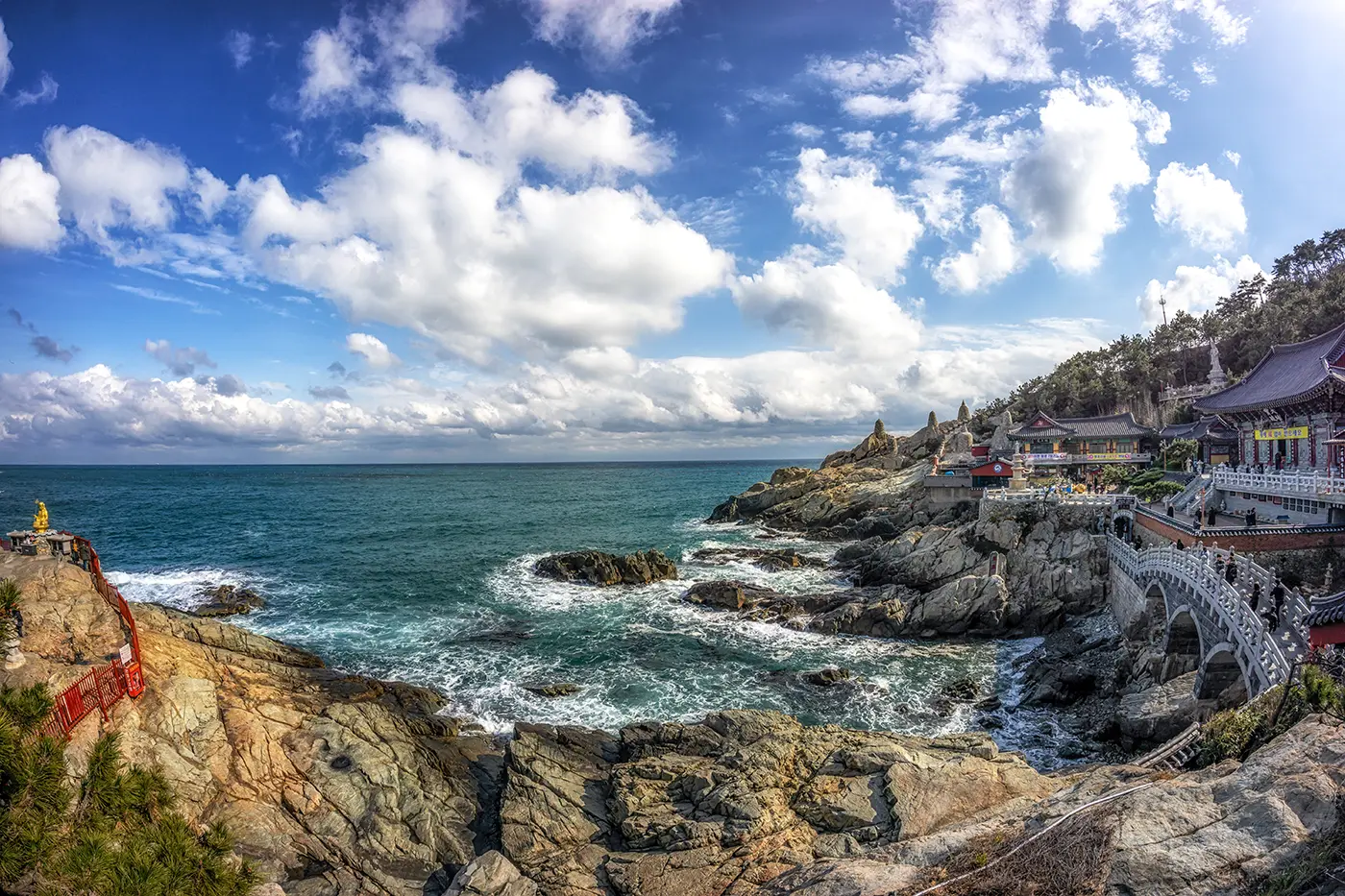
One detail worth knowing: the crowds thin out considerably past the main viewing platform, where a smaller shrine sits closer to the water. Most tour groups don’t make it that far before turning back.
Before You Leave
If you only remember one thing about Haedong Yonggungsa, let it be this: the temple rewards timing more than luck. Show up at the wrong hour and you’ll get a crowded courtyard. Visit early and you’ll understand exactly why this place became famous in the first place.