
Seodaemun Prison, Seoul’s Darkest History Site
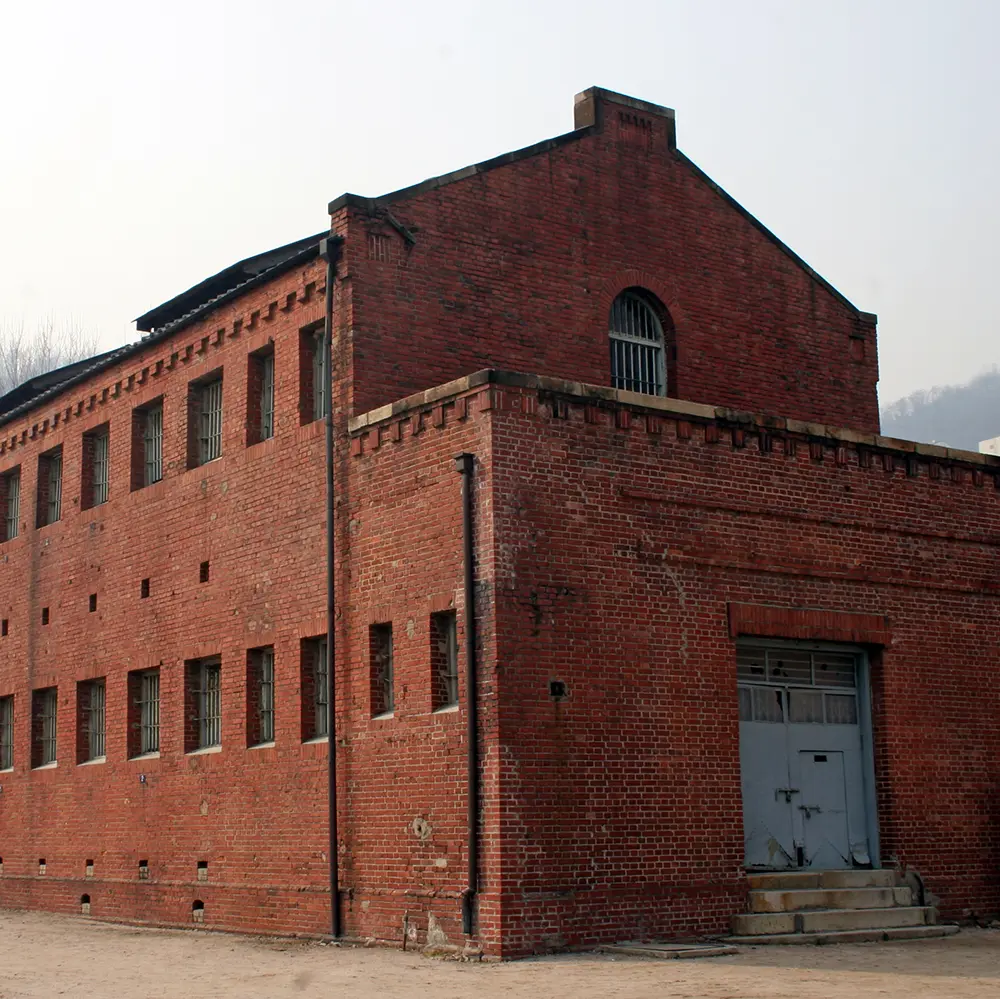
Seodaemun Prison holds some of the heaviest history in Seoul, and walking through it feels nothing like a museum. The first thing you notice here isn’t a plaque or a sign.
It’s the sound your own footsteps make in an empty corridor, echoing off brick that’s over a hundred years old. No audio guide narration, no gift shop music. Just that sound, and the quiet realization that you’re the loudest thing in the building.
Seodaemun Prison Was Built to Look Progressive, Not Cruel
Seodaemun Prison opened in 1908, during the early years of Japanese colonial rule, and it was designed to look like a symbol of modernization – with brick construction, Western-style architecture, and a “civilized” prison for a “civilized” empire.
That framing is the first thing worth sitting with. The building wasn’t hidden or crude. It was designed to symbolize order and modernity, while inside it, Korean independence activists were interrogated, tortured, and, in many cases, executed simply for resisting occupation.
That contrast between appearance and reality doesn’t stay in the past. It’s the same tension you feel as you walk through the site today – a well-maintained, almost handsome brick building that happens to contain some of the darkest rooms you’ll encounter in Seoul.
What You Actually See Walking Through the Cells
The solitary confinement cells are smaller than you’d expect – smaller than most bathrooms. Some visitors instinctively step back out after only a few seconds, as if the room itself pushes them away.
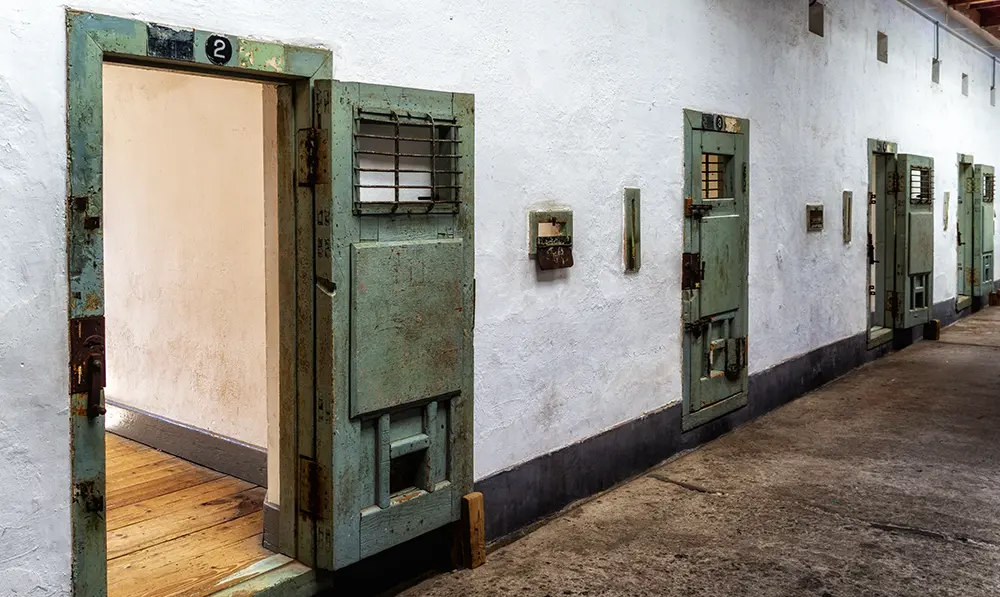
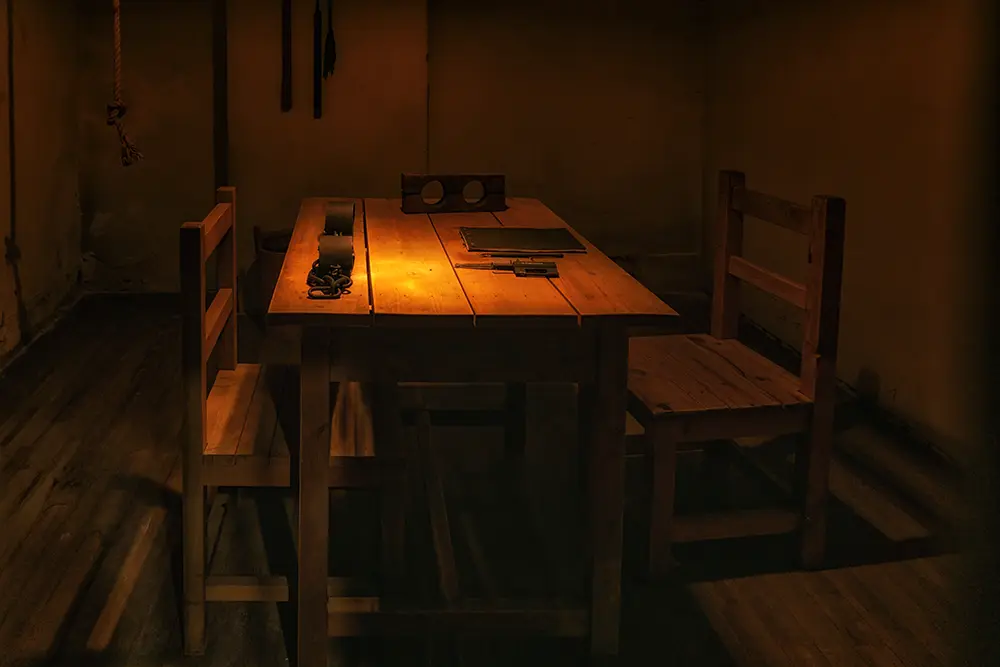
The interrogation room preserves equipment once used during torture sessions, displayed plainly and without dramatization. Farther inside, the execution building stands apart from the rest of the complex.
It’s connected by an underground tunnel that once allowed prisoners to be moved without anyone else seeing them.
What struck me most wasn’t any single artifact. It was the reaction of the people around me. Groups that had been chatting outside go almost completely silent once they’re inside. Nobody tells you to be quiet. It just happens.
The Detail Most Visitors Miss
Most guides tell you to come here for the history lesson, and that’s true. But there’s another layer to Seodaemun Prison that’s worth noticing. The building itself tells part of the story.
The brickwork, the dimensions of the cells, and the layout of the interrogation wing were all designed with a specific purpose – control, not simply confinement. Look closely at the way the corridors are angled.
A single guard could watch multiple cells at the same time. That wasn’t an accident of old architecture. It was a system built directly into the walls.
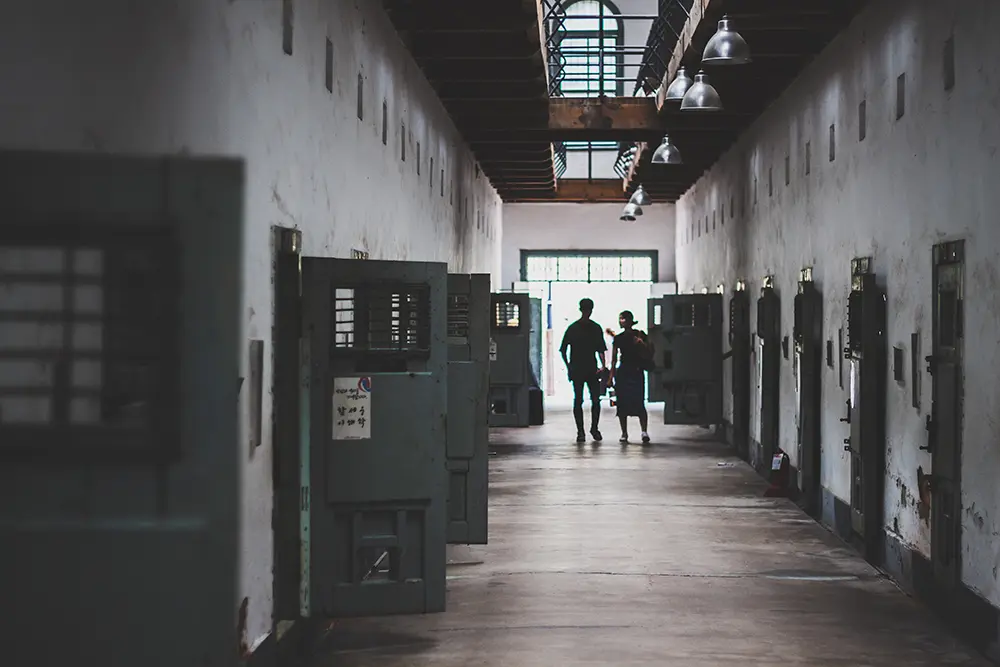
It’s a strange detail to notice, but once you do, you begin to see the rest of the site differently. This wasn’t simply a place where cruelty happened. It was a place where cruelty was designed, planned, and made efficient.
Visiting Seodaemun Prison: What to Know Before You Go
Seodaemun Prison is located in Seodaemun-gu. You can easily reach it from Dongnimmun (Independence Gate) Station on Seoul Subway Line 3, and Seodaemun Independence Park sits right next door.
Plan to spend about 1.5 to 2 hours if you want to experience the entire site without rushing. Admission is inexpensive, and English signage is available throughout the museum.
A few practical tips: some exhibition rooms use sound and lighting to recreate what prisoners experienced. These exhibits can feel intense for children or for visitors who are sensitive to immersive displays.
There’s no need to see every room. If a particular space feels overwhelming, simply step outside and continue the visit at your own pace.
Before you leave, there’s one thing worth doing that has nothing to do with taking photos. Stand quietly in the courtyard for thirty seconds and simply listen. It’s one of the few places in Seoul where the silence itself becomes part of the experience.