
Try Mukbang If You Feel Hungry
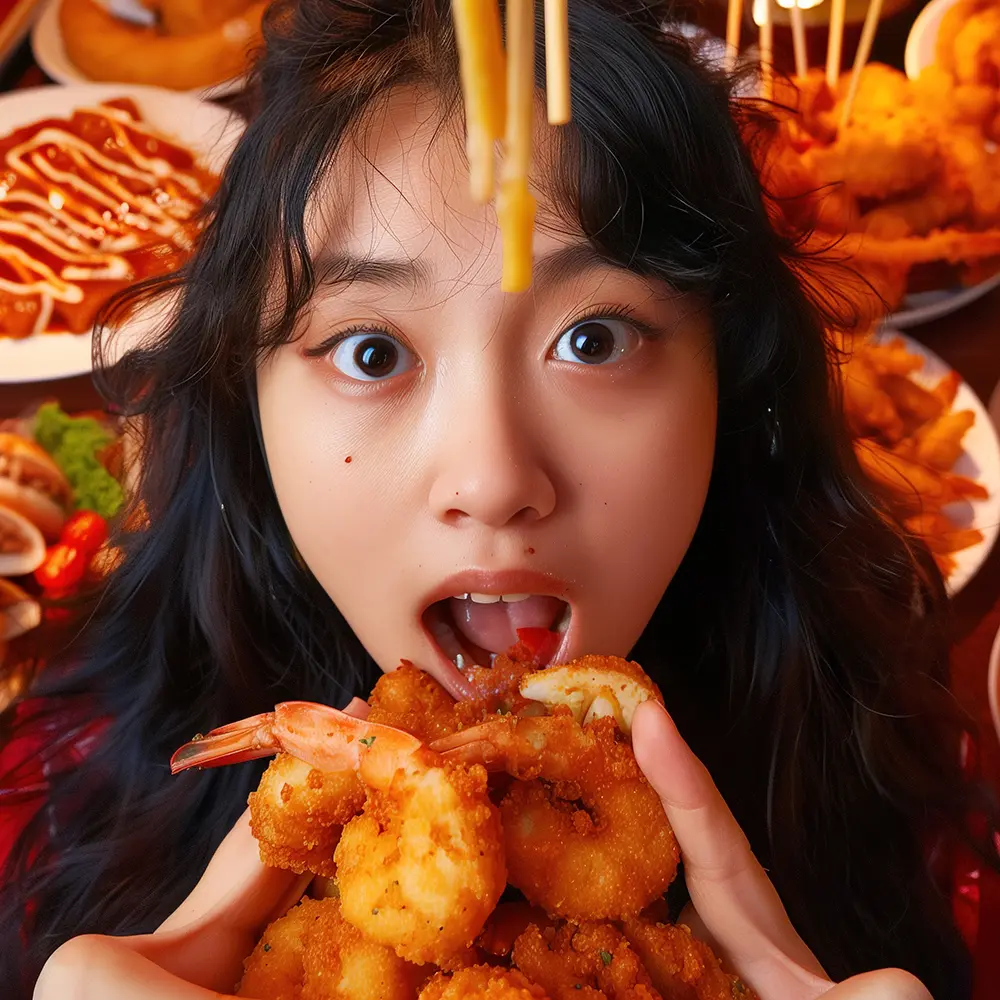
Mukbang began in South Korea and has grown into a global internet phenomenon. Discover why millions of people watch Mukbang and how it became one of Korea’s most unexpected cultural exports.
Mukbang Started in Korea, but the Whole World Uses the Korean Word
Most people know what Mukbang is today, but many are surprised to learn that the word itself isn’t English. It comes directly from the Korean phrase meokneun bangsong, which literally means “eating broadcast.”
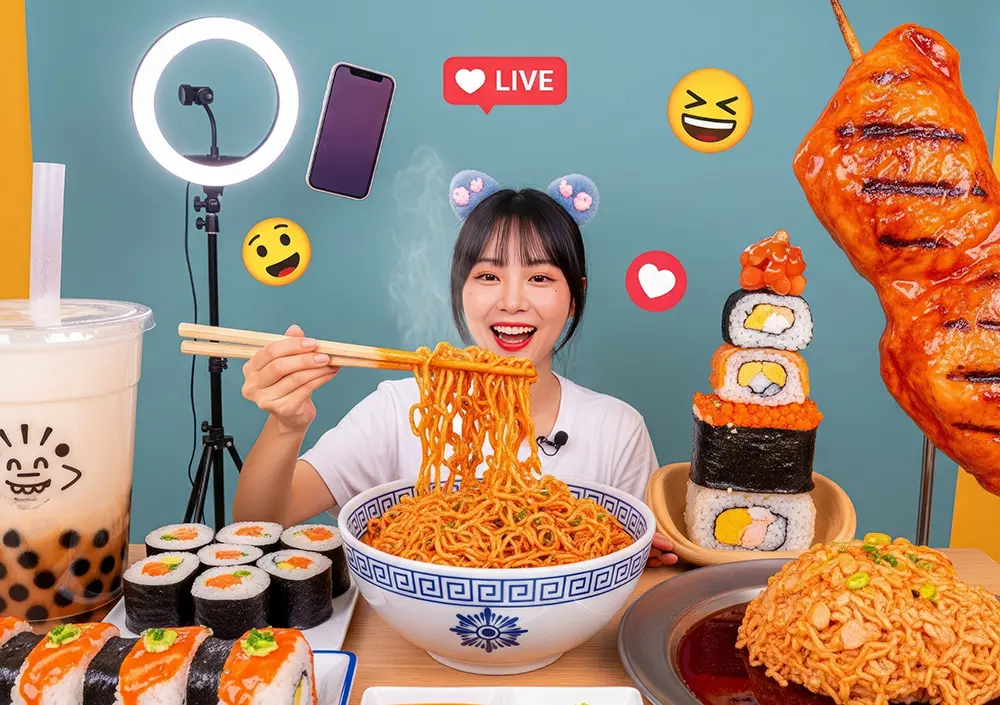
The trend first took off on Korean livestreaming platforms in the early 2010s, where creators interacted with viewers while enjoying large meals on camera.
As Mukbang videos spread across YouTube and TikTok, something unusual happened. Instead of translating the term into “Eating Show,” people around the world simply adopted the Korean word. Much like kimchi, taekwondo, or hanbok, Muk bang became part of the global vocabulary.
It’s surprisingly rare for a Korean word to become universally recognized, which makes it one of Korea’s most distinctive cultural exports.
Why Do People Enjoy Watching Someone Else Eat?
At first glance, watching another person eat might seem like an odd form of entertainment. Yet for millions of viewers, Muk bang offers much more than food.
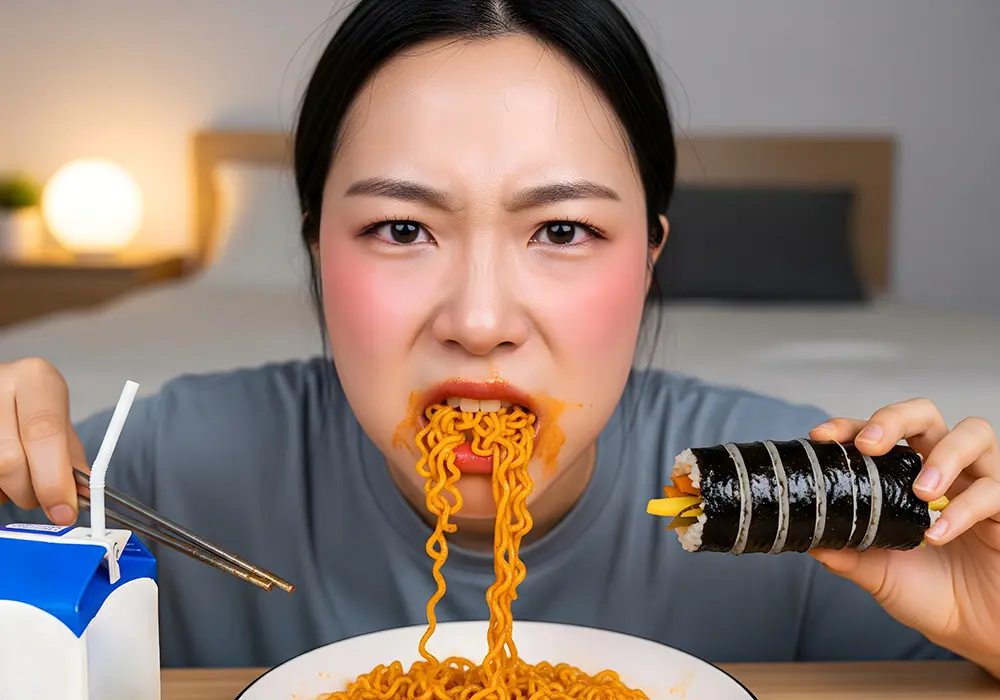
Some enjoy the relaxing ASMR sounds of crispy fried chicken, bubbling ramen, or crunchy vegetables. Others watch while eating alone because it feels like sharing a meal with someone, creating a sense of companionship that can make dining more enjoyable.
Mukbang also introduces viewers to foods they may never have tried before. Korean dishes like tteokbokki, samgyeopsal, kimchi stew, and seafood platters appear regularly in videos, inspiring many international viewers to visit Korean restaurants or even travel to Korea.
In that way, it has become an unexpected gateway to Korean food culture.
Korean Mukbang Is Different from Western Food Challenges
While food content exists everywhere, Mukbang has developed its own unique style. Many Western food videos focus on speed-eating contests, oversized burgers, or spicy food challenges.
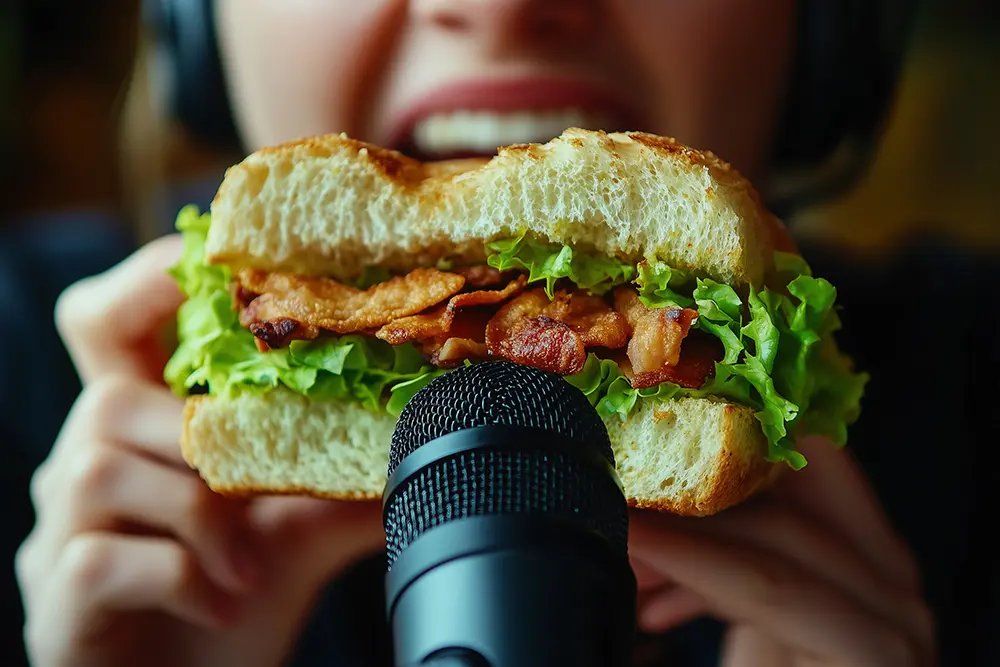
Muk bang, on the other hand, usually celebrates the enjoyment of eating itself. The emphasis is on flavor, texture, and the experience of sharing a satisfying meal rather than simply consuming as much food as possible.
Today’s Korean creators also mix Mukbang with cooking videos, daily vlogs, café visits, and restaurant reviews. Rather than treating food as a challenge, they often present it as part of everyday life.
This slower, more personal approach has helped Korean Mukbang attract viewers from all over the world who appreciate both the food and the atmosphere.
Mukbang Became One of Korea’s Most Unexpected Cultural Exports
Unlike K-pop or K-dramas, Mukbang wasn’t created with global audiences in mind. It grew naturally because people genuinely enjoyed watching it.
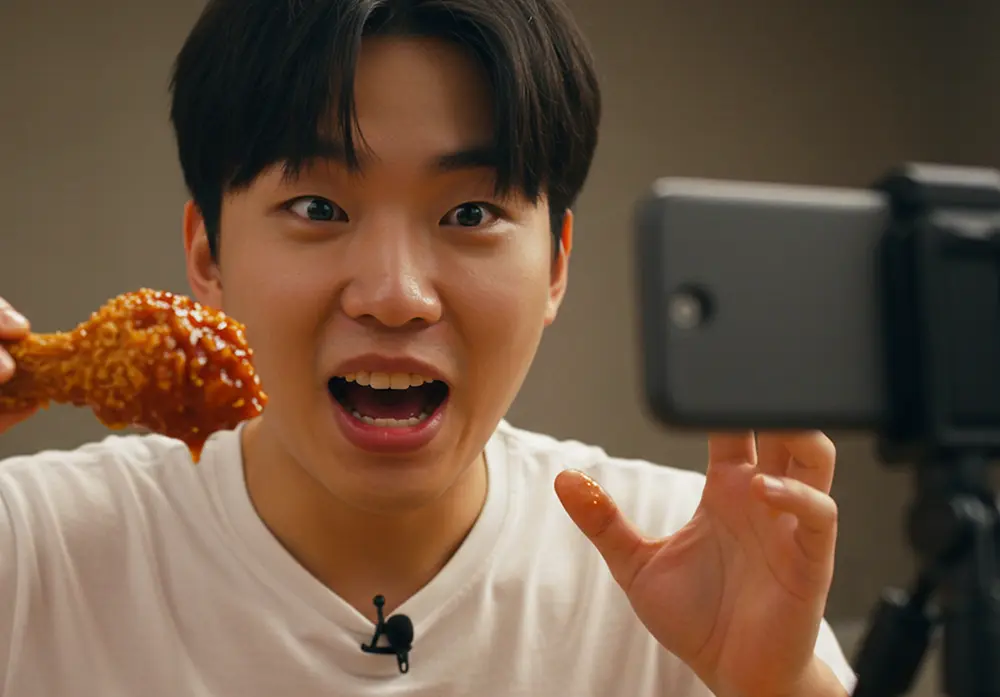
Over time, the videos introduced millions of viewers to Korean cuisine, dining culture, and even everyday expressions, all without feeling like traditional cultural promotion.
Today, creators from the United States, Europe, Southeast Asia, and many other regions still upload videos under the title “Muk bang” instead of “Eating Show.” That alone says something remarkable. Very few countries have created a word that the entire internet now understands.
It is one of those rare exceptions, proving that sometimes a simple meal can become a worldwide cultural phenomenon.