
What is Your MBTI?

MBTI has become part of everyday life in Korea. Discover why personality types shape conversations, friendships, dating, and even workplace culture.
MBTI Isn’t Just a Personality Test in Korea
If you spend even a few days in Korea, there’s a good chance someone will ask, “What’s your MBTI?” before they ask about your job or hobbies. While the Myers-Briggs Type Indicator is recognized in many countries, few places have embraced it as enthusiastically as Korea.
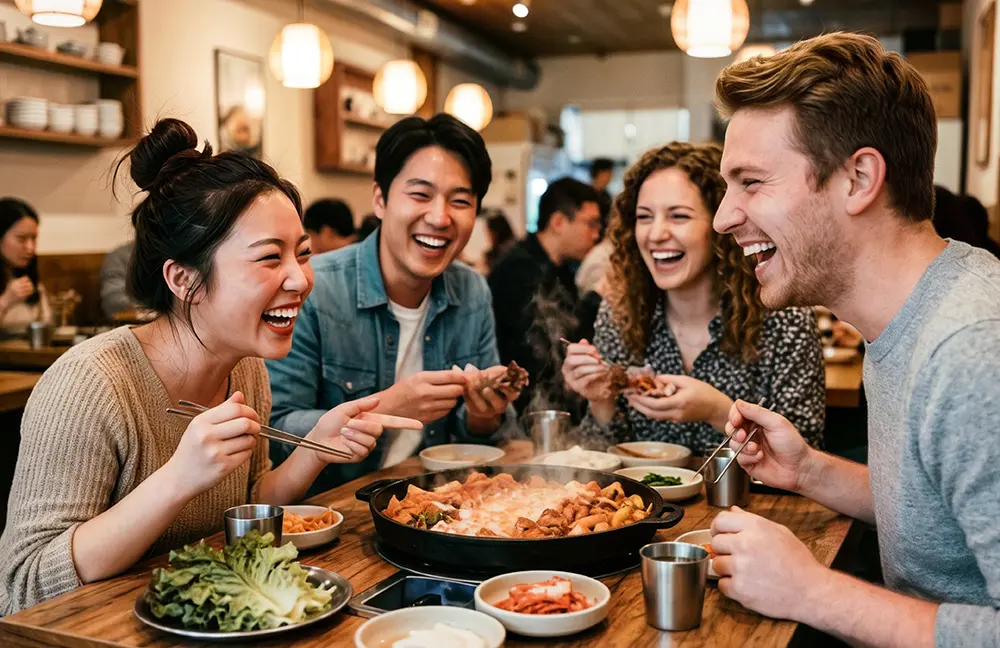
Today, MBTI has evolved beyond a personality assessment and become part of everyday conversation, especially among younger generations.
For many Koreans, asking about it isn’t about putting someone into a rigid category. It’s more like a fun icebreaker that helps people find common ground and start conversations naturally. Instead of asking broad questions about personality, people often use MBTI as a shortcut to talk about communication styles, habits, or even favorite activities.
Whether the conclusions are scientifically accurate isn’t usually the point. The real appeal lies in how easily the topic helps strangers connect and keeps conversations flowing.
Why MBTI Became Part of Korean Daily Life
One reason MBTI became so popular is Korea’s highly social culture. New friendships often begin at school, work, clubs, or group gatherings, where people are constantly meeting someone for the first time.
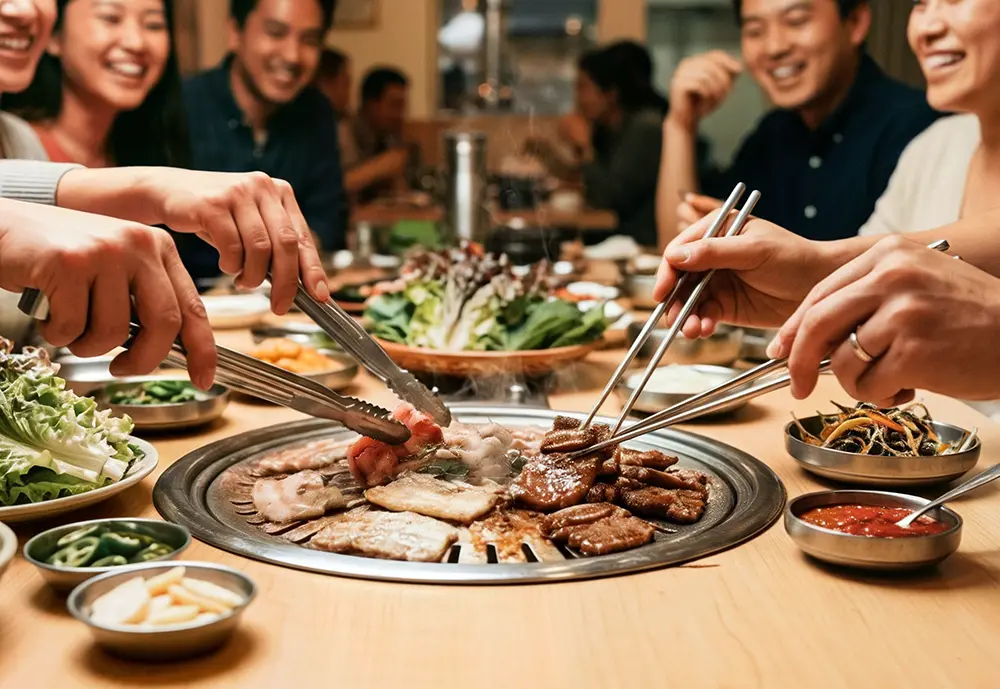
In those situations, MBTI offers an easy and surprisingly entertaining way to break the ice without making the conversation feel awkward.
Social media also played a huge role. Personality memes, compatibility charts, and short videos spread rapidly across platforms like Instagram, YouTube, and TikTok, making it feel less like psychology and more like pop culture.
Soon, people began sharing their type in online profiles, introducing themselves with it, and joking about the strengths and weaknesses of different personalities. It became a shared language that almost everyone could understand.
More Than Dating-It Shows Up Everywhere
Many international visitors assume MBTI is mostly used for dating, but in Korea, it appears in far more situations than that.

Friends compare personality types before planning trips, coworkers casually mention them during lunch, and students often discuss them when working on team projects. Some people even check compatibility charts before deciding who might make the best travel partner or roommate.
Of course, most Koreans don’t take the results as absolute truth. Rather than treating it as a scientific rulebook, they see it as a lighthearted conversation starter. It’s common to hear someone laugh and say, “That’s such an ENFP thing to do,” without genuinely believing that every person with the same type behaves identically.
The enjoyment comes from comparing experiences and finding small similarities, not from labeling people.
A Reflection of Modern Korean Culture
Perhaps the most interesting thing about Korea’s this trend is what it says about the country’s culture. It reflects a generation that enjoys self-expression, shared experiences, and discovering new ways to connect with others.
Personality types have become another piece of everyday language, alongside favorite foods, fashion styles, and music preferences.
So if someone in Korea asks for your MBTI shortly after meeting you, don’t be surprised. It isn’t an interview or a serious personality evaluation. More often than not, it’s simply an invitation to start a conversation, share a laugh, and get to know each other a little better.
In today’s Korea, knowing your MBTI can be less about defining who you are and more about opening the door to meaningful connections.