
Seoul Marathon Season Has Quietly Become a Three-Race Story

If you’ve searched for “Seoul Marathon” recently, you’ve probably noticed the results look more confusing than they used to. There’s a simple reason for that. Korea’s running boom has grown so quickly that three different races now share the name “Seoul Marathon,” yet many visitors don’t realize they’re completely separate events.
Seoul Marathon Season Has Quietly Become a Three-Race Story
Running has taken off across Korea over the past few years, and marathon culture has grown right along with it.
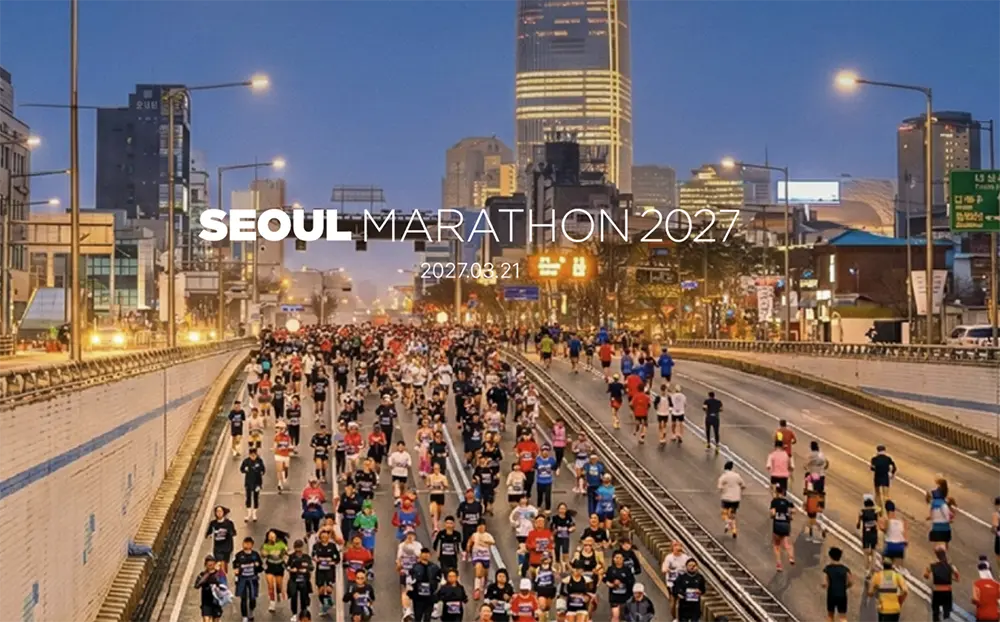
Instagram feeds fill up with race bibs and finish-line photos, running crews meet before sunrise along the Han River, and popular races often sell out within minutes. As interest keeps growing, it’s become harder for first-time visitors to tell Seoul’s biggest races apart.
Today, three major events are commonly called the “Seoul Marathon.”
The Dong-A Seoul International Marathon takes place every March and dates back to 1931, making it one of Asia’s oldest marathon events.
The JTBC Seoul Marathon is held every November and has become one of Korea’s largest and most popular road races. Both feature the full 42.195 km marathon distance.
The newest event is the MBN Seoul Marathon, organized by MBN and Maeil Business Newspaper. It also takes place in November but offers only half-marathon and 10K races.
Rather than competing directly with the other two events, it simply adds another race with a very similar name, which often creates confusion for international runners.
Why the Seoul Marathon Ranks Higher Than Many Travelers Expect
Here’s something many travel guides never mention.
According to recent World Athletics performance rankings, the Dong-A Seoul International Marathon ranks among the world’s top marathon events, alongside famous races such as London, Tokyo, and Boston.
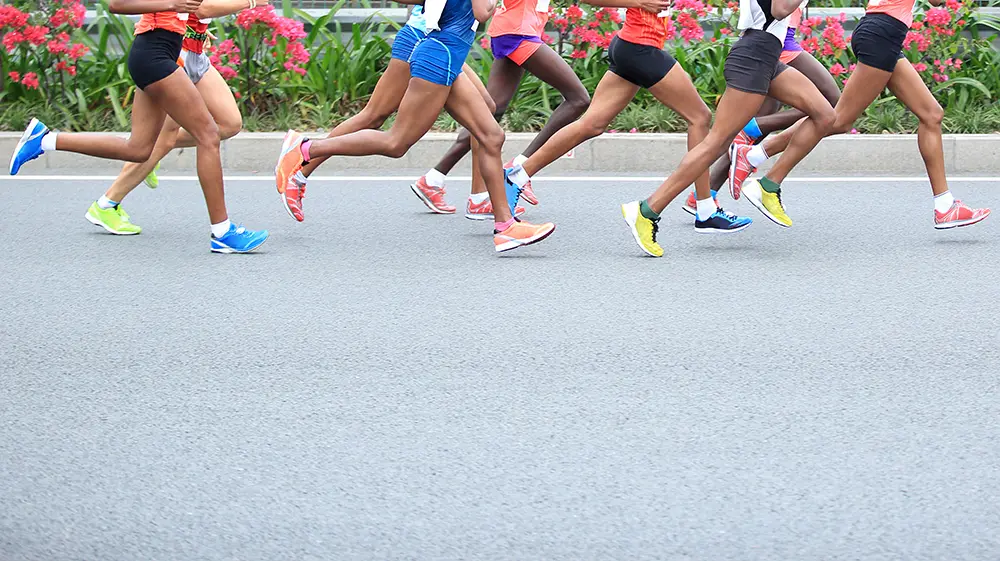
That sounds impressive, but it’s important to understand what those rankings actually measure. They don’t focus on crowd size, popularity, or race atmosphere. Instead, they evaluate elite competition and finishing performances.
Seoul didn’t earn its ranking because it generated the biggest headlines. It earned it because some of the world’s fastest runners consistently deliver outstanding results here.
If you’re trying to decide which race to enter, that difference matters. Choose the March Dong-A race if you’re looking for elite competition and a course with a strong international reputation. If you’d rather enjoy huge crowds, energetic spectators, and one of Korea’s biggest running festivals, the November JTBC Marathon may be the better fit.
Newer runners often prefer the MBN Seoul Marathon because the shorter distances feel more approachable while still offering the excitement of running through Seoul.
Registering for the Seoul Marathon as an International Runner
Registration for both full marathons opens several months before race day. International runners register online using a passport number instead of a Korean resident registration number.

Most confirmation emails are available in English, although the registration websites sometimes default to Korean. If that happens, simply switch the language setting before completing the form.
If you’re planning to run the MBN Seoul Marathon, keep an eye on registration dates as well. Entries for both the half marathon and 10K can sell out within just a few days because of strong demand.
No matter which race you choose, you’ll collect your race bib in person one or two days before the event. Don’t forget to bring your passport, since organizers usually require photo identification during bib pickup.
What Race Day Actually Feels Like
The two full marathons both start and finish near Jamsil, with courses winding through central Seoul before returning to the Olympic Stadium area. Many roads and bridges along the Han River close during the morning, so it’s worth planning transportation ahead of time if you’re staying nearby.

The atmosphere surprises many first-time visitors. Spectators line large sections of the course, cheering almost nonstop. That energy becomes especially noticeable during the final kilometers, when runners need encouragement the most.
If you’re used to smaller local races, the scale of Seoul Marathon weekend can feel overwhelming—in the best possible way.
One last tip is worth remembering. Places reserved for international runners are usually much more limited than the total field size suggests because most entries go to domestic participants first. Interest in running continues to grow every year in Korea, and registration disappears much faster than many visitors expect.
Whether you’re chasing a personal best or simply want to experience Korea’s running culture firsthand, don’t wait too long once registration opens. Missing the first few days could mean missing the race altogether.