
Jeju’s Orange Gems, Hallabong and beyond
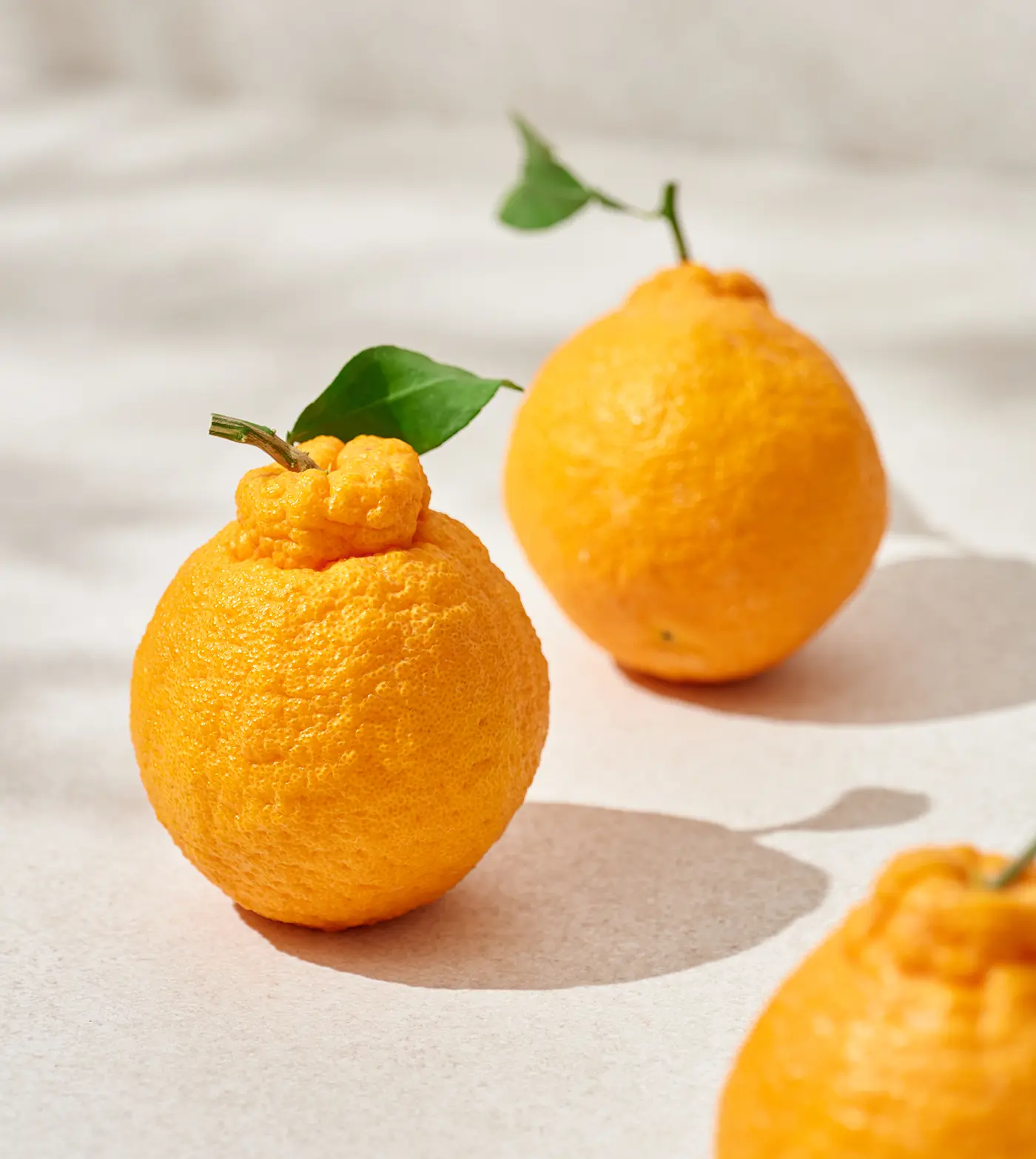
What is Hallabong? Travel anywhere around Jeju Island, and you’ll be surrounded by vibrant shades of orange wherever you go. These are none other than Jeju’s pride, the ‘tangerine.’ However, lots of travelers often feel a bit confused the moment they enter a large supermarket or market. This is because similar-looking orange fruits are lined up, each bearing a different name and price tag.
In fact, they are premium varieties with completely distinct charms in taste, aroma, and texture. Today, we introduce the differences between Jeju’s three representative orange gems—Hallabong, Cheonhyehyang, and Redhyang—and tips on how to enjoy them.
Hallabong : Jeju’s Crown Jewel
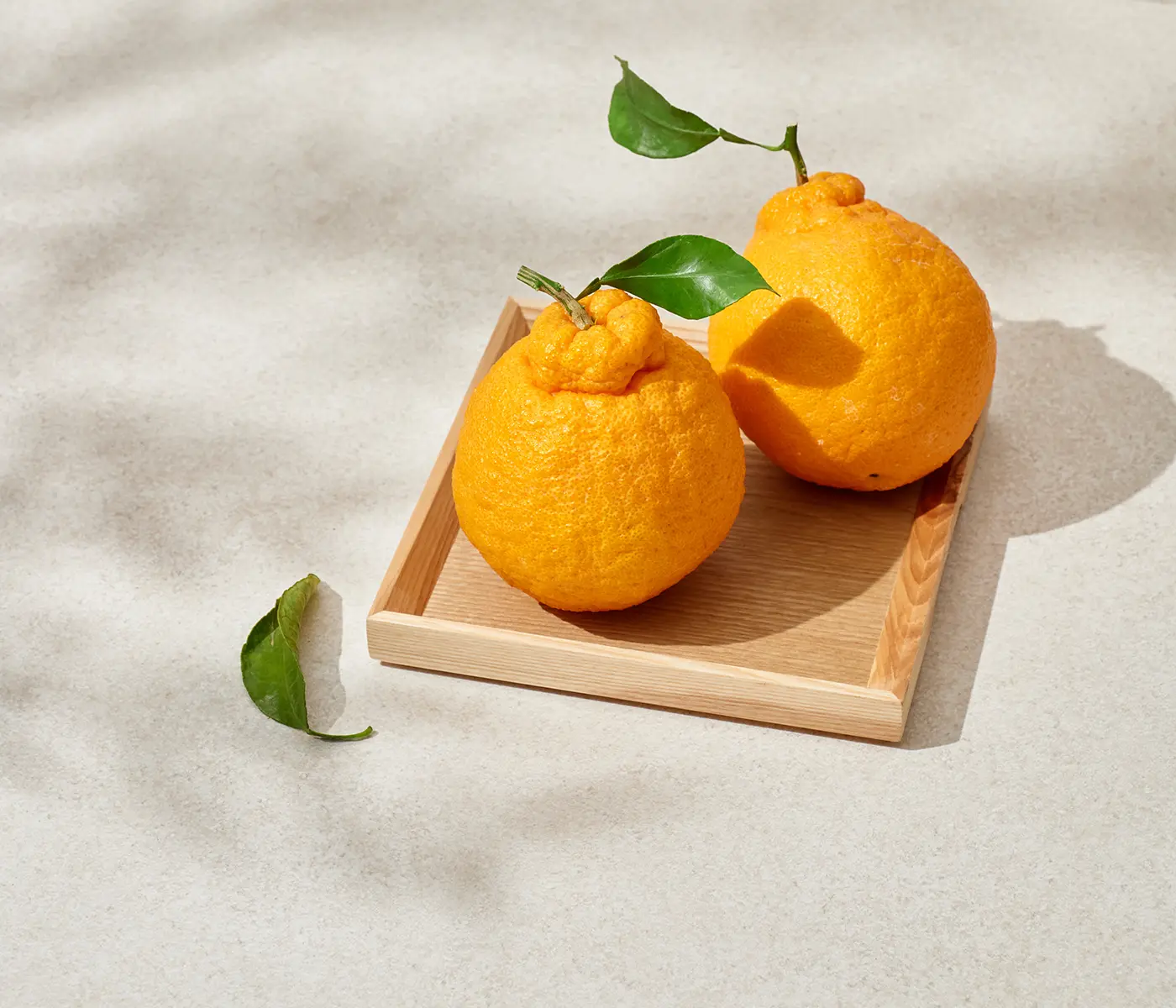
The undisputed protagonist who ushered in the era of Jeju’s premium tangerines is Hallabong. Its appearance is quite unique, with the stem end protruding convexly. It was named ‘Hallabong’ because its shape resembles the snow-covered peaks of Mt. Halla in Jeju.
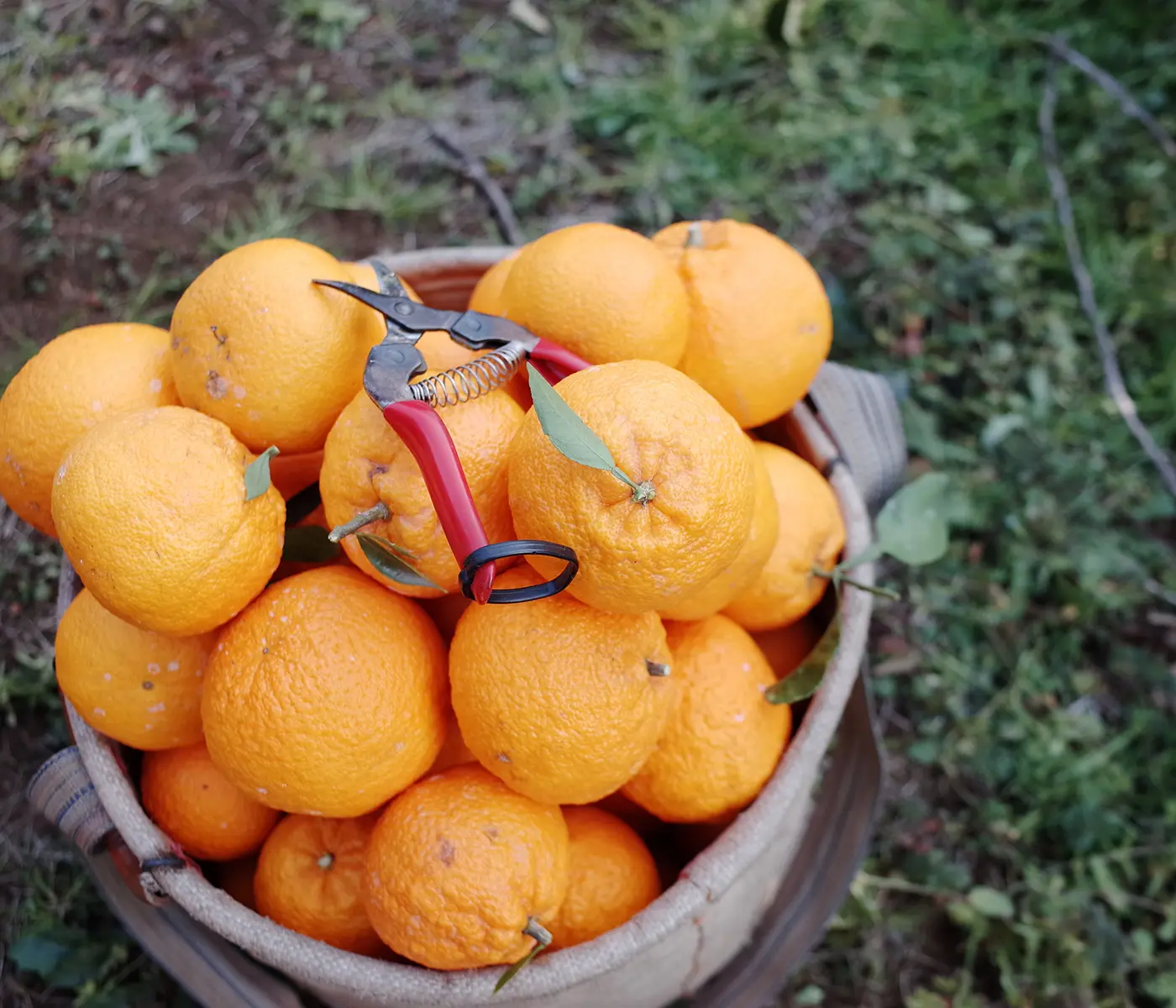
Although the peel of the Hallabong appears somewhat thick and rough, the rich citrus aroma that hits you the moment you peel it by hand is exquisite. It is characterized by a crisp texture where the segments pop, and it offers a flavor that is a rich blend of sourness and sweetness. If you are looking for a classic souvenir from Jeju, Hallabong is the surest choice.
Cheonhyehyang : The Citrus with a Heavenly Aroma
Even its name is incredibly romantic. Meaning “a scent bestowed by heaven travels a thousand miles,” Cheonhyehyang is a fruit that truly lives up to its name. Just standing near the fruit, a captivating and subtle citrus scent brushes past your nose.
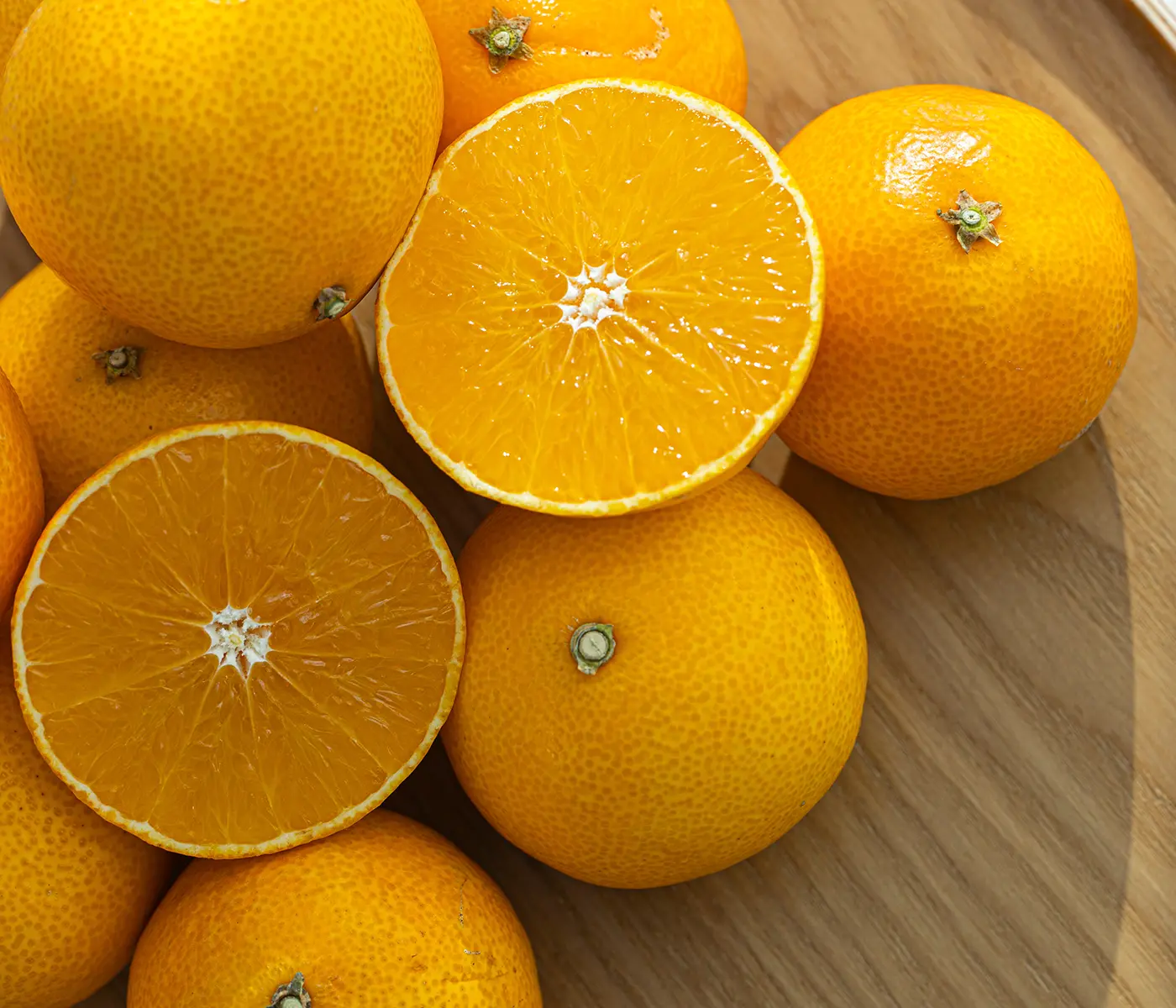
Unlike Hallabong, Cheonhyehyang has a very thin peel with a smooth surface. When split in half, you can see the juice packed tightly inside the thin membrane, looking as if it is about to burst. I highly recommend this to those who enjoy low acidity, high sugar content, and soft juice that fills your mouth with sweetness. The skin is thin, so peeling it takes a bit of effort, but it is well worth it.
Redhyang : Big Flavor, Bigger Sweetness
The last variety I will introduce is Redhyang, which is one of the most popular varieties among Koreans recently. It was named ‘Redhyang’ because it has a stronger reddish hue than regular tangerines. Its shape is somewhat flat and plump.
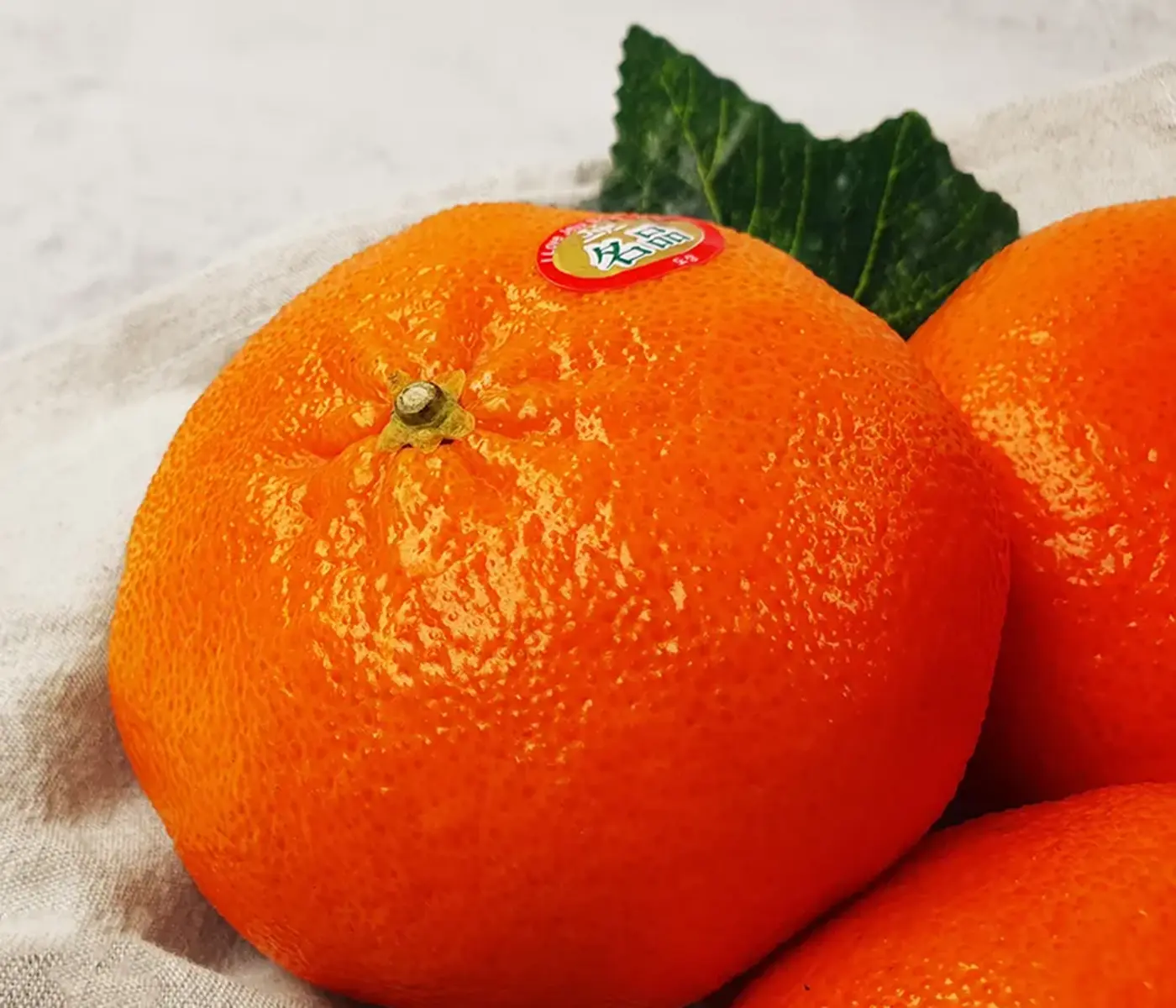
The biggest appeal of Redhyang is its overwhelming ‘texture’ and ‘sweetness.’ Each segment is thicker and firmer than those of other varieties, so there is the fun of the juice bursting like fireworks every time you chew.
Because it has almost no acidity and is very sweet, it is a flavor that even visitors who usually do not enjoy sour fruits can easily fall in love with. Editor’s Recommendation & Practical Tips for Enjoying Them
Is Hallabong My Favorite Pick?
To be honest, if I had to choose my personal number one pick, it would definitely be ‘Red Hyang’. The pleasure of those large segments popping in your mouth and the intense sweetness are hard to forget once you taste them! (Of course, if you prioritize aroma, Cheonhyehyang is also an excellent choice.)
Also even if the Hallabong or Cheonhyehyang you bought at the market are much more sour than expected, don’t panic. Try leaving them at room temperature in a well-ventilated area for about 2 to 3 days before eating. The sourness sinks to the bottom, and the sugar content rises to the top, making them much sweeter. This is the hidden know-how Koreans use to enjoy premium tangerines.
To prevent them from bumping into each other and becoming mushy, it is best to lightly wash them in salt water, wipe off the moisture, wrap them in newspaper or paper towels, and store them in a cool place. Immerse yourself in the orange charm of Jeju.
While sophisticated dessert cafes in Seoul are nice, there is no more perfect relaxation than peeling and eating sweet tangerines until your fingertips turn orange while gazing at Jeju’s blue sea.
On your next trip to Jeju, instead of juice or processed chocolates, why not stop by local traditional markets or roadside stalls to taste the fresh, authentic gems of Jeju? I am truly curious to know which tangerine has captured your taste buds the most.